
To All a Goodnight: The Killer Santa Movie Nobody Was Angry About
Before Silent Night, Deadly Night made Santa scary, David Hess got there first

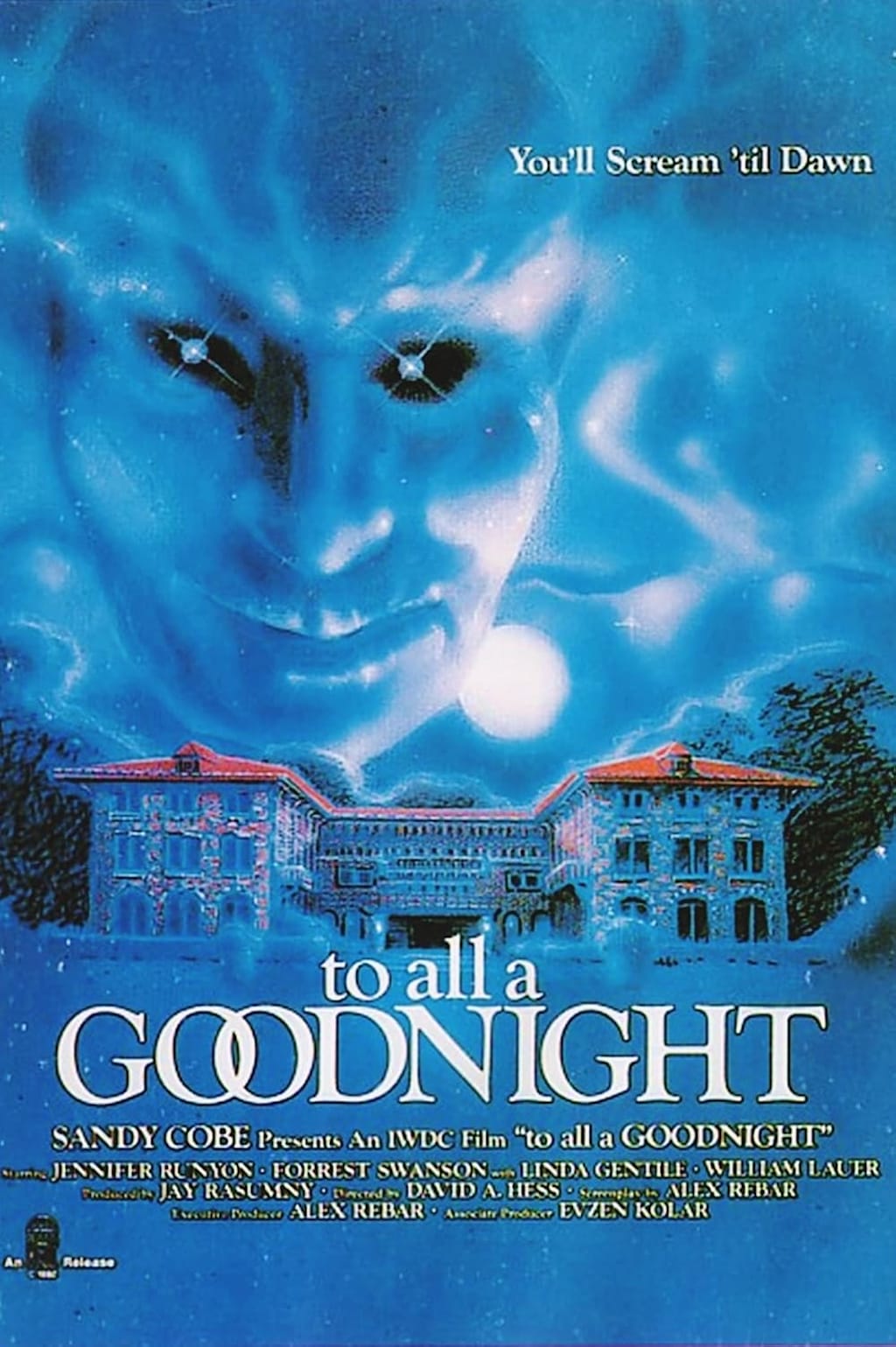
There is a strange little footnote in the history of Christmas horror.
In 1984, Silent Night, Deadly Night became one of the most controversial horror movies of the decade. Parents protested outside theaters. Television advertisements were pulled. Critics condemned the movie. The film was eventually withdrawn from theaters after only a couple of weeks.
Four years earlier, however, To All a Goodnight had already done essentially the same thing.
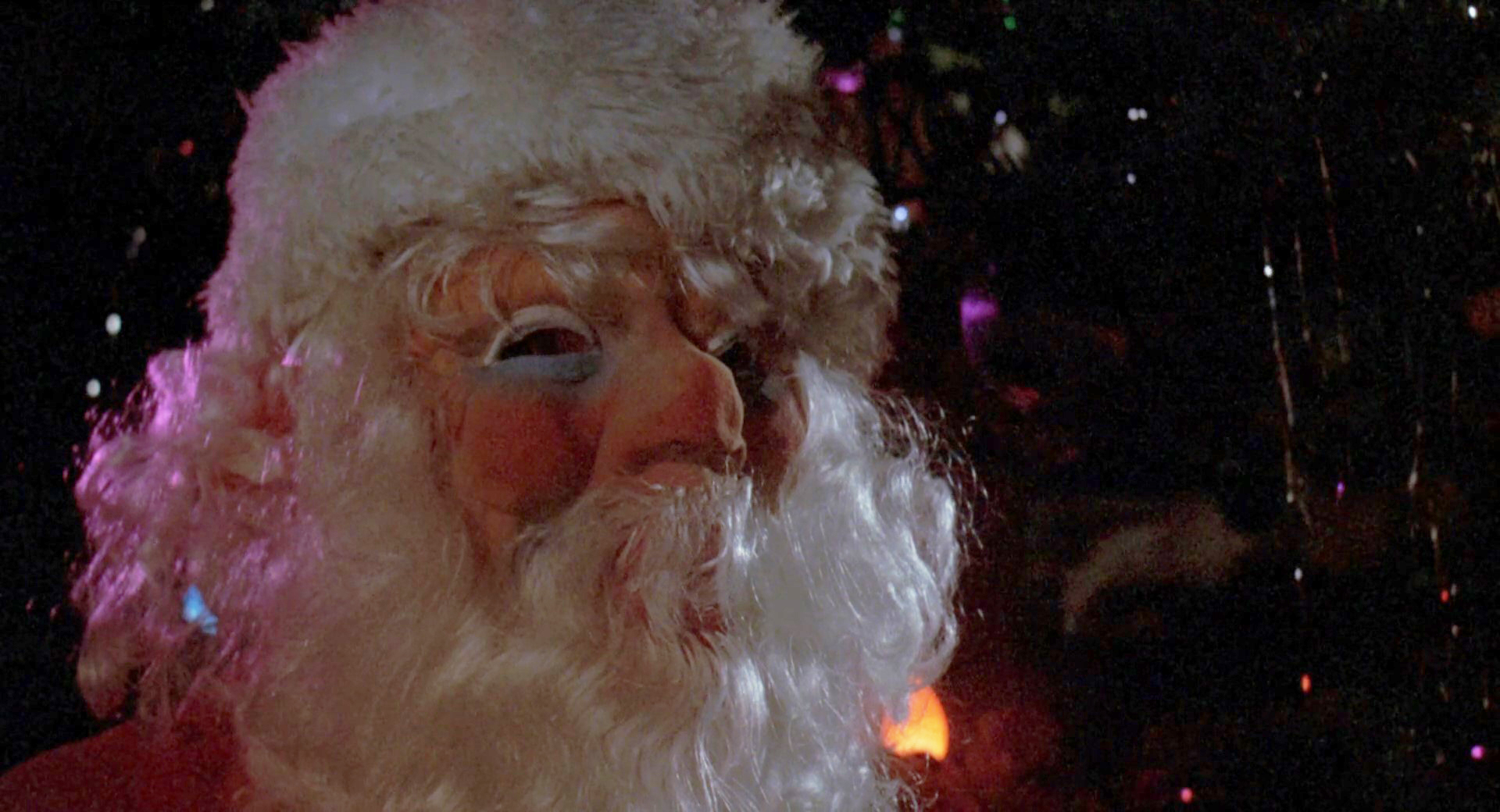
It put a killer in a Santa Claus suit.
Nobody seemed to care.
That isn’t entirely surprising. To All a Goodnight was a tiny, low-budget slasher that received a limited theatrical release and disappeared with barely a ripple. Silent Night, Deadly Night, by comparison, was distributed by Tri-Star and marketed heavily on television, putting images of a murderous Santa directly in front of parents watching family programming during the Christmas season. The difference wasn’t necessarily the material. It was exposure. (AFI Catalog)
And that makes To All a Goodnight an interesting little piece of horror history.
Released in January 1980, David Hess’s only feature as a director was one of the earliest full-length slasher movies to turn Santa Claus into the killer. It wasn’t particularly good, but it was there first.
And unlike the movie that would eventually make the concept infamous, almost nobody noticed.
From Krug to the Director’s Chair
David Hess was hardly a newcomer to exploitation cinema.
Audiences knew him primarily as Krug Stillo, the sadistic killer at the center of Wes Craven’s The Last House on the Left. Hess had already established himself as a performer capable of projecting a particularly nasty kind of menace, so producer Sandy Cobe recruited him to direct a new low-budget horror picture.
The screenplay came from Alex Rebar, the actor best known for starring in The Incredible Melting Man. The assignment was fairly obvious: capitalize on the slasher boom that had exploded after Halloween and combine it with the growing tradition of Christmas horror established by Bob Clark’s Black Christmas.
The result was To All a Goodnight.
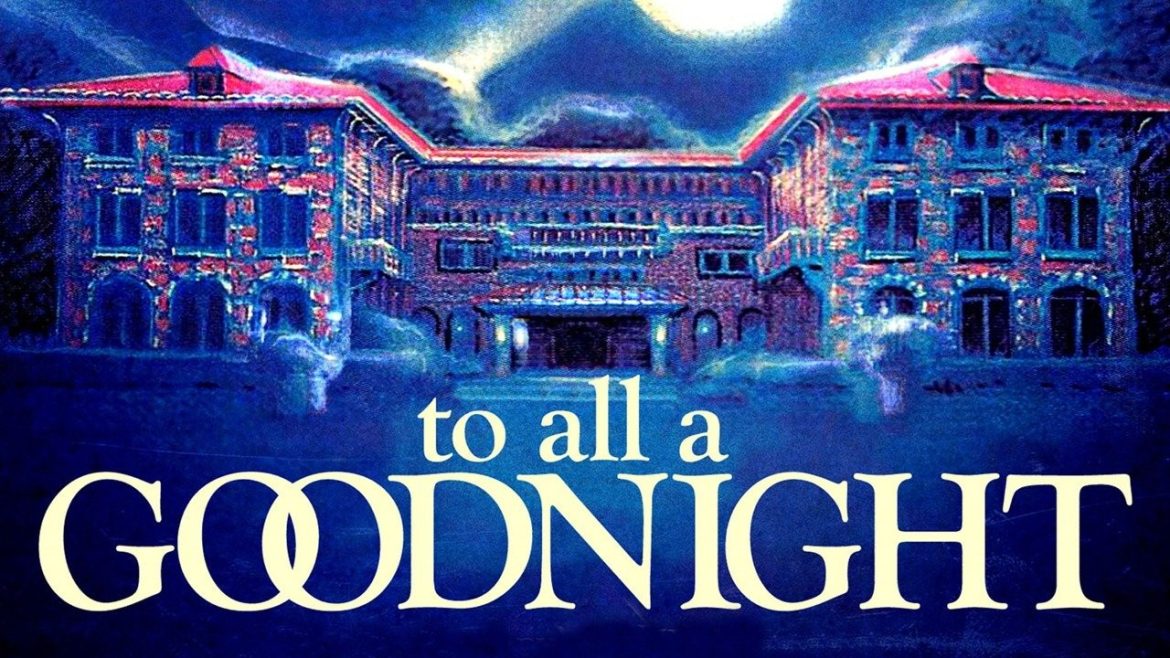
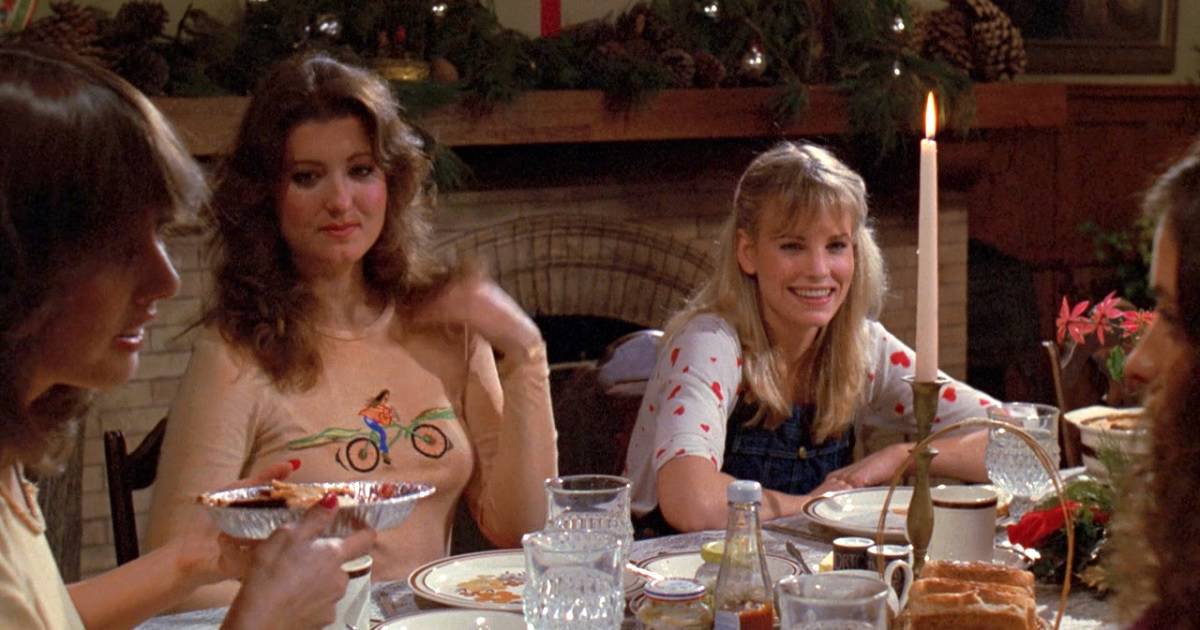
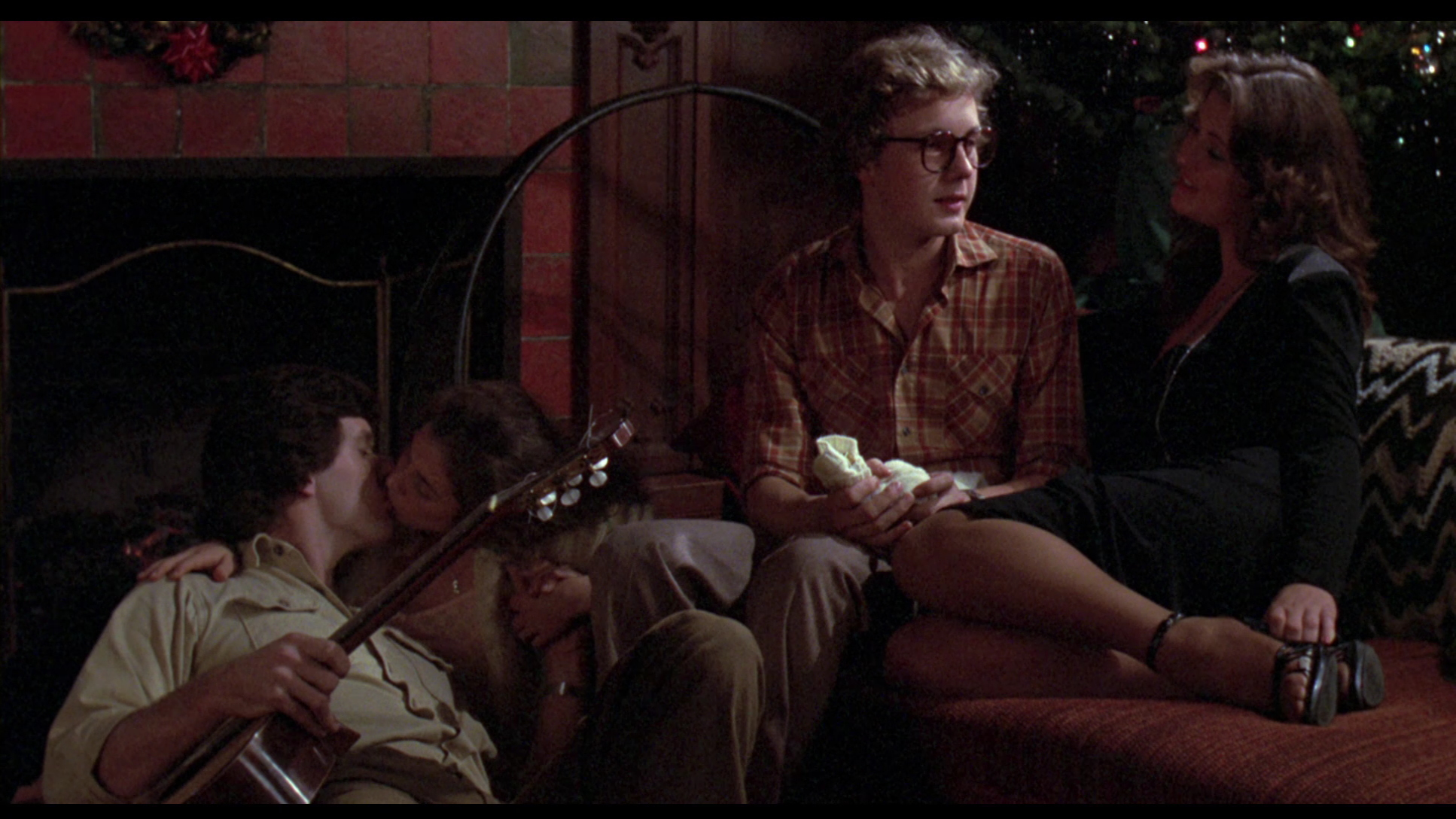
The movie opens with a prank at the Calvin Finishing School for Girls that goes horribly wrong. A young woman is accidentally killed when she is pushed from a balcony. Two years later, several of the school’s students remain behind for a Christmas weekend with their boyfriends.
That turns out to be a mistake.
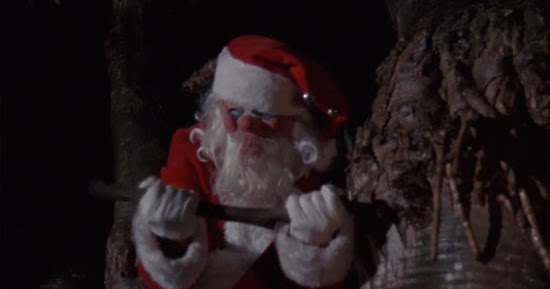
Someone wearing a Santa Claus costume has arrived.
And Santa is carrying a knife.
A Santa With a Body Count
The movie wastes little time getting down to business.
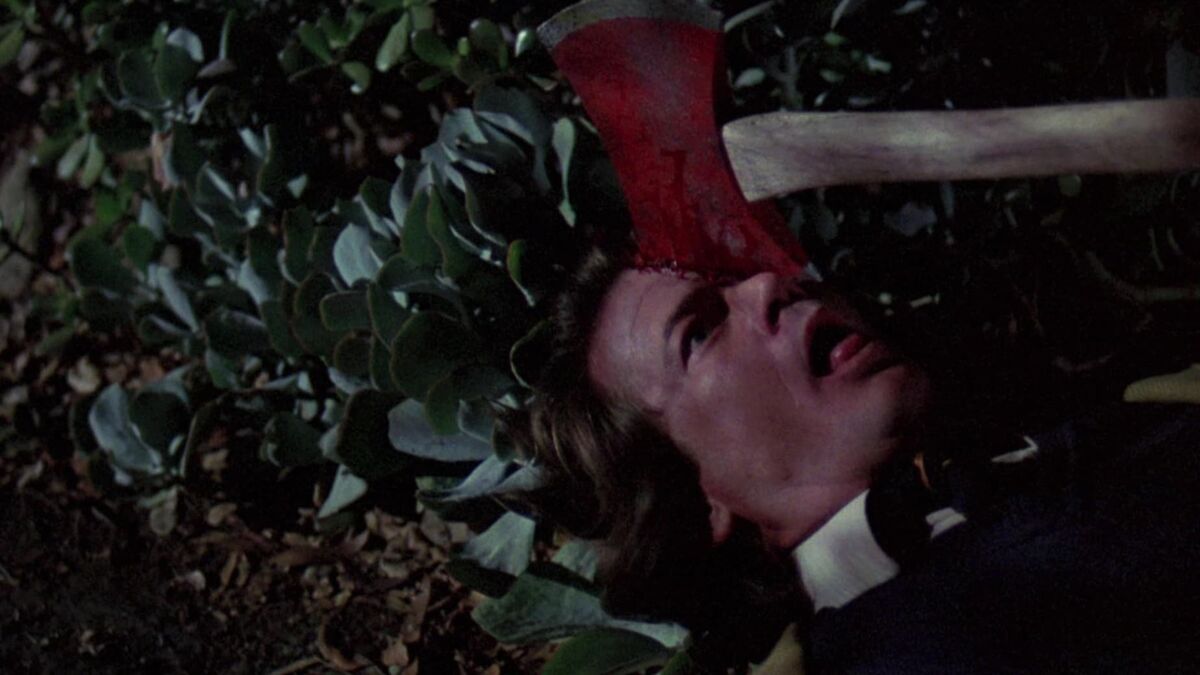
Students and their boyfriends begin disappearing one by one as the Santa-clad killer stalks the isolated school. There are stabbings, strangulations, decapitations and even one particularly memorable encounter involving an airplane propeller.
The movie is far more interested in getting from one murder to the next than in developing its characters, which is probably understandable considering the reported budget of only $70,000 to $75,000. This was exploitation filmmaking in its purest form: find a location, hire some actors, get a camera rolling and make sure there are enough bodies left behind to justify calling it a horror movie.
There is also a genuinely strange twist.
The killer isn’t simply some random psychopath hiding behind a Santa mask. The murders are connected to the death from the opening sequence, and the eventual revelation involves not one Santa but two.
It’s the kind of twist that might have worked better with a little more money, a little more time and considerably more competent filmmaking.
But then, To All a Goodnight wasn’t exactly swimming in any of those things.
Ten Days in Santa Barbara
Production took place over roughly ten days in November 1979 at a private mansion in Santa Barbara.
The cast and crew reportedly lived at the location during production, essentially turning the shoot into a ten-day horror-movie sleepover. Hess later described the experience as a blur of working and sleeping in the same place.
Considering what the movie looks like, the production schedule makes perfect sense.
There are obvious technical shortcomings throughout To All a Goodnight. The day-for-night photography is particularly rough, while the limited budget and frantic schedule left little room for elaborate effects or extensive retakes.
And yet, there are some interesting names buried in the credits.
Jennifer Runyon leads the cast, while Forrest Swanson plays her romantic counterpart. Harry Reems, better known for his work in adult films, appears briefly as a pilot under the name Dan Stryker. Makeup artist Mark Shostrom, who would go on to much more impressive work in horror, also contributed to the film.
It is a remarkably strange collection of talent for a movie this obscure.
The Movie Nobody Protested
This is where To All a Goodnight becomes more interesting than its reputation might suggest.
The movie arrived in theaters on January 30, 1980, through Intercontinental Releasing Corporation. It didn’t receive anything resembling the promotional campaign that Silent Night, Deadly Night would receive four years later.
It simply came and went.
And that may explain why nobody seemed particularly offended by it.
Silent Night, Deadly Night wasn’t merely a movie about a killer Santa. It was sold as a movie about a killer Santa. Its advertising campaign emphasized the image, and television spots appeared during programs watched by families. Parents complained that their children were being frightened by seeing Santa depicted as a murderer. Protesters eventually picketed theaters, sometimes singing Christmas carols outside. Tri-Star pulled the advertising and ultimately withdrew the movie from theaters. (AFI Catalog)
To All a Goodnight didn’t have that problem.
How do you organize a moral panic around a movie that hardly anybody knows exists?
That may be the simplest explanation for the wildly different reactions.
It wasn’t necessarily that audiences in 1980 were more accepting of the idea of a killer Santa. They may simply never have been given the opportunity to become angry about it.
To All a Goodnight was a tiny exploitation picture released with virtually no cultural footprint. Silent Night, Deadly Night became a national conversation because a major distributor put money behind making it one.
In other words, the controversy may have been created as much by marketing as by the movie itself.
And there is something wonderfully ironic about that.
The movie that actually got there first was ignored.
The movie that came later became infamous.
A Forgotten Piece of Slasher History
Critically, To All a Goodnight didn’t fare particularly well. Retrospective assessments have generally described it as derivative, sluggish and technically shabby, with obvious similarities to Black Christmas. Even sympathetic viewers tend to appreciate it more as a piece of horror history than as a genuinely effective film. (Wikipedia)
That’s probably fair.
This isn’t some undiscovered masterpiece waiting to be rescued.
But it is a fascinating artifact.
It arrived at exactly the right moment in horror history, when the slasher movie was still being formed and filmmakers were discovering just how many variations could be squeezed out of the basic formula. It took the isolated setting of Black Christmas, the emerging slasher mechanics of Halloween and the imagery of Santa Claus and threw them into the same cheap, bloody blender.
The result was messy.
It was also early.
And perhaps most importantly, it was largely forgotten.
Before Santa Became a Horror Icon
Today, the killer Santa is practically its own horror-movie tradition. We’ve had evil Santas, demonic Santas, homicidal Santas, possessed Santas and just about every other possible variation on the idea.
But somebody had to put the first body under the Christmas tree.
To All a Goodnight was one of the first to do it in feature-length form, following the earlier killer-Santa segment of Tales from the Crypt and arriving before Christmas Evil and Silent Night, Deadly Night. (AV Club)
It just didn’t make enough noise for anyone to complain.
And maybe that’s the strangest part of its legacy.
Silent Night, Deadly Night became notorious because America saw a killer Santa and decided it had crossed a line.
To All a Goodnight put essentially the same image on a movie screen four years earlier and was met with something far more devastating than outrage.
Indifference.
For a low-budget horror movie, there may be no more effective way to disappear.
But disappearing doesn’t mean being unimportant.
Sometimes the forgotten movies are the ones that quietly got there first.
About the Creator
Movies of the 80s
We love the 1980s. Everything on this page is all about movies of the 1980s. Starting in 1980 and working our way the decade, we are preserving the stories and movies of the greatest decade, the 80s. https://www.youtube.com/@Moviesofthe80s
Enjoyed the story? Support the Creator.
Subscribe for free to receive all their stories in your feed.
Comments
There are no comments for this story
Be the first to respond and start the conversation.