

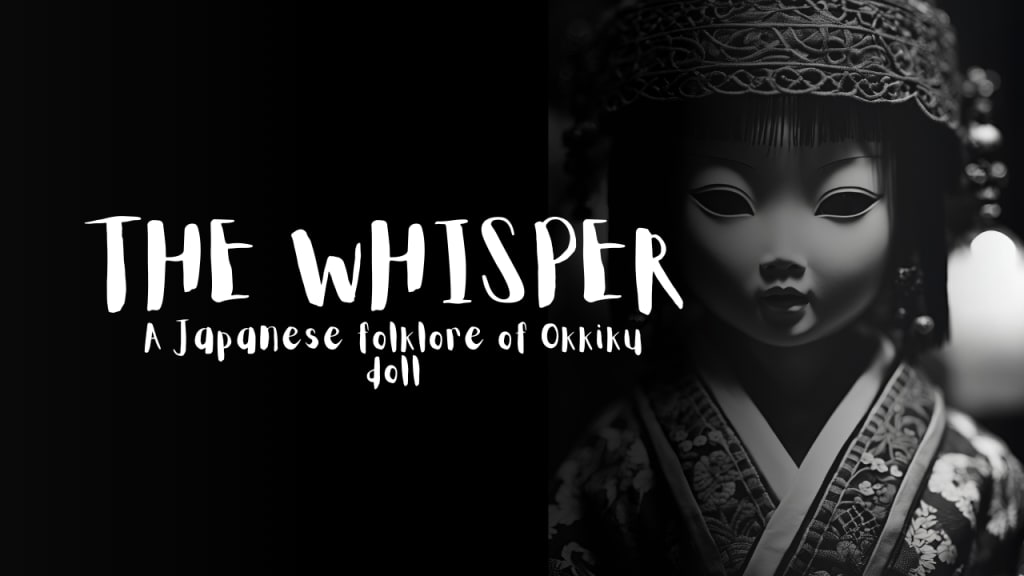
In the quiet fishing village of Hokkaido, a little girl named Okiku clutched her porcelain doll tightly. The doll, with its black bobbed hair and crimson kimono, had been a gift from her elder brother during a trip to Sapporo. Okiku named the doll after herself, a gesture of childish affection. They were inseparable.
But then, death came.
A harsh winter swept through the village, and Okiku succumbed to a fever. Her grieving family, too consumed by sorrow, placed the doll on their household shrine as a reminder of their lost daughter. At first, it was a simple act of mourning, a gesture to keep her spirit close.
Then the changes began.
---
One evening, Okiku's mother lit incense in front of the shrine, her tears falling silently. As the smoke coiled upward, she noticed something unsettling—the doll’s hair seemed longer than before. Its neat bob now brushed against its shoulders. Assuming it was a trick of the dim candlelight, she dismissed it.
Weeks turned into months, and the doll’s hair unmistakably grew. It began to spill down its back, its glossy strands as lifelike as a living child’s. The family consulted a local priest, who declared the phenomenon as a sign of Okiku's restless spirit lingering in the doll.
Fear mingled with grief, but the family couldn’t part with the doll. It was, after all, the last connection to their beloved daughter.
---
As the seasons passed, the doll seemed to grow more... aware.
Okiku's younger brother, Takeshi, often woke to strange sounds at night: faint whispers, the rustling of fabric, a giggle that seemed to echo from the shrine. He would pull his blanket tighter, his eyes fixed on the shadows dancing in the moonlight.
One night, curiosity got the better of him. Tiptoeing to the shrine, he reached out to touch the doll’s hair. The strands were cold but unmistakably human. He pulled back in horror, but before he could retreat, he felt a sudden, icy grip on his wrist.
The doll’s head tilted slightly, its painted eyes meeting his.
---
After that night, Takeshi grew quiet and withdrawn. He avoided the shrine, flinching at the mere sight of the doll. His parents, worried but skeptical of his claims, decided to move the doll to a storage room.
It didn’t help.
The whispers grew louder. The doll’s crimson kimono began appearing in their dreams, drenched in shadows. One morning, the mother opened the storage room to find the doll sitting upright in the corner, its hair brushing the floor. Its once-placid expression now seemed to smirk.
Terrified, the family sought help from a monk at the Mannenji Temple. He agreed to take the doll, performing a cleansing ritual before sealing it within the temple grounds. The family felt a weight lift, but Takeshi remained haunted.
---
Years later, a curious monk at the temple decided to examine the doll. By then, its hair had grown impossibly long, reaching past its knees. As he held it, a faint, childlike giggle echoed through the room. Startled, he placed the doll back and turned to leave—but froze in his tracks.
Behind him, the doll whispered in a voice eerily similar to Okiku’s:
“I’m still waiting...”
The monk turned slowly, sweat dripping down his back. The doll sat motionless, but its once-closed mouth now seemed slightly ajar, as if it were grinning.
The hair continues to grow, and the whispers grow louder. Some nights, visitors claim they see the doll shift ever so slightly, as though it’s searching... waiting for something—or someone.
About the Creator
Tawfique Alif
Hi there it's me Tawfique Alif an indie writer writing in vocal now. Previously I've written content in many platforms. Like my content? Then reach out at [email protected]
Enjoyed the story? Support the Creator.
Subscribe for free to receive all their stories in your feed.
Comments
There are no comments for this story
Be the first to respond and start the conversation.