
The Scariest Movie We Have Ever Seen,One That Has Not Let Us Sleep That Night
For anyone who watches horror movie,there's often one film that digs a bit deeper that the rest,getting under the skin and lingering long after the credits roll.

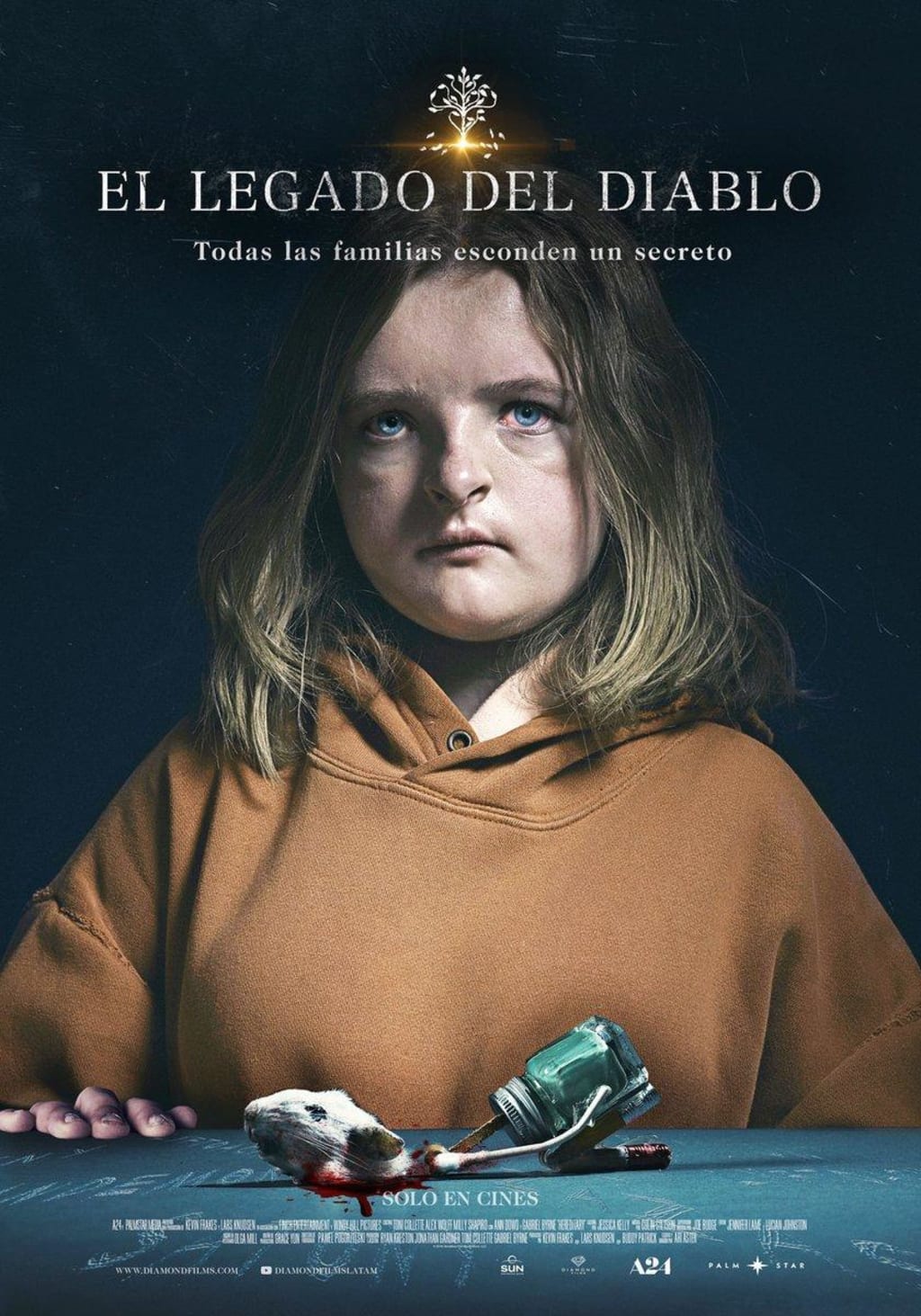
For me, that movie is Hereditary (2018), directed by Ari Aster. This modern psychological horror masterpiece has not only redefined horror for a new generation but also has haunted me like no other. Hereditary is terrifying not in the traditional jump-scare sense, but in a deeply unsettling way that slowly permeates your mind, lingers in your thoughts, and can keep you awake all night. Here’s why Hereditary stands out as a nightmare-inducing experience.
Unrelenting Atmosphere and Tone
Hereditary begins with a funeral, immediately setting the tone of grief and foreboding that saturates the entire film. The film follows the Graham family, led by mother Annie (Toni Collette), who is dealing with the recent loss of her own mother, Ellen. From the start, the sense of something dark and deeply wrong pervades every scene. The film’s muted color palette, claustrophobic camera angles, and ominous music all work together to create a world that feels off-kilter, strange, and threatening. Every moment feels heavy with dread, and the film sustains this atmosphere so effectively that you find yourself holding your breath, waiting for something terrible to happen.
The feeling is akin to being trapped in a bad dream that you can’t wake up from. The horror is not just in what happens on screen but in the knowledge that things will continue to worsen. Aster keeps this relentless tension steady, never giving the audience any relief or reprieve.
Grief and Psychological Horror
What makes Hereditary particularly unsettling is that it taps into psychological horror through its focus on grief, trauma, and mental illness. Rather than relying on traditional horror tropes, the movie explores the disintegration of a family weighed down by secrets, unprocessed emotions, and inherited trauma. Annie, the mother, is a grieving artist whose strained relationships with her children and husband create a fragile family dynamic. As Annie unravels, so too does her family, and this descent into madness is depicted with brutal honesty.
The rawness of the grief in Hereditary makes it hard to watch, yet it’s impossible to look away. At one point, Annie loses her daughter, Charlie, in a horrifying accident that she inadvertently caused. The scene where she discovers Charlie’s death is harrowing; Toni Collette’s agonizing screams are not just a portrayal of sorrow—they're a deep, primal pain. Her cries linger long after the scene ends, leaving viewers shaken and emotionally vulnerable. This intense emotional horror leaves an indelible mark, making the film feel disturbingly real and close to home.
Toni Collette’s Unforgettable Performance
Toni Collette’s performance as Annie is nothing short of extraordinary and is one of the main reasons why Hereditary is so disturbing. Collette brings a palpable sense of despair, anger, and confusion that is both terrifying and heartbreaking. Her portrayal of a woman on the edge of sanity draws viewers into her psychological torment, creating an emotional rollercoaster that leaves you exhausted and unsettled. Her emotional outbursts and eerie quiet moments contribute to a tension that’s almost unbearable. It’s rare for a horror movie to deliver such a raw, intense performance, and Collette’s embodiment of a mother grappling with uncontrollable forces is haunting.
Disturbing Imagery and Symbolism
Hereditary has some of the most shocking and disturbing imagery I’ve ever seen. There’s the moment when Annie, in a trance-like state, sees visions of her deceased mother or when her daughter’s decapitated head is covered with ants—a chilling image that’s hard to forget. The scenes of supernatural possession and ritualistic symbolism intensify the horror, as the story delves into the occult, revealing that the family has been cursed by forces beyond their control.
The symbolism in Hereditary adds a layer of complexity to the horror. For example, the miniature dollhouses that Annie builds symbolize the family’s lack of agency, as if they are mere puppets controlled by sinister forces. These small, intricately constructed rooms reflect the fragility and entrapment of the family’s lives, contributing to a sense of helplessness and inevitability that leaves you feeling trapped, just like the characters.
A Terrifying Climax
The climax of Hereditary is both horrifying and surreal, taking the film’s horror to a new level. Without spoiling too much, the film’s final scenes reveal the true nature of the curse haunting the Graham family, and the imagery is grotesque, bizarre, and unforgettable. The mixture of psychological and supernatural horror culminates in scenes that are nightmarish, leaving viewers with a sense of incomprehension and fear. The film’s descent into chaos is so intense that even after it ends, it’s difficult to process what you’ve seen fully.
Lingering Effects and Sleepless Nights
What makes Hereditary so uniquely terrifying is how it lingers. Long after the credits rolled, I found myself haunted by the unsettling visuals, the echo of Collette’s screams, and the crushing sense of despair that runs through the film. Unlike typical horror movies that rely on jump scares, Hereditary embeds itself in your subconscious, bringing out your own fears about family, death, and mental instability. Trying to fall asleep afterward felt impossible, as every creak and shadow in the room seemed alive with malevolent intent.
About the Creator
Badhan Sen
Myself Badhan, I am a professional writer.I like to share some stories with my friends.
Enjoyed the story? Support the Creator.
Subscribe for free to receive all their stories in your feed.
Comments
There are no comments for this story
Be the first to respond and start the conversation.