
The Russian Sleep Experiment: The Internet’s Most Terrifying Lie
a mental torture this generation maybe shouldn't pay much heed to.

There are horror stories people tell around campfires. And then there are stories that crawl through the internet like a disease. The kind that people whisper about at 3 A.M. while staring at glowing phone screens in dark bedrooms. The kind that feels too detailed to be fake. Few modern horror stories have achieved the same level of psychological damage as the “Russian Sleep Experiment” — a nightmarish tale of Soviet scientists, sleepless prisoners, mutilation, madness, and something monstrous entities hiding inside the human mind. For years, thousands believed it was real. Some still do. But the truth behind the legend may be even more disturbing than the story itself. Because it reveals how easily fear can become “history.”
The Story That Refused to Die The legend first appeared online in 2010 on the Creepypasta Wiki, posted anonymously by a user named “OrangeSoda.” At first glance, it looked less like fiction and more like leaked classified documents. The story claimed that in the late 1940s, Soviet researchers conducted a horrifying sleep deprivation experiment on political prisoners. The prisoners were allegedly promised freedom if they could stay awake for 30 days inside a sealed chamber filled with an experimental stimulant gas. The setup sounded disturbingly plausible. No cameras. Only microphones and thick glass windows. Enough food to survive a month. Military oversight. Cold War secrecy. The first few days supposedly passed normally. Then came the paranoia. The screaming. The self-mutilation. And finally, the infamous moment that burned itself into internet history: When the researchers opened the chamber and discovered the prisoners had torn themselves apart — eating flesh, ripping organs from their own bodies, begging not for rescue… …but for more gas.
Why People Believed It The Russian Sleep Experiment spread because it exploited something terrifyingly real: Humanity’s history of unethical experimentation. During the 20th century, governments around the world did conduct horrifying medical tests on unwilling subjects. The world already knew about atrocities committed in wartime laboratories and secret facilities. That historical truth made the story feel believable. The creepypasta was written with documentary-style precision. Specific dates. Scientific terminology. Military language. Clinical descriptions. It mimicked the tone of declassified government files so convincingly that readers confused fiction with hidden history. And the internet amplified it. YouTube videos narrated the story over grainy footage. TikTok creators presented it as “banned Soviet archives.” Forums debated whether the experiment had been covered up. Even today, Reddit users admit they believed it for years. One commenter wrote: > “Honestly for years I thought it was real.” Another admitted the story gave them panic attacks after hearing it narrated online. That’s the power of psychological horror. Not gore. Not monsters. But uncertainty.
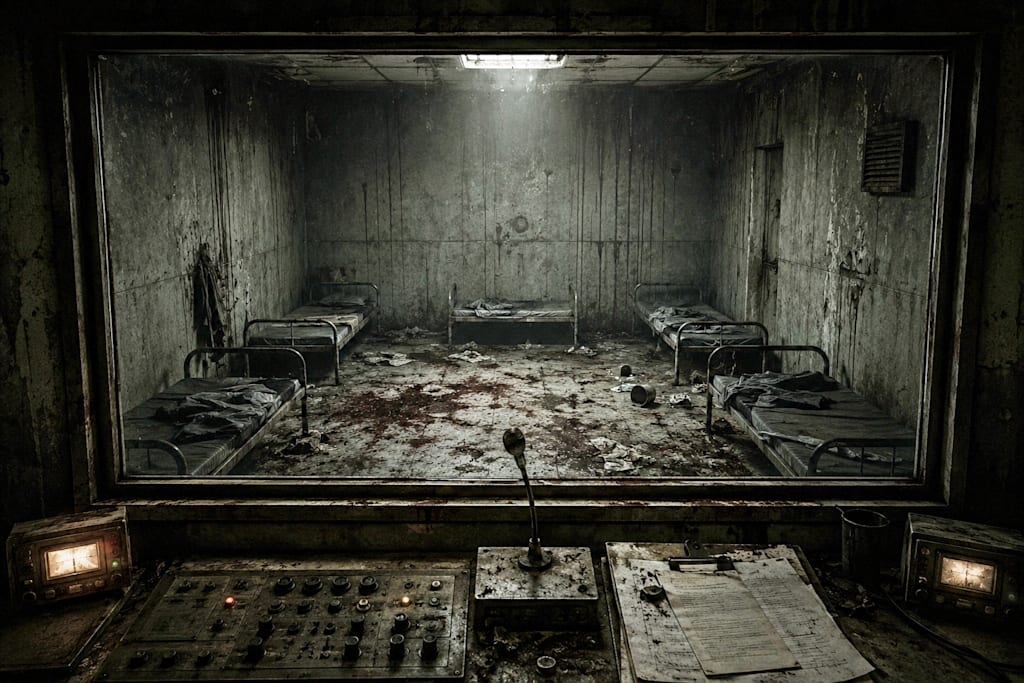
The Chamber The most unforgettable part of the legend is the chamber itself. Readers imagine the room in unbearable detail. Concrete walls stained black. Metal cots untouched for days. The smell of blood thickening the air. Microphones crackling with whispers. And somewhere inside that darkness, five men slowly losing what makes them human. The story describes one prisoner screaming continuously until his vocal cords rupture. Another calmly disemboweling himself while still alive. Others standing silently in corners, refusing to sleep. The horror works because it attacks something universal: Sleep. Every human being knows what exhaustion feels like. Everyone has experienced nights where reality becomes slippery after too little rest. The Russian Sleep Experiment takes that familiar fear and stretches it into grotesque insanity. What if the human brain contains something primal beneath consciousness? What if sleep is the only thing holding it back?
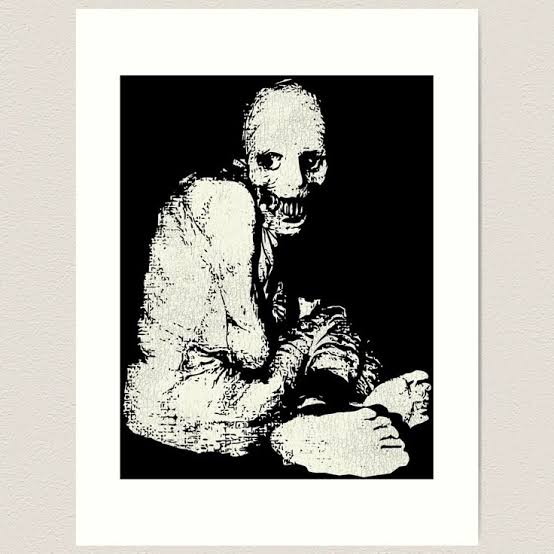
The Famous “Creature” Image One image became inseparable from the legend. A pale skeletal figure with bulging eyes and an impossibly twisted grin. For many readers, that image was the Russian Sleep Experiment. It looked like evidence. Proof. But investigators later discovered the image was actually a Halloween prop called “Spazm,” edited to appear more disturbing. That revelation somehow made the story creepier. Because it proved how easily context manipulates fear. A cheap prop became a “surviving subject” simply because the internet wanted it to be.
The Reality of Sleep Deprivation The Russian Sleep Experiment itself never happened. Fact-checkers and researchers have repeatedly debunked it. But real sleep deprivation is still horrifying. After prolonged periods without sleep, humans experience hallucinations, paranoia, emotional instability, memory collapse, and psychosis-like symptoms. The body begins malfunctioning. The brain loses its grip on reality. In rare disorders like fatal familial insomnia, patients eventually lose the ability to sleep entirely — and die. Reddit discussions surrounding the creepypasta frequently reference this real condition. That scientific truth gives the fictional story its claws. Because buried beneath the exaggeration is a real terror: The human mind is fragile. And sleep is not optional. It is survival.
Internet Horror Changed Forever Before the Russian Sleep Experiment, horror stories online were often cheesy chain messages or blurry ghost photos. This changed everything. It introduced a new kind of horror: “Leaked reality.” The story blurred fiction and history so effectively that it became one of the most influential creepypastas ever created. Its DNA can still be seen everywhere: • “Lost” government files • Secret experiment conspiracies • Analog horror series • Fake documentaries • Disturbing archival footage videos Modern internet horror now depends less on jump scares and more on plausibility. The Russian Sleep Experiment helped invent that formula.
Why It Still Terrifies People The legend survives because it taps into three primal fears simultaneously: • Fear of Isolation Five people trapped in a sealed chamber with no escape. • Fear of Losing Control The human mind unraveling piece by piece. • Fear That Monsters Are Human No demons. No ghosts. Just people. That last part matters most. The prisoners were not possessed. They were not cursed. According to the story, they simply stopped sleeping… …and revealed what humans become underneath civilization. That idea lingers in the mind long after the story ends.
The Final Line The most famous moment in the creepypasta occurs near the ending, when a surviving subject is asked what he is. His response became internet horror history: > “We are you.” Simple. Cold. Unforgettable. And maybe that explains why the Russian Sleep Experiment still haunts the internet more than a decade later. Not because people believe it happened. But because part of them fears it could.
About the Creator
E. hasan
An aspiring engineer who once wanted to be a writer .
Enjoyed the story? Support the Creator.
Subscribe for free to receive all their stories in your feed.
Comments
There are no comments for this story
Be the first to respond and start the conversation.