
The Legend of The White Lady of Bernstein Castle, Austria
The Weeping Voice at the Walls of Bernstein Castle


When we speak of old European castles, many picture tall turrets, weathered stone walls, and ghost stories passed down for hundreds of years. One enduring tale is the legend of The White Lady of Bernstein Castle — the story of Catharina, a young woman who became a symbol of sorrow, resentment, and, according to local belief, an omen of death.
According to the oral tradition, Catharina was a merchant’s daughter who lived at a time when Bernstein Castle remained the centre of noble power and trade. She entered into marriage with a man, yet her married life was far from happy. The story says her husband discovered she had been having an affair; consumed by rage, he murdered her. To conceal the crime, he secretly buried Catharina’s body beneath the castle walls without giving her a proper funeral according to custom.
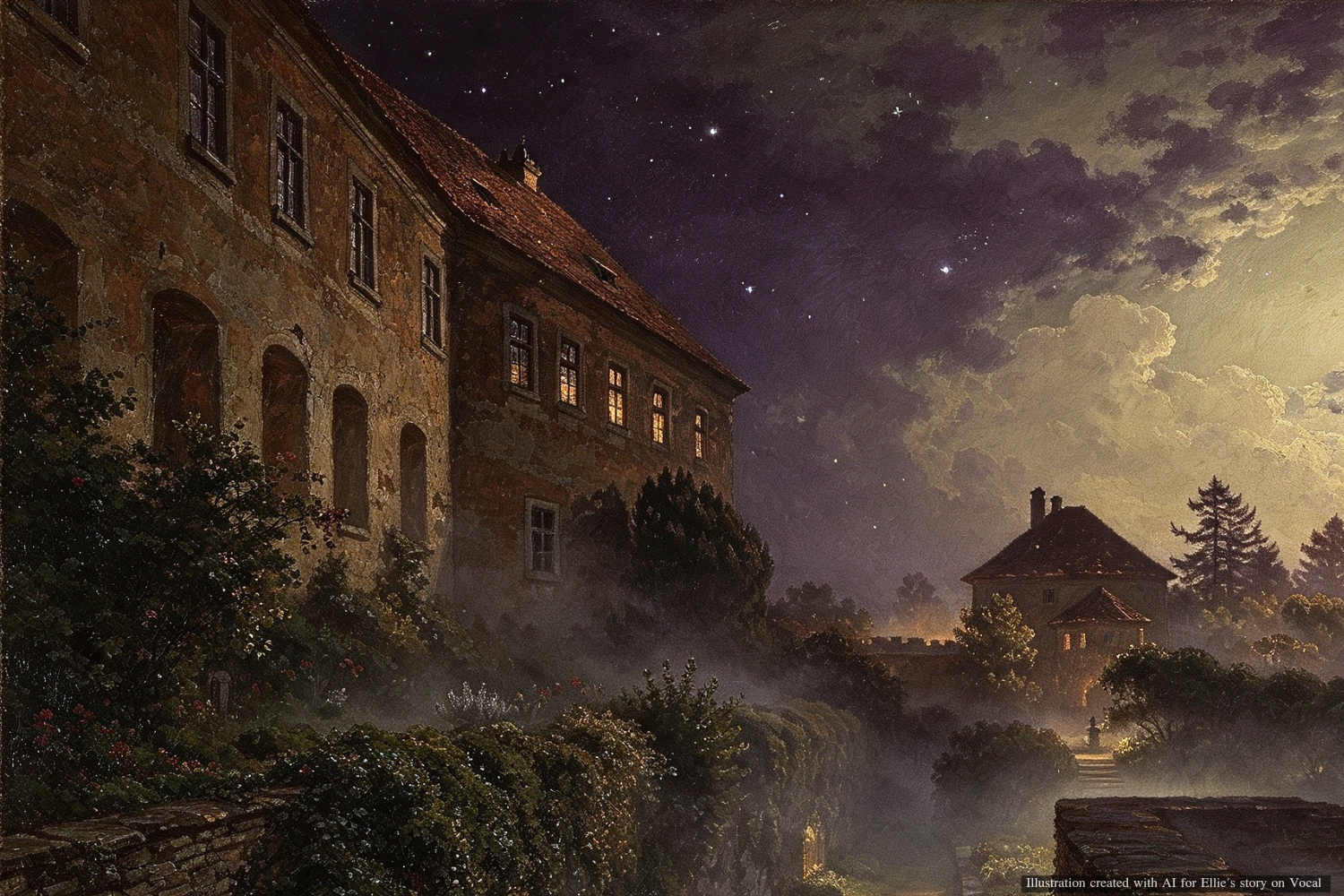
This marked the beginning of the legend that has been retold generation after generation. Ancient European folklore often holds that those who die full of resentment or are buried without being granted peace cannot pass on to the next world, but remain trapped forever at that place. For Catharina, the tale says she was abandoned beneath the castle walls without justice, without forgiveness, and without release — so her spirit still wanders Bernstein Castle to this day.
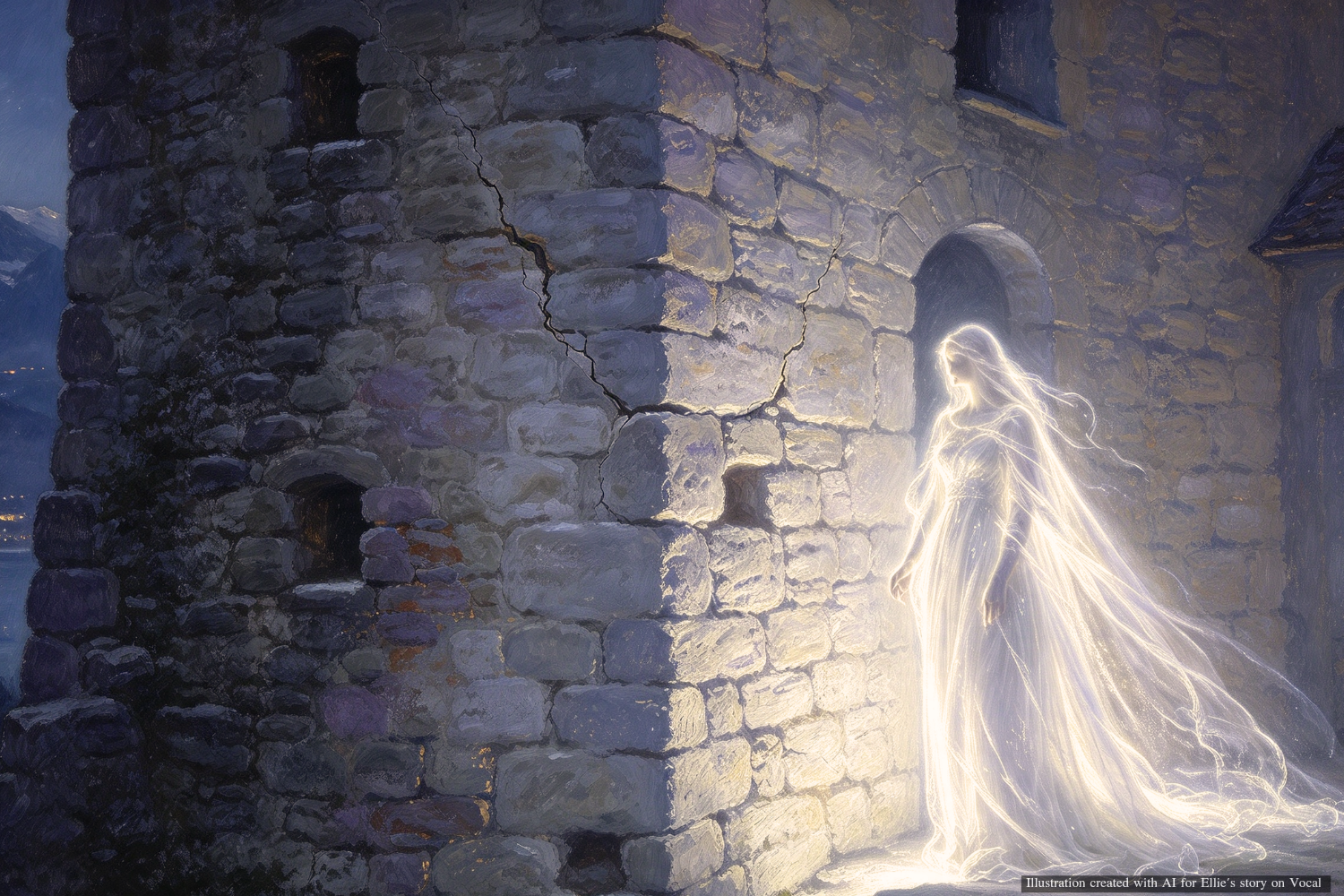
As for her appearances, old accounts tell that people once saw the figure of a woman dressed in white appear at night. She glided along corridors and through doorways; most chilling of all, legend says she could pass straight through the stone walls — as if the very wall that became her grave was no barrier to her spirit at all. Beyond sightings, there are repeated reports of people hearing weeping, groans, and mournful wails. These sounds were not violently loud; rather, they were hoarse and sorrowful, as though she were crying out for justice or lamenting her own fate.
What deepens the legend further is the belief that her appearance serves as an omen: that someone within the castle or a member of the castle’s noble family will soon die. The story does not say Catharina herself kills directly. Locals believe she is a “messenger of death” — as though this trapped spirit knows in advance that death is coming, and appears to warn those within the castle.
Looking back at the context of the era helps explain why such legends spread so widely. In ancient times, castles held countless secrets: struggles for power, betrayals, forbidden love, and hidden deaths. When someone died mysteriously or when successive deaths struck the noble house, locals would link those events to the restless spirit. So when people spotted a white figure gliding past or heard weeping at night, followed not long after by a death, it became proof in their minds that The White Lady had truly appeared.
Moreover, the colour white carries great meaning in European legend. White often symbolises purity, mourning, sorrow, and spirits denied peace. When people saw a woman in white within an old castle, they interpreted it as the spirit of one who died cruelly or was refused passage to peace. For Catharina, that white dress became her permanent symbol — so people called her The White Lady of Bernstein.
Nevertheless, it must be clearly emphasised that this is only a story passed down through generations; not every detail has been fully verified historically. While local records mention The White Lady of Bernstein Castle, the name Catharina, the cause of death, and the burial site have been filled in and altered over time from the earliest eras to the present. Historians believe this legend may be a fusion of many stories: real acts of cruelty within the castle mixed with ancient beliefs about spirits and retelling that deepened the mystery further with each passing year.
From a psychological perspective, we can understand why people continue to believe this tale. Old castles naturally have strange shadows, wind whistling through crevices, and wooden and stone structures creaking through the night. When people are already steeped in fear and old beliefs, they may interpret these sounds as the spirit appearing — especially when the legend already lives firmly in their minds, making it far easier to connect everything together.
Even today, Bernstein Castle may no longer be fully inhabited as it once was, yet the legend of The White Lady continues to circulate. Ghost‑story books, travel blogs, and legend‑telling videos still recount that those who visit the castle at night may hear weeping or spot a white figure gliding past. For those who view it historically, however, she is more a “spirit of memory” than an actual ghost — the memory of cruelty, injustice, and sorrow clinging permanently to that place.
Returning to Catharina: according to the legend she was more than merely “a ghost in a castle”. She became the symbol of those cast aside, those hidden beneath walls, and those denied justice in life. Even after hundreds of years, her story still stirs readers’ hearts — reminding us that in ancient times many women were silenced, hidden away, and forgotten until they became nothing more than legends retold from one generation to the next.
Another fascinating point is the belief that she appears before death; this is not always described as a vengeful rampage, but rather as a warning — as though she is saying, “The time draws near.” For people of the past this was terrifying indeed, for it meant no one could escape fate — not even the noble family who owned the castle.
To sum up: the legend of The White Lady of Bernstein Castle weaves together sorrow, resentment, beliefs about spirits, and fear of death. While we cannot confirm definitively that Catharina truly existed or that all the events unfolded exactly as told, the legend remains alive because it reflects universal human truths: love turning into rage, injustice hidden away, and memories that are never truly laid to rest.
For lovers of European legends, this is far more than an ordinary ghost story. It is a tale across time — the weeping voice from the past that still echoes along the stone walls of Bernstein Castle, Austria. It serves as a warning to all of us: that whatever is hidden away in the dark may, in the end, emerge into the light.
About the Creator
Ellie
I do not merely tell stories… but invite you to step into a world of feelings — a small realm filled with memories, imagination, and secrets.
[ My words are mine, not a robot’s! ]
_______________
IG: @Ellie.15111
Enjoyed the story? Support the Creator.
Subscribe for free to receive all their stories in your feed. You could also become a paid subscriber, letting them know you appreciate their work.
Comments
There are no comments for this story
Be the first to respond and start the conversation.