
The Legend of the Rusalka
The rusalka‑a water spirit who hides sorrow and danger behind a beautiful appearance.

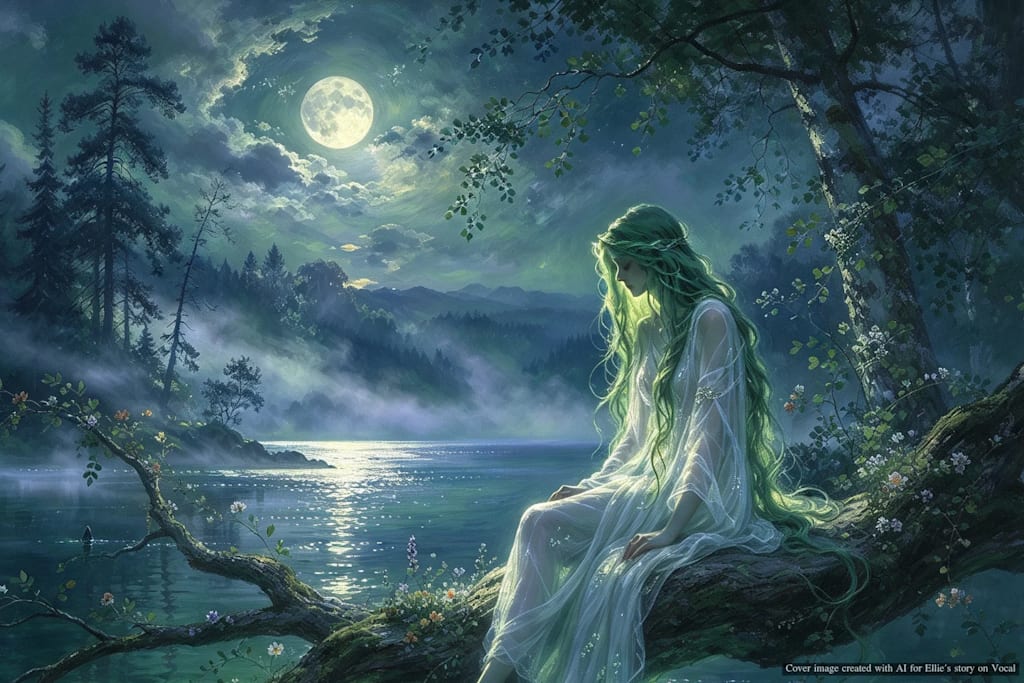
When summer evenings come to Slavic lands, and moonlight glides over the slow‑flowing river surface, soft singing drifts from the shore. It is not the song of a living person — but the call of the rusalka, a mysterious water spirit whose tale has spread across villages and forests for hundreds of years.
Old‑time stories do not describe the rusalka merely as a pretty mermaid like those in Western fairy‑tales. They say she is a spirit born of grief and death. According to ancient belief, rusalki are formed from the souls of women who drowned — whether by accident, pushed into the water, or by their own choice. Especially those who were unmarried, or who carried unresolved sorrow. At first, ancient people saw them as spirits linked to the land’s fertility, guardians of the water that nourished crops. But as time passed, tales shifted, and more stories spoke of their dangerous power.
If you walk along the riverbank on a full‑moon night, you may see a pale figure in the moonlight — long pale‑green or blonde hair brushing the water’s surface, thin white robes drifting like mist. She sits on branches stretching above the water, or glides across the surface without making a single ripple. Her song is sweet‑sounding, drawing passers‑by in, making hearts forget worry and danger. Village elders always warned their children: do not listen to the calls from the water’s edge after dark; do not go too close.
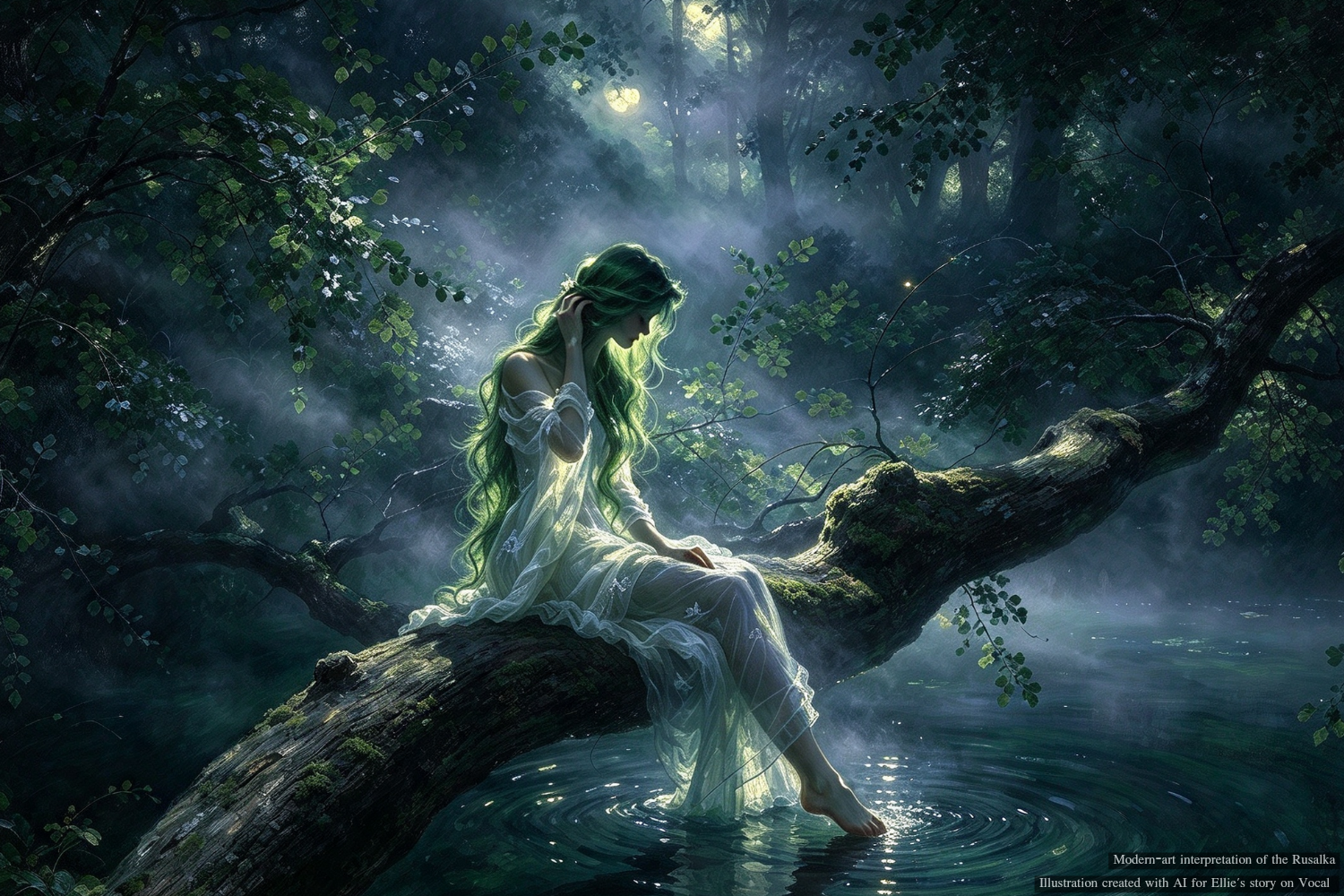
Yet not all old tales paint the rusalka as purely evil. In pre‑Christian folklore, they were part of nature spirits dwelling in rivers, lakes and marshes. During the Rusalka Week — from late spring to early summer — people held ceremonies to welcome them. They laid flowers, coloured threads and treats along the banks, asking the rusalki to keep the waters flowing well, bring timely rain and help crops grow strong. In those days, people believed rusalki could step onto land, run through meadows and weave flower garlands. Once the week was over, they would return beneath the water once more.
Still, a shadow lies behind that beauty. Tales say if a rusalka spots a young man or child walking alone by the shore, she may call their name or sing to draw them near. When they reach the water’s edge, she stretches out hands cold as ice, grips their wrists, and pulls them down into the dark depths — where there is no sunlight, no voice, and no return. Some stories add that she does not kill right away, but enchants them until they lose their wits, walking the shore every night until their bodies wear out and they die at last.
Old story‑tellers never agreed whether the rusalka is a spirit burning with anger at injustice, or simply a guardian of nature protecting her own lands. Some say she only longs for the life she lost — for voices and warmth of the living — and tries to call people to be companions in her dark underwater world.
As the moon climbs high and evening wind brushes the branches, if you hear faint singing drifting from the river — remember the old warning: do not turn to look, do not draw near. Just walk back toward light and voices, and leave the rusalka to her river’s quiet.
When Christianity spread through Slavic lands hundreds of years ago, views of the rusalka slowly began to shift — though people did not abandon old beliefs all at once. They simply wove the old tales together with new ideas, until the river‑spirit grew far more frightening than before.
In pre‑Christian times, people saw the rusalka as part of nature’s power — able to grant blessings or bring punishment, but not inherently evil. When religious teachers began explaining these spirits, however, they told that rusalki were souls of those who had died without absolution, without proper burial rites, and so had no place to rest in the afterlife — doomed to wander the riverbanks forever. Some accounts said they were lured by demons, sent to lead good people astray toward ruin.
Village stories grew darker still. Elders told that on dim moonlit nights, when mist drifts over the river, the rusalka does not merely sing her call — she walks ashore, leaving wet footprints that vanish as they touch the earth. She peeks through the windows of wooden village houses, sometimes calling the names of those sleeping inside. Some who hear her call wake in a daze and follow the sound down to the riverbank — never to return.
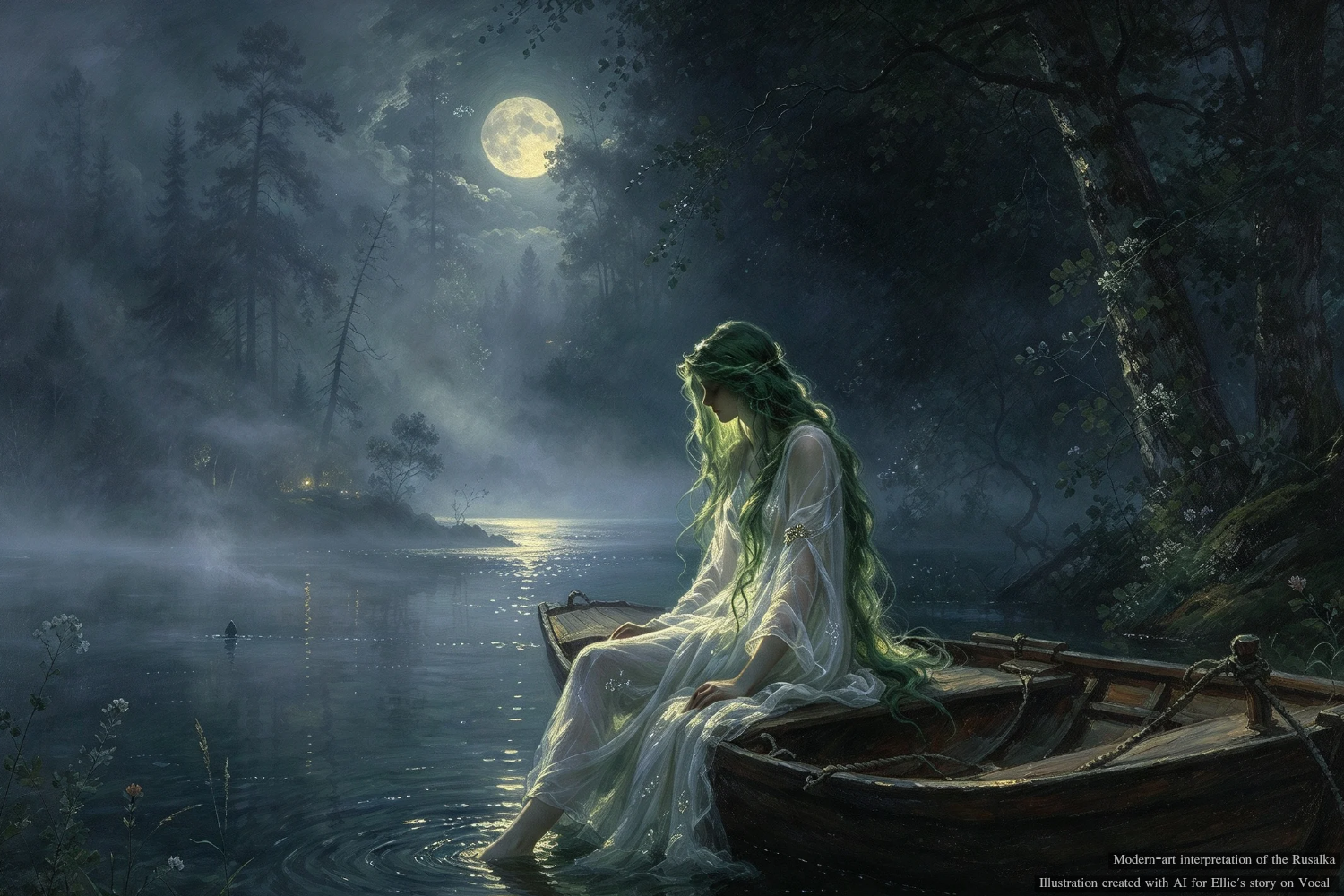
One tale passed down through generations tells of a young man from an old village who met a beautiful girl sitting on a waterside branch one night. She had long green hair falling over her shoulders and damp white robes. He had never seen her before, so he went to greet her. She turned toward him with pale, lusterless eyes, then sang a soft song that blurred his senses. She asked him to come closer to hear better. He took one step, then two, toward the water’s edge — and before he sensed danger, ice‑cold hands seized his wrist. A pull from beneath the surface dragged him swiftly down. The song faded away, leaving only the sound of water lapping the shore, as if nothing had happened at all.
There was also a belief that rusalki could wither crops or bring sickness to the village if people harmed the river — for example, by dumping waste or cutting down large trees along the banks where they dwelt. Rusalka Week, once a time of offerings and blessings, became a time when villagers would shut their doors and windows before dusk and never walk near the water after dark.
Though beliefs changed, one thing stayed the same — the sorrow woven into her story. Later story‑tellers began to say the rusalka meant no harm; she was only lonely, trapped between the living world and the world of the dead, never to be human again, never to know warmth. She calls out to others because she longs for companionship — even though that call brings danger to those who hear it.
When mist creeps along the shore at dusk, old‑time villagers always warned their children: if you hear faint song drifting from the river, do not look, do not answer — just walk back home and light a candle to ward off the gaze of the wandering water‑spirit.
As time passed, the legend of the rusalka spread to other Slavic lands — not only Russia, but also Ukraine, Belarus, and countries in south‑eastern Europe. Each region adapted the tale to fit its surroundings, creating many versions of this water‑spirit.
In Ukraine, they are also called rusalki, yet local stories often say they prefer dwelling in forests near rivers, running through meadows at night. Sometimes they tug at the hair of passers‑by or lead travellers astray in the woods so they cannot find their way home. By contrast, Belarusian tales usually tell that rusalki like hiding beneath old wooden bridges crossing rivers after dark — listening to travellers’ voices and calling their names to make them stop.
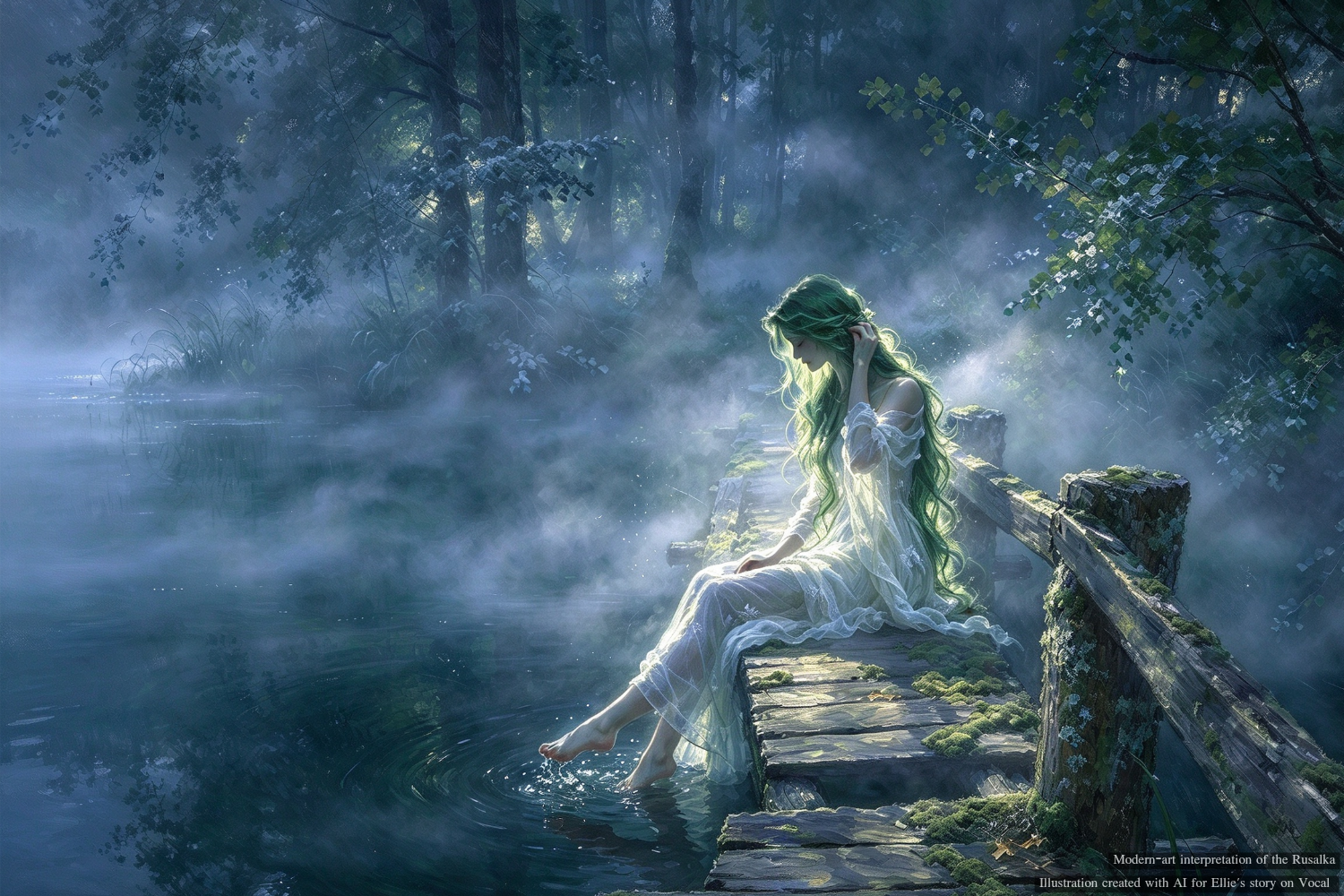
There are also separate accounts saying not all rusalki are girls who drowned. In some places, people believe they may be young women killed by the river‑bank — rejected in love or abandoned — turning into spirits full of resentment, waiting to avenge those who wronged them. Some stories add that if a young man once promised love to a girl then left her behind, he will be the first the rusalka seeks. On dim moonlit nights, she appears at his window, calling his name in a voice that sounds like an old beloved — until he wakes and follows her toward the river.
In villages along the Dnieper River, elders tell that long ago a young woman received a promise of love from a village youth — yet in the end he chose another girl instead. Overwhelmed by grief, she went to the river‑bank on a dim moonlit night and threw herself into the water.
According to their belief, those who die in sorrow and anger cannot pass on to the next world. Their spirits become rusalki, wandering along the shore and listening to people passing by.
On full‑moon nights, she sings or calls out to those who once hurt her, or to young men walking alone. If anyone falls under her spell and draws near the bank, she reaches out with cold hands, seizes them, and pulls them down into the deep.
Villagers have long warned one another: do not make promises of love lightly, and do not listen to songs drifting from the river after dark — for the water‑spirit remembers every wrong done to her forever.
Story‑tellers also explain that rusalki have several special powers: they can send mist over the land to make people lose their way, or hold back rain until crops wither. Yet they cannot travel far from the river. If one can run back toward places with fire and human voices, they might escape being hunted. Some tales also say they fear the sound of church bells ringing at dawn — when they hear it, they must return beneath the water at once.
Though there is a chance to escape, old‑time people still felt constant unease — for no‑one knew exactly where her power ended, or which night she would step ashore again to seek companions for her underwater world.
As the story of the rusalka passed down through generations, shifting with changes in faith, communities and eras, she became more than just a frightening water‑spirit. She turned into a reflection of ancient people’s thoughts — looking at the river that gave life, yet could also take it away. The river flows on without pause, never turning back, much like time itself, and like the lives of those who sank beneath its surface.
Today we can see that at first, the rusalka was a symbol of nature’s power — honoured and feared by old‑time folk. Later, as beliefs changed, she became a spirit of sorrow and regret. In later tales, she stands for memories that cannot be erased — broken promises, unfulfilled love, and lives cut short before their end.
Writers and artists of later centuries took the rusalka theme to create plays, music and paintings across Europe. One famous example is Dvořák’s opera Rusalka, which tells of a water‑spirit who falls in love with a human man and longs to become human to gain his love — only to meet a tragic end. Still, this opera version differs greatly from the original folk legend: in the old tales, the rusalka does not merely yearn for love — she also wields frightening power, and there is no way for her to be saved.
Though modern‑day towns no longer hold rituals to honour the rusalka, the whisper of the legend lingers on. If you visit river‑side villages in Russia or Ukraine, elders may still warn: do not walk along the bank on dim moonlit nights, do not listen to soft‑sounding songs drifting from the water. Some still say that on certain summer nights, when thick mist covers the river, a pale shape may be seen drifting through the dark — not an evil ghost set on killing everyone, but a lonely spirit searching for what she can never get back.
People often ask: is the rusalka real? For historians and researchers, she is only folk myth — born of fear of deep waters, lack of understanding of river dangers, and grief over lost loved ones. But for those who love mysterious tales, she still lives somewhere between reality and imagination — in the wind brushing through branches, in the water lapping the shore, and in the quiet of deserted evening hours.
When the moon hangs high above the river and mist begins to spread over its surface, remember: this legend warns not only of dangerous waters, but also of sorrow hidden behind alluring beauty. Sometimes every lovely thing holds a shadow within it — like the river, bright and clear under moonlight, yet hiding unknown depths beneath its surface.
Sometimes, on quiet nights, you may hear faint singing drifting from far away. If you hear it, do not follow, do not call back — simply turn toward the light, and leave the rusalka to wander her river forever.
About the Creator
Ellie
I do not merely tell stories… but invite you to step into a world of feelings — a small realm filled with memories, imagination, and secrets.
_______________
IG: @Ellie.15111
Enjoyed the story? Support the Creator.
Subscribe for free to receive all their stories in your feed. You could also become a paid subscriber, letting them know you appreciate their work.
Comments
There are no comments for this story
Be the first to respond and start the conversation.