
The legend of The Boogeyman
No fixed face, no fixed shape — only waiting in the dark for you to notice him.

Disclaimer: This is a compiled account of widespread folk legends from multiple cultures around the world. It is not a verified true‑life event nor an original fictional story.
When speaking of the creature grown‑ups across the globe have long used to warn children to behave, the name “The Boogeyman” is one almost everyone has heard of. Whether you are a child just beginning to understand spooky tales or an adult who still feels a shiver creep up your spine every time you glance into the dark space beneath a bed or the narrow gap behind a closet door, the Boogeyman legend is far more than a simple local ghost story. Passed down orally across continents and generations, it has become one of humanity’s most enduring tales of primal fear lurking within the dark unknown.
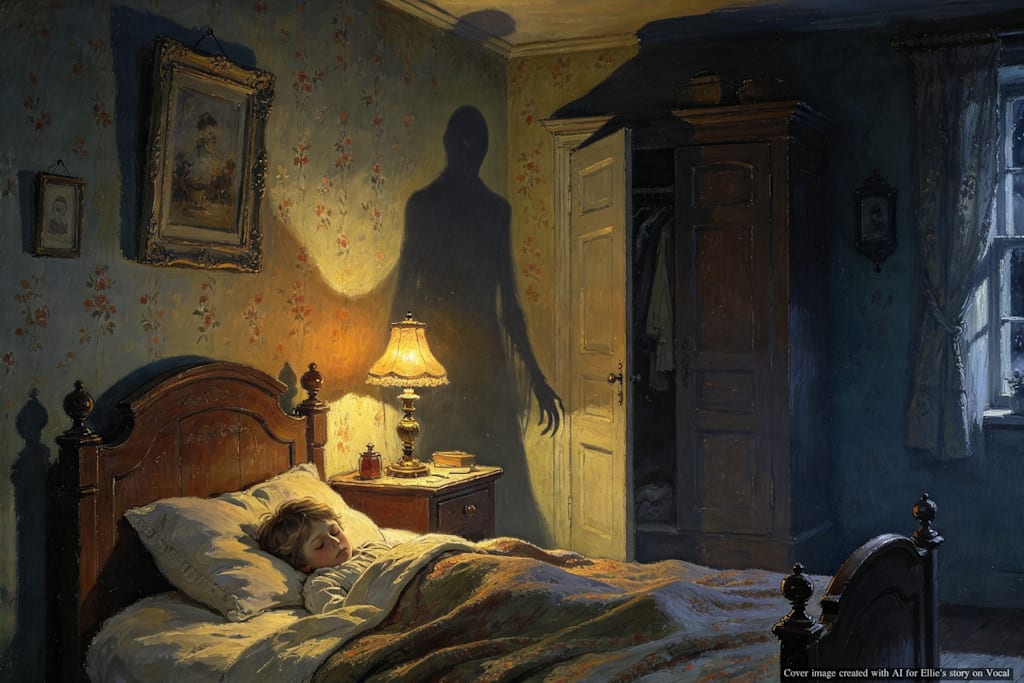
Many people wonder exactly what the Boogeyman looks like — whether it has piercing eyes, sharp jagged teeth, or a body entirely made of writhing shadow. According to collected folk accounts from countless regions, the Boogeyman has no fixed, permanent form. It shifts and changes, shaped by the very fear of the person who senses its presence. Some village legends describe it as a tall, lanky figure with unnaturally long, pointed fingers stretching out from the darkness. Others tell that it possesses no face at all, merely a moving mass of shadow. Many more accounts speak of glowing eyes peering silently out of the blackness, moving without making a single sound. Even when it creeps close beside you, you will hear no footsteps, no breath, no hint to warn you that it has already slipped inside your room.
The true origin of the word Boogeyman itself remains a mystery. Folklore researchers suggest the term draws roots from several older languages including German, Scottish, and Old English, each having their own names for shadowy monsters used to frighten misbehaving children, which gradually blended together into the widely‑recognised name we know today. Nearly every country also carries its own equivalent of the Boogeyman: figures from France, Germany, Russia, all the way through to Southeast Asian folk tales featuring similar shadow‑dwelling entities. This shared folk motif shows how the fear of something hiding in the dark is a primal instinct common to human beings everywhere.
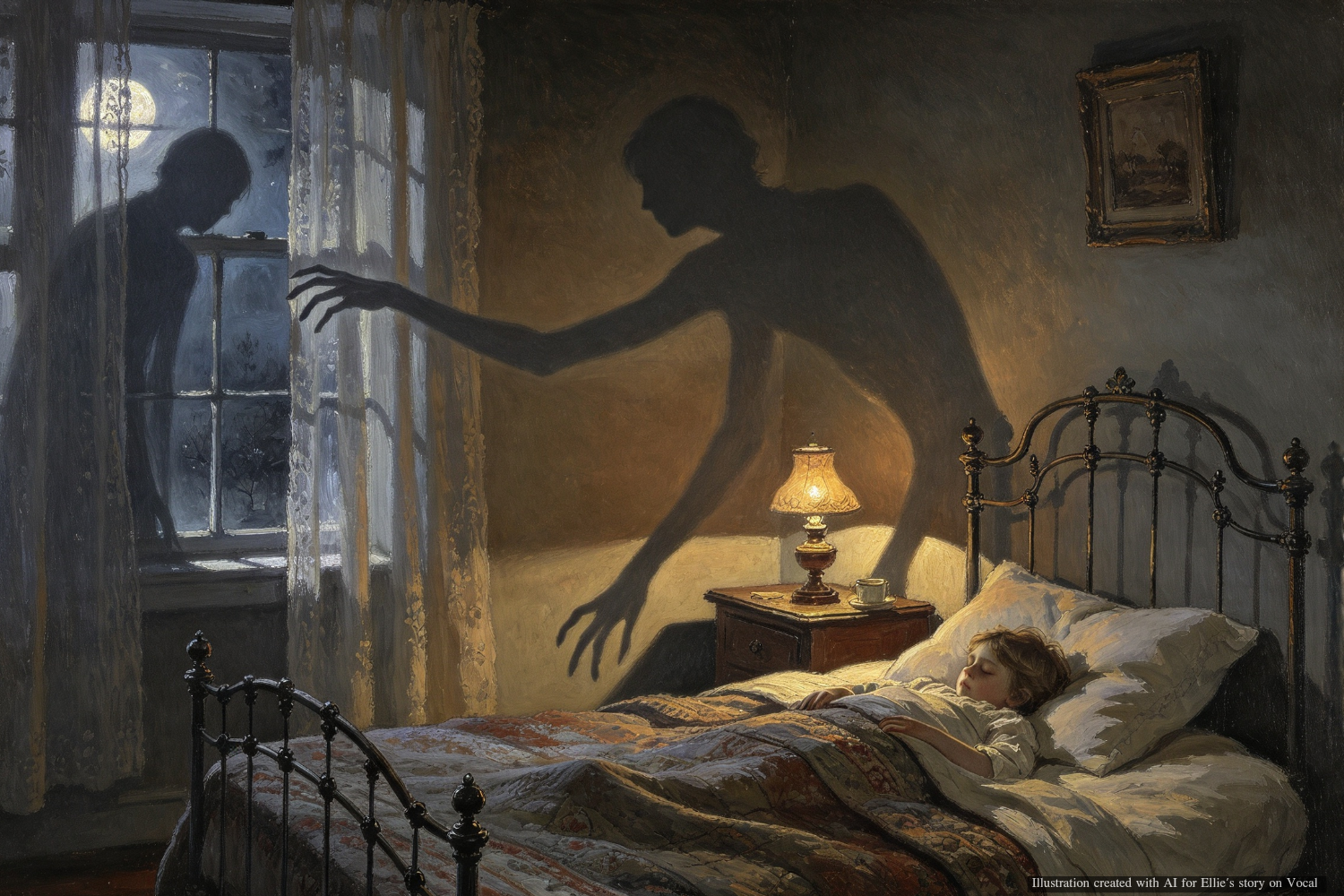
Traditional folklore recounts that the Boogeyman favours hiding spots familiar to every household: closets with ajar doors, shadowed spaces under beds untouched by lamplight, attics, cellars, and even narrow gaps beside bedroom windows. It does not randomly target anyone it pleases. Original folk lore states parents invoked the Boogeyman as a warning specifically for disobedient children — youngsters who ignored adult instructions, refused bedtime, or snuck around doing forbidden things after dark. Once a child misbehaved, the Boogeyman would watch patiently from the shadows, waiting for the room to turn fully dark and for the parents to fall asleep before slowly gliding toward the bed.
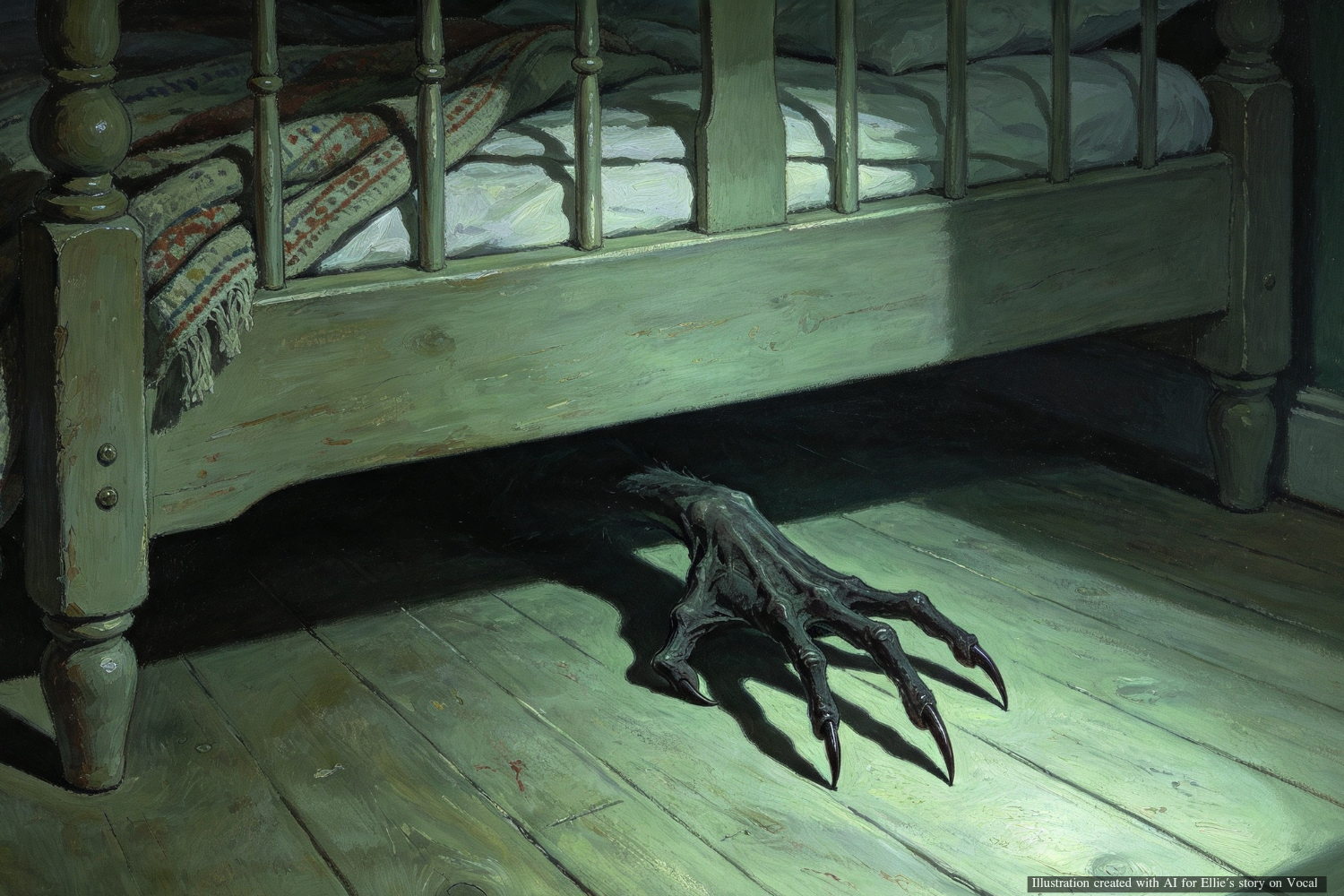
What makes the Boogeyman legend so terrifying is not just its frightening appearance, but the awful feeling that it stands within arm’s reach, yet you cannot clearly see it. Many old folk testimonies tell of children who sensed being watched in the middle of the night suddenly feeling the room turn icy cold. Even with air‑conditioning running normally and no wind blowing through open windows, a damp, chilling cold would radiate from the darkest corner of the bedroom. Some recalled hearing faint, unintelligible whispers that grew louder whenever they closed their eyes, only vanishing the instant they switched on the light and shone it toward that very spot.
Stories commonly say the Boogeyman almost never reveals its full form. It only shows fragmented glimpses: a flicker of shadow, the tip of a long finger, a pair of glinting eyes from the blackness, feeding on the victim’s mounting terror. Ancient folk belief claimed fear itself was the Boogeyman’s source of power — the more you thought about it, the more afraid you became, the easier it could draw nearer to you.
While many today dismiss the Boogeyman as merely a silly story for scaring children, even adults in older eras genuinely believed these tales. Back before widespread electric lighting, homes were lit only by candles and oil lamps, casting huge, distorted shadows all across the house. Every shifting silhouette in the darkness became a potential threat. Parents used the Boogeyman legend to teach their children caution: not to wander outside after dark, never to open doors for strangers, and always heed the warnings of their elders.
Over time, the Boogeyman myth has been adapted and reshaped for modern times. Most people nowadays recognise the Boogeyman from horror movies and entertainment, yet the core of the original folk legend remains intact: something unseen hiding within the shadows, watching you from the darkness. Even today, every time you climb out of bed late at night and glance nervously toward the closet or peer beneath your bed, you may feel that faint familiar twinge of dread, exactly like the children from the old folk tales.
Ultimately, the Boogeyman stands as a symbol of humanity’s deepest inner fears: fear of the unknown, fear of the dark, fear of things we cannot explain. Science has never found concrete, verifiable proof confirming the Boogeyman’s existence. Still, this timeless folk legend continues being retold generation after generation. The spine‑tingling unease it evokes still sends shivers down the spines of readers, reminding us all of that quiet, lingering dread waiting within the dark corners of our own bedrooms.
About the Creator
Ellie
I do not merely tell stories… but invite you to step into a world of feelings — a small realm filled with memories, imagination, and secrets.
[ My words are mine, not a robot’s! ]
_______________
IG: @Ellie.15111
Enjoyed the story? Support the Creator.
Subscribe for free to receive all their stories in your feed. You could also become a paid subscriber, letting them know you appreciate their work.
Comments
There are no comments for this story
Be the first to respond and start the conversation.