
The Legend of Friday the 13th: The Ominous Day That Terrifies the Whole World – Is It Real or Just a Story?
Fact or folklore? Uncover the dark history behind Friday the 13th.

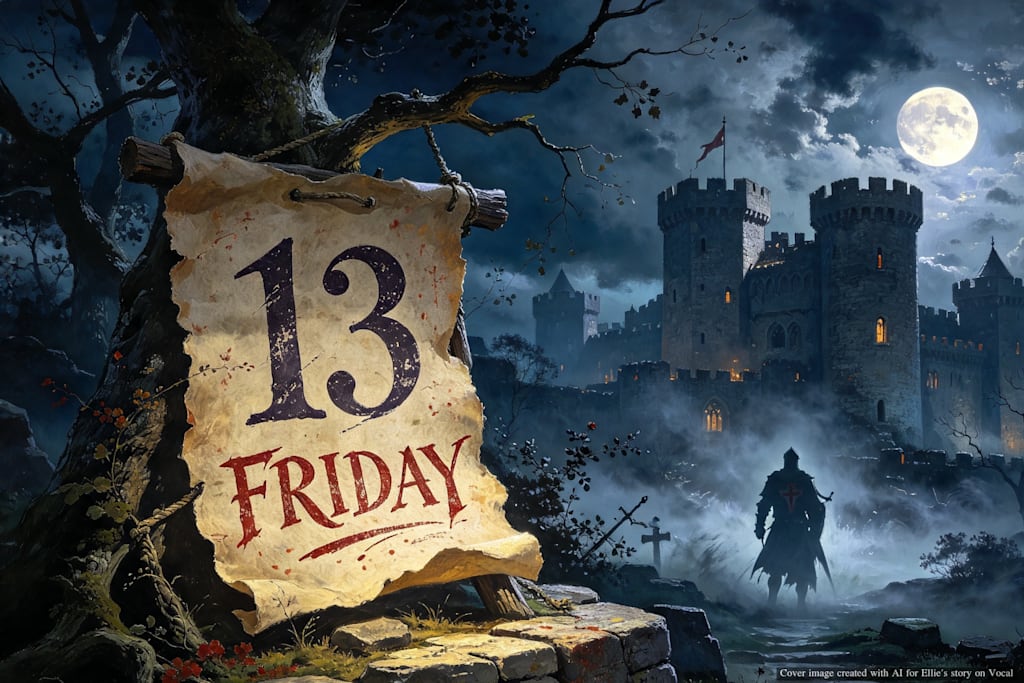
Understanding Friday the 13th and Its Very Own Named Phobia
Have you ever felt that uneasy, prickly feeling the moment you realise the calendar shows a Friday falling on the 13th of the month? Many people immediately shift important appointments, reschedule surgeries, avoid long‑distance travel, and some even refuse to step foot outside their homes on that exact day. This is not just ordinary nervousness; this specific fear carries its own official name — Friggatriskaidekaphobia, the phobia of Friday landing on the thirteenth day.
This terror has been creeping through human minds for hundreds of years. It was not created overnight, but built layer upon layer from shadowy folktales, ancient beliefs, recorded tragic events, woven together into a legend that haunts people across the globe. Even though modern statistics and scientific studies confirm there is no proven higher rate of accidents or disasters on this day, countless people still refuse to take the risk.
You can see traces of this dread everywhere: buildings skipping the 13th floor, apartment blocks leaving out unit number 13, airlines avoiding flight numbers containing the number thirteen. All of these small choices show the long, lingering shadow of Friday the 13th hanging over our society right up to the present day.
The Origin of Fear for the Number 13 from Norse Mythology
Before the full legend of Friday the 13th existed, we must go back to where the fear of number 13 first began, rooted deep within old Norse mythology. The tale tells of a grand feast held inside Valhalla, the sacred hall of the gods. Exactly twelve deities had received formal invitations to join the celebration.
The number twelve was seen as the symbol of perfect order: twelve months of the year, twelve zodiac signs, twelve Olympian gods. Everything felt balanced and complete. Then Loki, the god of trickery and chaos, slipped in unannounced as the unwanted thirteenth guest. Hidden among the peaceful gathering, he used his deceit to manipulate the others, leading to the death of Baldr, the god of light, joy, and peace.
When Baldr died, darkness spilled over the entire world, grief spread across every corner, marking the beginning of ruin in Norse lore. This story planted the ancient belief that adding the thirteenth into the perfect set of twelve would always bring imbalance, misfortune, and destruction.
Another Piece of the Legend: The Last Supper
Beyond Norse mythology, religious beliefs across Europe further strengthened the idea that thirteen was an ominous number. The story of the Last Supper tells of Jesus dining together with his twelve disciples, making a total of thirteen people seated at the table — and one among them was Judas, the one who betrayed Jesus.
Later generations interpreted this count of thirteen at the supper table as a symbol of betrayal, suffering, and death. Back in those early times people still had not yet linked this number specifically to Friday, yet the seed of terror — the conviction that thirteen brought bad luck — kept spreading further and further across Europe.
Why Friday Alone Was Already Feared Long Before It Combined With the 13th
While the fear of number 13 was spreading, there existed a separate, older superstition that cast Friday itself as an unsettling, ill‑omened day. Religious folklore passed down for centuries claimed Friday was the day Eve gave Adam the forbidden fruit in the Garden of Eden, the day sin first entered humanity. It was also the day Jesus was crucified.
European fishermen avoided setting sail on Fridays, terrified storms would sink their vessels down into the dark depths of the sea. Other workers hesitated to start new projects or set off on long journeys on Fridays, as though some unseen, menacing presence was watching and waiting for something terrible to unfold.
Crucially, during the Middle Ages these two fears stayed completely separate. People feared thirteen on its own; people avoided Friday on its own. There was still no full legend warning that Friday plus the thirteenth day together created something far more dangerous. The moment these two terrors merged came with the real‑life historical event of the Knights Templar.
The Historic Turning Point: Friday the 13th of October 1307, the Knights Templar Massacre
This is a verified historical event, not mere fiction. On Friday, 13 October 1307, King Philip IV of France sent out secret orders across the whole kingdom for the immediate arrest of every single Knight Templar, with zero advance warning.
The Knights Templar were immensely powerful, wealthy, with properties scattered all over Europe. Their roles included protecting religious pilgrims and acting much like an early‑day bank. King Philip owed them enormous sums of money and craved to seize their riches for himself, so he manufactured serious accusations against the order.
Hundreds of Templars were seized suddenly, tortured into forced confessions, and executed brutally. According to the surviving legend, before the grand master breathed his last, he cursed King Philip and the Pope, swearing they would face divine punishment and perish within the year. And as the story was told onward, both the king and the Pope did die within that predicted timeframe. This chilling tale permanently fused Friday the 13th with catastrophe, ruin, and a real, spoken curse.
How the Legend Spread Worldwide, Amplified by Old Media
Even though the Templar tragedy happened in 1307, historians confirm the complete popular myth of Friday the 13th as a universally cursed day did not become famous straight away. The story was retold generation after generation, with more frightening details slowly added, until it exploded into mainstream awareness between the 19th and 20th centuries. Newspapers, books, and media outlets carried the tale across the world, cementing it as the famous legend we know today.
Many disasters and accidents happened to fall on Friday the 13th by coincidence, making people more convinced the centuries‑old curse was still haunting humanity. Psychologists call this confirmation bias: we vividly remember bad events occurring on Friday the 13th while easily overlooking all the terrible incidents that take place on every other day of the week.
Facts From Scientists and Statisticians
Scientists and statisticians have run countless studies checking whether Friday the 13th truly holds higher rates of accidents, fatalities, or disasters. Almost all research shows there is no statistically significant difference at all. Friday the 13th is simply another ordinary day on the calendar.
Still, the anxiety felt by people living with Friggatriskaidekaphobia is very real. Extreme stress and nervousness triggered by the phobia can cause people to become careless and make mistakes, creating the illusion that more misfortunes happen on that particular day.
Final Thoughts: The Legend of Friday the 13th That Still Haunts Us Today
At its core, the legend of Friday the 13th is a fusion of Norse mythology, ancient religious superstition, the true Knights Templar historical tragedy, and basic human psychology, passed down for hundreds of years into the haunting story recognised across the globe.
Whether you believe the curse is genuine or just an old superstition, one fact remains certain: Friday the 13th stands as one of the most spine‑tingling, fascinating legends humanity has ever created, still talked about to this very day. Every time the calendar flips to reveal tomorrow will be Friday the 13th, many of us cannot shake that creeping feeling that something unseen is watching us from the shadows.
About the Creator
Ellie
I do not merely tell stories… but invite you to step into a world of feelings — a small realm filled with memories, imagination, and secrets.
[ My words are mine, not a robot’s! ]
_______________
IG: @Ellie.15111
Enjoyed the story? Support the Creator.
Subscribe for free to receive all their stories in your feed. You could also become a paid subscriber, letting them know you appreciate their work.
Comments
There are no comments for this story
Be the first to respond and start the conversation.