
The Horrors of Motherhood
'Nesting' Dives Deep into Postpartum Depression

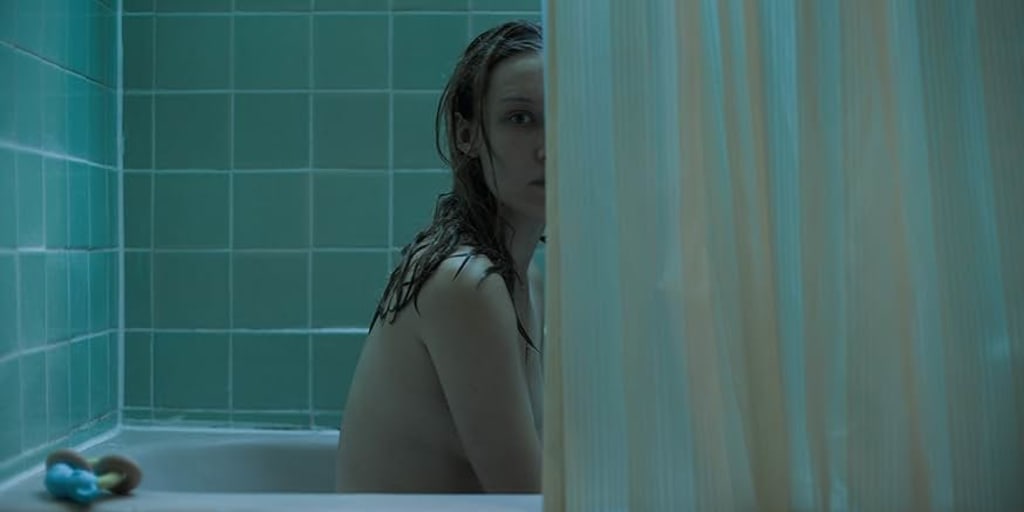
There is a suffocating sense of dread running through Nesting, the remarkable debut feature from filmmaker Chloé Cinq-Mars, that makes the film feel less like a traditional psychological thriller and more like a waking nightmare slowly swallowing its protagonist whole. Arriving on streaming platforms May 29, the film is an unsettling, emotionally bruising descent into postpartum terror that lingers under the skin long after it ends.
While many modern horror films rely on supernatural mythology or graphic violence, Nesting finds something far more terrifying in emotional collapse, fractured identity, and relentless exhaustion. It transforms ordinary domestic spaces into claustrophobic chambers of paranoia and dread, proving that the scariest monsters are sometimes born from isolation and untreated trauma.
At the center of the film is an extraordinary performance from Rose-Marie Perreault as Pénélope, a new mother struggling to hold herself together following the traumatic birth of her child. Sleepless nights, physical pain, and emotional alienation slowly begin eroding her sense of reality until hallucination and memory become impossible to separate from truth.
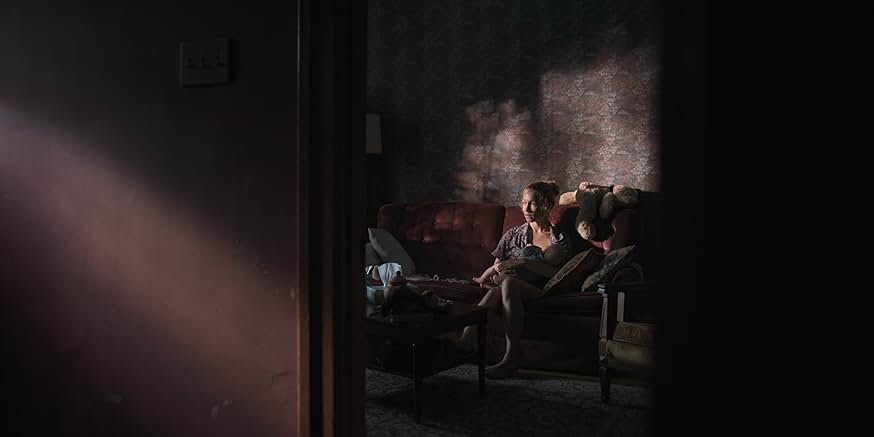
Perreault’s performance is fearless in every sense of the word. She never softens Pénélope’s unraveling for audience comfort, allowing the character’s fear, rage, confusion, and desperation to exist in brutally raw form. It is a performance that demands viewers sit with discomfort rather than escape from it. Even in her darkest moments, however, Pénélope remains deeply human - and that emotional honesty makes the horror cut even deeper.
What elevates Nesting beyond a standard psychological thriller is Cinq-Mars’ masterful command of atmosphere. The film weaponizes repetition, silence, and sensory distortion with unnerving precision. Crying babies echo like alarms from another dimension. Shadows stretch unnaturally across cramped rooms. Everyday sounds become oppressive. Time loops and fractures in disorienting ways, trapping viewers inside the same exhausted mental spiral consuming Pénélope.
The film’s editing style is particularly effective in generating anxiety. Scenes repeat with slight variations, creating uncertainty about what is real and what may exist only inside Pénélope’s deteriorating psyche. Sleep deprivation becomes its own kind of monster, turning ordinary moments into terrifying experiences. One minute the film feels grounded in domestic realism; the next it slips into surreal horror imagery without warning.
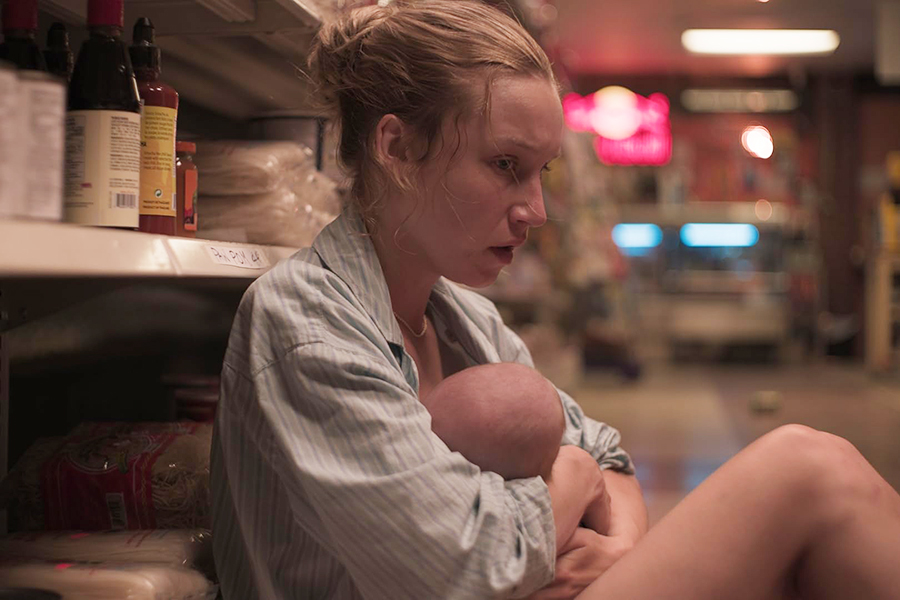
Cinq-Mars also demonstrates remarkable restraint. Rather than overwhelming the audience with jump scares, she allows tension to simmer slowly beneath every interaction. The terror comes from anticipation - the creeping realization that something inside Pénélope is breaking apart while no one around her fully sees it happening.
The film’s visual language intensifies this unease. Stark lighting contrasts, distorted color palettes, and dreamlike compositions create an increasingly unstable world where reality itself feels infected. There are moments in Nesting that evoke the psychological horror of classics like Repulsion and The Babadook, yet the film never feels derivative. Its perspective is distinctly its own.
What makes the horror especially effective is how deeply personal it feels. Cinq-Mars has explained that the story emerged from her own traumatic postpartum experiences, and that authenticity permeates every frame. The film understands the terrifying emotional isolation that can accompany motherhood, especially when society pressures women to present joy while suffering silently underneath.
As memories involving Pénélope’s sister Charlotte begin resurfacing, the film takes on an even darker psychological dimension. Trauma bleeds across timelines, guilt infects every interaction, and the boundaries between protector and threat become increasingly blurred. These elements add emotional depth without ever diminishing the film’s relentless tension.
Supporting performances from Simon Landry-Desy, Saladin Dellers, and Marie Bélanger help ground the increasingly surreal narrative, though the film remains firmly locked within Pénélope’s destabilized perspective.
The movie has already earned acclaim at genre festivals including Fantastic Fest, Brooklyn Horror Film Festival, and Fantasia International Film Festival, where Cinq-Mars won the Northern Excellence Award for Best Canadian Filmmaker. The praise is well deserved.
Distributed by Breaking Glass Pictures, Nesting succeeds not only as horror, but as a devastating portrait of mental collapse hidden beneath the expectations of motherhood.
About the Creator
Enjoyed the story? Support the Creator.
Subscribe for free to receive all their stories in your feed.
Comments
There are no comments for this story
Be the first to respond and start the conversation.