
The Coffins That Saved People Buried Alive
There is something deeply unsettling about silence underground.

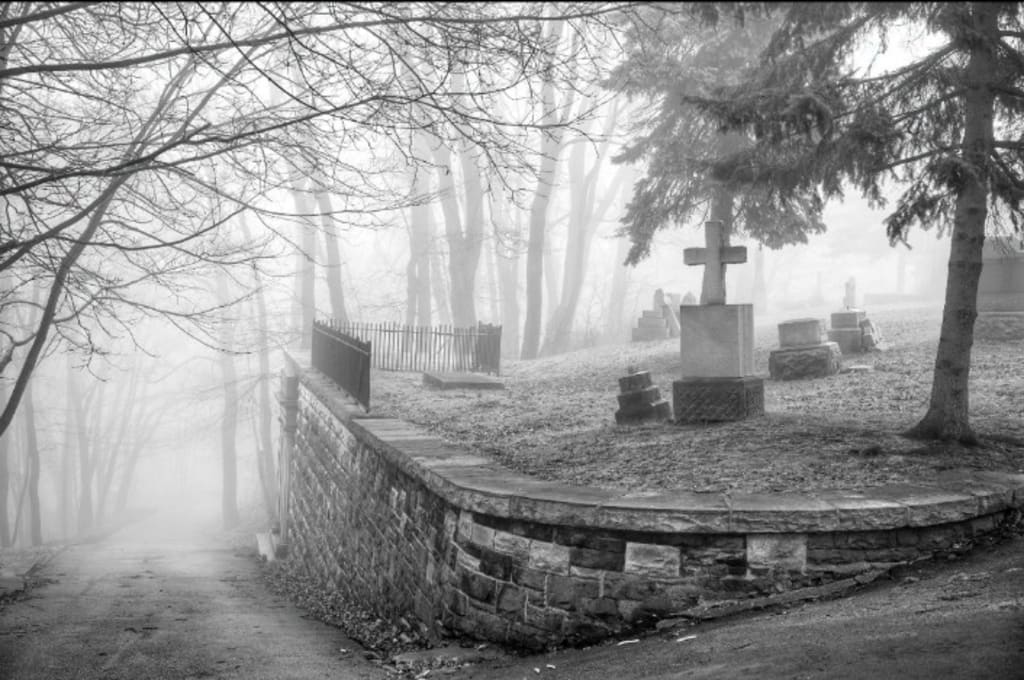
Not the peaceful kind of silence people often associate with death, but a heavier silence the kind that belongs to isolation. The kind where no one can hear you, no matter how loudly you scream. For centuries, humanity feared death. Yet strangely, death itself was not always the greatest terror. For many people living in the 18th and 19th centuries, the real nightmare was waking up after being declared dead. Imagine opening your eyes in complete darkness. The air is thin. Your body can barely move. Above you rests the crushing weight of earth, stone, and wood. Panic arrives all at once as your fingers touch the inside of a coffin lid. You were buried alive. The fear became so widespread that inventors across Europe began designing special “safety coffins” strange devices created with one purpose alone: rescuing people who awakened beneath the ground. And perhaps the most haunting part of all this is that the fear was not entirely irrational. In the modern world, death is confirmed by machines, monitors, and medical expertise. But centuries ago, medicine lived in uncertainty. Doctors often relied on simple observations: breathing, pulse, body temperature, or the appearance of the eyes. Unfortunately, the human body can be deceptive. Certain illnesses could slow breathing so dramatically that a living person appeared dead. Conditions like cholera, catalepsy, paralysis, and deep comas sometimes left patients motionless for hours or even days. During epidemics, fear spread quickly through overcrowded towns, and burials often happened rapidly to prevent disease from spreading further. There were stories whispered across villages and printed inside newspapers about coffins discovered with scratch marks on the inside. Some claimed bodies were found twisted into unnatural positions, as though they had awakened in terror beneath the soil. Whether every story was true hardly mattered anymore. Fear has never required certainty to grow. And by the 1800s, the fear of premature burial had become an obsession throughout parts of Europe and America That fear inspired invention. The first safety coffins were strange, complicated, and oddly tragic in design. Some included breathing tubes extending above the surface so fresh air could reach the buried person. Others had small glass windows positioned over the face, allowing loved ones to inspect the body after burial. But the most famous designs involved bells. A string would be tied around the hand, finger, or wrist of the deceased before burial. The string extended upward through the grave and connected to a bell mounted above ground. If the buried person moved, the bell would ring. The image itself feels almost unreal — lonely cemetery bells trembling in the middle of the night while a terrified person waited below. Some inventors expanded the idea even further. One German design reportedly included air pipes, signaling flags, and locks that could be opened from inside the coffin itself. Another contained emergency food and water supplies. These inventions seem bizarre today, almost theatrical in their desperation. Yet they reveal something deeply human: people wanted reassurance against the unknown. They wanted one final chance. The fear of being buried alive slowly entered culture itself. Writers, poets, and philosophers became fascinated with the idea. Gothic literature filled shelves with stories of darkness, confinement, and mistaken death. Among the most famous authors obsessed with premature burial was Edgar Allan Poe, whose unsettling tales amplified public anxiety even further. Poe understood something timeless about fear. The terror of premature burial is not simply about death. It is about helplessness. About losing your voice. About existing in a place where no one can reach you anymore. Perhaps that is why the idea still disturbs us today. Even now, centuries later, the thought of waking beneath the earth remains one of humanity’s most horrifying nightmares. Surprisingly, historians debate how often premature burial truly happened. Many believe the panic became larger than reality itself. Newspapers in the 19th century often exaggerated frightening stories because fear attracted readers, much like shocking headlines do today. Even the famous safety bells created problems. Wind, rain, shifting soil, or animals could accidentally trigger them. Some cemetery workers reportedly became frustrated by constant false alarms echoing through graveyards at night. Yet despite their flaws, safety coffins served an important psychological purpose. They gave people comfort in a time when science could not always provide certainty. And in an unusual way, this widespread fear may have improved medicine itself. As concerns about premature burial spread, doctors began developing stricter methods for confirming death. Waiting periods before funerals became more common in some places. Mortuaries evolved. Medical observation improved. Fear pushed society toward caution. Sometimes I think what makes these coffins so haunting is not their strange design, but what they reveal about humanity itself. We fear being forgotten. We fear silence. And perhaps more than death, we fear the possibility that our final moments could pass unheard beneath the weight of the world above us. Somewhere in old cemeteries, beneath cracked stone and fading names, there may still be forgotten safety coffins resting in the dark. Their bells silent now. Their ropes decayed by time. Small reminders of an era when people feared death less than the possibility of waking up after it.
About the Creator
Jack Nod
Real stories with heart and fire—meant to inspire, heal, and awaken. If it moves you, read it. If it lifts you, share it. Tips and pledges fuel the journey. Follow for more truth, growth, and power. ✍️🔥✨
Enjoyed the story? Support the Creator.
Subscribe for free to receive all their stories in your feed.
Comments
There are no comments for this story
Be the first to respond and start the conversation.