
The Black Monk of Pontefract: Inside Britain’s Most Violent Haunting
There are haunted houses… and then there is 30 East Drive.

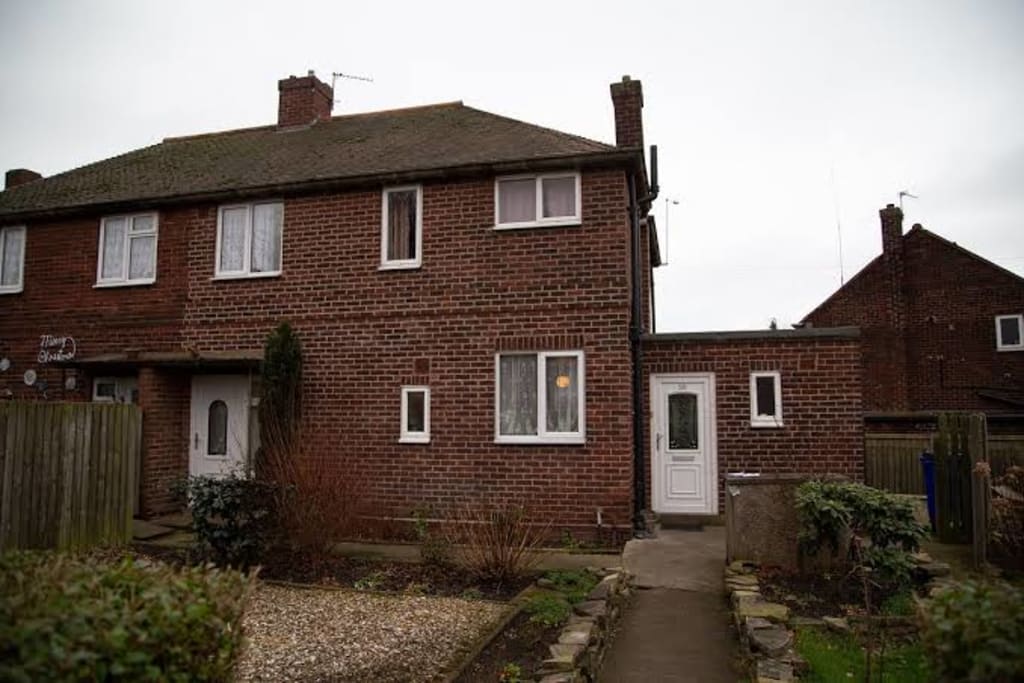
A quiet council home in Pontefract, West Yorkshire, where a normal working-class family claimed they were hunted, beaten, strangled, and psychologically destroyed by something they could never fully see. Neighbors heard the screams. Police officers witnessed objects move on their own. Relatives fled the house in terror. And one night, a teenage girl was allegedly dragged upstairs by her throat by an invisible force. To this day, many paranormal investigators still call the case of the The Black Monk of Pontefract Haunting the most violent poltergeist haunting in British history.
The House on East Drive In 1966, Joe and Jean Pritchard moved with their children, Philip and Diane, into a modest semi-detached house at 30 East Drive in Pontefract, England. It looked painfully ordinary. A simple post-war home built for working families. Narrow staircase. Small bedrooms. Thin walls. Nothing about the house suggested horror. But according to the Pritchard family, the nightmare began almost immediately. At first, the disturbances seemed minor. Cold drafts drifted through sealed rooms during the middle of summer. White powder appeared in midair and floated to the floor like ash. Puddles of water formed mysteriously in the kitchen with no leaking pipes or visible source. Then the noises started. Heavy footsteps above empty rooms. Violent banging inside the walls. Doors slamming in the middle of the night. The family initially laughed it off. They even gave the unseen entity a mocking nickname: “Mr. Nobody.” That joke would not last long.
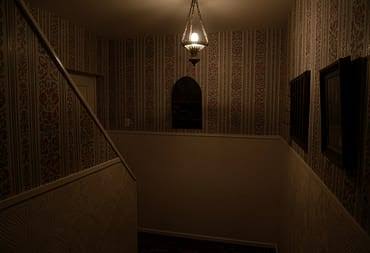
When the House Turned Violent The haunting escalated with terrifying speed. Furniture moved by itself. Objects flew across rooms. Pictures were ripped from walls and slashed apart. One witness claimed household items launched through the air “as though thrown by an invisible hand.” But the entity seemed especially focused on one person: Diane Pritchard. The youngest child in the home. According to multiple retellings of the case, Diane became the center of the attacks. She reported waking to find her mattress flipped over onto her body. Heavy furniture allegedly pinned her against walls. Strange scratches and red marks appeared on her neck and skin. Then came the incident that transformed a local ghost story into national horror folklore. One evening, family members claimed Diane suddenly began screaming upstairs. They rushed toward the staircase. What they allegedly saw would haunt them for decades. Diane was being dragged upward by her throat. No visible attacker. No ropes. No explanation. Just a terrified teenage girl clawing at her neck as something unseen pulled her violently toward the upper floor. Witnesses later claimed red marks appeared around her throat afterward. Some accounts even describe cross-shaped wounds being burned or branded into her skin. Whether supernatural or psychological, the trauma on the family was devastating. Sleep became impossible. Lights flickered constantly. The air inside the house reportedly carried foul odors resembling rot or decay. And sometimes, the family claimed they saw it. Watching.
The Figure in Black As the haunting intensified, witnesses began describing a tall shadowy figure moving silently through the house. A black-robed monk. Its face hidden beneath darkness. Standing in corners. Watching from doorways. Appearing at the foot of Diane’s bed late at night. The figure became known as “The Black Monk.” According to local legends, the land near the house may once have been associated with a medieval monastery. Some paranormal investigators later connected the haunting to stories of a Cluniac monk accused of assaulting and murdering a young girl centuries earlier. There is no confirmed historical evidence proving that story. But once the rumor spread through Pontefract, fear surrounding the house exploded. Neighbors avoided the property. Curious crowds gathered outside. And investigators started arriving.
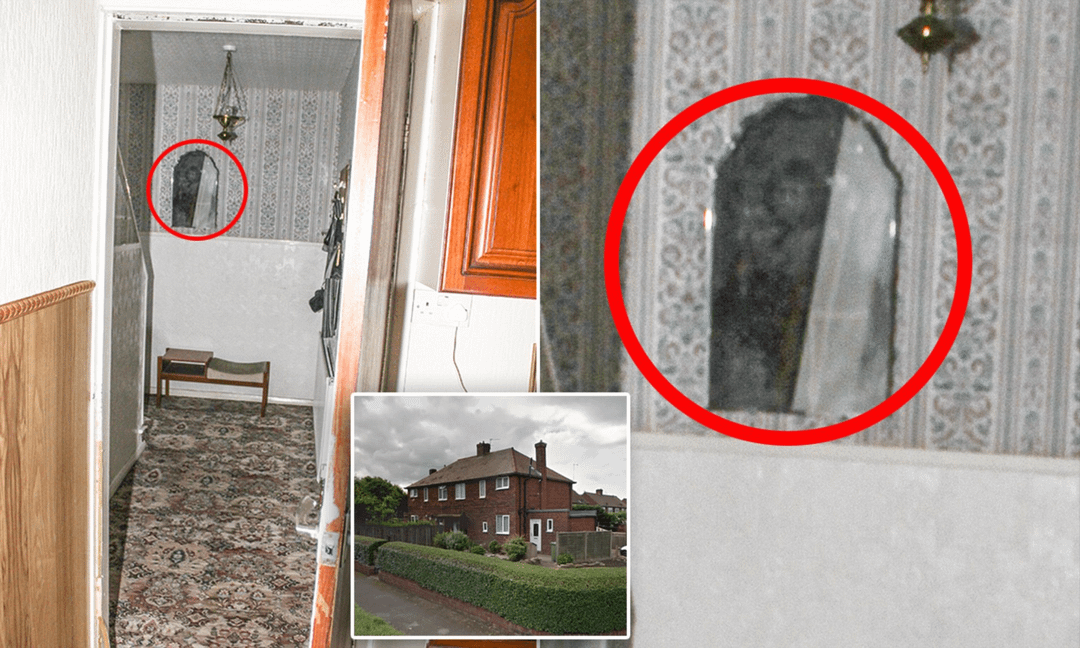
Witnesses Who Couldn’t Explain It One reason the Pontefract haunting became so infamous was the sheer number of alleged witnesses. Relatives, neighbors, clergy members, journalists, and police officers reportedly entered the house during the disturbances. Some claimed to witness furniture moving, unexplained knocking sounds, or objects thrown across rooms. Unlike many paranormal stories centered around a single unreliable narrator, the Black Monk case spread because dozens of people claimed to experience something disturbing inside 30 East Drive. Even skeptics struggled to explain everything. Of course, critics argued the family may have exaggerated events or unconsciously created the chaos themselves. Paranormal psychologists later suggested stress, suggestion, or attention-seeking behavior may have intensified the claims. But no theory fully erased the fear surrounding the house. Especially because the haunting reportedly continued for years.
A House That Refused to Rest Most alleged poltergeist cases fade quickly. This one didn’t. The disturbances reportedly continued into the 1970s. Even after the Pritchards left, later visitors and paranormal investigators claimed the house still carried a deeply oppressive atmosphere. Some reported cold spots, sudden dread, shadow figures, and unexplained noises near the staircase where Diane was allegedly attacked. The legend only grew larger with time. Books were written. Documentaries followed. The 2012 supernatural film When the Lights Went Out drew inspiration from the case. Today, 30 East Drive has become one of Britain’s most notorious paranormal locations. A pilgrimage site for ghost hunters. A nightmare preserved in brick and plaster.
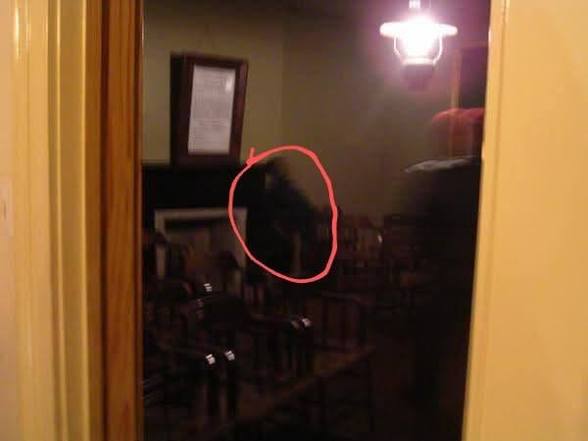
So… What Really Happened? That question remains unanswered. Maybe the Pritchard family suffered a collective psychological breakdown fueled by fear and suggestion. Maybe the children fabricated portions of the haunting. Maybe decades of retellings exaggerated the violence into legend. Or maybe something truly terrible lived inside that house. Because even now, nearly sixty years later, the story still unsettles people for one simple reason: The terror feels human. Not cinematic. Not polished. Just a frightened family trapped inside a home that slowly turned against them. And perhaps that is what makes the Black Monk so disturbing. Not the floating objects. Not the shadow figure. Not even the alleged attacks. It is the idea that horror did not arrive in a castle or graveyard. It arrived in an ordinary family home on an ordinary street… and waited at the top of the stairs.
About the Creator
E. hasan
An aspiring engineer who once wanted to be a writer .
Enjoyed the story? Support the Creator.
Subscribe for free to receive all their stories in your feed.
Comments
There are no comments for this story
Be the first to respond and start the conversation.