
The Black Dahlia: The Murder That Haunted Los Angeles
The murder of an aspiring actress that scarred the city with psychological horror.

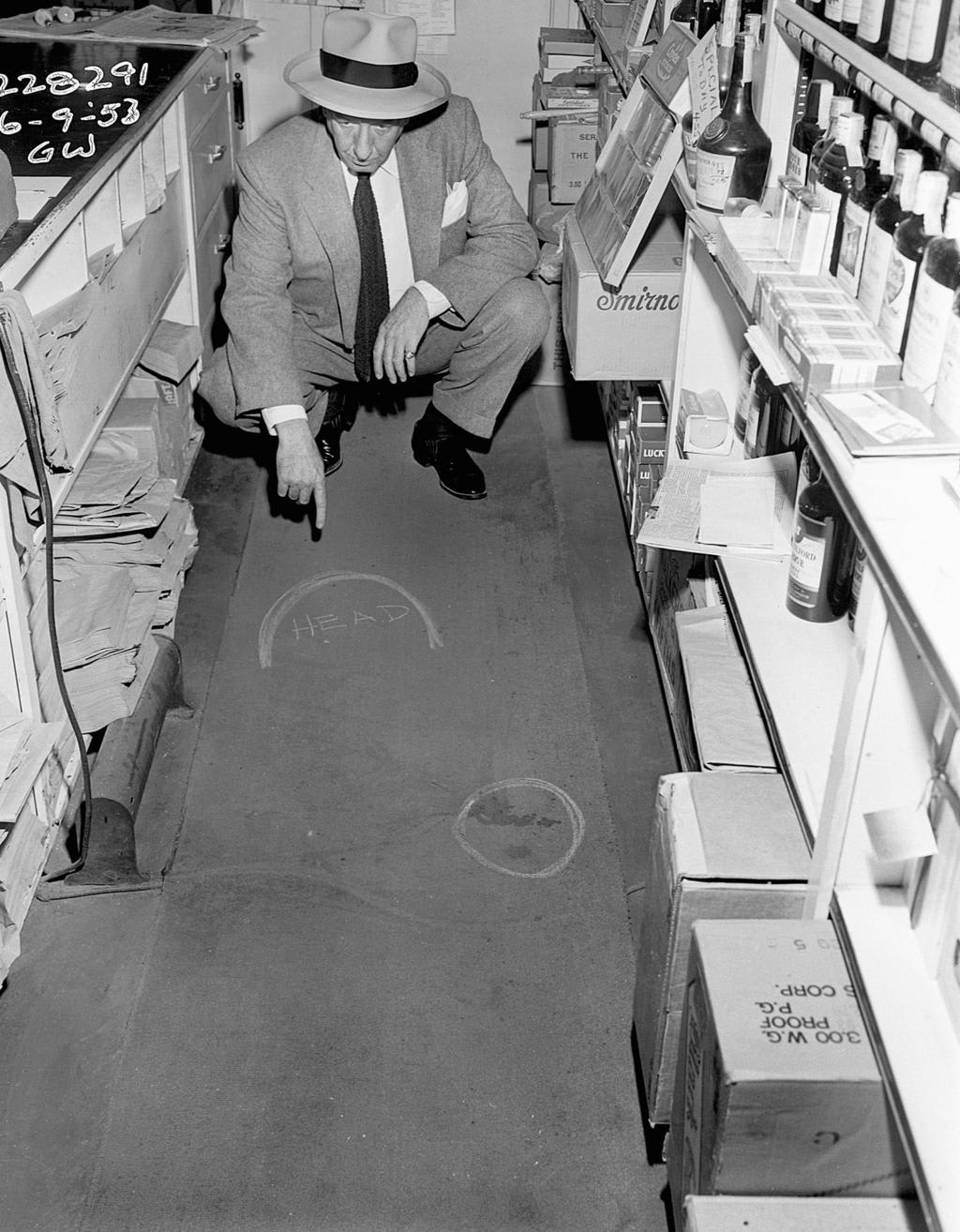
In January 1947, the city of Los Angeles awoke to a crime scene so grotesque that even hardened detectives reportedly struggled to sleep afterward.
The victim was twenty-two-year-old aspiring actress Elizabeth Short.
The newspapers would soon give her a darker name.
The Black Dahlia.
And nearly eighty years later, the case still feels less like a murder investigation… and more like a curse that never truly ended.
A Body in the Empty Lot
The morning air was cold on January 15, 1947.
A woman pushing her stroller through the Leimert Park neighborhood noticed what looked like a department store mannequin lying in a vacant lot.
Then she looked closer.
The body had been severed cleanly at the waist.
Blood had been drained completely.
The face had been carved from the corners of the mouth into a horrifying grin — a mutilation known medically as the “Glasgow smile.”
The corpse had been posed deliberately.
Arms above the head.
Legs spread.
Cleaned.
Displayed.
The woman screamed.
Police arrived expecting another homicide.
Instead, detectives stepped into one of the most infamous crime scenes in American history.
The Girl Behind the Headline
Before she became a myth, Elizabeth Short was simply a young woman trying to survive Hollywood.
Born in Massachusetts in 1924, Elizabeth moved between cities throughout her youth. Friends described her as quiet, attractive, and dreamlike — someone obsessed with movies and glamour.
She wanted to become an actress.
Like thousands of others, she came to California chasing fame.
Instead, Los Angeles consumed her.
She drifted between hotels, apartments, and acquaintances. She reportedly dated military men and nightclub figures. Money was scarce. Stability was nonexistent.
Yet almost everyone who met her remembered her.
Dark hair.
Pale skin.
Black clothing.
An eerie elegance.
After her death, newspapers began calling her “The Black Dahlia,” likely inspired by the noir film The Blue Dahlia released the previous year.
The nickname transformed a murdered woman into something larger.
A symbol.
A ghost.
A legend.
The Crime Scene That Broke Detectives
The autopsy horrified investigators.
Elizabeth’s body showed signs of severe beating and torture.
There were cuts across her body.
Bruises.
Ligature marks.
Evidence suggested she had been restrained for a prolonged period before death.
The precision of the mutilation stunned authorities. The bisection of the body appeared surgically clean, leading detectives to suspect the killer possessed medical knowledge.
Veteran officers reportedly became physically ill studying the remains.
Some detectives later admitted the case followed them home.
They saw the smile in their sleep.
They drank more.
Their marriages suffered.
One investigator allegedly kept photographs of the crime scene locked away for years because he could not bear to destroy them — yet could not stop looking at them.
The murder felt personal.
Not just violence.
But theater.
The killer wanted the body discovered.
Wanted it remembered.
And he succeeded.
Letters From the Darkness
Days after the murder, the newspapers received a package.
Inside were Elizabeth’s birth certificate, business cards, photographs, and personal belongings.
The sender had cleaned the items with gasoline to remove fingerprints.
Attached was a message assembled from cut newspaper letters.
The killer was watching the investigation unfold in real time.
Soon more letters followed.
Some appeared authentic.
Others were likely hoaxes.
But the effect on the city was devastating.
Los Angeles became paranoid.
Women traveled in groups.
Nightclubs emptied earlier.
Rumors spread about satanic rituals, underground surgeons, corrupt policemen, and occult societies hidden beneath Hollywood glamour.
Every shadow looked suspicious.
Every strange man became a possible killer.
The press frenzy exploded beyond control.
Reporters swarmed witnesses.
False confessions poured into police stations.
At one point, more than fifty men were investigated.
None were charged.
Hollywood’s Haunted Murder
The timing made the case even more disturbing.
Postwar Los Angeles was supposed to symbolize hope and modern American success.
Palm trees.
Movie stars.
Luxury.
Instead, the Black Dahlia case exposed something rotten underneath the dream.
The murder became America’s first truly cinematic true crime obsession.
And the city itself began to feel haunted.
Some claimed Elizabeth’s ghost wandered near the site where her body was discovered.
Residents reported seeing a pale woman dressed in black walking late at night before vanishing into empty streets.
Taxi drivers spoke of passengers disappearing from back seats near Hollywood Boulevard.
Stories multiplied over the decades.
Whether true or not, the psychological horror remained undeniable.
Because the real haunting wasn’t supernatural.
It was the realization that someone capable of such calculated cruelty had vanished without consequence.
The Suspects
The list of suspects became endless.
Doctors.
Actors.
Gangsters.
Photographers.
Even police informants.
One of the most infamous suspects was George Hodel, a wealthy Los Angeles physician whose own son later became convinced he was the killer.
Years after the murder, investigators uncovered old recordings from police surveillance placed inside Hodel’s home.
In one chilling transcript, a man believed to be Hodel allegedly said:
> “Supposin’ I did kill the Black Dahlia. They couldn’t prove it now.”
Yet no definitive evidence ever emerged.
No arrest.
No conviction.
Nothing.
The case remains officially unsolved.
Why the Black Dahlia Still Terrifies People
Many unsolved murders fade with time.
This one grew stronger.
Perhaps because the crime feels almost impossible to comprehend.
There was no robbery.
No clear motive.
Only brutality performed with terrifying precision.
The killer transformed a human being into a spectacle.
And in doing so, created one of the darkest legends in American criminal history.
Even modern detectives studying the photographs often describe feeling disturbed by the case.
Not merely because of the gore.
But because of the staging.
The silence.
The coldness of it.
The body looked less like the result of rage…
and more like a message.
The Smile That Never Disappeared
Today, the Black Dahlia remains embedded in the mythology of Los Angeles.
Books continue to be written.
Documentaries revisit the evidence.
Online investigators obsess over suspects.
And somewhere beneath decades of theories and speculation lies the reality of Elizabeth Short herself — a young woman whose life became swallowed by one of history’s most horrifying unsolved crimes.
The vacant lot is gone now.
The city kept growing.
Traffic floods the streets.
Tourists walk past neon lights and movie theaters every night without realizing the darkness hidden beneath Hollywood’s golden image.
But the Black Dahlia case never truly disappeared.
Because some crimes do not end when the killer escapes.
Some crimes linger.
In police files.
In old photographs.
In urban legends whispered after midnight.
And sometimes…
in the nightmares of the people who tried to solve them.
About the Creator
E. hasan
An aspiring engineer who once wanted to be a writer .
Enjoyed the story? Support the Creator.
Subscribe for free to receive all their stories in your feed.
Comments
There are no comments for this story
Be the first to respond and start the conversation.