
The Amityville Horror: The House That Turned Murder Into a Nightmare
is it all a lie?

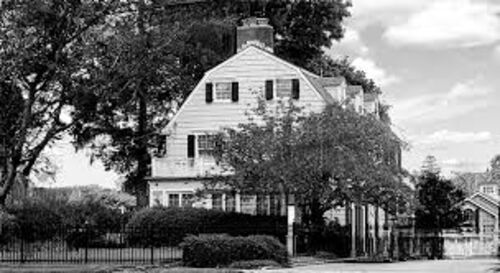
The house looked peaceful from the outside. A large Dutch Colonial home standing beside the water in Amityville. White walls. Dark shutters. Quiet suburban streets. The kind of place where children rode bicycles and neighbors waved from trimmed lawns. But behind those walls, something horrifying happened in November 1974. And whether the haunting was real or not, the terror that followed would become one of the most infamous horror stories in American history.
The Night the DeFeo Family Died Just after 6 a.m. on November 13, 1974, six members of the DeFeo family were found murdered inside their home at 112 Ocean Avenue. They had all been shot in their beds. Parents Ronald and Louise DeFeo. Their children Dawn, Allison, Marc, and John. The killer was eventually identified as their eldest son, Ronald DeFeo Jr., who later confessed to the crimes. He used a .35 caliber Marlin rifle and killed his entire family while they slept. What made the murders even more disturbing was the eerie silence surrounding them. Neighbors claimed they heard no screams. No gunshots. No desperate attempts to escape. Investigators were baffled by how six people could be slaughtered one after another without chaos erupting through the house. Some reports suggested the victims may have been sedated. Others believed fear itself froze the home into silence. The crime scene was horrifying. Bodies face-down in blood-soaked mattresses. Children dead beside stuffed animals. A family erased in a single night. And yet the nightmare was only beginning.
The Family That Moved Into living Nightmares One year later, another family purchased the house. George Lutz and Kathleen Lutz moved in with their three children in December 1975. The house was suspiciously cheap. Most people in town avoided it. But the Lutz family believed they were simply getting a bargain on a beautiful property. Within days, they claimed the house began changing.
The First Signs George Lutz reportedly woke every night at exactly 3:15 a.m. The same approximate time investigators believed the murders occurred. The house felt cold even when the heat was running. Doors slammed violently. A foul odor drifted through rooms without explanation. Then came the flies. According to the family, swarms of black flies gathered in one upstairs room despite the freezing winter weather outside. The children began talking to an imaginary entity they called “Jodie.” Sometimes Jodie appeared as a pig-like creature with glowing red eyes staring through the windows at night. Kathy Lutz claimed she saw levitation. George said he heard marching bands, whispers, and violent banging inside the walls. Green slime allegedly oozed from keyholes. One room in the house reportedly radiated such evil that nobody wanted to enter it. And every day, the atmosphere inside the home became heavier. Darker. More aggressive.
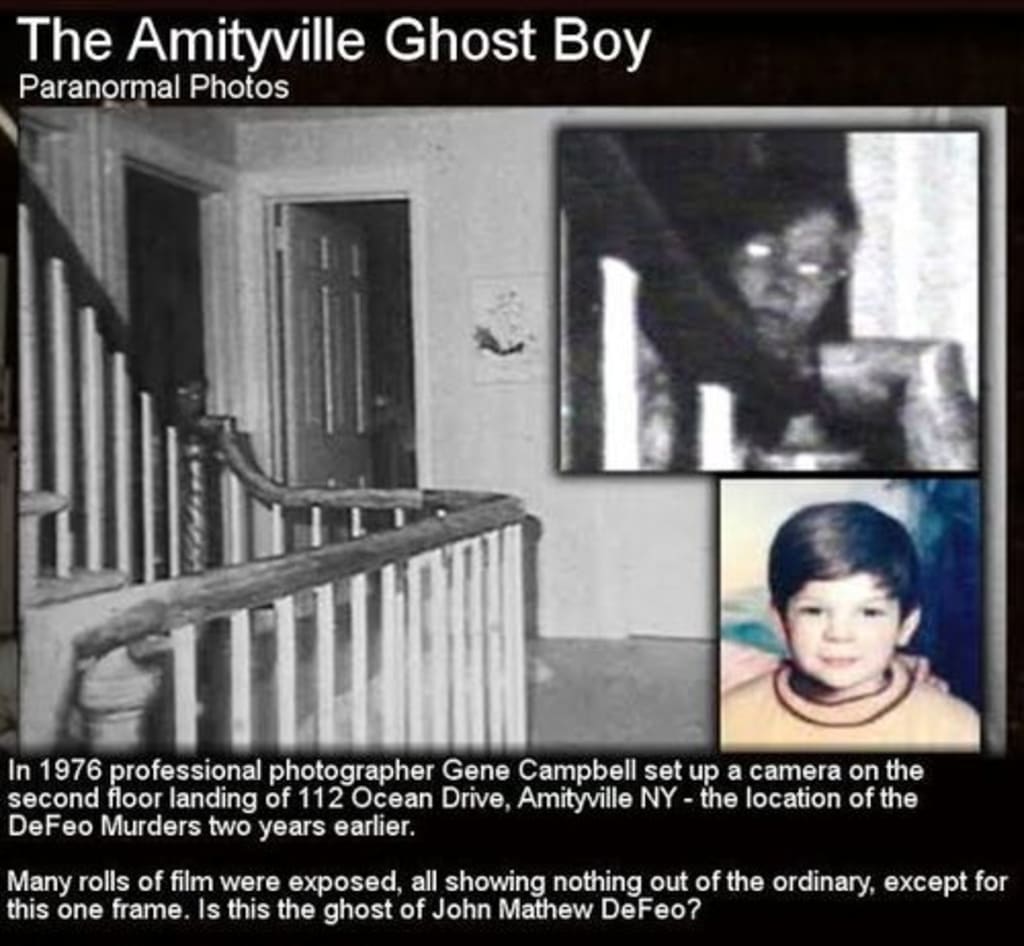
Twenty-Eight Days of Terror The Lutz family lasted less than a month. After only 28 days, they fled the house in the middle of the night, leaving behind furniture, clothing, and personal belongings. They never returned to live there again. Their story exploded across America. Newspapers called it a true haunting. Television crews arrived. Paranormal investigators entered the house searching for evidence of demonic activity. Among the most famous visitors were paranormal investigators Ed Warren and Lorraine Warren, who claimed the house contained overwhelming evil. One infamous photograph taken during the investigation appeared to show a ghostly child with glowing eyes peering from a doorway. For millions of people, the image became proof that the house was genuinely haunted. Then came the book.
The Book That Created a Legend In 1977, author Jay Anson released The Amityville Horror. The book marketed itself as “A True Story.” It became a publishing sensation. Readers were captivated by its terrifying details — demonic voices, possessed rooms, bleeding walls, invisible entities, and a family psychologically destroyed by an evil presence. Two years later, the story became the hit film The Amityville Horror. The house with its iconic quarter-circle windows became permanently etched into horror culture. America was obsessed. And fear sold incredibly well.
But Was It Real? That question has haunted the story for decades. Skeptics argued the haunting was exaggerated or entirely fabricated. Some investigators pointed out inconsistencies in the Lutz family’s accounts. Others noted that no later owners of the home reported paranormal experiences. Even the family’s former lawyer later claimed portions of the story were “created over many bottles of wine.” Critics believed the haunting became a commercial opportunity built on top of a real tragedy. Yet others remain convinced something evil existed in that house. Some paranormal believers argue the emotional violence of the DeFeo murders left behind psychological scars strong enough to poison the atmosphere of the home itself. And perhaps that is why the Amityville story refuses to die. Because even if the demons were fictional… The murders were not.
The Real Horror Everyone Forgets Over time, Hollywood transformed Amityville into entertainment. Sequels. Remakes. Documentaries. Ghost stories. But buried beneath the supernatural mythology is the brutal reality of what happened inside that house. Six real people died there. Children died there. A family was annihilated in their sleep by someone they trusted. That truth is more horrifying than any ghost. Even today, the house continues attracting tourists, paranormal enthusiasts, and curiosity seekers. Owners have changed the address and altered parts of the home to discourage visitors, but the legend remains impossible to erase. The windows no longer resemble sinister eyes watching the street. But people still stare. Still wonder. Still ask the same question: What really happened inside that house?
Why The Amityville Horror Still Terrifies People Most horror stories fade with time. Amityville survived for over fifty years because it blends two terrifying ideas together: A real massacre. And the possibility that something unseen remained afterward. Whether the haunting was genuine, psychological trauma, mass hysteria, or clever storytelling, the emotional power of Amityville is undeniable. Because deep down, the scariest thought is not that ghosts exist. It’s that evil can enter an ordinary home without warning. A normal family dinner table. A child’s bedroom. A quiet suburban street. And once violence stains a place deeply enough, maybe the walls never truly forget.
Author's Note:
Did you like my work? How about you read another one?
About the Creator
E. hasan
An aspiring engineer who once wanted to be a writer .
Enjoyed the story? Support the Creator.
Subscribe for free to receive all their stories in your feed.
Comments
There are no comments for this story
Be the first to respond and start the conversation.