vintage
Special effects may be lacking, but vintage horror films still manage to keep our palms sweating and blood pumping; a look back at retro horror films, stories, books and characters that prove everything is scarier in black and white.
The Anatomy of Fear
Why We Crave the Fear Horror has always occupied a strange, shadowy corner of human imagination. It thrives on the things we fear most—death, the unknown, betrayal, and the loss of control. From ancient ghost tales told by firelight to modern psychological thrillers, horror stories grip us with a mix of dread and fascination. But why do we willingly subject ourselves to fear? The answer lies in the unique way horror manipulates our emotions, forcing us to confront what we’d rather avoid. --- The Anatomy of Fear Fear is primal. It’s an instinct passed down from our earliest ancestors, designed to keep us alive. Horror stories tap into that ancient reflex. A creaking door, a sudden shadow, or a distorted face in the mirror doesn’t just scare us—it activates our survival instincts. The most effective horror doesn’t just rely on gore or loud noises. It uses suspense, atmosphere, and the unseen to ignite a terror that lingers long after the story ends. In literature and film, the "less is more" approach often works best. Think of the haunting absence of the monster in The Blair Witch Project or the unseen terrors in Shirley Jackson’s The Haunting of Hill House. Our imagination fills in the blanks, and those imagined horrors are often far worse than anything shown outright. --- Monsters, Ghosts, and the Real Evil Horror’s villains come in many shapes: the bloodthirsty vampire, the vengeful ghost, the mindless zombie, or the deranged human predator. While supernatural creatures terrify us with their impossible nature, human villains unsettle us because they are all too real. Monsters like Dracula or Pennywise embody exaggerated fears—immortality turned predatory, innocence corrupted. On the other hand, killers like Norman Bates or Hannibal Lecter remind us that evil can hide behind polite smiles and ordinary appearances. In many ways, the human villain is far scarier than the supernatural one because they could be your neighbor, your coworker, or even your closest friend. --- The Role of Setting in Horror A good horror setting is not just a backdrop; it’s a character in itself. An abandoned asylum, a foggy forest, a creaking Victorian mansion—these places breathe unease into the story. The setting traps the characters and, by extension, the audience. Isolation is a powerful tool in horror. Whether it’s a snowbound hotel in The Shining or a spaceship drifting in Alien, cutting characters off from safety heightens the tension. Even a familiar setting, like a suburban home, can be twisted into something nightmarish when the horror invades the ordinary. --- Psychological Horror: The Terror Within While traditional horror focuses on external threats, psychological horror digs into the mind. It’s about paranoia, guilt, and the thin line between sanity and madness. Films like Black Swan or Hereditary and books like Misery by Stephen King prove that the human mind can be its own worst enemy. Psychological horror often leaves audiences questioning reality alongside the characters. Was the ghost real, or just a manifestation of trauma? Is the danger outside the door, or inside the character’s head? This ambiguity creates a lasting unease because the answers are never fully revealed. --- Why Horror Endures Horror has survived across centuries because fear is universal. Every culture has its myths, monsters, and cautionary tales. These stories reflect the anxieties of their times—plagues, wars, moral decline—and transform them into gripping narratives. In today’s world, horror continues to evolve. Technology has birthed new fears—artificial intelligence, surveillance, online predators. Social horror, as seen in films like Get Out, tackles real-world issues like racism, inequality, and cultural tensions, showing that the genre is not just about scares but also about reflection. --- The Catharsis of Being Scared One reason horror remains popular is the strange satisfaction we get from surviving it. Watching a terrifying film or reading a chilling book is like riding a roller coaster: we get the adrenaline rush without real danger. Fear in a controlled environment allows us to explore our darkest thoughts and then safely return to reality. For some, horror is also a way of processing personal fears. A person afraid of death might find a strange comfort in ghost stories. Someone dealing with betrayal might be drawn to tales of shapeshifters and impostors. Horror offers a space where our anxieties can play out in exaggerated, symbolic ways. --- Conclusion: The Shadows We Carry Horror is more than jump scares and blood. It’s a mirror reflecting our deepest insecurities, a safe space to confront danger, and a reminder that fear is as much a part of being human as love or joy. The next time you feel the urge to turn off the light after hearing a strange noise, remember: the shadows aren’t just outside. Sometimes, the scariest place of all is inside our own minds.
By Muhammad Ibrahimabout a year ago in Horror
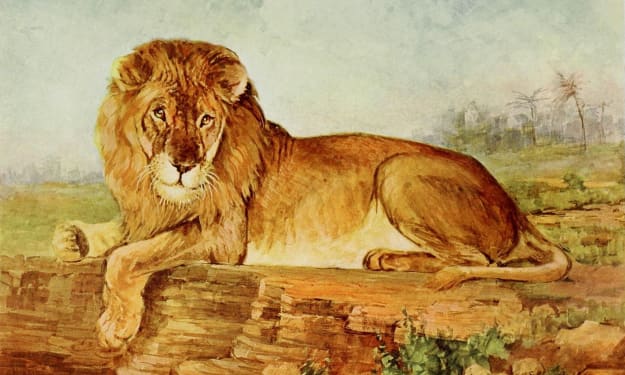
The Loyalty of the Lion King
Deep in the heart of the golden savannah, where the sun kissed the earth and the wind whispered through tall grass, ruled a mighty lion known as Zahir the Lion King. His mane glowed like fire, his roar shook the heavens, and his heart beat with wisdom, courage, and most of all—loyalty.
By Ahmad shahabout a year ago in Horror
Whispers in the Floorboards
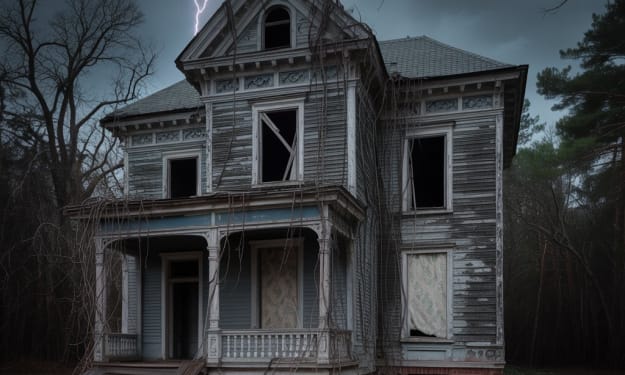
It was supposed to be a restoration project. Eli and Marla Winslow had bought the derelict house on the edge of Briar Hollow for next to nothing. Newly married and full of ambition, they saw potential in the century-old Victorian with its ornate woodwork and wide, echoing halls. It was their dream home, a fixer-upper with history and character. The townspeople, however, gave them strange looks when they mentioned the address.
By Atif khurshaidabout a year ago in Horror
The House That Remembers: Beneath the Wallpaper
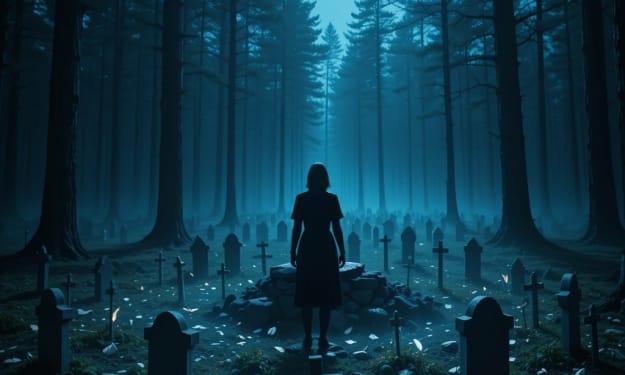
After Nora was found in the woods, she was placed in a psychiatric facility two towns over. No one believed her story. Authorities assumed she’d suffered a breakdown, perhaps triggered by her brother’s disappearance and the isolation. She spoke rarely, and when she did, it was always the same thing:
By Atif khurshaidabout a year ago in Horror
Indonesia’s Most Haunted Modern Ruin: The Chilling Story of Bali’s Lost Plane
Perched incongruously beside a Dunkin’ Donuts on Bali’s bustling Ngurah Rai Bypass Road, the decaying fuselage of a Boeing 737-300 has become an unlikely landmark—and one of Indonesia’s most chilling modern ghost stories. Known locally as the "Lost Plane," this derelict aircraft blends failed ambition, tragic origins, and whispered supernatural encounters.
By Kyrol Mojikalabout a year ago in Horror
The Curse of the Labubu Doll
In the quiet town of Elmridge, nestled between mist-covered hills and ancient forests, lived an old toymaker named Mr. Thorne. He ran a curious little shop called “Whimsy & Wires”, cluttered with forgotten toys, wooden soldiers, porcelain dolls, and winding music boxes that played haunting lullabies. But none of these drew as much attention—or fear—as the Labubu doll.
By Junaid Shahid about a year ago in Horror
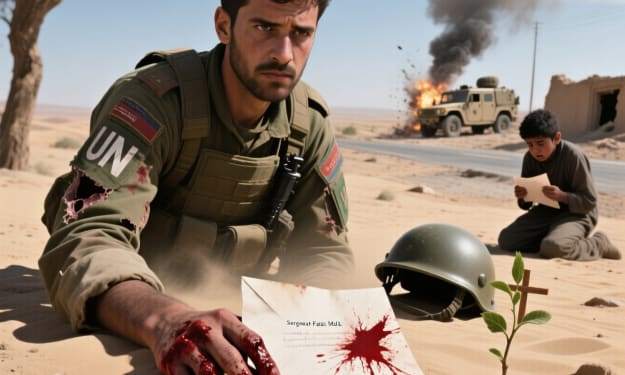
The Last Letter from Kandahar
The desert does not forget. The sand of Kandahar has soaked in centuries of blood, sweat, and silence. Each grain holds stories — of warriors, victims, and men who stood their ground when it mattered most. Among them lies the memory of Sergeant Faraz Malik, whose final act of bravery became more than just a tale — it became a legacy.
By Wings of Time about a year ago in Horror
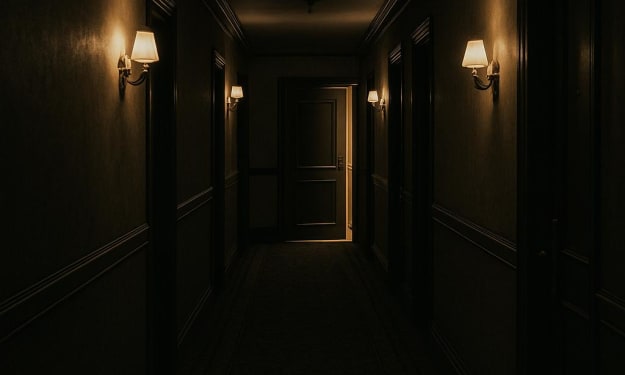
The Vanishing Hotel Room: Urban Legend With Teeth
A Check-In to Nowhere It begins, as these stories often do, with the soft click of a hotel key. A weary traveler arrives in a foreign city; usually Paris, sometimes London, occasionally somewhere in Asia and collapses into the comfort of a rented room. The air smells faintly of dust and old polish; the curtains are drawn tight against the bustle of the street below. The front desk clerk is polite, distant, and just a bit too eager to hand over the key.
By Veil of Shadowsabout a year ago in Horror