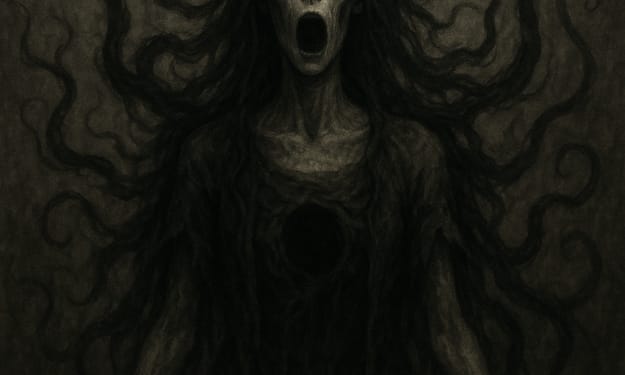
monster
Monsters and horror go hand in hand; explore horrific creatures, beasts and hairy scaries like Freddy Krueger, Frankenstein and far beyond.
The Tarim Mummies
Introduction Deep in the arid deserts of China’s Xinjiang region lies one of archaeology’s most fascinating mysteries—the Tarim mummies. These remarkably preserved corpses, some over 4,000 years old, exhibit striking Caucasian features—blonde hair, tall stature, and woven woolen clothing—completely unlike the region’s modern inhabitants. Discovered along the ancient Silk Road, these mummies have sparked debates about prehistoric migration, lost civilizations, and cultural exchange. Were they early Indo-European settlers? A forgotten branch of humanity? This article explores their discovery, scientific analysis, cultural significance, and enduring mysteries. 1. Discovery of the Tarim Mummies A. First Encounters (Early 20th Century) European explorers like Sven Hedin and Aurel Stein first reported mummies in the Tarim Basin in the early 1900s. Local Uyghur and Kazakh herders had long known of the preserved bodies but considered them sacred. B. Major Archaeological Finds (1970s–1990s) Chinese archaeologists began systematic excavations in the 1970s. The Beauty of Loulan (1800 BCE), a 3,800-year-old woman with delicate European features, became the most famous mummy. Other key sites: Xiaohe, Qäwrighul, and Cherchen. C. Preservation Conditions The Tarim Basin’s dry, salty soil naturally mummified the dead. Some mummies were buried in boat-shaped coffins with felt coverings. 2. Who Were the Tarim Mummies? Physical & Genetic Evidence A. Unexpected European Features Tall stature (some men over 6 feet). Light hair (blonde, red, brown). High noses, deep-set eyes (resembling early Europeans or Indo-Iranians). B. DNA Studies: A Genetic Puzzle 1990s–2000s: Initial tests suggested European (Tocharian) ancestry. 2021 Harvard Study: Revealed they were a local, isolated population with ancient North Eurasian roots, not direct migrants from Europe. Controversy: Some Chinese scholars argue they were proto-Tocharians, linked to the later Tocharian languages of the region. C. Clothing & Textiles Woolen fabrics with tartan patterns (similar to Celtic designs). Felted hats, leather boots (indicating a pastoral lifestyle). Advanced weaving techniques (suggesting trade links). 3. The Tocharian Connection: A Lost Indo-European People? A. The Tocharians of History The Tocharians were an ancient Indo-European-speaking people in the Tarim Basin (1st millennium CE). Spoke Tocharian A & B, related to Celtic, Germanic, and Latin. Their origins were unknown until the mummies were discovered. B. Were the Mummies Proto-Tocharians? Some scholars believe the mummies represent an early Indo-European migration (before Tocharian languages developed). Others argue they were indigenous people who later adopted Indo-European culture. C. Linguistic Clues Later Tocharian texts (Buddhist manuscripts) suggest a long-established presence. No written records from the mummies’ era, so their language remains unknown. 4. Cultural & Historical Significance A. Evidence of Early Silk Road Exchange The mummies show trade connections between East and West long before the formal Silk Road. Textiles, tools, and burial customs resemble those of the Afanasievo culture (Siberia) and Andronovo culture (Central Asia). B. Challenging Historical Narratives Their existence contradicts the idea that ancient Xinjiang was solely East Asian. Suggests early multicultural interactions in Central Asia. C. Political Controversies The Chinese government downplays their "Western" features, emphasizing local origins. Uyghur activists sometimes claim them as ancestors, complicating modern ethnic politics. 5. Ongoing Mysteries & Research A. Unanswered Questions Where did they come from? (Local evolution or migration?) Why did they disappear? (Assimilation, climate change, or conflict?) What was their society like? (No large cities found, possibly nomadic.) B. New Scientific Techniques Isotope analysis (to trace diet and migration). Ancient protein studies (to understand health and lifestyle). More advanced DNA sequencing (to clarify ancestry). C. Future Excavations Many sites remain unexplored due to political sensitivities in Xinjiang. New discoveries could rewrite early Eurasian history. Conclusion: A Window into a Lost World The Tarim mummies are more than just preserved bodies—they are ghosts of a forgotten past, challenging our understanding of ancient migration, trade, and cultural exchange. Whether they were early Indo-Europeans, a lost branch of humanity, or an isolated indigenous group, their legacy continues to intrigue scientists and historians. As research advances, these enigmatic figures may yet reveal more secrets about the deep connections between East and West—long before empires and Silk Road caravans shaped history. Would you like additional details on any section, such as specific mummies or political debates?
By Silas Blackwoodabout a year ago in Horror
Mesia and the Hollow Eyes
The village of Elder Hollow was quiet—too quiet. Tucked between blackened trees and crooked hills, it was a place the world had mostly forgotten. Only one road led in, and no roads led out, as if the earth itself had sealed the place shut.
By kamran khanabout a year ago in Horror
The Catacombs of Paris
Introduction Beneath the bustling streets of Paris lies a hidden world of tunnels, crypts, and bones—the infamous Catacombs of Paris. This underground ossuary holds the remains of over six million people, making it one of the most macabre yet fascinating historical sites in the world. Originally limestone quarries, these subterranean passages were transformed into a massive burial ground in the late 18th century to address the city’s overflowing cemeteries. Today, the Catacombs attract thousands of visitors who come to witness its eerie yet artistic displays of arranged skulls and bones. Beyond its tourist appeal, the Catacombs hold deep historical, cultural, and even political significance. This article explores the origins, history, legends, and modern-day relevance of the Paris Catacombs. 1. The Origins: From Quarries to Ossuary A. The Ancient Quarries Long before they became a burial site, the tunnels of the Catacombs were part of Paris’s vast limestone quarries. Since Roman times, builders extracted stone to construct the city’s iconic landmarks, including Notre-Dame Cathedral and the Louvre. By the 17th century, the underground network had expanded so much that parts of the city were at risk of collapsing. B. The Cemetery Crisis By the late 18th century, Paris faced a gruesome problem: its cemeteries were overflowing. The most notorious, the Cemetery of the Innocents, had been in use for nearly a millennium and was so overcrowded that decomposing bodies contaminated the air and water, spreading disease. Authorities needed a solution—and the abandoned quarries provided the perfect space. C. The Creation of the Ossuary (1786) In 1786, the French government began transferring bones from overcrowded cemeteries into the underground tunnels. The process continued for decades, with workers carefully stacking skulls and femurs into decorative patterns. The site was consecrated as the "Paris Municipal Ossuary" but later became known as the Catacombs, inspired by Rome’s underground burial sites. 2. Inside the Catacombs: A Maze of Bones A. The Entrance and Layout The public entrance to the Catacombs is located at 1 Avenue du Colonel Henri Rol-Tanguy, near the Denfert-Rochereau metro station. Visitors descend a narrow spiral staircase 20 meters (66 feet) underground before entering a dimly lit corridor filled with inscriptions and carvings. The ossuary itself spans only 1.5 kilometers (0.9 miles) of the 300-kilometer (186-mile) tunnel network, but it is the most meticulously arranged section. Bones line the walls in intricate patterns, with plaques indicating the original cemeteries they came from. B. Artistic Arrangements One of the most striking features is the "Barrel of the Passion", a pillar made entirely of bones. Other sections feature skulls arranged in heart shapes or stacked in neat rows. These macabre designs were the work of quarry workers and later restorers who treated the bones with a strange mix of reverence and creativity. C. Famous Inscriptions Throughout the tunnels, visitors encounter solemn quotes about death, such as: "Stop! This is the Empire of Death." (Above the entrance to the ossuary) "Remember, man, that you are dust, and unto dust, you shall return." These inscriptions serve as a memento mori—a reminder of mortality. 3. Legends and Mysteries of the Catacombs A. The Phantoms of Paris Given its grim history, the Catacombs are ripe with ghost stories. Some visitors claim to hear whispers or see shadowy figures. One famous legend tells of Philibert Aspairt, a doorkeeper who wandered into the Catacombs in 1793 and was found dead 11 years later—his body identified only by his keys. B. Secret Resistance Meetings During World War II, the French Resistance used the Catacombs as a hideout. The Nazis also built bunkers in some sections. Today, some walls still bear graffiti from both sides of the conflict. C. The Underground "Cataphiles" While only a small portion is open to the public, urban explorers (called "cataphiles") illegally navigate the forbidden tunnels. Some have discovered hidden chambers, underground art galleries, and even secret parties. Authorities regularly arrest trespassers, but the allure of the unknown keeps adventurers coming back. 4. The Catacombs in Modern Culture A. Tourism and Preservation Since opening to the public in 1809, the Catacombs have become one of Paris’s most unusual attractions. Due to preservation efforts, only 200 visitors per day are allowed inside to prevent humidity and CO₂ damage to the bones. B. Books, Films, and Video Games The Catacombs have inspired countless works of fiction, including: "The Phantom of the Opera" (Gaston Leroux) – Features scenes in the underground tunnels. "As Above, So Below" (2014) – A horror film set in the Catacombs. "Assassin’s Creed Unity" – A video game that lets players explore a virtual version. C. Scientific Research The unique conditions of the Catacombs have made them a site for scientific study. Researchers examine the bones for insights into historical diseases, while geologists monitor the stability of the tunnels to prevent collapses. 5. Visiting the Catacombs: What to Know A. Practical Information Location: 1 Avenue du Colonel Henri Rol-Tanguy, 75014 Paris Hours: 9:45 AM – 8:30 PM (Closed Mondays) Tickets: €29 (advance booking recommended) Accessibility: Not wheelchair-friendly (many stairs, narrow passages) B. Tips for Visitors Wear comfortable shoes (the path is uneven). Bring a light jacket (temperature is ~14°C / 57°F). Photography is allowed (no flash or tripods). Respect the site—removing bones is illegal. Conclusion: The Catacombs of Paris are more than just a tourist attraction—they are a silent witness to centuries of history, from medieval plagues to wartime secrets. Walking through its dimly lit corridors, one cannot help but reflect on the fleeting nature of life. Whether you visit for history, art, or the thrill of the macabre, the Catacombs offer an unforgettable journey into the depths of Paris—both literally and metaphorically. As the inscription at the entrance warns: "Stop! This is the Empire of Death." And indeed, within these walls, the past is always present. If you would like any changes or additional details in a specific section? Then please tell us in the comments.
By Silas Blackwoodabout a year ago in Horror
The Whispering Shadows of Blackwood Manor
As Eleanor Carter's car sped to a stop at the edge of Blackwood Forest, torrents of rain fell relentlessly. The old manor loomed ahead, its jagged silhouette cutting through the stormy sky like a forgotten nightmare. She hadn’t planned on coming here—not after the stories, not after what had happened to her brother.
By Shahriar Shihababout a year ago in Horror
I Am Legend
I Am Legend: Richard Matheson’s Groundbreaking Vampire Apocalypse (1954) Introduction: Few novels have reshaped horror and science fiction as profoundly as Richard Matheson’s I Am Legend (1954). From The Last Man on Earth (1964) to I Am Legend (2007), starring Will Smith, this gripping tale of the last man on Earth fighting vampire-like creatures redefined post-apocalyptic fiction and influenced generations of writers. But beyond its pop culture legacy, I Am Legend is a psychological masterpiece, exploring loneliness, survival, and what it truly means to be "monstrous." In this in-depth look, we'll investigate: I Am Legend's themes and plot
By Silas Blackwoodabout a year ago in Horror
No One Gets Out Alive
Introduction Adam Nevill’s No One Gets Out Alive (2014) is not your typical haunted house story. It is a relentless, suffocating nightmare that blends psychological terror, supernatural horror, and brutal realism into one of the most disturbing horror novels of the 21st century. Unlike traditional ghost stories, Nevill’s novel traps its protagonist—and the reader—in a claustrophobic hellscape where the horrors are both human and inhuman. This is not a tale of creaking floorboards and faint whispers; it is a visceral, sweat-drenched ordeal where survival seems impossible. In this deep dive, we explore: ✔ The plot and themes of No One Gets Out Alive ✔ Why it stands out in modern horror ✔ The real-life inspirations behind its terror ✔ How it compares to Nevill’s other works ✔ The 2021 Netflix adaptation—does it do the book justice?
By Silas Blackwoodabout a year ago in Horror
The Burning House: A True Story of Survival, Bravery, and Community Support
It was a quiet evening in the small town of Brooksville. The sun was setting, painting the sky with soft shades of orange and pink. Children played outside, and the smell of dinner filled the air. Everything felt calm—until a scream broke the silence.
By ibrahim khanabout a year ago in Horror
Carmilla
Carmilla: The Vampire Novel That Predated Dracula and Redefined Gothic Horror Introduction: Long before Dracula (1897) became the cornerstone of vampire literature, Sheridan Le Fanu’s Carmilla (1872) introduced the world to a seductive, enigmatic female vampire who would influence horror for centuries. This gothic novella, serialized in The Dark Blue magazine, is a chilling tale of obsession, forbidden desire, and supernatural horror. It not only predates Bram Stoker’s Dracula by 25 years but also presents one of the earliest—and most controversial—depictions of lesbian vampirism in literature.
By Silas Blackwoodabout a year ago in Horror
I Am Not Alone
The Accusation The interrogation room hummed with static silence. Fluorescent lights buzzed above like a swarm ready to strike. Detective Harris folded his arms and stared at me across the table. “You beat him nearly to death, Ms. Santos.” His voice was calm. Too calm. “Say something.” I opened my mouth, but the words clung to my throat like wet ash. My lips cracked apart as I tried to make sense of the nightmare I’d woken into. “I didn’t do it,” I whispered. But even I didn’t believe it. There was blood. Everywhere. On my knuckles, dried in the creases of my palms. Soaked into the cuffs of my blouse. His face—what was left of it—barely looked human. A neighbor found me kneeling over him, trembling. Screaming. I couldn’t remember the attack. Couldn’t remember walking there. Just a blur of red, pain, and that awful metallic stench in the back of my throat. Then came the voices. At first, I thought it was guilt. My own voice turning on me in whispers.
By Carolina Borgesabout a year ago in Horror