halloween
Get into the Halloween spirit; all about trick or treating, spooky costumes, Halloween decorations and haunted houses for October 31st and all year round.
Night Teeth: Volume IV
The Bloody Evolution of a Cult Vampire Saga The Night Teeth series has carved its name into the modern vampire genre with its sleek visuals, neon-noir aesthetic, and high-octane action. Now, with Volume IV, the franchise takes a darker, deeper dive into its mythos—blending urban horror, crime thriller elements, and a fresh wave of undead intrigue. This article explores everything we know (and theorize) about Night Teeth: Volume IV, from its plot leaks, returning characters, stylistic shifts, and how it fits into the growing vampire renaissance in film and TV. • What Is Night Teeth? A Quick Recap
By Silas Blackwoodabout a year ago in Horror
The Crying Man
A shadowy figure appears in the dead of night, his face obscured, his body wracked with silent sobs. Witnesses describe an overwhelming sense of despair in his presence—a grief so profound it lingers long after he vanishes. This is The Crying Man, a modern urban legend that has surfaced in ghost stories, paranormal encounters, and even government conspiracy theories across the world. But who—or what—is he? A lost spirit? A psychological manifestation of collective sorrow? Or something far more sinister? This article explores the origins, reported encounters, and possible explanations behind one of the most haunting figures in contemporary folklore.
By Silas Blackwoodabout a year ago in Horror
The Tarim Mummies
Introduction Deep in the arid deserts of China’s Xinjiang region lies one of archaeology’s most fascinating mysteries—the Tarim mummies. These remarkably preserved corpses, some over 4,000 years old, exhibit striking Caucasian features—blonde hair, tall stature, and woven woolen clothing—completely unlike the region’s modern inhabitants. Discovered along the ancient Silk Road, these mummies have sparked debates about prehistoric migration, lost civilizations, and cultural exchange. Were they early Indo-European settlers? A forgotten branch of humanity? This article explores their discovery, scientific analysis, cultural significance, and enduring mysteries. 1. Discovery of the Tarim Mummies A. First Encounters (Early 20th Century) European explorers like Sven Hedin and Aurel Stein first reported mummies in the Tarim Basin in the early 1900s. Local Uyghur and Kazakh herders had long known of the preserved bodies but considered them sacred. B. Major Archaeological Finds (1970s–1990s) Chinese archaeologists began systematic excavations in the 1970s. The Beauty of Loulan (1800 BCE), a 3,800-year-old woman with delicate European features, became the most famous mummy. Other key sites: Xiaohe, Qäwrighul, and Cherchen. C. Preservation Conditions The Tarim Basin’s dry, salty soil naturally mummified the dead. Some mummies were buried in boat-shaped coffins with felt coverings. 2. Who Were the Tarim Mummies? Physical & Genetic Evidence A. Unexpected European Features Tall stature (some men over 6 feet). Light hair (blonde, red, brown). High noses, deep-set eyes (resembling early Europeans or Indo-Iranians). B. DNA Studies: A Genetic Puzzle 1990s–2000s: Initial tests suggested European (Tocharian) ancestry. 2021 Harvard Study: Revealed they were a local, isolated population with ancient North Eurasian roots, not direct migrants from Europe. Controversy: Some Chinese scholars argue they were proto-Tocharians, linked to the later Tocharian languages of the region. C. Clothing & Textiles Woolen fabrics with tartan patterns (similar to Celtic designs). Felted hats, leather boots (indicating a pastoral lifestyle). Advanced weaving techniques (suggesting trade links). 3. The Tocharian Connection: A Lost Indo-European People? A. The Tocharians of History The Tocharians were an ancient Indo-European-speaking people in the Tarim Basin (1st millennium CE). Spoke Tocharian A & B, related to Celtic, Germanic, and Latin. Their origins were unknown until the mummies were discovered. B. Were the Mummies Proto-Tocharians? Some scholars believe the mummies represent an early Indo-European migration (before Tocharian languages developed). Others argue they were indigenous people who later adopted Indo-European culture. C. Linguistic Clues Later Tocharian texts (Buddhist manuscripts) suggest a long-established presence. No written records from the mummies’ era, so their language remains unknown. 4. Cultural & Historical Significance A. Evidence of Early Silk Road Exchange The mummies show trade connections between East and West long before the formal Silk Road. Textiles, tools, and burial customs resemble those of the Afanasievo culture (Siberia) and Andronovo culture (Central Asia). B. Challenging Historical Narratives Their existence contradicts the idea that ancient Xinjiang was solely East Asian. Suggests early multicultural interactions in Central Asia. C. Political Controversies The Chinese government downplays their "Western" features, emphasizing local origins. Uyghur activists sometimes claim them as ancestors, complicating modern ethnic politics. 5. Ongoing Mysteries & Research A. Unanswered Questions Where did they come from? (Local evolution or migration?) Why did they disappear? (Assimilation, climate change, or conflict?) What was their society like? (No large cities found, possibly nomadic.) B. New Scientific Techniques Isotope analysis (to trace diet and migration). Ancient protein studies (to understand health and lifestyle). More advanced DNA sequencing (to clarify ancestry). C. Future Excavations Many sites remain unexplored due to political sensitivities in Xinjiang. New discoveries could rewrite early Eurasian history. Conclusion: A Window into a Lost World The Tarim mummies are more than just preserved bodies—they are ghosts of a forgotten past, challenging our understanding of ancient migration, trade, and cultural exchange. Whether they were early Indo-Europeans, a lost branch of humanity, or an isolated indigenous group, their legacy continues to intrigue scientists and historians. As research advances, these enigmatic figures may yet reveal more secrets about the deep connections between East and West—long before empires and Silk Road caravans shaped history. Would you like additional details on any section, such as specific mummies or political debates?
By Silas Blackwoodabout a year ago in Horror
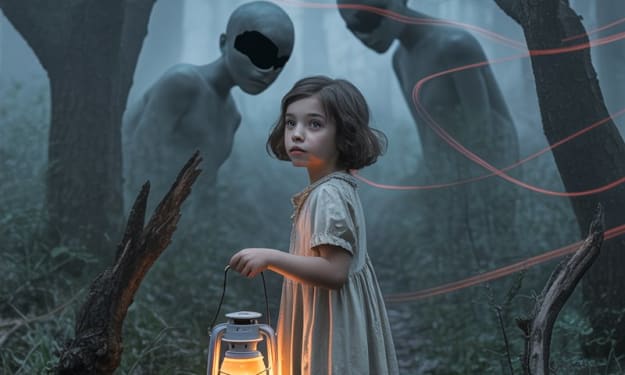
Mesia and the Hollow Eyes
The village of Elder Hollow was quiet—too quiet. Tucked between blackened trees and crooked hills, it was a place the world had mostly forgotten. Only one road led in, and no roads led out, as if the earth itself had sealed the place shut.
By kamran khanabout a year ago in Horror
I Am Legend
I Am Legend: Richard Matheson’s Groundbreaking Vampire Apocalypse (1954) Introduction: Few novels have reshaped horror and science fiction as profoundly as Richard Matheson’s I Am Legend (1954). From The Last Man on Earth (1964) to I Am Legend (2007), starring Will Smith, this gripping tale of the last man on Earth fighting vampire-like creatures redefined post-apocalyptic fiction and influenced generations of writers. But beyond its pop culture legacy, I Am Legend is a psychological masterpiece, exploring loneliness, survival, and what it truly means to be "monstrous." In this in-depth look, we'll investigate: I Am Legend's themes and plot
By Silas Blackwoodabout a year ago in Horror
The Crawling Eyes
The village of Evershade had always been small, isolated from the world. Nestled between dense forests, it was a place where secrets clung to the fog and the wind whispered things too terrible to be believed. The townsfolk had always been superstitious, their lives governed by old myths passed down from generation to generation, none more haunting than the one about the Crawling Eyes.
By Muhammad Atifabout a year ago in Horror