
Obsession & Backrooms: The Horror Movies That Are Changing The Genre
Obsession and Backrooms, two gems of independent cinema, are revitalizing the horror genre for the better

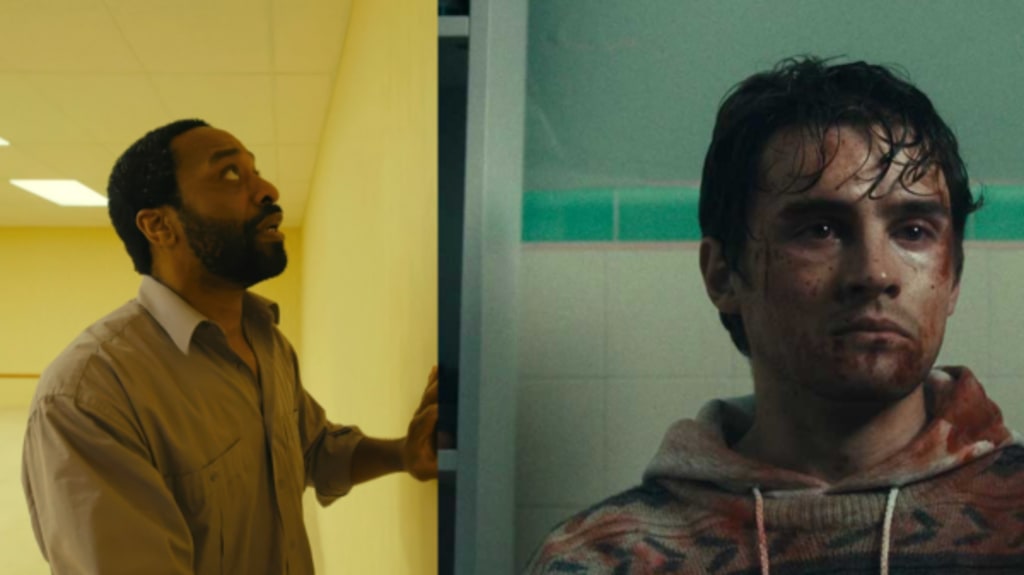
The recent success of Backrooms and Obsession is being hailed as a potential historic moment for cinema, demonstrating how independent horror films from YouTube-native directors are revitalizing the genre. While both are low-budget horror films from young filmmakers, they are drastically different in style and approach, and this diversity is precisely what makes their impact so positive.
Two Distinct Paths to Horror
The films succeed by offering audiences two very different kinds of horror. Obsession is described as a more straightforward, slam-bang indie horror gem that is dauntingly disturbing while also skillfully amusing and thrilling.
Backrooms is more abstract and existential, delivering one of the most immersive horror debuts in years by focusing on atmosphere. It is a chilling, crowd-pleasing reminder of the power of liminal space horror, treating its concept with intellectual ambition. This contrast proves that the genre is not being homogenized but rather expanded by these new voices.
A historic moment for independent film
The box office performance of both films underscores a major shift. Backrooms, a film based on a YouTube series by 20-year-old director Kane Parsons, made over $80 million in its opening weekend, nearly outgrossing every other A24 film ever released. Simultaneously, Obsession, from 26-year-old Curry Barker, achieved the rare feat of increasing its box office earnings for three consecutive weekends, a milestone not seen with a traditional release since 1982. This success is leading both films to dominate the box office, ushering in a new appreciation for low-budget, YouTuber-directed horror.
The YouTube incubator
The films' directors are products of YouTube, which producer James Wan calls "the perfect incubator for emerging voices". This background has democratized filmmaking, allowing creators to build massive audiences without needing a studio's blessing. Kane Parsons, for instance, began uploading his Backrooms found-footage videos at age 16, amassing over 75 million views and a dedicated fanbase that turned out for the theatrical release. This model is resonating strongly with Gen Z, a demographic experiencing serious franchise fatigue and looking for original concepts over sequels and spinoffs.
Lessons for Hollywood
The success of these films offers two distinct lessons for the industry. Backrooms is a prime example of an I.P.-driven franchise, adapting a well-known internet creepypasta into a major theatrical hit, much like Five Nights at Freddy's. It proves that studios should look to online content that Gen Z and Gen Alpha are already watching. Obsession, on the other hand, demonstrates the power of a completely original, low-budget concept that builds an audience through strong word-of-mouth. Both films prove that you don’t need a giant budget. You need a good idea, a point of view and a lot of nerve.
The marketing strategies for both films were designed to reach their target audience where they already spend their time: online. Instead of relying on traditional TV spots and billboards, the campaigns focused on YouTube, TikTok, and Reddit. This approach felt authentic to a generation that is "tired of superheroes, sequels and spinoffs" and craves original concepts. The films were seen as stories "for their generation," which made them exciting and drove young audiences to theater.
Final thoughts
Backrooms and Obsession are changing the horror genre for the better by proving that authentic, original visions from a new generation of filmmakers can achieve massive commercial and critical success. They offer two distinct flavors of horror—one existential and atmospheric, the other grounded and psychologically brutal—showing the genre's vast potential. More importantly, they signal a historic shift in cinema, where the barriers to entry have been lowered by technology and new media, allowing fresh voices to challenge the status quo and connect directly with a hungry audience.
About the Creator
Ninfa Galeano
Journalist. Content Creator. LGBT+ perspective 🏳️🌈
Enjoyed the story? Support the Creator.
Subscribe for free to receive all their stories in your feed.
Comments
There are no comments for this story
Be the first to respond and start the conversation.