
Manananggal: The Urban Legend of the Philippines'
Unraveling the Myth
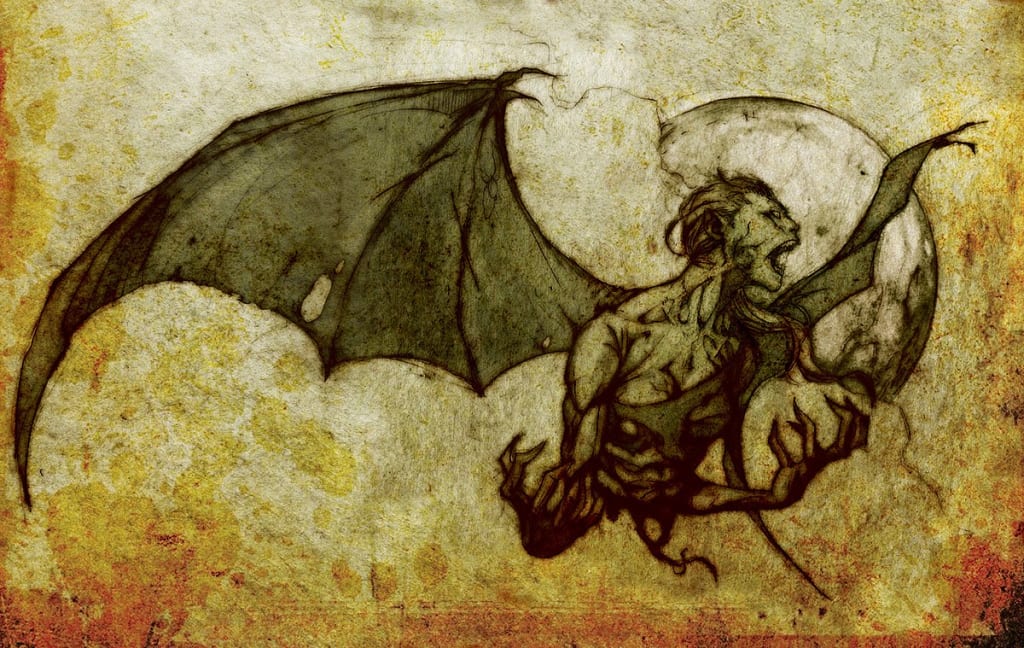
Introduction A fascinating legendary creature that is firmly ingrained in Philippine culture and continues to capture the imaginations of people of all ages is the "Manananggal." The Philippines is a nation rich in folklore and urban legends. The Manananggal mythology has been passed down from generation to generation, influencing local beliefs and providing the basis for innumerable terrifying stories. We shall examine the history, traits, and cultural import of this mysterious urban legend in this essay. Origins of the Manananggal The word "Manananggal" is derived from the Filipino word "tanggal," which means "to remove" or "to separate." This aptly describes the creature's defining feature: the ability to sever its upper torso from its lower body. In its most common form, the Manananggal is described as a monstrous female creature, though there are variations of male counterparts in different regions of the Philippines. The origins of the Manananggal legend are deeply rooted in Filipino superstitions and fears of the unknown. It is believed that the story emerged in the pre-colonial era when indigenous tribes, like the Tagalogs, Visayans, and Ilocanos, shared tales of mythical beings that lurked in the dark forests and remote villages. Characteristics and Behavior The Manananggal is usually depicted as a beautiful woman during the day, often disguising her true nature from the unsuspecting villagers. As night falls, however, she undergoes a horrifying transformation. In this nocturnal state, the Manananggal develops bat-like wings that sprout from her back, granting her the power of flight. The creature's most chilling characteristic is its tendency to prey upon pregnant women and feast on the hearts of unborn children. Legend has it that the Manananggal uses its long, sharp tongue to pierce the belly of its victims, sucking the blood of the fetus and leaving the mother in a state of terror and shock. To protect themselves from the Manananggal's attacks, traditional Filipino communities would place garlic, salt, and other items with supposed mystical properties around their homes and windows. These objects were believed to ward off the creature's advances. The Myth's Cultural Significance The Manananggal myth goes beyond being a mere scary story to scare children. It serves as a cautionary tale and a reflection of societal values and fears. The legend is believed to be a symbolic representation of the dangers of vanity and envy, as the beautiful woman transforms into a monstrous predator. Moreover, the Manananggal legend serves as a tool for reinforcing community bonds. Sharing stories of the creature's exploits during gatherings and campfires fosters a sense of unity among Filipinos, strengthening their cultural identity and beliefs. Even in modern times, the legend of the Manananggal continues to capture the public's imagination. The creature has become a popular subject in Philippine literature, films, television shows, and other forms of media, cementing its place in the country's popular culture. Tourism in the Philippines has also embraced the Manananggal legend, with themed attractions, festivals, and events centered around the mythical creature. These cultural celebrations attract both local and international tourists and provide valuable insights into the country's folklore. Conclusion The Manananggal is more than just a scary urban legend in the Philippines; it is an integral part of the country's cultural heritage. Passed down through generations, the myth serves as a reminder of the importance of community, the dangers of vanity, and the enduring power of storytelling. As long as Filipinos continue to share the tale of the Manananggal, the legend will remain an indelible aspect of the Philippines' cultural fabric.Start writing...
About the Creator
Enjoyed the story? Support the Creator.
Subscribe for free to receive all their stories in your feed.
Comments
There are no comments for this story
Be the first to respond and start the conversation.