
Israeli air strike destroys part of last fully functional hospital in Gaza City
Israeli air strike destroys part of last fully functional hospital in Gaza City

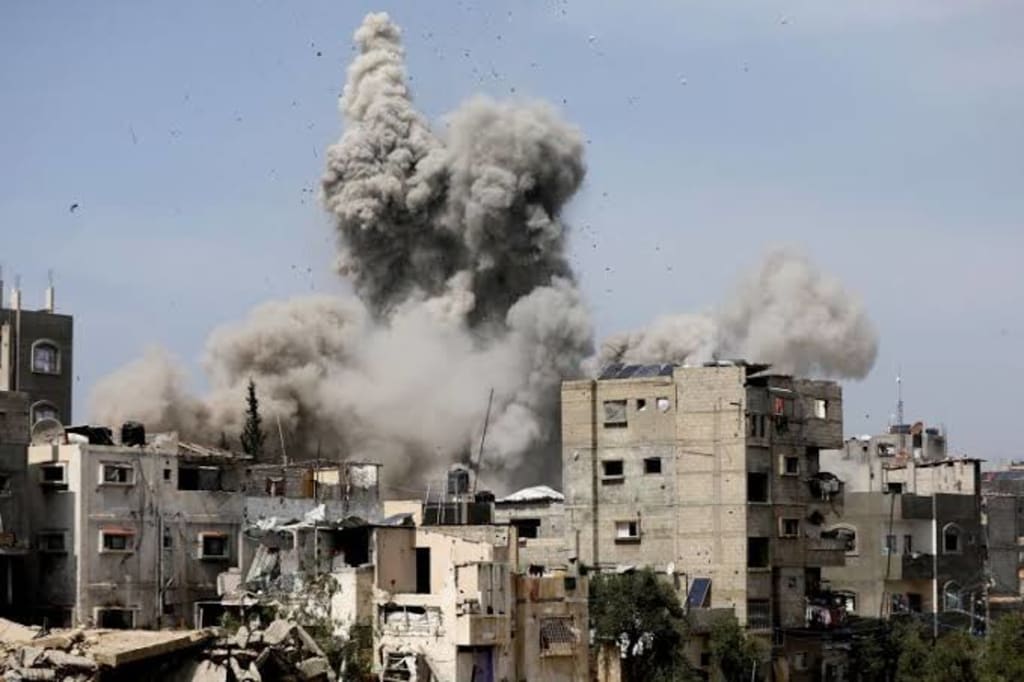
•In a devastating escalation of violence, an Israeli airstrike has destroyed a significant portion of the last fully functional hospital in Gaza City. The hospital, Al-Quds Hospital, had been one of the few remaining medical facilities still operating amidst the ongoing conflict between Israel and Palestinian militants in Gaza. This strike has sparked widespread outrage, both locally and internationally, over the destruction of critical healthcare infrastructure in a region already facing a dire humanitarian crisis.
••The Impact of the Attack••
[1] Al-Quds Hospital, located in the heart of Gaza City, had been a lifeline for thousands of Palestinians caught in the crossfire of the conflict. As Israeli airstrikes and Palestinian rocket fire have intensified in recent days, the hospital had been working tirelessly to treat civilians wounded in the bombardments. Surgeons, nurses, and doctors had been operating under extreme pressure, often working around the clock with limited resources. Despite the ongoing threat to its own safety, Al-Quds Hospital had remained open, providing essential services such as emergency care, surgeries, and trauma treatment.
[2] The airstrike, which took place in the early hours of the morning, destroyed much of the hospital’s infrastructure. The roof collapsed in several parts of the building, and key medical equipment was either damaged or destroyed. The hospital’s emergency room, which had been overwhelmed by the number of wounded civilians, is now completely unusable. At least 25 people were reported killed in the strike, including several medical staff, patients, and civilians who had sought refuge inside the hospital’s walls.
[3] The attack comes amid a broader Israeli military operation aimed at neutralizing Hamas and other militant groups in Gaza. Israel has claimed that Hamas has been using civilian infrastructure, including hospitals, as cover for its operations. However, humanitarian organizations and international observers have repeatedly raised concerns about the growing number of civilian casualties and the destruction of essential services like hospitals, schools, and water plants.
••Humanitarian Crisis in Gaza••
[1] The destruction of Al-Quds Hospital represents a major blow to the already overstretched healthcare system in Gaza. Prior to the strike, Gaza's hospitals had been facing severe shortages of medicine, supplies, and staff due to the ongoing blockade and years of intermittent conflict. The situation has only worsened since the beginning of the current conflict, with hospitals struggling to treat the large number of casualties arriving daily.
[2] The United Nations and other international humanitarian organizations had previously warned that Gaza’s healthcare system was on the brink of collapse. The loss of Al-Quds Hospital is expected to exacerbate the already dire conditions. Hospitals that remain operational are now overwhelmed, and many are facing the prospect of running out of medical supplies and fuel to operate life-saving equipment. With critical infrastructure being destroyed, the ability to respond to medical emergencies has been severely hampered.
••International Outrage and Calls for Accountability••
[1] The airstrike on Al-Quds Hospital has triggered a wave of international condemnation, with both governments and non-governmental organizations calling for an immediate ceasefire and accountability for the attack. The World Health Organization (WHO) condemned the bombing, describing it as an attack on a “vital civilian facility.” The WHO and other groups have also called on Israel to respect international humanitarian law, which prohibits attacks on medical facilities.
[2] In a statement, the United Nations expressed concern over the growing number of civilian casualties in Gaza, including the loss of medical facilities. “Hospitals should never be a target,” said UN Secretary-General Antonio Guterres, calling for an independent investigation into the attack. Human Rights Watch has also demanded that Israel be held accountable for violating the laws of war by attacking medical infrastructure.
[3] The international community has been divided in its response to the broader conflict. While Western nations, particularly the United States, have largely supported Israel’s right to defend itself against Hamas, there has been growing pressure from human rights organizations and some governments to ensure the protection of civilians and critical infrastructure in Gaza. Calls for an immediate halt to hostilities and the provision of humanitarian aid have intensified, but so far, no meaningful ceasefire has been reached.
••The Way Forward••
[1] The destruction of Al-Quds Hospital raises urgent questions about the future of healthcare in Gaza and the wider humanitarian situation. As the conflict drags on, medical facilities are likely to face even greater strain, with the risk of more attacks on hospitals and other civilian infrastructure. The international community must take immediate steps to ensure the protection of medical personnel and facilities, and to provide essential supplies to those in need.
[2] In the long term, the current escalation of violence underscores the need for a lasting political solution to the Israeli-Palestinian conflict. Until a comprehensive peace agreement is reached, the humanitarian toll in Gaza is expected to continue to rise. The international community must redouble its efforts to prevent further civilian casualties and ensure that aid reaches those who need it most.
••Conclusion••
[1] The destruction of Al-Quds Hospital is a stark reminder of the human cost of war and the vulnerability of civilian infrastructure in conflict zones. As Gaza’s healthcare system faces total collapse, the global community must come together to ensure that medical facilities are protected and that humanitarian assistance reaches those who are suffering. Until a lasting peace is achieved, the people of Gaza will continue to bear the brunt of this ongoing tragedy.
About the Creator
Mominur Rahman
writter
Enjoyed the story? Support the Creator.
Subscribe for free to receive all their stories in your feed.
Comments
There are no comments for this story
Be the first to respond and start the conversation.