
How Dead People Became Alive: The Myths, Legends, and Modern Science
Science and Religion Behind Life and Death


Introduction
Throughout history, the concept of resurrection has fascinated humanity. Stories of the dead returning to life span cultures, religions, and eras. From ancient myths to modern medical breakthroughs, the idea of bringing the dead back to life raises profound questions about the nature of life and death. In this article, we explore the intriguing journey of resurrection, examining historical beliefs, legendary tales, and the cutting-edge science that blurs the line between life and death.
Ancient Myths and Religious Beliefs
Egyptian Mythology
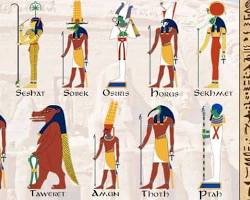
In ancient Egypt, resurrection was a cornerstone of belief. The god Osiris, who was killed and dismembered by his brother Set, was resurrected by his wife, Isis. Osiris's resurrection symbolized the eternal cycle of life and death, influencing Egyptian burial practices and their focus on the afterlife.
Christianity
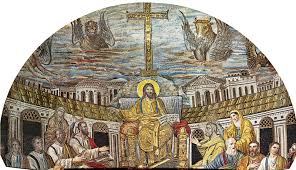
Christianity is built on the resurrection of Jesus Christ, who, according to the New Testament, rose from the dead three days after his crucifixion. This event is celebrated during Easter and signifies hope, renewal, and eternal life for believers.
Hinduism
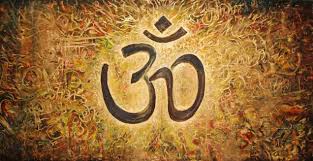
In Hinduism, the cycle of death and rebirth, known as samsara, is a fundamental concept. Deities like Shiva and Vishnu are often depicted with powers of resurrection, illustrating the belief in reincarnation and the continuation of the soul.
Legends and Folklore
Zombies in Haitian Vodou
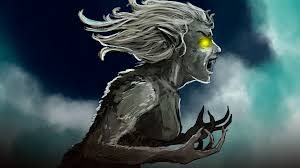
Haitian Vodou folklore tells of bokors (sorcerers) who can revive the dead, turning them into mindless zombies. These stories highlight fears of losing autonomy and the darker side of resurrection, where the revived serve the whims of their masters rather than enjoying a second chance at life.
The Phoenix

The legend of the Phoenix, a bird that dies in flames and is reborn from its ashes, is a powerful symbol of regeneration and immortality. This myth has been embraced by various cultures, including Greek, Egyptian, and Chinese, representing renewal and the cyclical nature of life.
Medical Marvels: The Science of Revival
Cardiopulmonary Resuscitation (CPR)
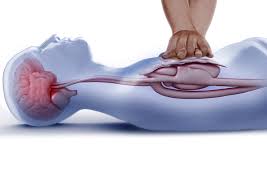
One of the most significant advancements in modern medicine is CPR, a technique that can revive someone whose heart has stopped. Developed in the 1960s, CPR has saved countless lives, turning the once irreversible condition of cardiac arrest into a temporary state.
Cryonics
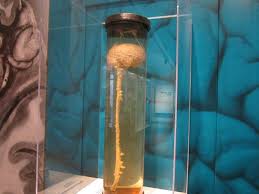
Cryonics is the preservation of bodies at extremely low temperatures with the hope of future revival. While controversial and not yet scientifically proven, cryonics represents a blend of faith in future technology and the desire to overcome death.
Advances in Resuscitation Science
Recent advances in resuscitation science have pushed the boundaries of what we consider "dead." Techniques like therapeutic hypothermia, which cools the body to slow metabolic processes, have extended the window for successful revival after cardiac arrest. Researchers are also exploring the use of stem cells and regenerative medicine to repair damaged tissues and organs, potentially bringing people back from the brink of death.
Ethical and Philosophical Considerations
The Definition of Death
As science progresses, the definition of death becomes more complex. Traditionally defined by the cessation of heartbeat and respiration, death is now understood as a process rather than a single event. This raises ethical questions about when resuscitation should be attempted and when it is appropriate to let someone go.

Bringing someone back to life is not just about restarting biological functions; it's also about the quality of life they will experience. Advances in medical science must be weighed against potential suffering and the individual's wishes.
Conclusion
The concept of resurrection, whether through ancient myths, religious beliefs, or modern science, continues to captivate our imagination. While we have made incredible strides in understanding and even reversing death, the journey is far from over. As technology evolves and our definitions of life and death become more nuanced, the possibility of bringing the dead back to life may one day transition from myth to reality. Until then, the stories and advancements that explore this phenomenon will continue to inspire wonder and debate.
References
1. Egyptian Mythology: The Essential Guide to the Land of the Gods by Geraldine Pinch
2. The New Testament, Bible
3. Hindu Myths: A Sourcebook Translated from the Sanskrit by Wendy Doniger
4. "Zombies and Vodou" - Encyclopedia of Haitian Vodou by Mireille D. Léger
5. "The Phoenix: An Illustrated Review of the Classic Myth" by R. Van Dine
6. "History and Impact of CPR" - American Heart Association
7. "Cryonics: The Science of Life Extension" - Cryonics Institute
8. "Therapeutic Hypothermia After Cardiac Arrest" - Journal of Emergency Medicine
This article serves as a comprehensive overview of the fascinating and complex topic of resurrection, blending historical, cultural, and scientific perspectives to engage readers in a timeless human quest.
About the Creator
Kishor Pant
I am a science student.
Enjoyed the story? Support the Creator.
Subscribe for free to receive all their stories in your feed.
Comments
There are no comments for this story
Be the first to respond and start the conversation.