

Ghostly Apparitions
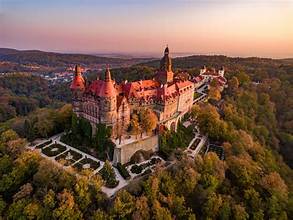
Książ Castle, located in Wałbrzych, is a stunning historical site. Known as the third largest castle in Poland, it is often referred to as the "Pearl of Lower Silesia" due to its picturesque architecture and enchanting surroundings. The castle is a popular tourist destination, offering guided tours that explore its extensive grounds and over 400 rooms. Visitors can enjoy the beautiful gardens and the surrounding woodland, which adds to its fairytale-like charm.
It is considered one of the most haunted castles in the country. Its long history includes tales of Nazi occupation, secret tunnels, and hidden treasures, contributing to its eerie reputation. The castle was used during World War II, leading to numerous ghost stories related to its dark past.
The Ghostly Spirit of the White Lady
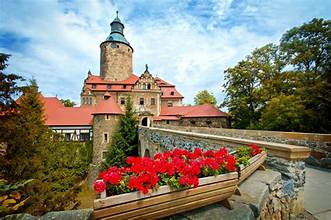
Czocha Castle, located in Lower Silesia, is a Neo-Gothic fortress built in the 13th century, renowned for its hidden passages and ghost legends. It sits on the picturesque Lake Leśniańskie, It has a rich history dating back to the 13th century, serving as a defensive fortress.
Visitors have seen the ghostly spirit of the White Lady, who is believed to have once lived in the castle and was betrayed by her lover. Strange noises have been heard and unexplained cold spots felt.
Haunted by Ghostly Soldiers
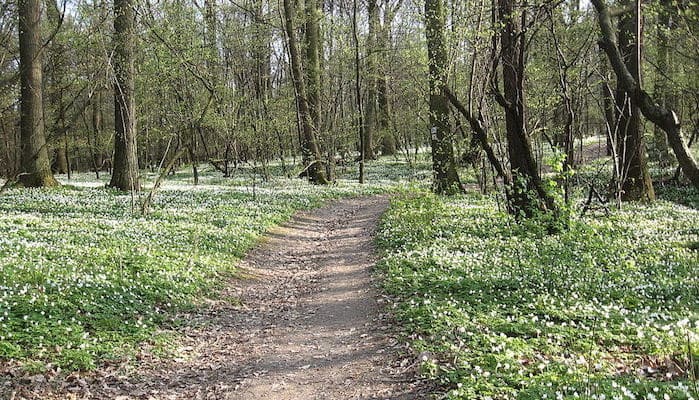
Situated in Krakow, the Forest of Wolski is a haunted location. The forest is haunted by ghostly soldiers who perished during WW II. Visiting the forest at night, people have heard ghostly whispers and have seen shadowy figures among the trees.
Anyone for mushroom picking or a brisk walk in the forest?
Haunted by Princess Elzbieta Lubomirska
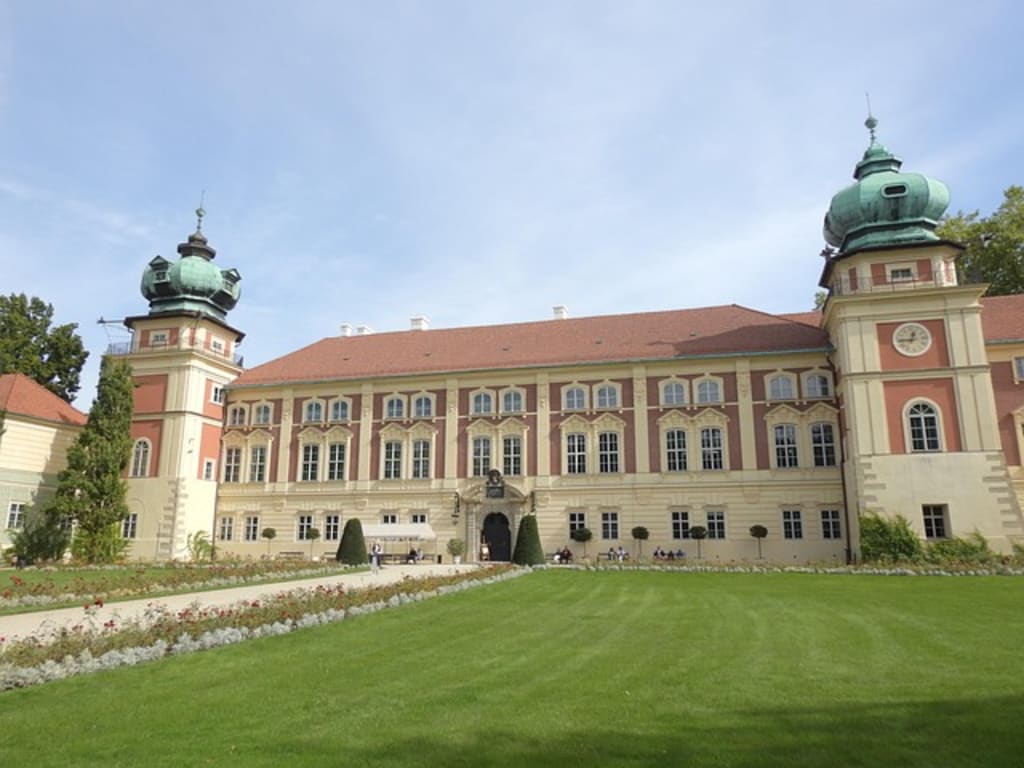
Łańcut Castle, located in southeastern Poland, is renowned for its stunning architecture and rich history, having survived World War II largely intact. It features exquisite interiors and a notable collection of horse-drawn vehicles, making it a significant cultural site. (pictured above)
It is renowned for its ghost stories, particularly that of Princess Elzbieta Lubomirska, who is said to haunt the castle, pen in hand, writing unfinished letters to her forbidden love.
The ballroom is rumored to be cursed, linked to a dark pact.
A maid from the Potocki family’s chambers is also said to haunt the castle after a tragic end.
The Ghostly Monk
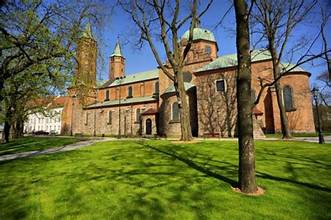
Płock Cathedral, also known as the Cathedral of the Blessed Virgin Mary of Masovia, is a significant Roman Catholic cathedral located in Płock. It serves as a historical landmark and was the main church of the Płock bishopric, founded in 1075. It is a prime example of Romanesque architecture, showcasing intricate designs and historical elements.
Legend has it that a ghostly monk wanders the corridors at night; his footsteps can be heard echoing in the empty halls.
The Legend of the Wawel Chakra
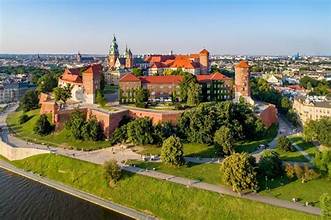
Wawel Castle, located in Kraków, is a historic royal residence and a symbol of Polish statehood, dating back to the 11th century. It features a mix of architectural styles, including Gothic and Renaissance, and is situated on Wawel Hill overlooking the Vistula River. The castle complex includes museums, the Wawel Cathedral, and the famous Dragon's Den.
Visitors have reported encounters with the spirits of former kings and other historical figures, particularly in the cathedral crypt. The castle is associated with various legends, including that of a dragon said to have lived in a cave beneath it.
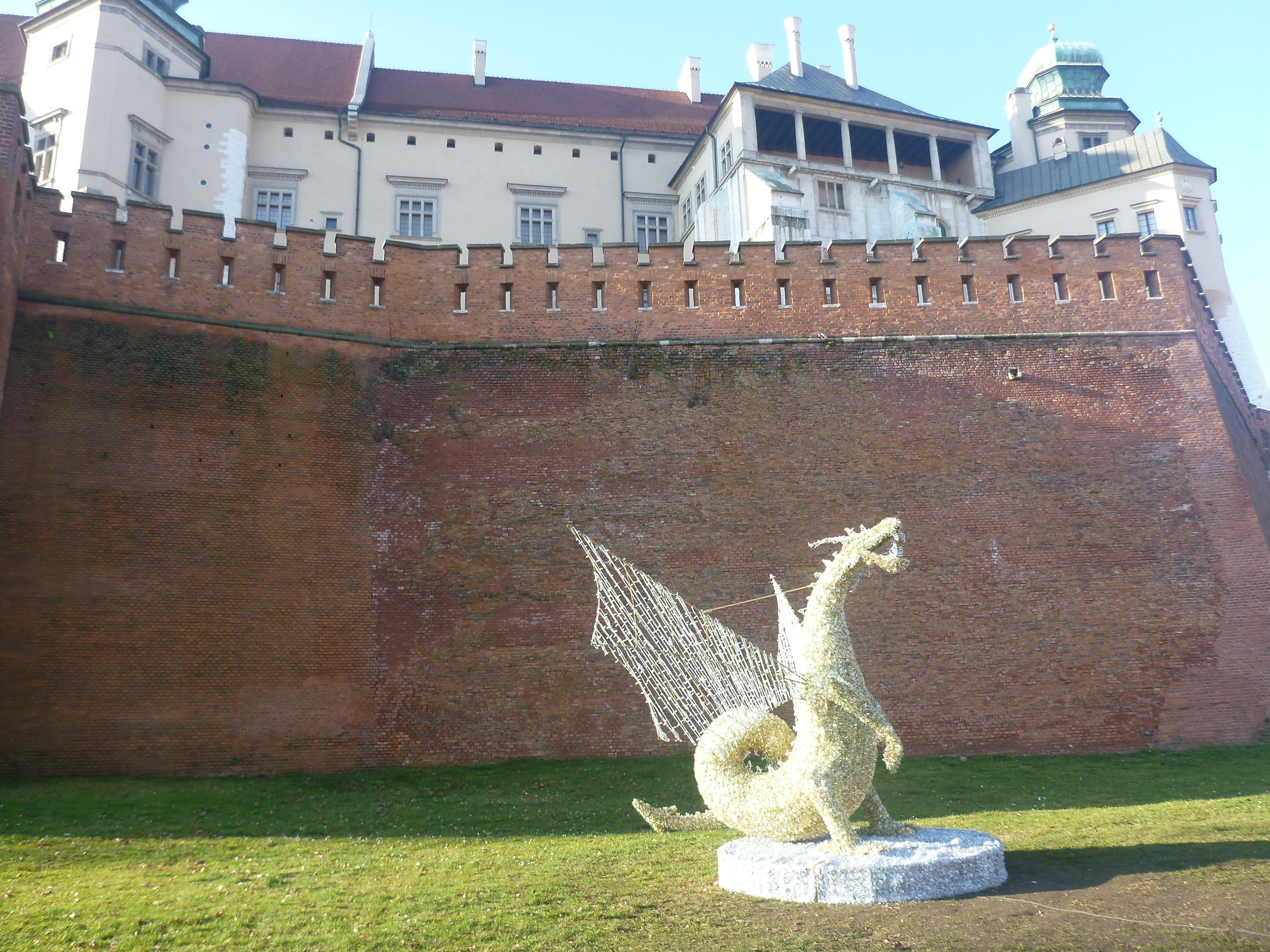
Dragon's Den, located beneath Wawel Hill, is a limestone cave associated with the legendary Wawel Dragon. This cave is a significant tourist attraction, featuring a statue of the dragon that breathes fire, and it is steeped in local folklore dating back to the 13th century.
The legend of the Wawel Chakra, a mystical energy point, adds another layer of intrigue to this ancient fortress. This area is often associated with New Age beliefs and is considered one of the Earth's energy centers.
Ghostly Miners
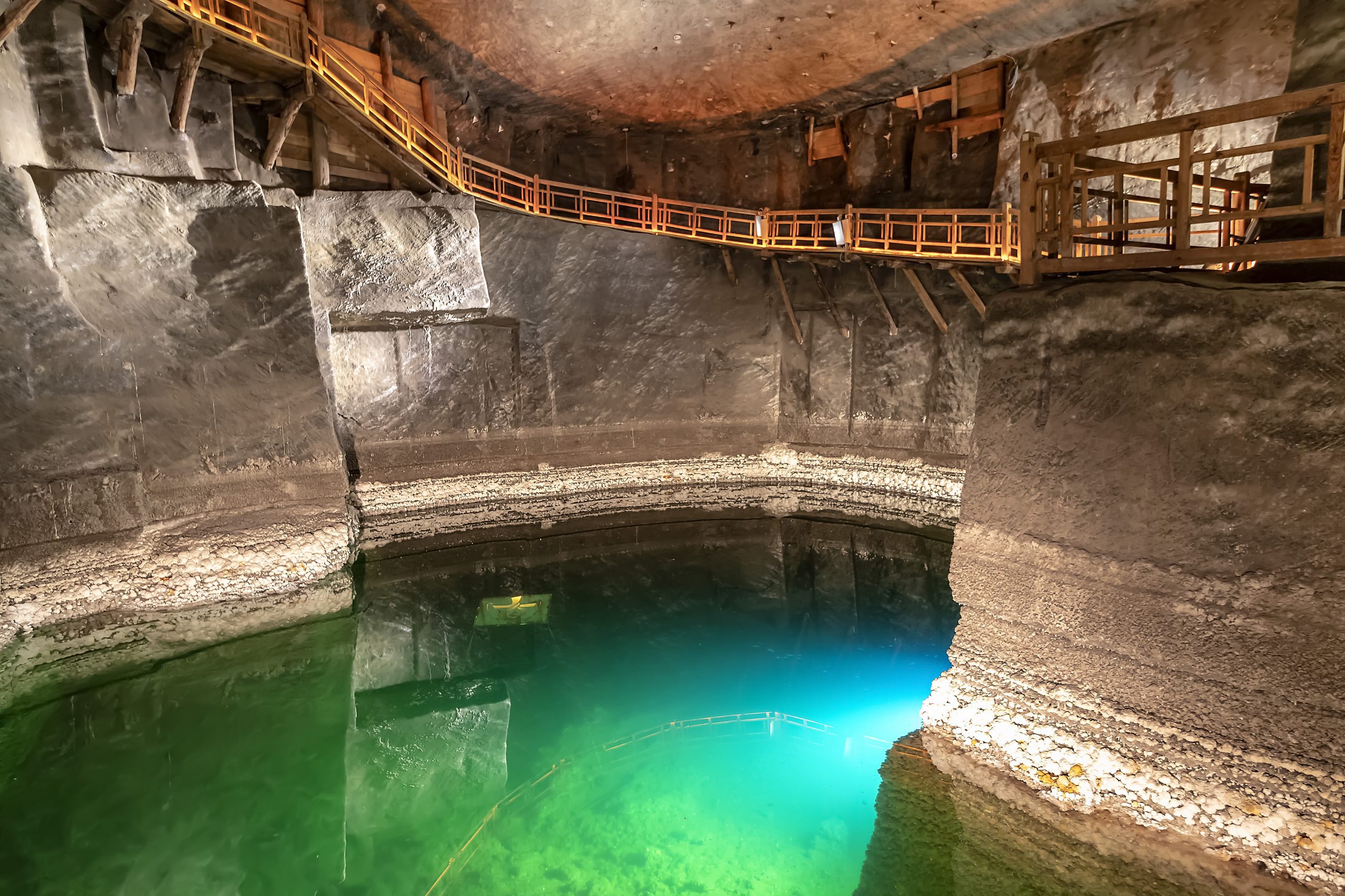
The Wieliczka Salt Mine, located near Kraków, is one of the oldest salt mines in the world, dating back to the 13th century. It features an extensive underground network of chambers and sculptures carved from salt, making it a UNESCO World Heritage Site. According to legend, the mine was discovered in 1252 when Saint Kinga threw her engagement ring into a Hungarian salt mine, which later appeared in Wieliczka.
There have been reports of ghostly miners who perished in tragic accidents. Visitors have heard disembodied voices and seen ghostly apparitions in the dimly lit tunnels.
About the Creator
Rasma Raisters
My passions are writing and creating poetry. I write for several sites online and have four themed blogs on Wordpress. Please follow me on Twitter.
Enjoyed the story? Support the Creator.
Subscribe for free to receive all their stories in your feed. You could also become a paid subscriber, letting them know you appreciate their work.
Comments
There are no comments for this story
Be the first to respond and start the conversation.