
Dr. Jekyll and Mr. Hyde Ending Explained: The Dark Truth Behind Jekyll’s Double Life (Spoilers)
Robert Louis Stevenson’s classic gothic story hides one of literature’s most famous twists. Here is the complete Dr. Jekyll and Mr. Hyde story, mystery, transformation and ending explained.

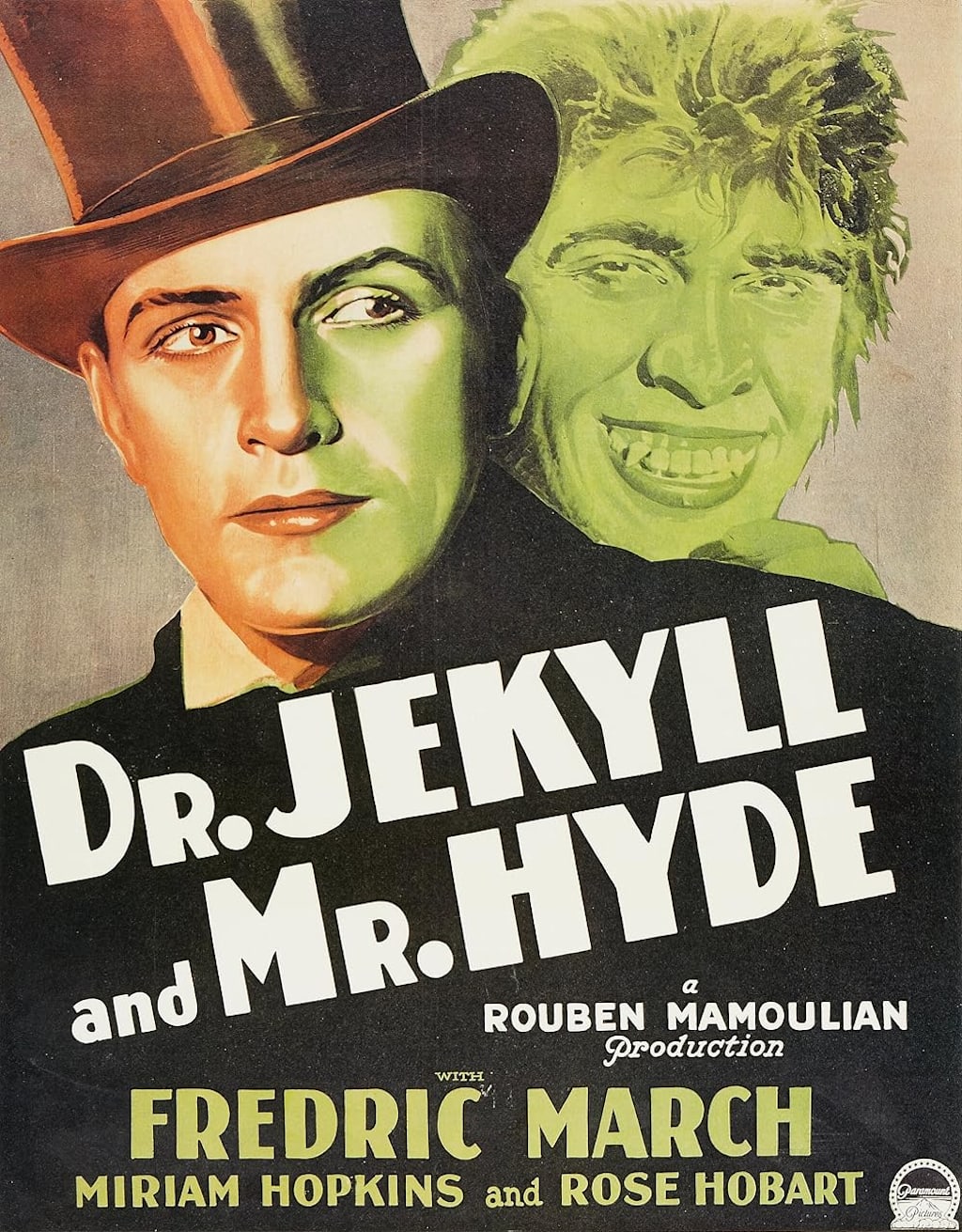
Spoiler Warning: This article contains major spoilers for Strange Case of Dr Jekyll and Mr Hyde, including the final identity reveal and ending.
Robert Louis Stevenson’s Strange Case of Dr Jekyll and Mr Hyde was published in 1886 and became one of the most recognizable stories in gothic literature. What begins as a disturbing mystery involving a respectable doctor and a terrifying stranger eventually reveals a much darker truth about human nature.
Today, almost everyone has heard the phrase “Jekyll and Hyde,” but for the original audience, the story’s central revelation was a genuine shock. Dr. Henry Jekyll and Edward Hyde are not simply two men connected by a dangerous secret. They are two sides of the same person.
Dr. Jekyll and Mr. Hyde Story Summary
The story is largely followed through Gabriel John Utterson, a lawyer and close friend of the respected Dr. Henry Jekyll.
One day, Utterson’s friend Richard Enfield tells him about a disturbing incident involving a strange man named Edward Hyde. Hyde had brutally trampled a young girl and later paid compensation using money connected to Dr. Jekyll.
The situation becomes even more suspicious when Utterson discovers that Jekyll’s will states that Edward Hyde should inherit his property if Jekyll dies or mysteriously disappears.
Utterson begins to suspect that Hyde may be blackmailing Jekyll. Jekyll, however, refuses to properly explain their relationship and insists that he can get rid of Hyde whenever he chooses.
But the truth is far more frightening.
Who Is Edward Hyde?
Edward Hyde appears to represent everything Dr. Jekyll tries to hide from the respectable Victorian society around him.
Jekyll is intelligent, wealthy and socially respected. Yet he believes that every human being contains conflicting desires—one side that wants to behave morally and another that wants complete freedom from responsibility.
Instead of accepting both sides of himself, Jekyll attempts to separate them through science.
He creates a chemical mixture that physically transforms him into another person: Edward Hyde.
As Hyde, Jekyll can act on his darkest impulses without damaging the reputation of Dr. Henry Jekyll.
At first, Jekyll sees this transformation almost as freedom.
That freedom soon becomes an addiction.
Why Does Dr. Jekyll Keep Becoming Mr. Hyde?
Initially, Jekyll believes he controls Hyde.
He takes the chemical mixture when he wants to transform and another dose when he wants to return to his normal body.
But every time Jekyll allows Hyde to exist, Hyde becomes stronger.
This is one of the most important ideas in Dr. Jekyll and Mr. Hyde. Jekyll believes evil can be separated, controlled and used whenever convenient. Instead, repeatedly feeding his darker personality gives it greater power over him.
Soon, the transformations no longer happen only when Jekyll chooses them.
Hyde begins appearing involuntarily.
Jekyll is losing control of his own identity.
The Murder of Sir Danvers Carew Changes Everything
Hyde’s violence eventually becomes far more serious.
A witness sees Edward Hyde brutally murder Sir Danvers Carew with a cane. Hyde then disappears, while the police begin searching for him.
The murder terrifies Jekyll.
He promises himself that Hyde is finished and temporarily returns to his respectable life. But his ability to control the transformation continues to weaken.
Eventually, Jekyll suddenly transforms into Hyde even without taking the original drug.
The experiment is no longer something he controls.
It controls him.
Dr. Lanyon Discovers the Horrifying Truth
Another important character, Dr. Hastie Lanyon, becomes involved when Hyde needs chemicals from Jekyll’s laboratory.
Hyde prepares the mixture in front of Lanyon and drinks it.
Then the impossible happens.
Edward Hyde physically transforms into Dr. Henry Jekyll.
Lanyon finally learns the secret: Jekyll and Hyde are the same man.
The revelation is so horrifying that Lanyon’s health rapidly collapses, and he eventually dies.
Dr. Jekyll and Mr. Hyde Ending Explained
Near the ending, Jekyll isolates himself inside his laboratory.
His butler, Poole, becomes terrified because the person inside no longer seems like his master. He asks Utterson for help.
Eventually, Utterson and Poole break into the laboratory.
Instead of finding Dr. Jekyll, they discover Edward Hyde dead and wearing Jekyll’s clothes.
The complete truth is finally revealed through Jekyll’s written confession.
Jekyll explains that he created the potion because he wanted to divide the two sides of his personality. The experiment successfully created Hyde, but Jekyll underestimated what would happen when his darker impulses were given their own identity and freedom.
Over time, Hyde became stronger while Jekyll became weaker.
Worse still, Jekyll eventually discovered that the original chemical mixture depended on an impurity in one of its ingredients. When he tried to obtain a new supply, the replacement chemicals did not work in exactly the same way.
Without a reliable way to transform back into Jekyll, he realizes that he may eventually remain Edward Hyde permanently.
The experiment has completely destroyed him.
At the end, Hyde dies in the laboratory, bringing the lives of both Hyde and Jekyll to an end.
What Does the Ending Really Mean?
The ending is more than the conclusion of a horror mystery.
Jekyll’s greatest mistake is believing that he can divide himself into a completely good person and a completely evil one.
Instead of taking responsibility for his desires, he creates Hyde as a way of escaping consequences.
But Hyde is still Jekyll.
The violence, cruelty and selfish desires do not come from an unrelated monster. They come from a part of Jekyll himself.
That makes the story far more disturbing.
The monster is not standing outside the respectable man.
The monster is already inside him.
Why the Jekyll and Hyde Twist Was So Powerful
Modern audiences usually know the secret before reading the book because “Jekyll and Hyde” has become part of popular culture.
But imagine reading the story without knowing the twist.
For much of the novella, Stevenson encourages readers to believe that Hyde is a separate criminal who somehow has power over Jekyll. Utterson suspects blackmail, while Jekyll’s strange behavior makes the mystery increasingly disturbing.
Only near the end does the truth emerge.
Jekyll was never Hyde’s victim in the way everyone imagined.
He created Hyde.
And he was Hyde.
For readers encountering the story in the nineteenth century without spoilers, that revelation completely changed everything that came before it.
The Real Message of Dr. Jekyll and Mr. Hyde
Dr. Jekyll and Mr. Hyde remains powerful because its central idea is still easy to understand.
People often present one version of themselves to society while hiding thoughts, desires or behavior they do not want others to see.
Jekyll takes that ordinary human conflict to an extreme.
He tries to give his hidden side a separate face.
But the more freedom he gives it, the stronger it becomes.
Stevenson’s story ultimately suggests that people cannot escape responsibility simply by hiding behind another identity. Suppressed desires do not automatically disappear, and allowing destructive impulses to grow without limits can have terrible consequences.
More than a century after its publication, that is why the story of Jekyll and Hyde continues to feel so unsettling.
About the Creator
parwinder singh
🎬 Movie & Entertainment Writer sharing reviews, ending explanations, story breakdowns, plot twists and hidden details from Bollywood, Hollywood, South Indian cinema, Korean dramas and OTT releases.
Enjoyed the story? Support the Creator.
Subscribe for free to receive all their stories in your feed.
Comments
There are no comments for this story
Be the first to respond and start the conversation.