
Cultural Impact
The Cultural Impact of Media: How Stories Shape Society

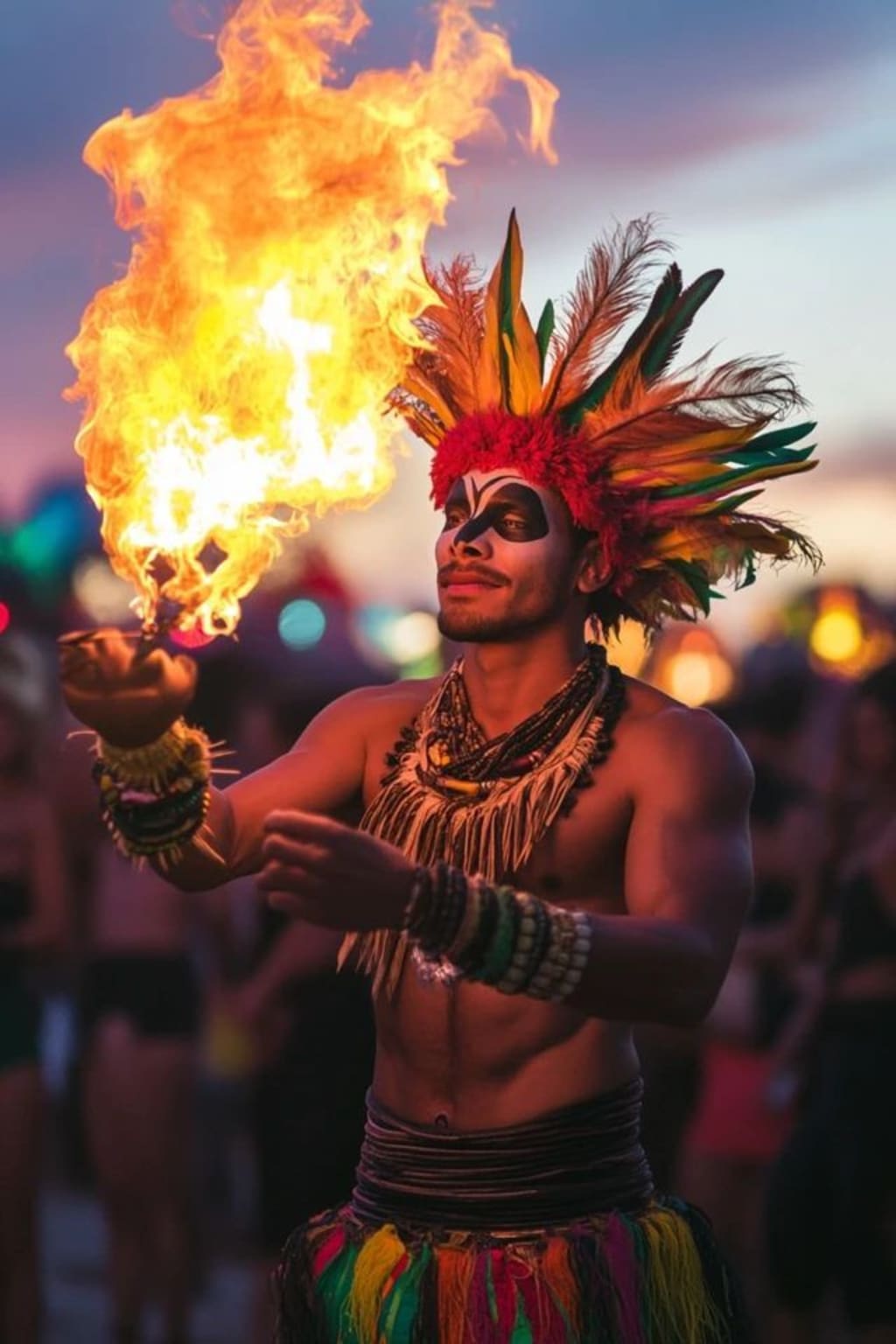
Introduction Culture is not static—it evolves through art, music, literature, and media. From ancient myths to modern Netflix series, stories influence how we think, behave, and perceive the world. But what exactly is cultural impact? How do films, books, and social media reshape societies? And why do some stories endure for centuries while others fade?
This article explores: ✔ What defines cultural impact? ✔ The most influential books, films, and movements ✔ How media shapes politics, fashion, and language ✔ The dark side of cultural influence
Chapter 1: What Is Cultural Impact? Cultural impact refers to the lasting effect a piece of media, art, or movement has on society. It can: Change public opinion (e.g., Uncle Tom’s Cabin fueling anti-slavery sentiment) Launch trends (e.g., The Great Gatsby inspiring 1920s fashion revivals) Alter language (e.g., *1984* popularizing terms like "Big Brother") Shift societal norms (e.g., Will & Grace normalizing LGBTQ+ representation) Measuring Cultural Impact Longevity – Does it remain relevant for decades? (e.g., Shakespeare) Influence on other creators – How many artists cite it as inspiration? Memes & references – Is it widely quoted or parodied? (e.g., The Godfather) Chapter 2: The Most Culturally Influential Works Books That Changed the World The Bible – Shaped Western morality, art, and law. 1984 by George Orwell – Defined dystopian fears of surveillance. Harry Potter Series – Revived global interest in reading, influenced a generation. To Kill a Mockingbird – Advanced racial justice discussions. Films & TV That Redefined Culture Star Wars (1977) – Revolutionized cinema, spawned a multimedia empire. The Matrix (1999) – Popularized cyberpunk, questioned reality. *Friends (1994-2004)* – Defined 90s-2000s humor, fashion, and friendship ideals. Black Panther (2018) – Celebrated Afrofuturism, broke Hollywood barriers. Music & Movements The Beatles – Transformed pop music, influenced fashion and activism. Hip-Hop (1970s-present) – From Bronx streets to global dominance, shaping slang, politics, and style. Beyoncé’s Lemonade – Merged music, Black feminism, and visual storytelling. Chapter 3: How Media Shapes Society 1. Politics & Activism All in the Family (1970s) tackled racism and homophobia. The Handmaid’s Tale became a symbol for women’s rights protests. K-pop fandoms organize mass political movements (e.g., #BTSBlackLivesMatter donations). Chapter 2. Fashion & Aesthetics The Devil Wears Prada exposed fashion industry power dynamics. Anime popularized Harajuku streetwear and cosplay culture. TikTok trends dictate fast fashion (e.g., cottagecore, dark academia). 3. Language & Slang Shakespeare invented words like "gossip" and "bedroom." Drake’s "YOLO" (2011) became a generational motto. Internet memes (e.g., "OK Boomer") enter mainstream dictionaries. Chapter 4: The Dark Side of Cultural Influence Not all impact is positive. Media can also: 1. Spread Misinformation QAnon grew from viral conspiracy theories. Deepfake videos manipulate public perception. 2. Reinforce Stereotypes Early Hollywood whitewashing (e.g., Breakfast at Tiffany’s). Toxic fandoms harassing creators (e.g., Star Wars sequel backlash). 3. Consumerism & Overexposure Disney’s dominance risks homogenizing global storytelling. "Cancel culture" debates over artistic freedom vs. accountability. Chapter 5: Why Some Stories Last Centuries What gives a work staying power? ✔ Universal themes (love, death, power) ✔ Emotional resonance (e.g., Titanic’s tragedy) ✔ Adaptability (e.g., Sherlock Holmes reinterpreted endlessly) Case Study: Pride and Prejudice Written in 1813, yet remains relevant through: Modern retellings (Bridgerton, Pride and Prejudice and Zombies) Memes ("Mr. Darcy hand flex") Feminist reanalysis Conclusion: The Future of Cultural Impact In the digital age, cultural influence spreads faster than ever. TikTok dances spark global trends. A single tweet can ignite movements. Key questions moving forward: Will AI-generated art reshape creativity? Can viral trends have lasting meaning, or are they fleeting? How do we balance free expression with ethical storytelling? One thing is clear: culture is a conversation—and everyone has a voice. What’s the most culturally impactful movie/book/show you’ve experienced? Did it change how you see the world? Chapter 6: The Science of Storytelling - Why Our Brains Crave Certain Narratives The Neuroscience of Lasting Stories Recent studies in cognitive psychology and neuroscience reveal why some stories become timeless while others fade: 1. The "Hero’s Journey" is Hardwired Joseph Campbell’s monomyth theory (1949) shows that stories like The Odyssey and Star Wars follow similar patterns because they mirror human psychological development. fMRI scans show our brains light up when hearing familiar narrative structures. 2. Emotional Contagion Stories that trigger strong emotions (like Romeo and Juliet’s tragedy) create deeper memory encoding. Research shows oxytocin release during empathetic stories increases connection to characters. 3. Mirror Neurons & Immersion When we see a character fall in love or fight a dragon, our mirror neurons fire as if we’re experiencing it ourselves. This explains why vivid, sensory-rich stories (like The Lord of the Rings) endure. What’s the most culturally impactful movie/book/show you’ve experienced? Did it change how you see the world? Let’s discuss in the comments!
About the Creator
Silas Blackwood
Lost in dark stories. Found in twisted endings.
Enjoyed the story? Support the Creator.
Subscribe for free to receive all their stories in your feed.
Comments
There are no comments for this story
Be the first to respond and start the conversation.