
Beyond the Veil
Uncovering Halloween's Darkest Secrets
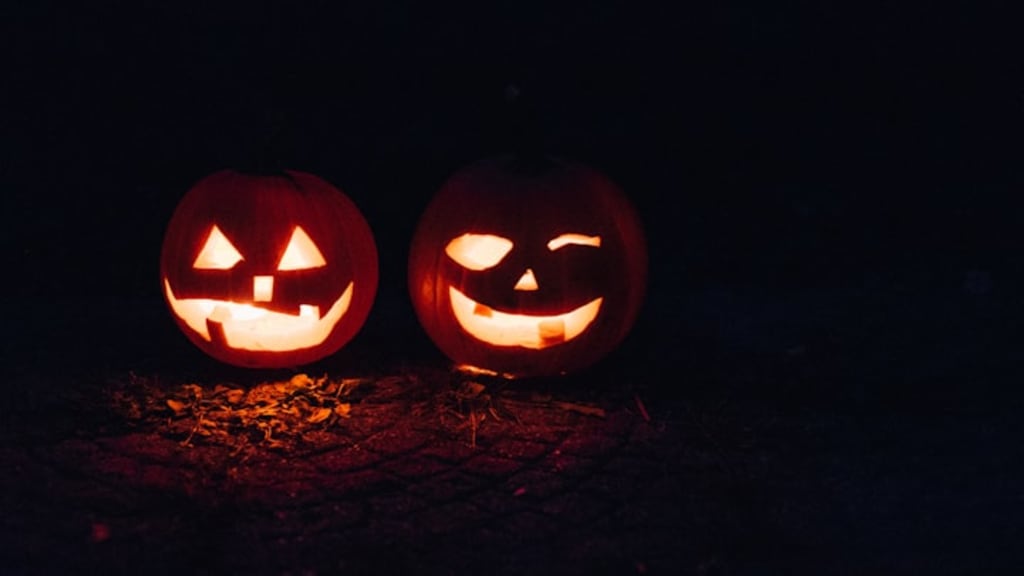
Halloween, a holiday now synonymous with costumes, candy, and haunted houses, holds a much deeper, darker significance that dates back thousands of years. While the contemporary celebration of Halloween is often filled with playful frights and spooky fun, its origins and the hidden meanings behind many of its traditions reveal a more eerie and complex history. From ancient Celtic rituals to the rise of supernatural folklore, Halloween has evolved into a celebration of both the living and the dead. But what lies beyond the veil of jack-o’-lanterns and trick-or-treating? Let’s uncover Halloween’s darkest secrets.
The Ancient Roots: Samhain and the Celtic Connection
Halloween's origins trace back to the ancient Celtic festival of **Samhain** (pronounced “sow-en”), which marked the end of the harvest season and the beginning of winter. Samhain, celebrated on the night of October 31st, was believed to be a time when the veil between the living and the spirit world was at its thinnest. This liminal moment allowed spirits of the deceased to return to the mortal realm.
For the Celts, death wasn’t an end, but a transition—spirits of ancestors were thought to visit their families, offering blessings or warnings. To honor these spirits, the Celts lit bonfires and wore costumes, often made of animal skins, to ward off evil spirits and to blend in with the supernatural visitors. These customs would eventually evolve into the modern-day traditions of dressing up for Halloween and carving pumpkins (a practice inspired by the Celtic tradition of carving turnips or gourds to ward off malevolent spirits).
The Christianization of Samhain: All Hallows' Eve
With the spread of Christianity, many of the ancient pagan traditions were absorbed into Christian practices. In the 8th century, Pope Gregory III designated November 1st as **All Saints' Day** (also known as **All Hallows’ Day**) to honor Christian saints and martyrs. The night before—October 31st—became known as **All Hallows' Eve**, which eventually morphed into **Halloween**.
While the Christian church tried to suppress pagan customs, the old beliefs about the dead and the supernatural did not vanish. Instead, they were woven into the fabric of the new religious observances. The idea of spirits visiting on the night before All Saints’ Day continued to be central to Halloween, now reimagined as a night for mischievous spirits, ghosts, and the undead to roam the earth.
The Dark Legacy of the Witch: Superstition and Fear
As Halloween continued to evolve, it also became tied to the growing fear of witchcraft and the occult during the Middle Ages and the early modern period. The burning of witches at the stake, particularly in Europe, coincided with the rising belief that Halloween was a time when the dark forces of magic were at their peak.
Witches, once seen as healers or wise women, were now depicted as agents of evil, often associated with spells, hexes, and pacts with the Devil. Halloween became a night of heightened superstition, where people would take extra precautions to avoid encountering witches, demons, or other dark entities. The iconic imagery of witches riding broomsticks, black cats, cauldrons, and spell books can be traced to these superstitions, reinforcing the connection between Halloween and the forces of darkness.
The Rise of Ghosts and Monsters: Tales of the Undead
In addition to witches, Halloween has long been a time for the dead to return, not just in spirit but in physical form as well. Ghosts, vampires, werewolves, and other creatures of the night gained prominence in folklore, particularly in the 18th and 19th centuries. The idea that the dead could walk the earth—either in spirit or as reanimated corpses—became a central theme in Halloween lore.
In many cultures, the dead were thought to linger around the living, either because of unfinished business or because they had not been properly honored. Ghost stories and tales of restless spirits became a staple of Halloween traditions. The Victorian era, with its fascination for the supernatural and the macabre, further cemented Halloween's reputation as a time for all things ghostly. Writers like Edgar Allan Poe, Mary Shelley, and Bram Stoker contributed to the mythos of Halloween with their gothic tales of haunted houses, monstrous creatures, and tragic encounters with the supernatural.
The Americanization of Halloween: Commercialization and the Modern Holiday
When Halloween made its way to America in the 19th century, it was transformed by a blend of European traditions, the rise of consumer culture, and the growing popularity of secular celebrations. Halloween gradually shifted from a night of spirits and the occult to a more family-friendly occasion filled with costumes, parades, and parties. By the mid-20th century, Halloween had become a commercialized holiday, with candy companies, costume manufacturers, and entertainment industries capitalizing on the spooky season.
Despite this commercialization, the eerie undercurrent of Halloween’s history remains. The haunted house attractions, horror films, and folklore continue to evoke the darker elements of Halloween’s past. The symbols of death, ghosts, and the supernatural still haunt the holiday, even as its focus has shifted to fun and fantasy.
The Darker Side of Trick-or-Treating
Trick-or-treating, one of the most beloved Halloween traditions, also has its roots in more somber practices. In medieval Europe, **souling** was a custom where the poor would go door to door, offering prayers for the dead in exchange for food. Over time, this evolved into “guising,” where children would dress in costumes and perform songs or jokes in exchange for treats.
However, the tradition of “tricks” is not without its darker side. Originally, mischief and pranks—often destructive or mischievous in nature—were an integral part of Halloween. Vandals would use the opportunity to engage in acts of trickery, ranging from harmless practical jokes to more sinister pranks. In some cases, it was believed that trick-or-treating was a way of appeasing the spirits to prevent them from causing harm or mischief. The "trick" in trick-or-treating was a subtle reminder that Halloween was once a time for balancing the forces of light and darkness.
Modern Interpretations: Embracing the Darkness
Today, Halloween remains a unique celebration where people can embrace both the lighter and darker sides of life. For many, it is a chance to confront their deepest fears in the safety of a costume or a haunted house. Horror films and haunted attractions continue to thrive, while modern folklore, like urban legends of killer clowns or haunted dolls, take on new forms in the digital age.
For others, Halloween is a spiritual time, drawing on the ancient traditions of honoring the dead and acknowledging the mysteries beyond the physical world. In contemporary pagan and Wiccan practices, Samhain remains one of the most sacred holidays, celebrated with rituals to honor ancestors and to connect with the spiritual realm.
Conclusion: A Night of Shadows and Light
Halloween, in all its spooky, candy-filled glory, is a holiday that beckons us to step beyond the veil and confront the mysteries of life, death, and the supernatural. Its dark history—from ancient Celtic rituals to the witch trials, ghost stories, and modern horror—reminds us that beneath the surface of the holiday lies a deep connection to our past and our collective fears. Whether you are dressing up as your favorite monster, telling ghost stories, or honoring your ancestors, Halloween offers a moment to embrace the darker side of life, and perhaps, even to make peace with the unknown.
About the Creator
Enjoyed the story? Support the Creator.
Subscribe for free to receive all their stories in your feed.
Comments
There are no comments for this story
Be the first to respond and start the conversation.