
A Graveside Gallery
Beauty and Decay Beneath the Soil

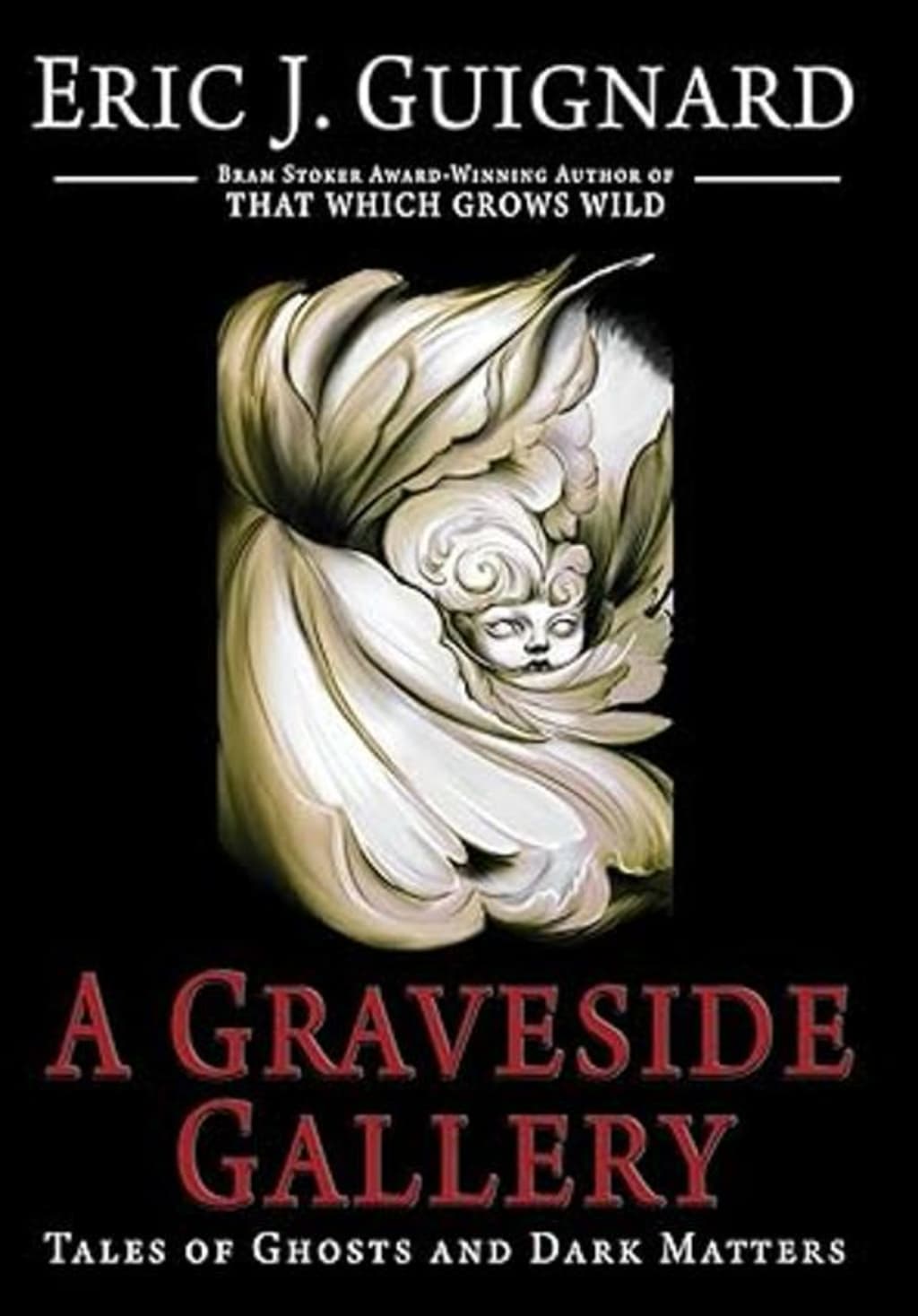
The Caretaker of the Graveside Gallery
The cemetery had no name—at least, none that anyone remembered. It stood beyond the edge of a forgotten town, where paved roads faded into dirt and the air turned still in a way that felt unnatural. People avoided it, not out of superstition, but because of something harder to explain. Those who entered rarely spoke about what they experienced. Some never returned at all.
Elias Varn had been its caretaker for nearly twenty years. No one could say exactly when he arrived. Some believed he had once been a grieving husband who refused to leave after burying his wife. Others claimed he had simply appeared one morning beside the rusted gates, as if he had always been part of the place. Elias never corrected them. He lived quietly in a small stone house at the cemetery’s edge, tending to the graves with a patience that bordered on reverence. He brushed dirt from worn names, straightened fallen markers, and often whispered under his breath as if speaking to those buried beneath the soil.
To Elias, the cemetery was not a resting place. It was a gallery. Each grave marked not an ending, but a story—one preserved beneath the surface, waiting to be remembered. And at night, when fog rolled low across the ground and the world beyond fell silent, those stories surfaced. Not as ghosts, not as anything solid, but as fragments—memories drifting through the air like echoes searching for form.
He had learned how to listen.
One cold autumn evening, a young woman appeared at the gate. She hesitated before stepping inside, clutching a folded piece of paper. Her eyes scanned the rows of graves as if searching for something she wasn’t sure she would find. Elias approached her quietly.
“You’re late,” he said.
She startled. “I didn’t know there was a closing time.”
“There isn’t,” he replied. “But the dead prefer earlier hours.”
She gave him a confused look, unsure whether he was serious. “I’m looking for someone,” she said, handing him the paper. “My brother. He died years ago. I was told he might be buried here.”
Elias studied the name, then nodded slowly. “He is here.”
He led her deeper into the cemetery, past crooked stones and forgotten names. The air grew colder with every step until they reached a grave that stood apart from the others. It was unmarked—no name, no dates, just a smooth slab of stone.
“This can’t be right,” she said. “Where’s his name?”
Elias looked at the grave for a long moment before answering. “Some stories are too complicated to be written in stone.”
As the sun dipped below the horizon, the atmosphere shifted. The silence thickened, pressing in from all sides. Then the ground above the grave shimmered. The woman gasped as shapes formed in the air—faint at first, then clearer. A boy running through open fields. A man arguing in anger. A moment of betrayal. A night filled with regret. The images moved like living memories, flowing one into another.
“That’s him,” she whispered, dropping to her knees. “That’s my brother.”
Tears ran down her face as she watched a version of him she had never known—one filled with flaws, mistakes, and quiet moments she had never seen.
“This place doesn’t show who people were,” Elias said softly. “It shows who they truly were.”
“Why would anyone want that?” she asked.
“Because the truth is the only thing that remains,” he replied.
The vision faded, leaving only the blank stone. The woman sat trembling, her understanding of her brother shattered and reshaped at the same time. “I didn’t know,” she said. “I didn’t know any of that.”
“Most people don’t,” Elias said.
She hesitated, then looked up at him. “Can I see more?”
“Once you begin, you cannot unsee it,” he warned.
But she nodded.
They moved through the cemetery, stopping at different graves. Each one revealed another story—a soldier praised as a hero who had lived with crushing guilt, a mother remembered as kind who carried hidden resentment, a child whose brief life had quietly changed those around them. With each vision, the woman’s perception of people shifted. No one was as simple as they seemed.
After a while, she turned to Elias. “Why do you stay here?”
He was silent for a long time. “Because I belong here,” he said at last.
“What does that mean?”
He gestured to the graves. “I am one of them.”
The air grew colder. The fog thickened. For the first time, she noticed something she hadn’t before—Elias cast no shadow.
“You’re… dead?” she asked, her voice barely steady.
He nodded. “I have been for a very long time.”
“Then why are you still here?”
“Because someone must keep the stories alive.”
He led her to one final grave. Unlike the others, this one had a name carved into it: Elias Varn.
She stared at it, confused. “But you’re standing right here.”
“Watch,” he said.
The air shimmered again, and this time the story was his. A man consumed by grief. A husband unable to let go. A soul that refused to leave. He had stayed, bound not by chains, but by purpose—choosing to remain among the dead to preserve what others had forgotten.
When the vision faded, the woman stood in silence. “You stayed all this time… alone.”
“Not alone,” Elias said quietly. “Never alone.”
Dawn began to break, and the fog slowly lifted. The cemetery returned to stillness, as if nothing had happened. The woman turned toward the gate, her mind heavy with everything she had seen. Before leaving, she looked back.
“Will I come back?” she asked.
Elias gave a faint smile. “Everyone does.”
Years later, another figure would stand at the gate—hesitant, searching, unsure. Inside, a caretaker would walk among the graves, listening to the stories beneath the earth.
But it would no longer be Elias.
And the gallery would remain, waiting.
About the Creator
Enjoyed the story? Support the Creator.
Subscribe for free to receive all their stories in your feed.
Comments
There are no comments for this story
Be the first to respond and start the conversation.