
A FOREST SO EVIL, IT IS ILLEGAL TO ENTER
Don't go to Dudleytown, Connecticut. This is not a prank. It's not a stunt. It's not clickbait. It's the truth.

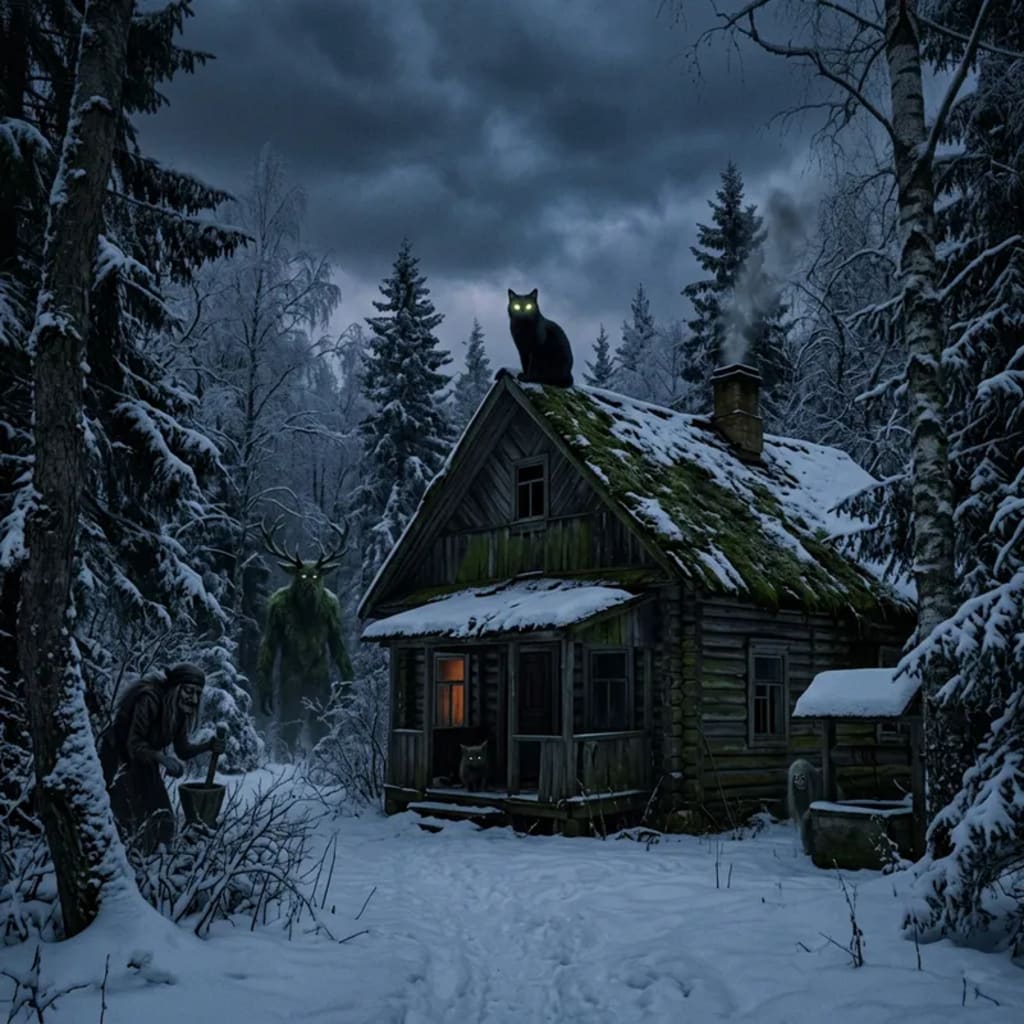
In the early 1900s, Dr William C. Clark and his wife, Harriet, were searching for the perfect place to build a second home. While driving through the rolling hills of northwestern Connecticut’s Litchfield County, they stumbled upon something that felt almost enchanted—a vast, shadow-drenched forest perched high on a mountainside.
A narrow, half-forgotten road branched off toward the trees, nearly swallowed by brush. Drawn by its beauty, the Clarks followed it. The path quickly became rough and overgrown, forcing them to abandon their car and continue on foot. As they climbed, they passed a wild orchard—gnarled apple trees twisting in every direction. The hillside itself shimmered in the sunlight, flecked with mica embedded in the rock, giving the earth an almost magical glow. Before they returned to their vehicle that day, they had already decided: this was where they would build.
The forest was known as “Dark Entry", a name inspired by the way its thick canopy blocked out the sun, keeping the interior in near-constant shadow. Scattered among the trees were remnants of an abandoned settlement—stone foundations and crumbling walls reclaimed by moss and roots. Rather than feeling uneasy, the Clarks thought the ruins added character.
After purchasing nearly 10,000 acres, Dr Clark approached local builders. Strangely, every single one refused the project. None would explain why. Assuming the location was simply too remote and inconvenient, Dr Clark decided to construct the home himself.
He cleared a section of towering hemlocks and used the timber to build a rustic two-storey cabin. He even crafted a natural-looking swimming pool beside a brook, its edges lined with mossy stones where fish darted in clear water. By Thanksgiving, the cabin was complete, and the couple celebrated the holiday there. For years, they spent summers and holidays enjoying the quiet isolation. But the forest was not as peaceful as it seemed.
The land they had purchased contained the ruins of a once-living community: Dudleytown. Settled in the 1740s, it had grown into a small but thriving village of about thirty families. Then tragedy began to stalk it.
One family after another suffered devastating losses. Illness swept through households. Sudden deaths occurred under mysterious circumstances. Some residents claimed to see shadowy figures moving along the treeline at night. Two men, obsessed with what they described as creatures lurking in the woods, gradually lost their sanity. A Revolutionary War general living there reportedly descended into madness after his wife was struck by lightning. In 1813, an unexplained epidemic claimed even more lives.
By the late 1800s, Dudleytown had emptied. The final family to remain experienced livestock deaths, disease, accusations of crime, disappearance—and finally, their home burnt to the ground. The last surviving member wandered into the forest and was never seen again.
Locals whispered that Dudleytown was cursed. That unspoken reputation explained why no builders would step foot there.
In 1918, while staying at their cabin, Dr Clark was urgently called back to New York for a medical emergency. Harriet, uneasy about being left alone in the remote forest, made her husband promise he would return quickly. He did—within 36 hours.
When his train arrived at the small nearby station, Harriet was not there to greet him. A feeling of dread crept over him. She had known exactly when he would return. Without hesitation, he rushed toward the forest on foot. As soon as he entered beneath the canopy, owls began hooting—loud, persistent, almost frantic. The deeper he went, the louder they became. Reaching the clearing where his cabin stood, he saw the front door slightly ajar.
Heart pounding, he approached. Just as he stepped onto the porch, a piercing sound erupted from the second floor—a high, unnatural noise that froze him in place. The owls shrieked behind him. The sound inside the house intensified. Then he recognised it. Laughter. Not joyful laughter, but shrill, hysterical, and relentless.
He rushed upstairs toward the master bedroom. Inside, Harriet lay curled in the corner, staring wide-eyed at the doorway. Her hands were clenched tightly. Her mouth was stretched open unnaturally wide, and from it poured that chilling, unbroken laughter. She did not blink; she did not move.
The sound did not even seem to match the motion of her body. Terrified, Dr Clark fled the room. Whatever happened during the 36 hours he was gone was never fully explained. Harriet reportedly spoke only of strange beings she had seen in the woods—figures watching from the treeline. Some accounts claim she spent the rest of her life institutionalised. Others suggest she later took her own life in New York. The truth remains uncertain.
What is certain is that Dudleytown remains abandoned to this day. The land is privately owned, and trespassing is strictly prohibited. Despite that, thrill-seekers continue to sneak into the forest. Many report sudden drops in temperature, invisible hands pushing them, and shadowy forms appearing in photographs.
In the 1970s, famed paranormal investigators Ed Warren and Lorraine Warren reportedly examined the area and described it as overwhelmingly negative—possibly even demonic.
Whether cursed, haunted, or simply the victim of tragic coincidence, one thing is undeniable: There is something about that forest that refuses to be forgotten. And to this day, stepping inside it is not just dangerous It’s illegal.
About the Creator
Francis Osei
“Tom bele has been working with writing challenged clients for over four years. He provides ghost writing, coaching and ghost editing services.
Enjoyed the story? Support the Creator.
Subscribe for free to receive all their stories in your feed.
Comments
There are no comments for this story
Be the first to respond and start the conversation.