
127 Hours of A Living Nightmare: The Five Days Aron Ralston Spent Trapped Beneath a Boulder
Trapped Beneath a Boulder, Aron Ralston Faced an Impossible Choice: Cut Off His Own Arm or Die Alone in the Utah Desert

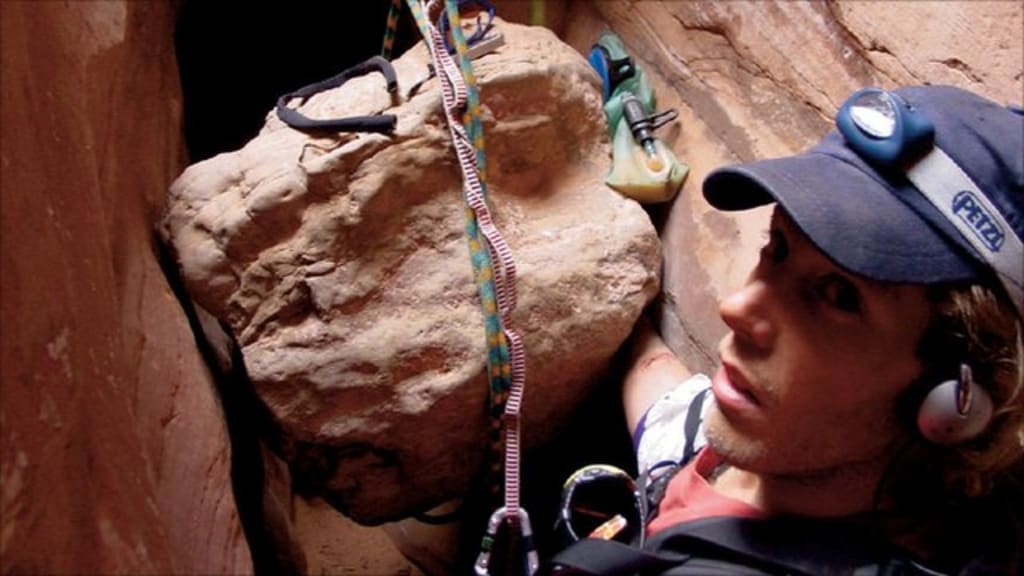
Alone in the Silence On the morning of April 26, 2003, 27-year-old Aron Ralston set out for what should have been another ordinary adventure. An experienced climber and outdoorsman, Ralston drove into the remote wilderness of Utah's canyon country. The destination was Bluejohn Canyon, a narrow and twisting slot canyon carved through red sandstone over thousands of years. He told no one where he was going. No itinerary. No emergency contact. No rescue plan. It was a decision that would nearly cost him his life. Within hours, Aron Ralston would find himself trapped in one of the most horrifying survival situations ever recorded—a nightmare that would force him to make an impossible choice between death and self-mutilation. His story would later inspire the film 127 Hours. But the reality was far more brutal than anything Hollywood could fully capture.
The Moment Everything Changed As Ralston descended through a narrow section of Bluejohn Canyon, he encountered a massive suspended boulder weighing hundreds of pounds. Such obstacles were common in slot canyons. He had navigated countless similar formations before. Then disaster struck. As he climbed down, the boulder suddenly shifted. The enormous rock crashed downward. Ralston instinctively moved to avoid being crushed. Instead, the boulder pinned his right arm against the canyon wall. The impact was catastrophic. His hand and forearm were trapped between solid rock and sandstone with tremendous force. He couldn't pull free. He couldn't move the boulder. He couldn't escape. The canyon was isolated and rarely traveled. No one knew where he was. No one would come looking. At first, Ralston remained calm. He assumed he would find a solution. Hours passed. Then an entire day. The reality slowly settled in. He was completely alone.
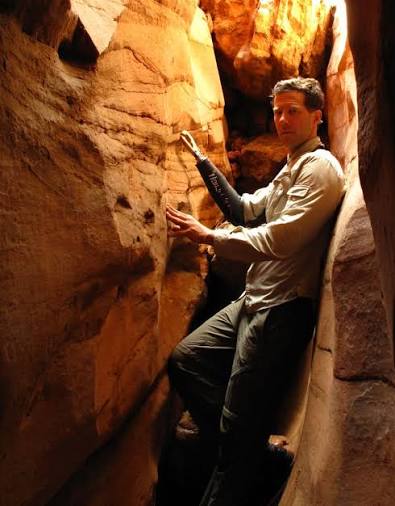
A Prison of Stone The canyon became a tomb. Daytime temperatures soared beneath the desert sun. At night, the cold crept through the narrow stone corridor. Ralston rationed his limited supplies. He had roughly 350 milliliters of water. A few snacks. A cheap multitool. And a video camera. Nothing more. The boulder never moved. For hours he pulled, pushed, and twisted. He attempted leverage techniques. He chipped away at the surrounding sandstone. He explored every possibility. Nothing worked. The rock remained immovable. The desert remained silent. By the second day, dehydration began tightening its grip. His lips cracked. His tongue swelled. His thoughts became sluggish. Every movement consumed precious energy. Yet he kept trying. Because the alternative was unthinkable.
Recording His Own Goodbye By the third and fourth days, Ralston understood the truth. He might die there. Many people facing certain death collapse into panic. Ralston did something different. He began recording farewell messages. Using his camcorder, he spoke directly to his family and friends. He apologized. Shared memories. Expressed love. Prepared them for a future without him. Those recordings remain among the most haunting survival testimonies ever made. Imagine sitting alone in a narrow canyon. No rescue sirens. No voices. No hope. Only the certainty that your body is slowly shutting down. Every recorded message felt like a final chapter. A living man creating evidence of his own death. Meanwhile, dehydration continued to ravage him. His remaining water disappeared. Eventually, he resorted to drinking his own urine to stay alive. His skin became dry and tight. His vision blurred. Hallucinations began to emerge. The human body can endure remarkable suffering. But it always has limits. Ralston was approaching his.
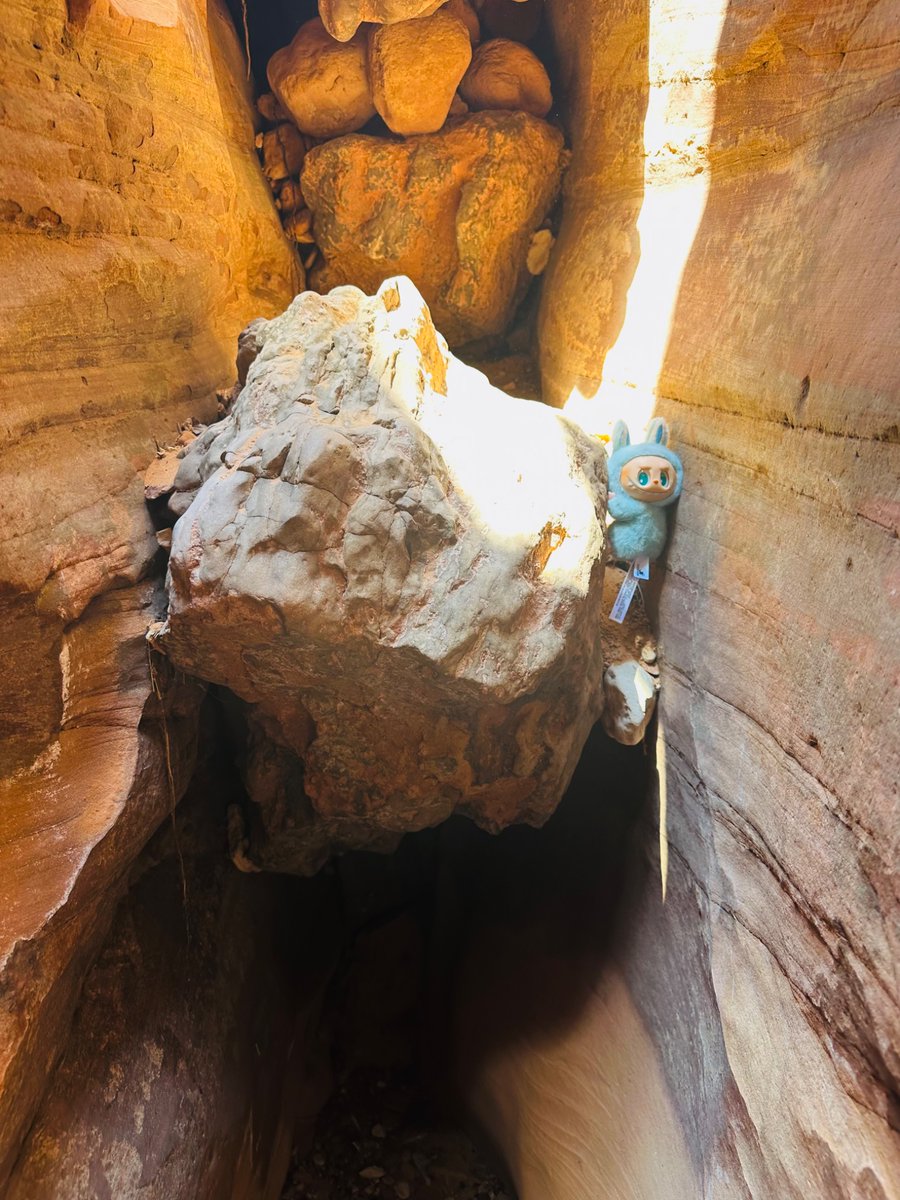
The Vision That Changed Everything Sometime during the fifth day, weakened and delirious, Aron Ralston experienced a powerful vision. He later described seeing himself with a young child. A son. The image felt real. More real than the canyon around him. For Ralston, the vision carried a message. He would survive. Not because rescue was coming. Because he would find a way out. No matter the cost. At that point he had already considered amputating his trapped arm. The idea seemed impossible. His multitool was dull. The blade was inadequate. The thought was horrifying. Yet death was becoming increasingly certain. The choice had transformed. It was no longer between escape and amputation. It was between amputation and death.
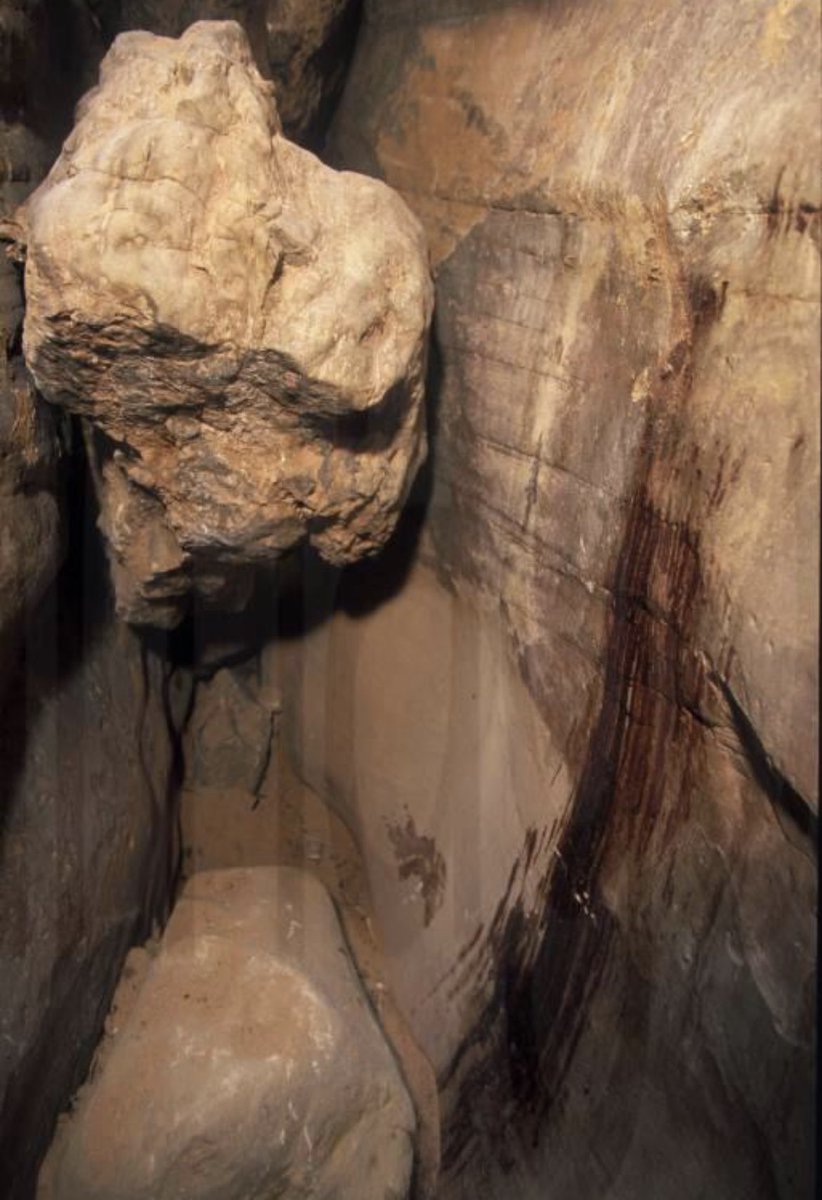
The Unthinkable Decision On the morning of May 1, after approximately 127 hours trapped beneath the boulder, Ralston made his decision. The process was agonizing. His dull tool could not simply cut through bone. Instead, he first manipulated his trapped arm until he was able to break the bones in his forearm. Then he used the multitool to cut through skin, muscle, and tissue. The task took considerable time. Every movement brought unimaginable pain. The desert canyon echoed with sounds no human should ever have to make. There was no anesthetic. No doctor. No assistance. Only survival instinct. At last, he severed the final tissue connecting his arm. After nearly six days imprisoned beneath stone, Aron Ralston was free. But the ordeal was far from over.
A Race Against Death Most people would collapse after such an experience. Ralston could not. He was still deep within the Utah wilderness. Bleeding heavily. Severely dehydrated. Exhausted. Missing his right forearm. To survive, he still had to reach civilization. He climbed out of the canyon using ropes. Then he hiked several miles across rugged desert terrain. Every step drained what little strength remained. Eventually, he encountered a family hiking nearby. They immediately recognized the severity of his condition. The group provided water and alerted authorities. A rescue helicopter soon arrived. After nearly a week trapped alone, Aron Ralston was finally safe. Barely.
The Life Beyond the Canyon Many survival stories end with rescue. Ralston's did not. He underwent surgeries and rehabilitation. He learned to adapt to life with one arm. Rather than retreat from adventure, he returned to the outdoors. He continued climbing. Continued exploring. Continued living. Years later, he married and became a father. Remarkably, he would eventually have a son—the same image he believed he had seen during his darkest moments in the canyon. His memoir, Between a Rock and a Hard Place, became a bestseller. The story later reached global audiences through the acclaimed film 127 Hours, starring James Franco. Yet the true story remains even more astonishing than the movie. Because unlike fiction, every painful decision was real. Every hour happened. Every wound existed. Every drop of suffering was endured by a man completely alone.
The Lesson Hidden Inside 127 Hours What makes Aron Ralston's ordeal so unforgettable is not merely the amputation. It is the relentless psychological battle that preceded it. The isolation. The dehydration. The growing certainty of death. The endless silence. Most people imagine survival as a dramatic rescue arriving at the last second. Reality is often much crueler. Sometimes survival means enduring horrors that seem impossible. Sometimes it demands sacrifices beyond imagination. And sometimes, as Aron Ralston discovered in a lonely Utah canyon, survival requires choosing pain today so that you can still have a tomorrow. For 127 hours, a boulder held him prisoner. For the rest of his life, his story has stood as one of the most extraordinary demonstrations of human resilience ever recorded.
About the Creator
E. hasan
An aspiring engineer who once wanted to be a writer .
Enjoyed the story? Support the Creator.
Subscribe for free to receive all their stories in your feed.
Comments
There are no comments for this story
Be the first to respond and start the conversation.