
"Wuthering Heights" (2026)
50 Shades of Brontë


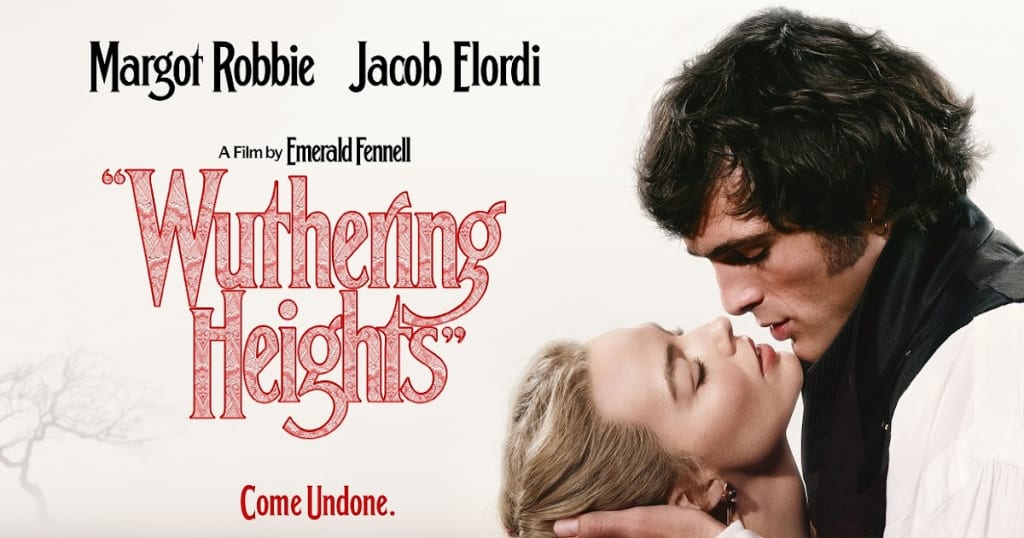
There are so many opinions about Emerald Fennell’s “Wuthering Heights”, it has become dizzying.
Last night, my partner and I went out for pizza and then onto the cinema.
My imaginary 1940s screenwriter alter-ego joined us in a showing of “Wuthering Heights”. She also had opinions.
“It can’t be better than Olivier and Oberon in the 1939 classic,” she said.
I smiled. “It will be very different,” I told her.
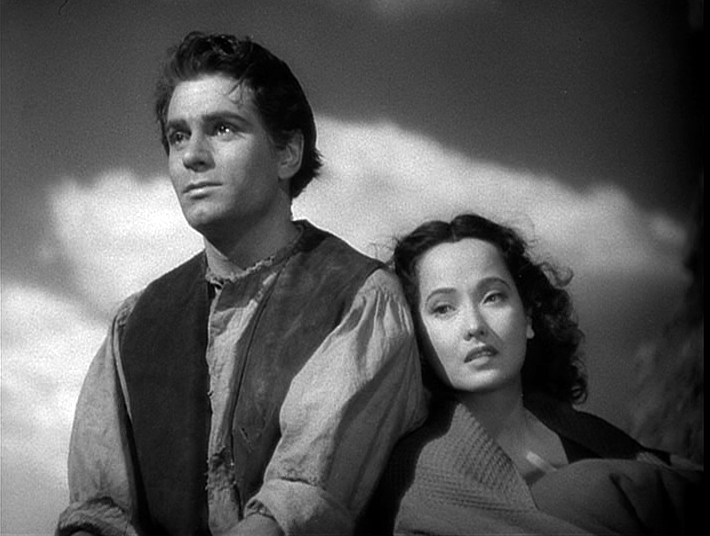
Some of the negative reviews I’ve seen have been from Victorianists and literature academics, who have hated that Fennell has not been true to the source material. There have also been criticisms of the "white-washing" of Heathcliffe – described as a Lazar (an Indian soldier) or a gypsy in the book – but played by a white Australian in the film. Others have decried the way that the real issues of class have been stripped away. Many have argued that the release on Valentine’s Day ignores the fact that this is a story about compulsion, control and entitlement rather than romantic love.
I’ve read them all, all these very worthy opinions. I’ve also read the original novel. I was 16 and didn’t love it. I found its form and language difficult – this is a story narrated to an outsider about generational trauma over several hundred pages. But I also get why people would love it. It is spooky, heightened, gothic. It is twisted and dark. It lets the landscape take on a persona, and the wildness of the North Yorkshire Moors infuse the characters with fear and passion.
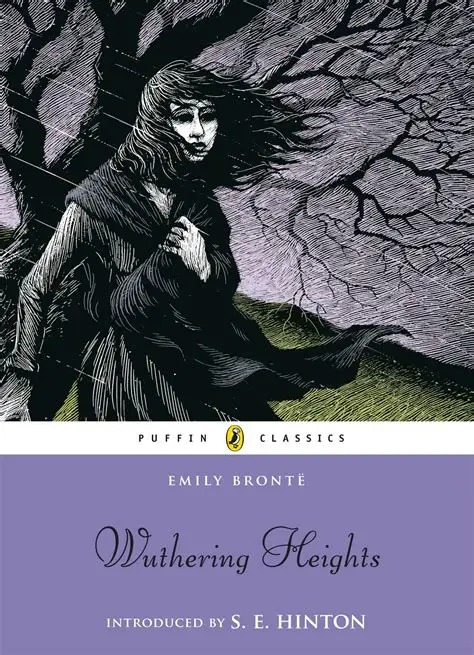
To answer the Victorianists, the novel in its entirety would be beyond the possibilities of a single film. I wasn’t hoping to see it all. I wanted to see twisted passion. I wanted to see the cruelty of the characters and the landscape. And while my 1940s screenwriter loves the 1939 version, I didn’t like the romance of the ending as it overshadowed the isolation, the malevolence and violence of the story.
So, onto Fennell’s “Wuthering Heights“. The quote marks are important. This is not an adaptation. This is a film inspired by the book. (In much the same way that Kate Bush’s hit was inspired by the 1939 film – she had not read the book when she wrote it.) It is a film in which Fennell wanted to capture how she felt when she read the novel.
I think we can ascertain that what she felt was “horny” and a little obsessed with suffering.
From the beginning, we are shown that sex and death are intertwined, by a public hanging followed by an outpouring of public love-making. This is a film that does not do subtlety.
Cathy watches the execution with her paid companion, Nelly. When she returns home her father, the inconsistent Mr Earnshaw, arrives with a young boy he has rescued from the Liverpool streets, to be Cathy’s “pet”. So begins a complex relationship of loyalty, status, jealousy, friendship and attraction. Passions are taunted by the constant cold. Attractions are repressed by the landscape into something weird and obsessive.
The early scenes are around the set of Wuthering Heights. It is dark, dull, draughty and dogged by the capriciousness of her father’s mood, drinking and gambling.
Then we see something light, frilly and lavish as the Linton’s move into the nearest mansion, Thrushcross Grange.
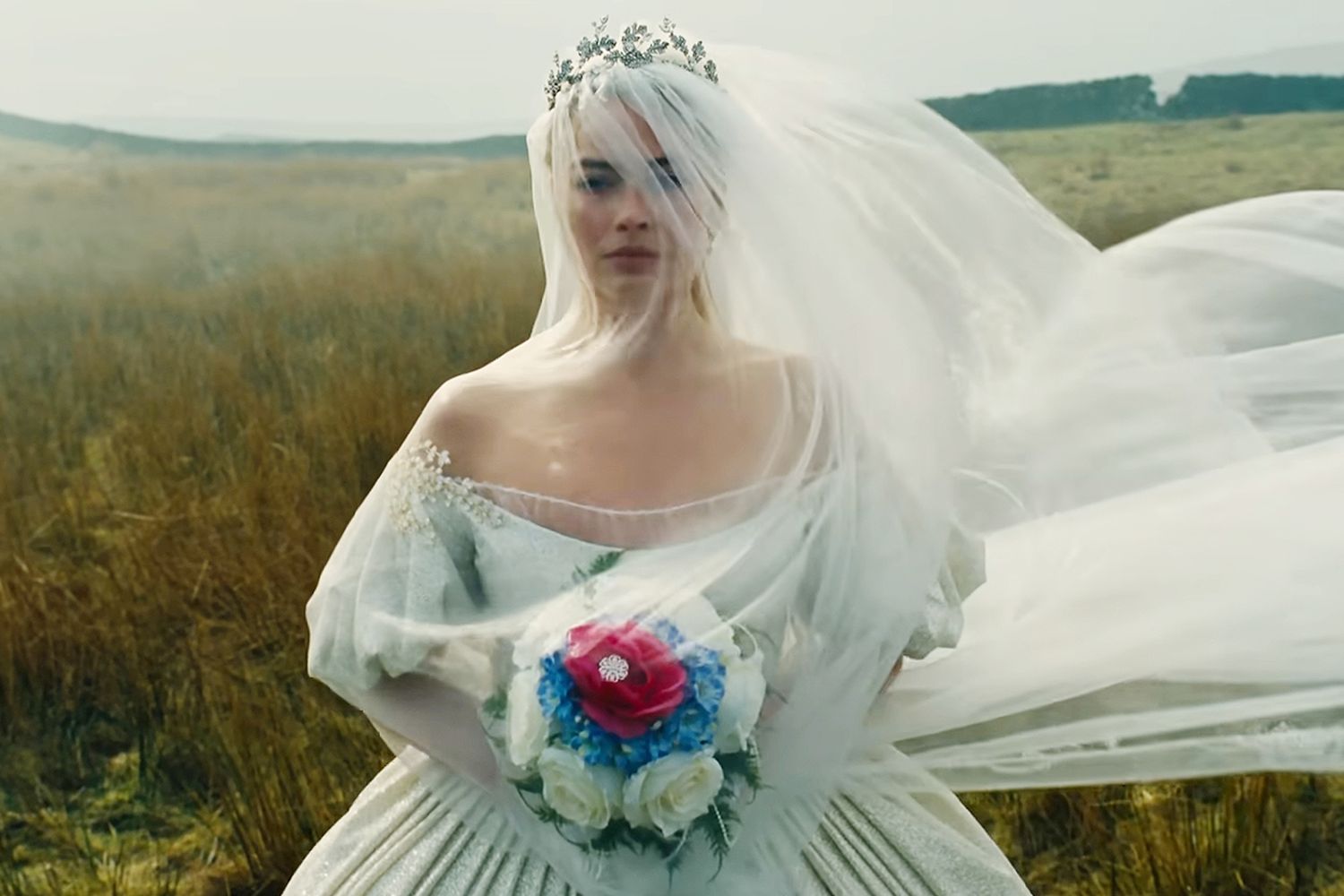
The not so hidden subtext is sex – the power of sex, the warping of desire by social status and opportunity. Emily Brontë’s novel, as far as I remember did not include S&M, public masturbation, or ongoing sexual infidelity in hidden places. To drive home the obsession with sexual desire there is “squelch” everywhere. Eggs squashed into bedsheets, fingers in aspic, food as foreplay. Cruelty, revenge, humiliation is recast as simple kinks, deprived of its depravity.
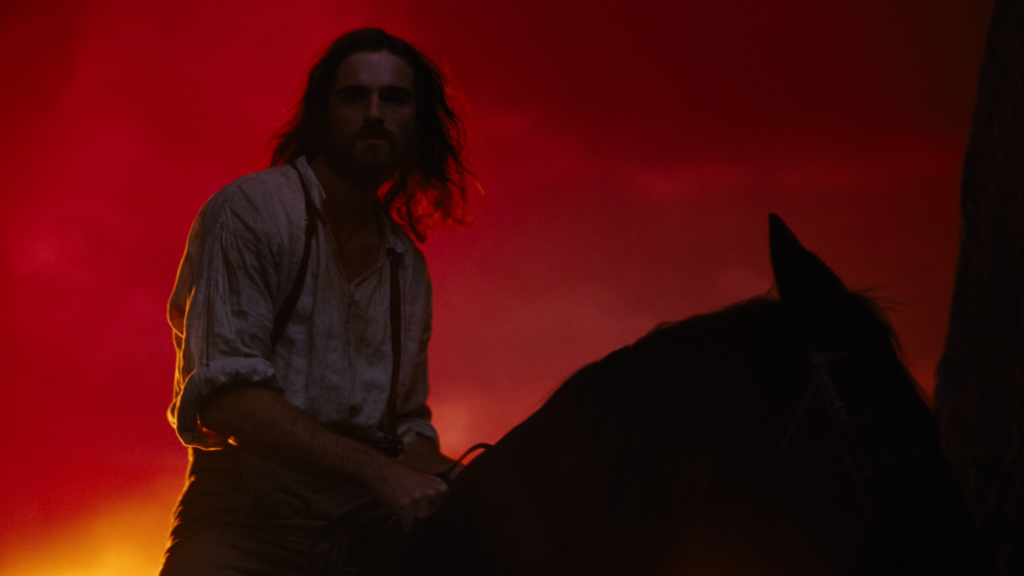
Like the novel, I did not love this film. I wanted to. I have loved Emerald Fennell’s previous work. Promising Young Woman and Saltburn are stylish, funny films. Female directors are rarely afforded the opportunity to develop their style and make mistakes. This film had style, but felt like a mistake. Although well-performed the casting did strip the complexity of ‘outsider’ status from the film. (A special shout-out is owed to Martin Clunes, who gives the performance of his lifetime). It has an interesting soundtrack. The visuals and costumes were sumptuous and the only places where wit could be found. The rest of it was heavy, over-done, without the humour of Fennell’s previous scripts. It felt like bad fan-fiction – think 50 shades of Brontë.
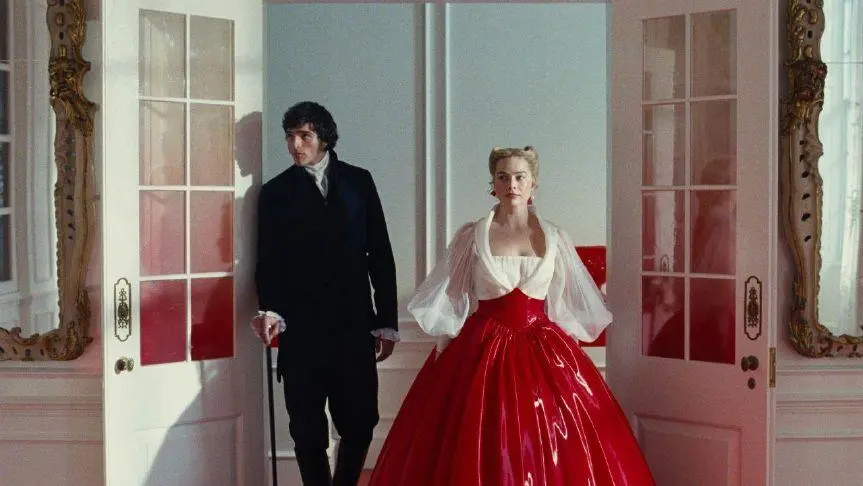
My 1940s screenwriter left the cinema a little open-mouthed and called it vulgar.
My partner said he didn’t like any of the characters.
I can say, however, that the pizza was excellent.

If you've enjoyed what you have read, consider subscribing to my writing on Vocal. If you'd like to support my writing, you can do so by leaving a one-time tip or a regular pledge. Thank you.
About the Creator
Rachel Robbins
Writer-Performer based in the North of England. A joyous, flawed mess.
Please read my stories and enjoy. And if you can, please leave a tip. Money raised will be used towards funding a one-woman story-telling, comedy show.
Enjoyed the story? Support the Creator.
Subscribe for free to receive all their stories in your feed. You could also become a paid subscriber, letting them know you appreciate their work.
Comments
There are no comments for this story
Be the first to respond and start the conversation.