
Will Iran and the US Return to Ceasefire Talks?
Ceasfire

Introduction
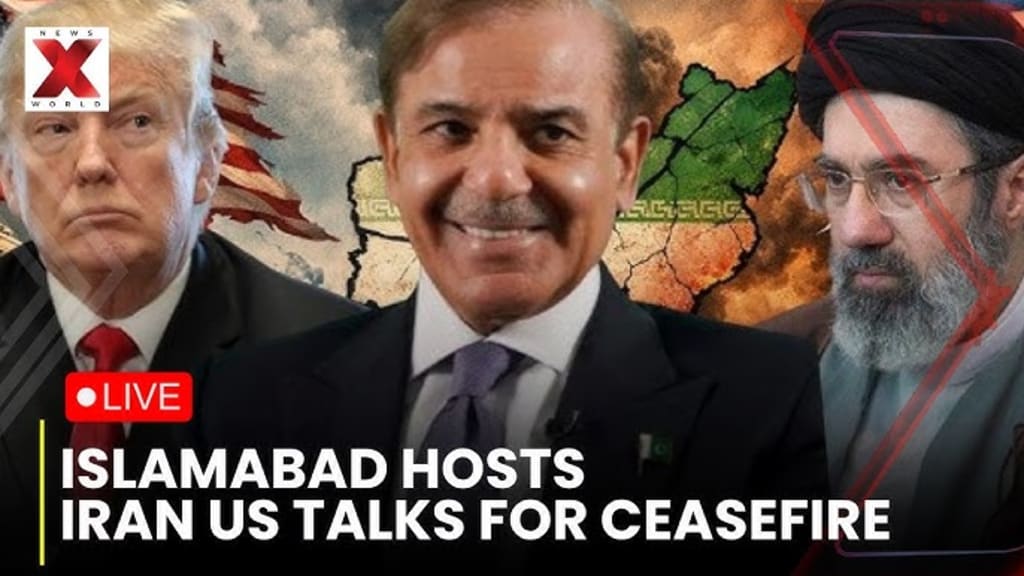
The question of whether Iran and the United States will return to ceasefire negotiations has become one of the most pressing issues in global politics. After weeks of conflict, fragile truces, and failed diplomacy, the world is watching closely to see if dialogue can replace escalation.
A Fragile Diplomatic Beginning
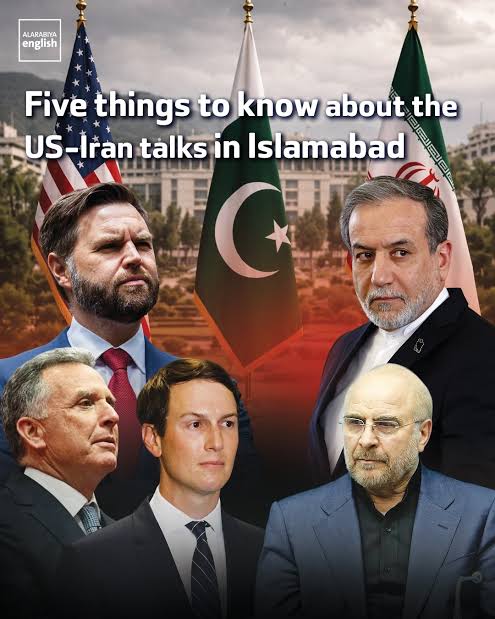
Recent developments show that both nations have already engaged in direct talks—something rarely seen since the Iranian Revolution. These negotiations, held in Islamabad, marked a historic step toward de-escalation.
However, despite marathon discussions lasting over 20 hours, no final agreement was reached. Both sides left the table blaming each other, highlighting how deep their disagreements remain. �
ABC News +1
Why Talks Have Stalled
1. Major Policy Differences
One of the biggest obstacles is disagreement over key demands. The United States has pushed for strict limitations on Iran’s nuclear activities, while Iran has rejected what it calls excessive and unrealistic conditions.
Iranian officials have emphasized that any deal must include guarantees and relief from sanctions, while the US insists on long-term commitments before easing pressure. �
Wall Street Journal
2. Ongoing Military Tensions
Diplomacy is being undermined by continued military actions. Reports indicate that even during ceasefire periods, incidents such as attacks on ships and regional clashes have continued.
These actions weaken trust, making it harder for either side to commit to meaningful negotiations. In such an environment, even small violations can derail progress.
3. Sanctions and Economic Pressure
Sanctions remain a central issue. The US has maintained strict economic restrictions, including blockades affecting Iran’s oil exports. Iran, in turn, has used strategic leverage—such as control over key waterways—to push back.
This economic standoff creates a cycle where neither side is willing to compromise easily.
Despite setbacks, there are strong indications that negotiations are not over:
- US officials have signaled that new talks are likely, possibly again in Pakistan. �
- www.ndtv.com
- Diplomatic channels remain open, with mediators continuing efforts behind the scenes.
- Even after failed rounds, both sides have not fully withdrawn from the negotiation process.
- Recent reports suggest that delegations may return for another round of discussions, although participation from Iran remains uncertain. �
The Role of Pakistan as Mediator
Pakistan has emerged as a key diplomatic bridge between the two rivals. Hosting talks in Islamabad provides a neutral ground where both sides can engage without direct confrontation.
Pakistan’s involvement highlights the importance of regional actors in global conflict resolution. Its continued mediation efforts may prove crucial in bringing both parties back to the table.
Challenges Ahead
Even if talks resume, reaching a lasting ceasefire will be extremely difficult. Key challenges include:
- Deep mistrust built over decades
- Conflicting strategic interests in the Middle East
- Pressure from allies and internal political forces
- Disagreements over nuclear policy and regional influence
- These issues are not easily resolved in a single round of negotiations.
Possible Scenarios
1. Renewed Talks and Partial Agreement
The most realistic outcome is a return to negotiations leading to a temporary or partial agreement. This could include limited ceasefire terms or humanitarian arrangements.
2. Continued Stalemate
Talks may resume but fail again, prolonging uncertainty and instability. This scenario seems likely given current tensions.
3. Escalation Instead of Dialogue
If diplomacy collapses completely, the conflict could intensify. This would have serious consequences not only for the region but also for global energy markets and security.
Conclusion
The possibility of Iran and the United States returning to ceasefire talks remains real—but uncertain. While diplomatic efforts continue and new negotiations are being considered, major obstacles still stand in the way.
The coming weeks will be critical. If both sides choose dialogue over confrontation, there is hope for de-escalation. But without compromise and trust, the path to peace will remain difficult and fragile.
About the Creator
shaoor afridi
“I am a passionate writer dedicated to sharing informative, engaging, and well-researched articles. My goal is to provide valuable content that educates, inspires, and adds real value to readers.”
Enjoyed the story? Support the Creator.
Subscribe for free to receive all their stories in your feed.
Comments
There are no comments for this story
Be the first to respond and start the conversation.