
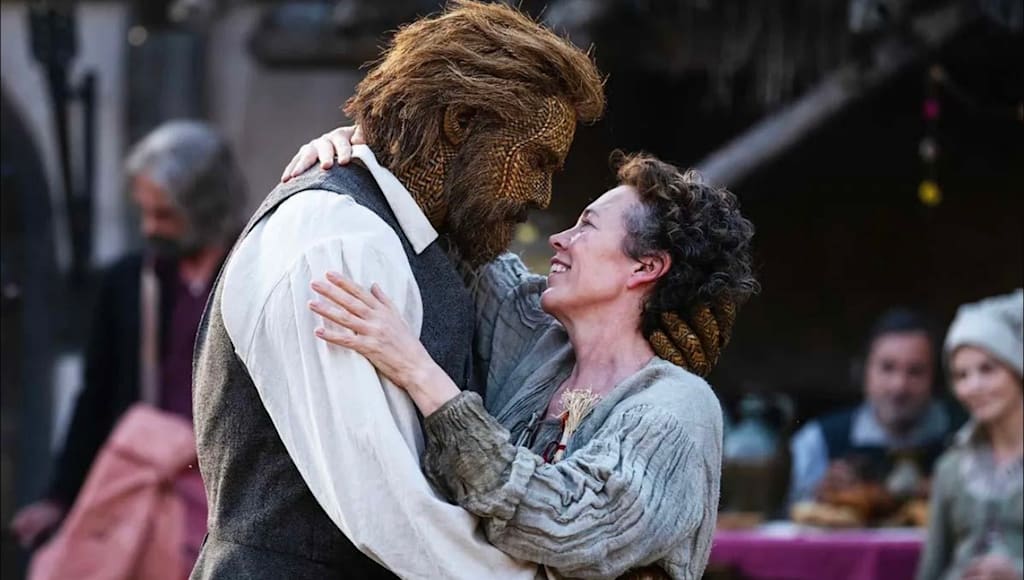
Scandalous. Bawdy. Lewd. Unconventional. Unapologetically over-the-top.
These are just a few words that immediately come to mind when trying to describe Wicker, a movie that is certainly not afraid to embrace its own bizarre personality. On the surface, it's a high-concept satirical comedy with fantasy elements, set in a small medieval village, but I found it to be much deeper than I initially expected. Beneath its rather unusual premise, the film explores themes of jealousy and its corrosive power, the suffocation of patriarchal marriage, nonconformity, loneliness, and ultimately, self-acceptance. Although it does occasionally tip into being a little preachy during its third act, the underlying themes it explores are surprisingly powerful and feel particularly relevant to the modern day.
The film's fairytale-like setting allows it to immediately step away from the cultural norms we're familiar with, creating a world where people aren't even given proper names and are instead identified by their profession, or by their husband's or father's if they don't have one of their own. What's particularly interesting is how casually this world accepts the existence of a walking, talking man made entirely of wicker. Despite there being no other real magic in the film, nobody seems particularly concerned by this. What the villagers do find shocking, however, is that this tall, handsome man has somehow chosen the Fisherwoman as his bride. And that's really where things start to get interesting.
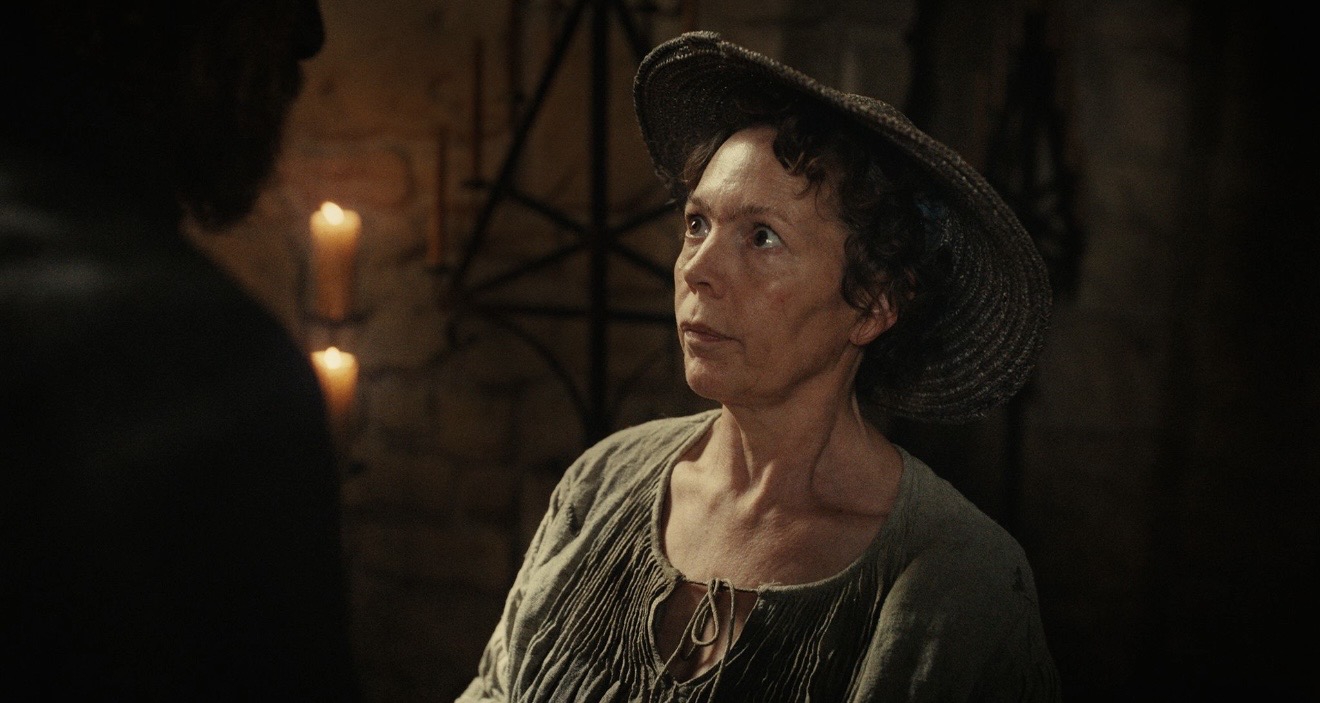
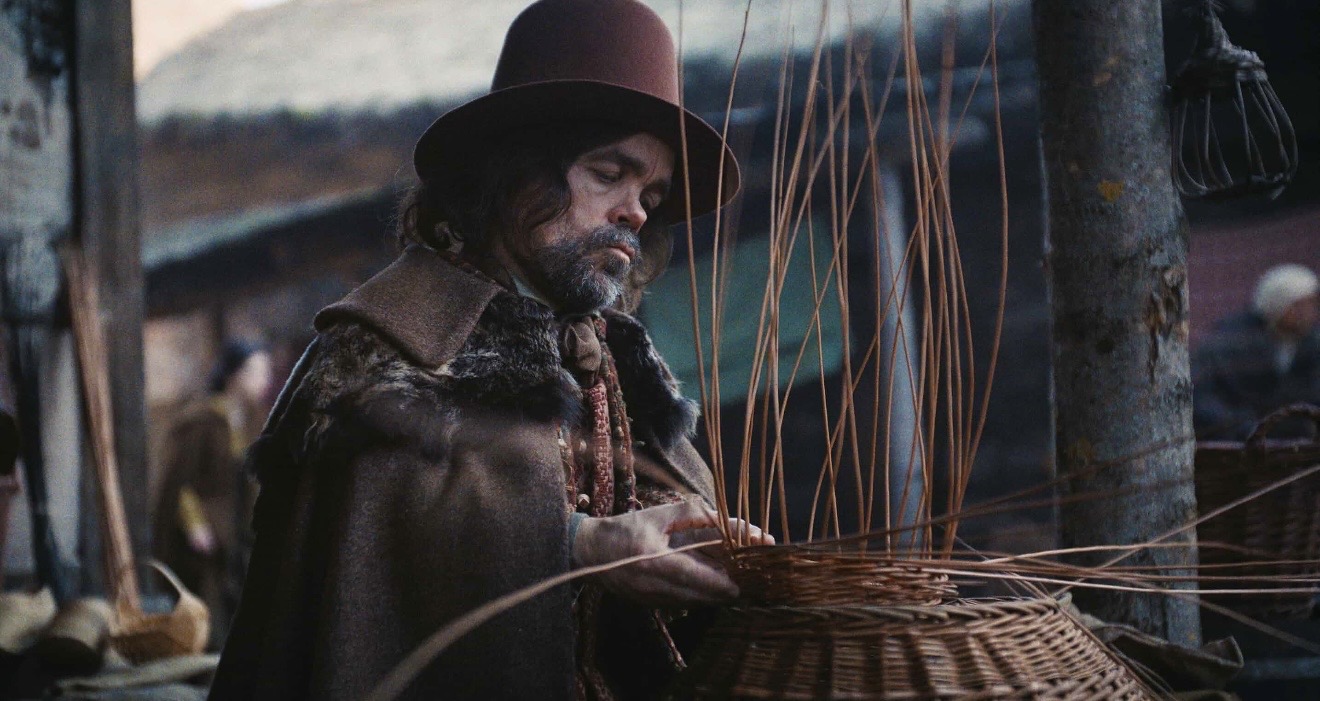
Olivia Colman plays the Fisherwoman, a middle-aged woman who lives alone in a small hut and is essentially the laughing stock of the entire village. After commissioning the town's Basket Maker to make her a husband, she quickly goes from being the woman everyone pities to the woman everyone envies. Her newfound marriage turns out to be surprisingly loving and fulfilling, which stands in stark contrast to the unhappiness and dissatisfaction that seem to define everyone else's relationships. Envy and jealousy are very much the driving forces behind the film's central conflict, and it's this sudden shift in how the villagers perceive her that really sets everything in motion, exposing just how easily pity can turn into resentment when someone has something that others desperately want.
The Wicker Husband, as he's known, goes on to challenge pretty much every expectation the villagers have of what a man should be, particularly when it comes to marriage. The other men in the village view it as an entirely transactional arrangement, where a wife is expected to raise the children, maintain the household and essentially serve her husband's needs. So when the women are suddenly presented with a husband who treats his wife with genuine love, affection and devotion, it completely turns the village on its head. The women begin questioning what they've been conditioned to accept, while the men become increasingly uncomfortable with the idea that things might not have to stay the way they've always been. The Fisherwoman and her husband refuse to conform to these expectations, choosing instead to live by their own rules. And, much like what happens when the status quo is challenged in our own world, it isn't long before those who benefit from the existing system begin finding ways to suppress it.
What initially sounds like the premise of a Wattpad fanfic is elevated by a script that actually has something meaningful to say about relationships, gender dynamics, and the pressures that come with conforming to societal expectations. It's certainly not the most subtle in how it approaches its messaging, but I think it does a pretty good job of showing just how much we allow insecurity, jealousy, and the need to fit in to dictate our lives, often at the expense of our own happiness and individuality. There's something quite interesting about the way it explores how easily we can become so consumed by what other people have that we lose sight of what we actually want for ourselves. It's a charming little movie, and one that ended up having a lot more to say than I initially expected.
A lot of what makes this work, though, comes down to the performances at the centre of it all. Colman is fantastic as the village's social outcast, but her performance is made all the more interesting by having Elizabeth Debicki as her perfect foil. Debicki's character is reserved, judgemental and incredibly concerned with appearances, which contrasts beautifully with Colman's much more unkempt, carefree and unapologetically unbothered portrayal. What I particularly appreciated, however, is that there's more to her character than initially meets the eye. She's not simply a villain for the sake of having one, and as the film progresses, you begin to understand that she's just as much a product of the society she lives in as the other women. In many ways, she's another victim of the same patriarchal expectations, and by the end, it's difficult not to feel some sympathy for her, even when you don't agree with her actions.
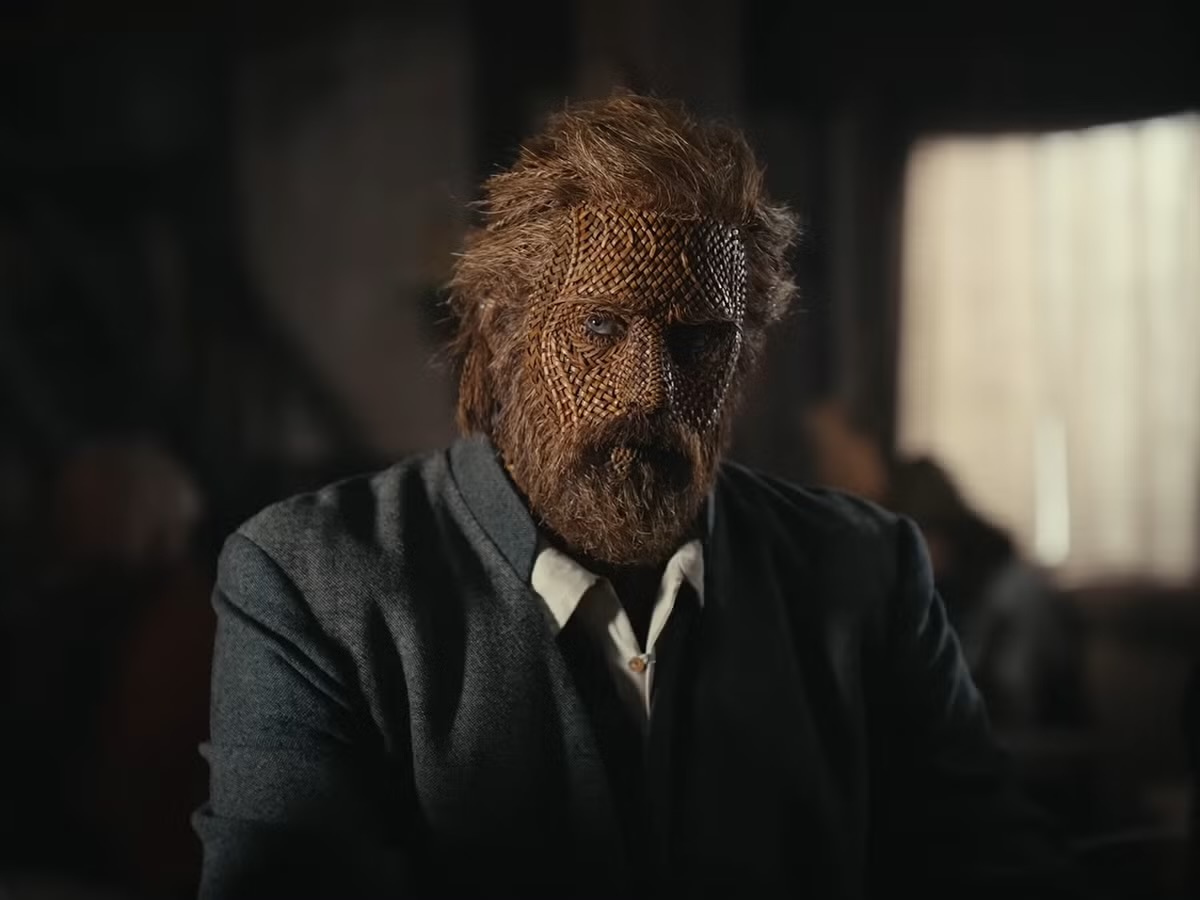
And then there's Alexander Skarsgård, who continues to prove just how versatile he is as an actor. There's something genuinely impressive about the range of roles he's taken on, and the Wicker Husband is certainly another interesting addition to that list. Considering how much of his performance has to be conveyed through such a restrictive costume, what he's able to bring to the character is particularly impressive. It's not just the physicality of it all, but the warmth, humour and genuine affection he manages to communicate through a character who could have very easily come across as little more than a novelty. He brings so much personality to the role, and I think the film would lose a great deal of its charm without him.
If I were to rate Wicker on Letterboxd, I would give it a 2.5 out of 5. Now, I know that might seem a little harsh, and you might assume I didn't enjoy it all that much because of it, but that's not really the case. I genuinely had a good time with it, and I think it's important to understand that, for a movie like this, a 2.5 is actually a pretty high rating for me personally. The juvenile humour, the sheer level of weirdness (which is ultimately what makes the film work), and its overall boisterously indecent style are just so far removed from the kind of movies I typically enjoy that I was never going to rate it particularly highly. I went into this knowing that 2.5 was probably the highest I could realistically rate it, and ultimately, that's exactly where it landed.
About the Creator
Enjoyed the story? Support the Creator.
Subscribe for free to receive all their stories in your feed. You could also become a paid subscriber, letting them know you appreciate their work.
Comments
There are no comments for this story
Be the first to respond and start the conversation.