
Why Star Trek Remains Culturally Significant
Revisiting the original series on its 60th anniversary

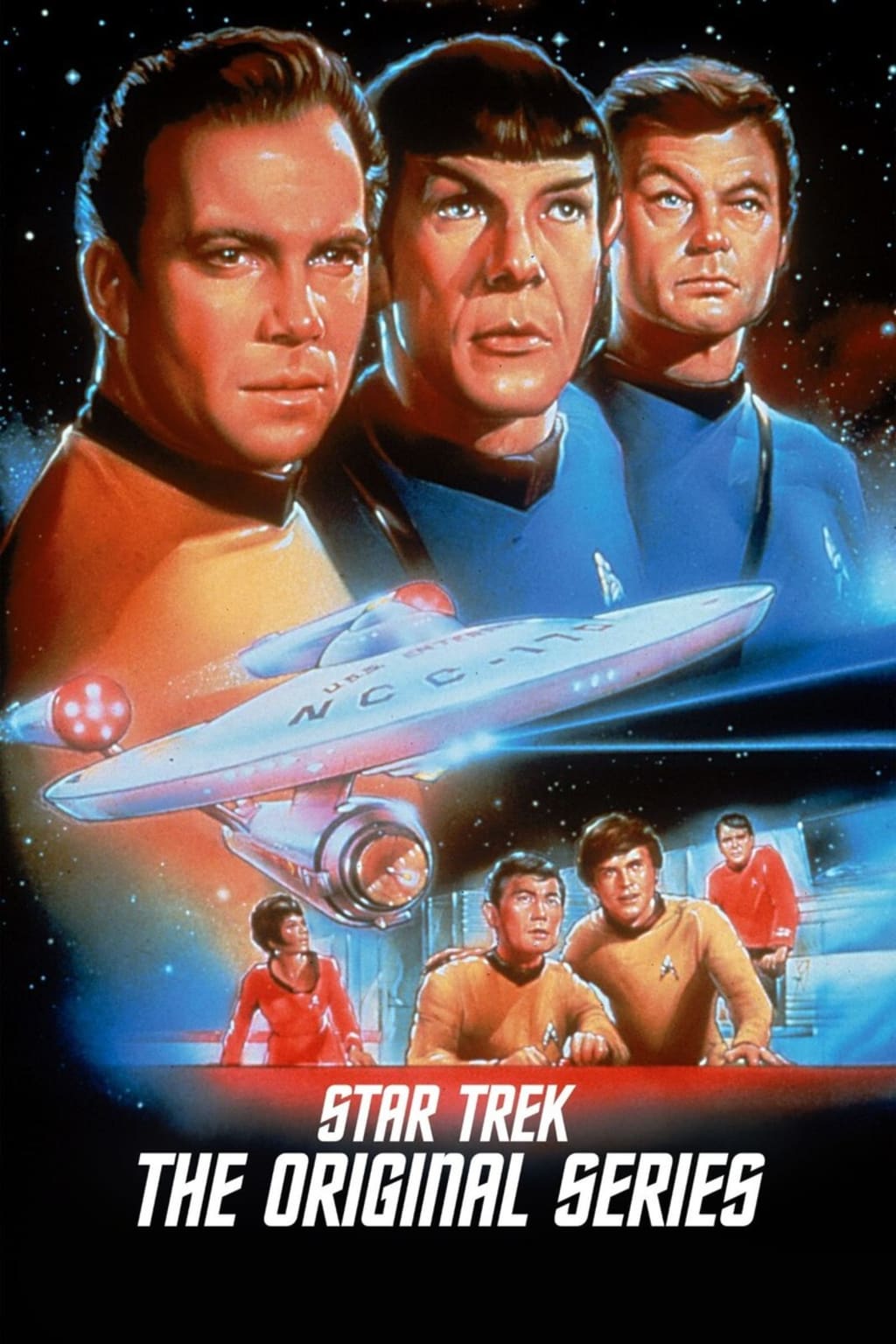
September 8, 1966: When TV Was Introduced to Space
September 8, 1966, marked the arrival of a television series that would forever change the way audiences viewed science fiction. Star Trek followed the adventures of the USS Enterprise and its crew as they traveled through the final frontier under the leadership of Captain James T. Kirk. Created by Gene Roddenberry, the series combined futuristic technology and space exploration with stories about humanity, morality, conflict, and cooperation.
Although its three-season run was relatively brief, Star Trek quickly developed a devoted following and became more than another science-fiction television series. It introduced television audiences to an optimistic vision of the future that continues to influence pop culture today.
A New Vision of the Future
According to an article on History, Gene Roddenberry came up with the idea for Star Trek by pitching a television series set in space. He submitted a 16-page outline and a two-dollar check to the Writers Guild of America while developing his idea for the show. But Roddenberry wasn’t simply interested in making another sci-fi series.
Roddenberry later explained that setting Star Trek in the future allowed him to explore social issues that could have faced heavy censorship if they had been presented in a contemporary setting. Through stories about the Enterprise encountering different civilizations, the series could examine topics such as racism, prejudice, war, and intolerance. It could entertain audiences with exciting adventures while also encouraging them to think about the world around them and how humanity could be better.
Ahead of Its Time: Diversity and Representation
Star Trek was ahead of its time by having a diverse cast, especially considering that the series premiered only two years after the Civil Rights Act of 1964. The crew of the USS Enterprise came from different races and backgrounds, yet they worked together as a team while traveling through space and going on different adventures. This was significant because the show presented a future where people from different backgrounds could work alongside each other without letting their differences get in the way.
In Season 1, Episode 14, “Balance of Terror,” Captain Kirk tells Mr. Stiles, “Leave any bigotry in your quarters. There is no room for that on the bridge.” Kirk makes it clear that Stiles’ prejudice toward Spock has no place aboard the Enterprise. Stiles had a personal reason for distrusting Romulans because members of his family were killed during the Earth-Romulan War, and the Romulans looked exactly like Vulcans, the same species Spock belonged to.
Another major moment came in Season 3, Episode 10, “Plato’s Stepchildren,” when Captain Kirk and Lieutenant Uhura shared a kiss. The scene became a landmark moment for interracial representation on American television because the previous year, the Supreme Court’s Loving v. Virginia decision had struck down laws banning interracial marriage. However, the scene is also uncomfortable because Parmen uses telekinesis to force Kirk and Uhura to perform an intimate act without their consent. Despite this context, the moment remains an important part of Star Trek’s cultural history.
Why Star Trek Was Cancelled, But It Led to Something Bigger
Star Trek was cancelled after three seasons because, according to an article from Remind Magazine, its ratings had declined. The article also stated that NBC’s scheduling contributed to the show’s declining viewership. NBC moved Star Trek around its schedule, including airing it on Friday nights, which made it harder for the series to reach a wider audience. On top of that, some NBC affiliates reportedly did not want to air the show. Despite these problems, Star Trek developed a loyal fanbase that fought hard to keep it alive.
Fans began writing letters to NBC asking the network to save Star Trek. Their campaign helped convince NBC to give the series a third season. Unfortunately, that wasn’t enough to keep the show on air permanently. During the 1969–1970 television season, Star Trek was no longer part of NBC’s lineup, bringing the original series to an end. However, Paramount Television continued airing the show through reruns, enabling new audiences to discover the Enterprise crew and helping the show’s popularity grow even more after its premature end.
Although Star Trek: The Original Series ended prematurely, its dedicated fanbase helped keep its legacy alive. In 1979, the crew returned to the big screen in Star Trek: The Motion Picture, followed by its sequels, Star Trek II: The Wrath of Khan in 1982 and Star Trek III: The Search for Spock in 1984.
Then, in 1987, the franchise returned to television with Star Trek: The Next Generation, starring Patrick Stewart as Captain Jean-Luc Picard. The success of the series eventually led to four movies featuring the Next Generation crew, beginning with Star Trek Generations in 1994, followed by Star Trek: First Contact in 1996, Star Trek: Insurrection in 1998, and Star Trek: Nemesis in 2002.
In 2009, the franchise reached another generation with Star Trek, which established an alternate timeline featuring younger versions of the original crew. It was followed by Star Trek Into Darkness and Star Trek Beyond in 2013 and 2016, respectively. The cancellation of the original series proved to be an ironic blessing in disguise because it ultimately led to something much bigger.
Fact or Myth: Did Captain Kirk Really Say “Beam Me Up, Scotty”?
“Beam Me Up, Scotty” is one of the most iconic quotes associated with Star Trek, but what might surprise even die-hard fans of the show is that Captain Kirk never actually says that line in the original series. According to an article from Screen Rant, a journal from the Royal Aeronautical Society used the phrase as far back as 1975. However, the exact origin of how the phrase came into existence remains unknown.
Nevertheless, Captain Kirk did say variations of the phrase throughout the show, including “Beam us up, Scotty.” These commands were used when Kirk and the crew needed to be transported, or “beamed,” back to the USS Enterprise. While the wording was slightly different from the famous catchphrase, it was close enough that audiences eventually associated the phrase with Kirk.
The phrase became so ingrained in Star Trek lore that James Doohan, the actor who played Scotty, even used it as the title of his own autobiography, Beam Me Up, Scotty: Star Trek’s “Scotty” In His Own Words. This shows just how powerful Star Trek’s influence became. Even a misquoted phrase attributed to Captain Kirk became one of the most recognizable pieces of language associated with Star Trek.
Why Star Trek Remains Significant in Pop Culture
Even though 60 years have passed since the original series aired, Star Trek remains deeply embedded in pop culture. Iconic characters such as Captain Kirk, Spock, and Jean-Luc Picard have become household names, while the franchise has inspired countless movies, television shows, books, and merchandise. What started as a science-fiction series in 1966 has become a cultural phenomenon that continues to influence and entertain new generations.
About the Creator
TheScreenAnalyst
I am a passionate movie and TV enthusiast, devoted to analyzing storytelling, characters, visuals, and performances. I provide thoughtful critiques and insights, exploring both mainstream and independent works to engage audiences.
Enjoyed the story? Support the Creator.
Subscribe for free to receive all their stories in your feed.
Comments
There are no comments for this story
Be the first to respond and start the conversation.