
Why Is the Value of the Iranian Rial Increasing?
Currency

Introduction
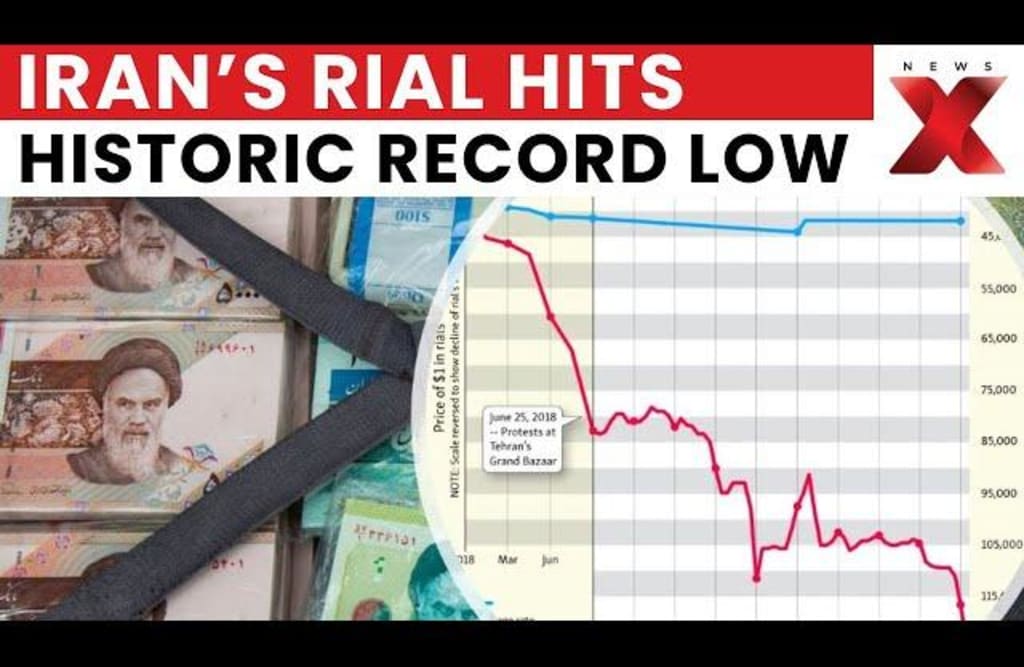
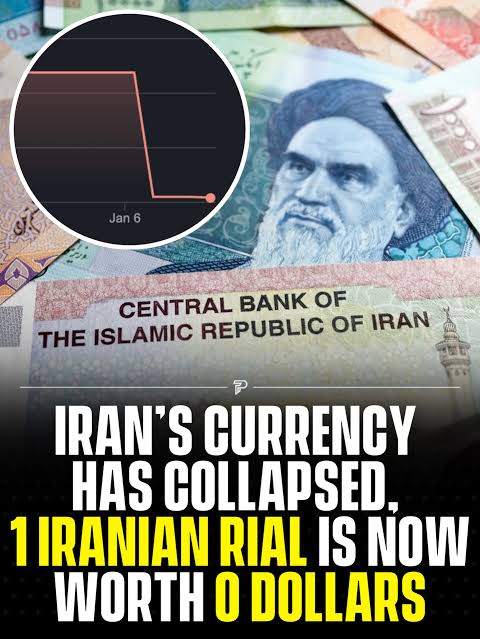
The value of a country’s currency is shaped by a complex mix of economic, political, and market-driven forces. The Iranian rial, often associated with volatility and depreciation, occasionally shows periods of appreciation. Understanding why the rial might increase in value requires examining both domestic developments and international dynamics that influence supply, demand, and investor confidence.
1. Reduced Inflationary Pressure
One of the most direct reasons for a currency’s appreciation is a slowdown in inflation. When inflation stabilizes, purchasing power improves, and confidence in the currency rises. If Iran manages to control price increases through tighter monetary policies or reduced government spending, the rial can strengthen as people are more willing to hold and use it rather than convert it into foreign currencies.
2. Improved Trade Balance
A country’s trade balance plays a crucial role in determining currency value. If Iran experiences an increase in exports—particularly oil, petrochemicals, or non-oil goods—it earns more foreign currency. When exporters convert this foreign currency into rials, demand for the rial increases, pushing its value upward. At the same time, if imports decrease due to domestic production growth or restrictions, fewer rials are exchanged for foreign currencies, further supporting appreciation.
3. Changes in Sanctions and Diplomatic Signals
International sanctions have historically had a significant impact on Iran’s economy and currency. Any easing of sanctions, even temporarily, can improve market sentiment. Positive diplomatic signals—such as renewed negotiations or agreements—can lead to expectations of increased foreign investment and trade. These expectations alone can boost demand for the rial, strengthening its value in the short term.
4. Central Bank Intervention
The Central Bank of Iran can directly influence the rial through intervention in foreign exchange markets. By selling foreign reserves and buying rials, the central bank can reduce the supply of rials in circulation, which can lead to appreciation. Additionally, policies such as controlling exchange rates, limiting currency speculation, or regulating money supply can stabilize or strengthen the rial.
5. Increased Oil Revenue
Iran’s economy is heavily dependent on oil exports. When global oil prices rise, or when Iran manages to increase its oil export volumes despite restrictions, the country earns more foreign currency. This influx supports the rial because it increases the availability of foreign reserves and boosts confidence in the economy. Higher oil revenue often translates into stronger fiscal stability, which positively affects currency value.
6. Market Psychology and Speculation
Currency markets are not driven solely by fundamentals; expectations and speculation also play a major role. If traders and citizens believe that the rial will strengthen, they may choose to hold onto it instead of exchanging it for dollars or other currencies. This behavior increases demand and can create a self-reinforcing cycle of appreciation, at least in the short term.
7. Government Policies and Economic Reforms
Structural reforms, such as improving tax systems, encouraging domestic production, or reducing dependency on imports, can positively affect the currency. When the government implements credible economic reforms, it signals stability and long-term growth potential. This can increase confidence among businesses and investors, leading to a stronger rial.
8. Reduced Demand for Foreign Currency
In times of economic uncertainty, people often convert local currency into stable foreign currencies like the US dollar. However, if economic conditions stabilize or restrictions on foreign currency trading are enforced, demand for foreign currencies may decline. As a result, more transactions take place in rials, supporting its value.
Conclusion
The appreciation of the Iranian rial is rarely due to a single factor. Instead, it reflects a combination of economic stability, policy decisions, international developments, and market sentiment. While short-term increases can occur due to temporary factors like speculation or policy intervention, long-term strength depends on sustained economic reforms, stable inflation, and improved global relations. Understanding these dynamics provides a clearer picture of why the rial’s value may rise and whether such trends are likely to continue.
About the Creator
shaoor afridi
“I am a passionate writer dedicated to sharing informative, engaging, and well-researched articles. My goal is to provide valuable content that educates, inspires, and adds real value to readers.”
Enjoyed the story? Support the Creator.
Subscribe for free to receive all their stories in your feed.
Comments
There are no comments for this story
Be the first to respond and start the conversation.