
Why I Stopped Paying Monthly for AI Chatbots (And What I Use Instead)
A practical look at website chatbots, API keys, and why subscription fatigue is real.

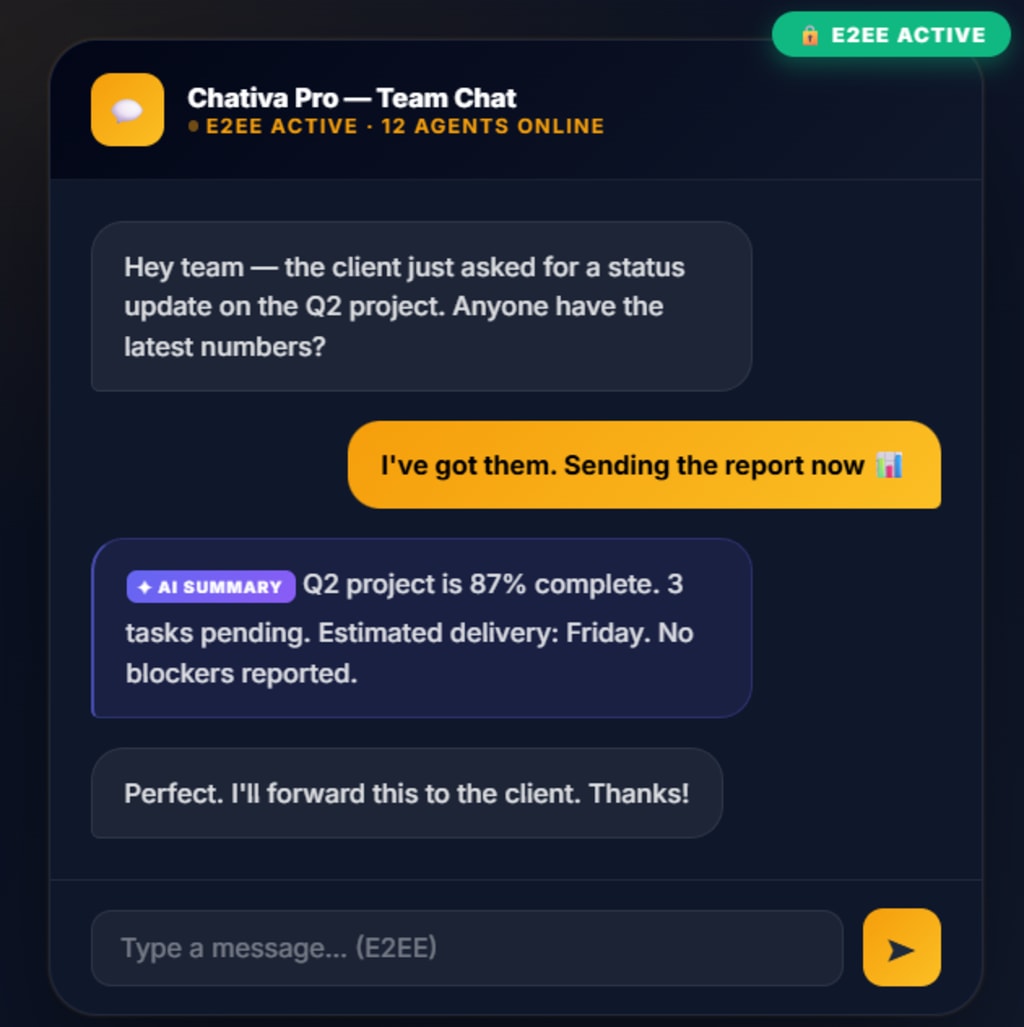
A few months ago, I was reviewing software expenses for a small business website. The chatbot looked nice. The dashboard had fancy graphs. But under the hood, it was mostly a wrapper around Gemini and OpenAI.
That’s when I started asking myself: what exactly was I paying for?
A lot of businesses want a chatbot without recurring fees. Not because they hate AI, but because they’re tired of stacking SaaS bills on top of hosting, email platforms, CRMs, and everything else. Especially when their website only gets a few hundred visitor conversations per month.
The strange part is that AI itself has actually become cheaper. In some cases, dramatically cheaper. What’s expensive now is the layer wrapped around it: branding removal, seat pricing, “premium support,” message caps, analytics add-ons. Stuff that has very little to do with the actual AI processing.
If you’ve ever looked at your chatbot invoice and thought, “Wait… what exactly am I paying for here?” — you’re definitely not the only one.
The Hidden Cost of “AI-Powered” Website Widgets
Most AI chat widgets on the market are selling convenience, not intelligence.
A huge number of website chatbot platforms are built on top of the same handful of models: Gemini, OpenAI, Claude, sometimes open-source models. The actual AI engine isn’t unique. The difference is usually the interface, hosting, integrations, and pricing structure.
And the pricing structure gets messy fast.
I’ve seen chatbot tools charge separately for:
AI messages
Additional team members
Extra websites
White-label mode
Chat history retention
API access
Removing their branding
At some point, you stop paying for AI and start paying rent on a dashboard.
What makes this worse is that small businesses often overpay the most. A local law office with 300 monthly site visitors might be paying the same subscription price as a much larger ecommerce brand. The usage isn’t even close, but the billing is.
I understand why SaaS companies do this. Recurring revenue is predictable. Investors love it. But from the customer side, subscription fatigue is real now. People are exhausted.
I talked to a developer recently who said something that stuck with me:
“The AI isn’t expensive anymore. The subscriptions are.”
And honestly, he wasn’t wrong.
What surprised me most was discovering how many “premium AI widgets” simply resell access to APIs you can already use directly yourself. Sometimes with huge markups. Sometimes 10x or more compared to raw API usage.
That’s why more businesses are now looking for a chatbot without monthly fees instead of another locked SaaS platform. Not because they hate AI. Quite the opposite. They want AI on their website. They just don’t want another endless invoice attached to it.
What “Bring Your Own API Key” Actually Means
The first time I heard the phrase “Bring Your Own API Key,” I thought it sounded way more technical than it really is.
In practice, it’s pretty simple.
Instead of paying a chatbot company a monthly fee to access AI, you connect your own AI account directly to the widget. Usually through Gemini or OpenAI. The chatbot interface stays the same, but the AI usage gets billed straight to your own API account instead of being marked up by another platform.
That’s the core idea behind a bring-your-own-key AI widget.
Once you understand it, it’s hard to unsee how inflated some SaaS pricing has become.
Let’s say your website only handles a few hundred AI conversations per month. With a traditional chatbot SaaS, you might pay 39 to 99 monthly before usage even becomes serious. But with Gemini API pricing directly? Sometimes the actual AI cost is only a few dollars.
Not always. It depends on traffic, prompts, and model selection. Still, the gap can be massive.
That’s why the BYOK model has become popular with developers, agencies, and even small business owners who normally avoid technical setups. They’re realizing the expensive part often isn’t the AI model itself. It’s the subscription layer sitting on top of it.
I’ve also noticed that BYOK tools tend to give businesses more transparency. You can actually see:
how many requests are being made
which model is being used
what the real usage cost looks like
whether your website traffic justifies the expense
With classic SaaS chatbot pricing, those details sometimes feel intentionally blurry.
A Gemini AI chat widget is probably the clearest example of this shift right now. Google made Gemini accessible enough that many businesses suddenly realized they didn’t need a middleman charging recurring fees forever just to provide basic website conversations.
Of course, BYOK isn’t perfect. You still need to manage your API key. You still need some kind of interface or embeddable widget. And if you choose a completely DIY route, setup can get annoying fast.
But the overall idea is surprisingly reasonable: you bring the AI access. The widget handles the frontend experience.
That’s it. And for companies looking for a chatbot without recurring fees, that small change completely flips the economics of adding AI to a website.
Self-Hosted AI Widgets Aren’t as Complicated Anymore
Self-hosted used to be a scary word. A few years ago, it basically meant “good luck spending your weekend debugging Docker containers and server configs.”
That’s not really the case anymore.
Modern embeddable AI tools have shifted a lot. You’re not installing heavy backend systems or managing full AI infrastructure. Most of the time, you’re just dropping a script into your website and connecting an API key. The heavy lifting is already packaged.
And yet, I still hear the same objection over and over: “Isn’t self-hosting too technical for a normal business website?”
It sounds technical. But most of what people think of as “self-hosting” today is actually closer to “self-control.” You’re not building the system. You’re just owning where it runs and how it connects to AI.
A self-hosted AI chat assistant typically works like this:
You host a small app (or use a lightweight package)
You embed a widget on your website
You connect your own API key (Gemini, OpenAI, etc.)
The AI responses are generated on demand, not pre-billed monthly
That’s it in most cases.
What surprised me the most is how many tools now focus specifically on embeddable AI chat widget setups instead of full platforms. They’re designed for websites first, not developer dashboards.
I won’t pretend everything is frictionless. Sometimes setup documentation assumes a bit too much technical comfort. API keys can feel intimidating the first time you generate them. And if something breaks, you’re not always in a “click-to-fix” SaaS environment.
But then again… neither are most serious website stacks.
One thing I’ve noticed working with small business sites is that they actually prefer clarity over abstraction. They’d rather know “this widget costs me $0.03 per conversation” than “this is included in your Pro plan with fair usage limits.”
Self-hosted isn’t perfect. It’s just less painful than it used to be.
And for anyone looking for a no-subscription AI tool for their website, this middle ground — between full SaaS and full DIY — is where things are quietly getting interesting.
Why Businesses Want Private AI on Their Website
There’s a shift happening that most chatbot vendors don’t talk about enough: businesses are starting to care less about flashy AI features and more about control.
Not control in a “we want to tweak prompts” sense. More like: where does our customer data go? Who can access it? Is it sitting inside someone else’s SaaS dashboard?
That’s where private deployment starts to matter.
A private AI assistant for a business website usually means the AI runs in a way that’s isolated from third-party platforms. Conversations aren’t sitting inside a vendor’s shared infrastructure. The business decides how data is stored, processed, or even discarded.
For some industries, that’s not optional anymore. Law firms, consultants, healthcare-adjacent websites — they don’t want visitor conversations bouncing through a dozen external systems. Even if the vendor promises “secure storage,” there’s still a layer of trust they don’t fully control.
Most SaaS chatbot platforms still centralize data in their own systems. Even if it’s encrypted, it’s not yours in the purest sense.
That’s why white-label AI chatbot solutions have become more attractive. Agencies love this. They don’t want their client’s chatbot to show another company’s branding. They want it to feel like part of the website, not a rented add-on.
Vendor lock-in is another quiet concern. Once a chatbot is deeply integrated into a site — trained on FAQs, connected to support flows, embedded across pages — switching providers becomes painful. Sometimes expensive enough that businesses just stay put and keep paying.
Most small businesses don’t think about this upfront. They usually start with something simple like “we just need a chat widget.” Then six months later, they realize that chat history, customer data, and configuration logic are all locked inside a system they don’t fully control.
That’s the moment where the idea of ownership starts to matter more than features.
Private setups don’t necessarily mean more complexity anymore. They’re just structured differently: API-driven, embedded, and controlled by the business instead of the vendor.
Real Ways Businesses Are Running AI Chatbots Without Monthly Fees
Quite a few businesses have already quietly moved away from subscription chatbots. Not in a dramatic “we deleted everything overnight” way, but more like gradual replacement once they realized the math didn’t make sense anymore.
One common setup is agencies using BYOK widgets across multiple client sites. Instead of paying per chatbot instance, they deploy a single embeddable system and connect each client’s own API key. Costs scale with usage, not with arbitrary “plans.”
Another case is ecommerce stores. Many started with 50–200/month chatbot tools that promised “AI sales support.” But once they realized most conversations were basic product questions, they swapped to a lighter self-hosted setup. Same experience for visitors, much lower recurring cost.
Then there are local businesses — small clinics, repair services, real estate agents. They don’t need complex AI pipelines. They just want a widget that answers FAQs, captures leads, and doesn’t break the bank every month.
I remember embedding a chatbot on a client site a while back. The client loved it at first. But three months later, they asked me why they were paying nearly $80 a month for something that mostly repeated the same answers from their FAQ page. That conversation stuck with me.
Here’s the mix of approaches people use:
Some go fully open-source and self-host everything
Some use lightweight VPS setups with API-connected widgets
Some use BYOK platforms that abstract most of the complexity
At the end of the day, the pattern is consistent: businesses don’t necessarily want more AI. They want predictable costs and fewer subscriptions.
What to Look for in a No-Subscription AI Widget
Most people aren’t really asking “Should I add AI to my website?” anymore. They’re asking something more specific: how do I do it without locking myself into another monthly bill I’ll regret later?
First, look at how fast it embeds into a website. If you need to rewrite routing logic or mess with backend configs just to get a chat box showing up, that’s a problem. A good embeddable widget should behave like a plug-in, not a project.
Second, transparency around costs. A real no-subscription setup should make it obvious where money is going. Ideally, you’re paying your API provider directly.
Then there’s model flexibility. Some tools lock you into one AI provider. Being able to switch between models — or at least use something like Gemini or OpenAI depending on pricing — gives you breathing room.
White-label support matters more than people expect. If you’re running multiple client sites or care about branding consistency, you don’t want a chatbot that quietly advertises someone else’s platform.
Another thing people underestimate is data control. Where are conversations stored? Can you export them? Can you delete them easily? These sound like boring questions until you actually need them.
There’s a lot of marketing noise in this space. Every tool claims “AI-powered automation” and “enterprise-grade intelligence,” but what you actually want is simpler:
Predictable cost structure
Easy embedding
API ownership (bring your own key)
Control over branding and data
I’ve seen tools that look amazing in demos but fall apart the moment you try to customize anything beyond their default template. Lighter systems — especially self-hosted setups — tend to win on flexibility, even if they look less flashy at first glance.
For a lot of website owners, that’s already enough.
The Bigger Shift Away From SaaS AI Subscriptions
Something feels different in how businesses are thinking about software lately. It’s not just AI chat widgets. It’s everything. People are starting to question why every tool needs a monthly fee attached to it.
I think we’ve hit a kind of subscription saturation point.
A few years ago, paying 20–50 per month for a tool felt normal. Even $100+ plans didn’t raise eyebrows if the product looked polished enough. But now? Stack five, ten, fifteen tools together and suddenly you’re bleeding cash every month without even noticing.
AI didn’t really change that pattern — it just made it more obvious. Because with AI, the underlying infrastructure is now relatively accessible. You can go directly to providers like Gemini or OpenAI and pay based on actual usage. No middle layer required.
That’s why the shift toward chatbots without recurring fees is starting to pick up quietly. Not as a hype wave, more like a correction.
You see it most clearly in small and mid-sized businesses. They’re not chasing the most advanced AI setup. They just want something stable, predictable, and not tied to yet another recurring bill.
I’ve had conversations with founders who basically said the same thing in different ways: “We don’t mind paying for software. We just don’t want to keep paying for the same thing forever.”
AI is increasingly becoming infrastructure, not a premium feature. Like hosting or databases. You don’t pay a “monthly database subscription” — you pay for usage or self-host it.
It feels like AI chat widgets are slowly heading in that direction too, especially for websites where the use case is simple: answer questions, guide users, capture leads.
There will always be fully managed SaaS platforms, and they’ll still have their place. Some businesses genuinely want zero setup, zero thinking, everything bundled.
But a growing group of users wants something closer to ownership — even if it’s slightly more hands-on.
This isn’t about hype. It’s about math.
For a growing number of website owners, paying for AI usage directly — not for a subscription dashboard — just works better. It’s not the right fit for everyone. But if you’re tired of stacking monthly fees for tools that don’t actually need them, it’s worth a second look.
About the Creator
Brooklyn Hart
Hi, I'm Brooklyn, a girl with a keen interest in health and beauty. I love reading about the latest trends, treatments, and techniques in these fields and enjoy sharing my thoughts and ideas with others.
Enjoyed the story? Support the Creator.
Subscribe for free to receive all their stories in your feed.
Comments
There are no comments for this story
Be the first to respond and start the conversation.