
Why Horror Movies Are Outperforming Hollywood's Biggest Blockbusters
As franchise fatigue grows and production budgets soar, horror films are proving that originality, creativity, and smart storytelling can still dominate the box office.

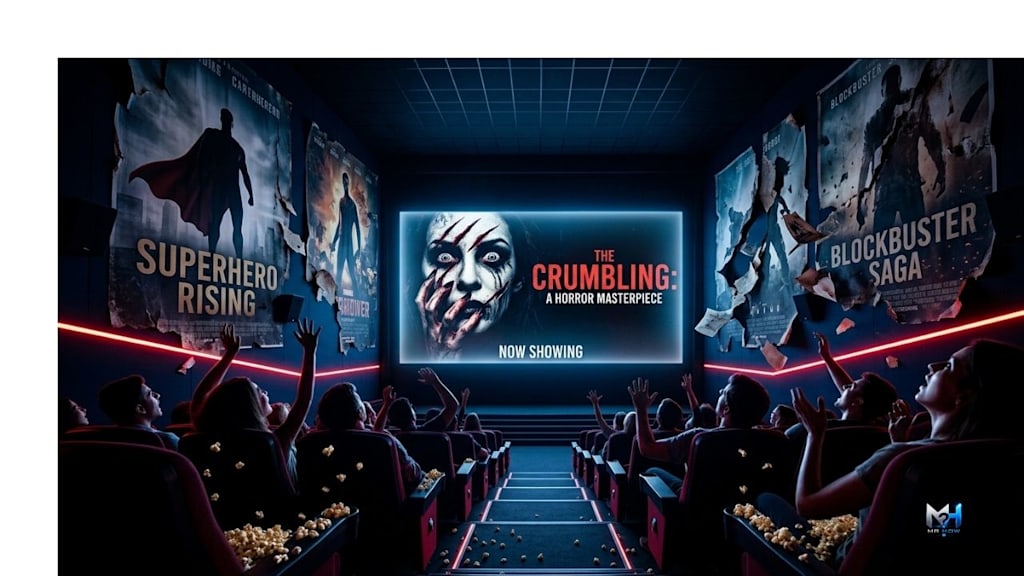
For decades, Hollywood's strategy seemed simple: spend more money, create bigger spectacles, and audiences would keep showing up. Massive franchises, superhero universes, sequels, reboots, and remakes became the industry's preferred formula for success. Yet in recent years, something unexpected has happened. While many expensive blockbusters have struggled to justify their enormous budgets, horror movies have quietly become some of the most profitable and culturally influential films in theaters.
The genre that was once dismissed as a niche category has emerged as one of the smartest businesses in entertainment. Horror isn't just surviving in the modern movie landscape—it's thriving. In many ways, it is outperforming the very system that once overlooked it.
The Power of Small Budgets
One of the biggest advantages horror films have is their ability to generate impressive returns without requiring massive investments.
A superhero movie might cost $250 million or more before marketing expenses are even considered. To be considered successful, it often needs to earn hundreds of millions of dollars worldwide. That's a tremendous financial gamble.
Horror films operate under completely different rules. Many are produced for a fraction of that cost. Some are made for only a few million dollars, while others cost even less. Because the budgets are smaller, the financial risk is lower. A horror movie doesn't need to become a global phenomenon to turn a profit.
This allows filmmakers to focus on storytelling rather than spectacle. A dark hallway, an unsettling sound, or a terrifying idea can create more tension than an expensive visual effect. Horror proves that imagination can often be more effective than unlimited resources.
Audiences Are Growing Tired of Predictability
Hollywood has spent years relying on familiar intellectual properties. Studios often prefer established brands because they seem safer than original ideas. From a business perspective, the logic makes sense. A recognizable title already has an audience.
However, audiences have begun showing signs of fatigue.
When every major release is connected to an existing franchise, moviegoing can start to feel repetitive. Viewers already know many of the characters, understand the story structure, and can often predict where the plot is heading.
Horror offers something different.
The best horror movies thrive on uncertainty. Audiences walk into the theater not knowing what to expect. New monsters, strange worlds, psychological twists, and unexpected endings keep viewers engaged. The genre rewards creativity because surprises are essential to the experience.
In an era where many blockbusters feel familiar before the opening credits roll, horror continues to provide genuine unpredictability.
Fear Is Universal
One reason horror remains so powerful is that it taps into emotions everyone understands.
People from different cultures, backgrounds, and generations may have different tastes in entertainment, but fear is universal. Everyone has experienced anxiety, uncertainty, or dread at some point in life.
Great horror films transform those emotions into stories.
The monsters and supernatural threats often serve as metaphors for real-world concerns. Different eras produce different kinds of horror because society's fears constantly evolve. Economic uncertainty, technological dependence, social isolation, environmental concerns, and changing cultural norms all find their way into modern horror storytelling.
As long as people continue experiencing fear, horror will remain relevant.
Independent Creators Are Reshaping the Industry
Another reason horror has become so successful is the rise of independent creators.
The internet has transformed how filmmakers build audiences. Platforms such as YouTube allow creators to develop storytelling skills, experiment with ideas, and connect directly with viewers before ever working with a major studio.
Many modern horror projects have emerged from online communities, short films, and independent productions. These creators often understand audience engagement better than traditional executives because they spent years interacting directly with fans.
Unlike large studios, independent creators are not always constrained by corporate expectations. They can take creative risks and explore unusual concepts that larger companies might reject.
When these projects succeed, they demonstrate that great storytelling can come from anywhere—not just Hollywood boardrooms.
Horror Encourages Innovation
Large budgets can sometimes create creative limitations.
When hundreds of millions of dollars are at stake, studios often become cautious. Executives may push filmmakers toward familiar formulas because experimentation feels risky.
Horror benefits from the opposite environment.
Since production costs are generally lower, filmmakers have greater freedom to explore unconventional ideas. They can experiment with storytelling techniques, unique visual styles, and unusual concepts without risking catastrophic financial losses.
Some experiments fail, but many succeed. The result is a genre that constantly reinvents itself.
While other genres often rely on established formulas, horror continues evolving because innovation is built into its DNA.
The Future Belongs to Originality
The continued success of horror films sends an important message to the entertainment industry.
Audiences are not rejecting movies. They are rejecting predictability.
People still want to visit theaters. They still want memorable experiences. What many viewers are searching for is something they haven't seen before.
Horror filmmakers understand this. They know that a fresh idea can be more valuable than a massive budget. They understand that tension, atmosphere, and emotional investment matter more than visual excess.
Hollywood often assumes bigger is better. Horror repeatedly proves that smarter is better.
The genre's recent success should not be viewed as a temporary trend. Instead, it reflects a broader shift in audience preferences. Viewers are rewarding creativity, originality, and bold storytelling.
If Hollywood wants to reconnect with audiences, it may need to learn a lesson from the genre it once underestimated. Horror succeeds because it takes risks, embraces new ideas, and understands what makes people feel something.
And in the end, making audiences feel something has always been the real magic of cinema.
About the Creator
Enjoyed the story? Support the Creator.
Subscribe for free to receive all their stories in your feed.
Comments
There are no comments for this story
Be the first to respond and start the conversation.