
Who Controls the Strait of Hormuz?
Examining Claims About U.S. and Chinese Ships

Introduction
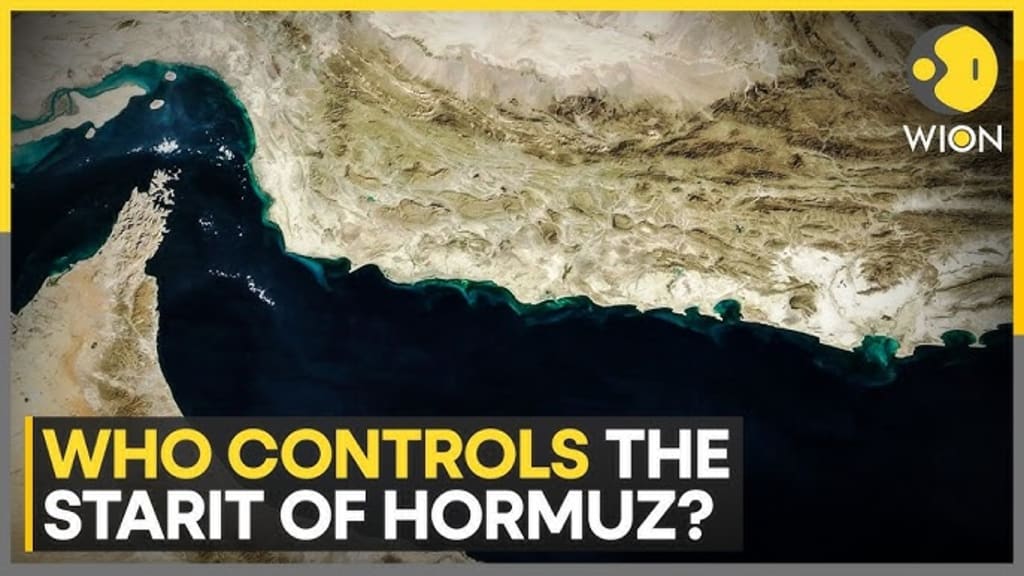
The Strait of Hormuz is one of the most strategically important waterways in the world. Recently, claims and rumors have circulated suggesting that the United States has turned back Chinese ships in this region. But how accurate are these claims? To understand the reality, it is essential to examine who truly controls the Strait and how global powers operate within it.
Why the Strait of Hormuz Matters
The Strait connects the Persian Gulf with the Gulf of Oman, making it a critical route for global oil transportation. Nearly 20% of the world’s oil supply passes through this narrow channel daily.
Countries such as Saudi Arabia, United Arab Emirates, and Kuwait depend heavily on this route for exporting energy resources. Any disruption can lead to serious economic consequences worldwide.
Geographic Control: Iran and Oman
Geographically, the Strait lies between Iran and Oman. These two countries have direct territorial proximity to the waterway.
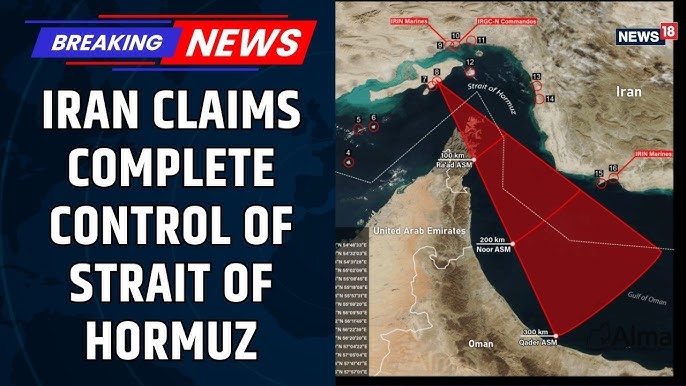
Iran, in particular, has frequently asserted its influence and has, at times, threatened to close the Strait during periods of heightened political tension. However, such actions would likely provoke international backlash due to the global importance of the route.
The Role of the United States
The United States maintains a strong military presence in the region but does not “control” the Strait. The United States Navy operates through the U.S. Fifth Fleet, stationed in Bahrain.
- Its primary objectives include:
- Ensuring freedom of navigation
- Protecting international shipping routes
- Deterring threats from hostile actions
This presence gives the U.S. significant influence, but not ownership or legal authority over the Strait.
China’s Growing Maritime Interests
China is one of the largest importers of oil from the Middle East, making the Strait of Hormuz vital to its energy security. While China does not have direct control over the Strait, it has increased its naval presence in nearby waters, particularly for anti-piracy missions and to protect its trade routes.
Despite growing competition between China and the U.S., there is no widely verified evidence that American forces have systematically turned back Chinese ships from the Strait.
Fact vs. Rumor: Did the U.S. Block Chinese Ships?
Claims that the United States has “sent back” Chinese vessels from the Strait are largely unverified and often exaggerated. In reality:
- International law allows all nations the right to pass through such waterways.
- Direct confrontation between major powers like the U.S. and China in such a sensitive area would be highly risky and likely to escalate quickly.
- Most naval interactions in the region are monitored and rarely result in outright denial of passage.
- These facts suggest that such claims should be treated with caution unless supported by credible evidence.
International Law and Freedom of Passage
The United Nations Convention on the Law of the Sea ensures that all countries enjoy the right of transit passage through international straits like Hormuz.
This means no single country—including the United States—can legally block another nation’s commercial ships without significant justification under international law.
The United States maintains a powerful strategic presence in the Strait of Hormuz, a vital chokepoint through which nearly a fifth of the world’s oil supply passes. By deploying naval forces, particularly the U.S. Fifth Fleet based in Bahrain, Washington ensures the security of global energy routes and deters potential threats, especially from Iran.
Conclusion
The Strait of Hormuz is not controlled by any single nation. While Iran and Oman hold geographic importance, global powers like the United States and China play influential roles due to their economic and strategic interests.
Ultimately, claims about the U.S. turning back Chinese ships are more rumor than reality. The Strait remains a shared international passage where power is balanced, tensions exist, but cooperation—at least in maintaining open trade routes—remains essential for global stability.
About the Creator
shaoor afridi
“I am a passionate writer dedicated to sharing informative, engaging, and well-researched articles. My goal is to provide valuable content that educates, inspires, and adds real value to readers.”
Enjoyed the story? Support the Creator.
Subscribe for free to receive all their stories in your feed.
Comments
There are no comments for this story
Be the first to respond and start the conversation.