
What Are Direct to Film Printing Services and How Do They Work Step by Step?
I was curious about what happens behind the scenes when a design is turned into a finished garment, and DTF printing turned out to be more interesting than I expected.

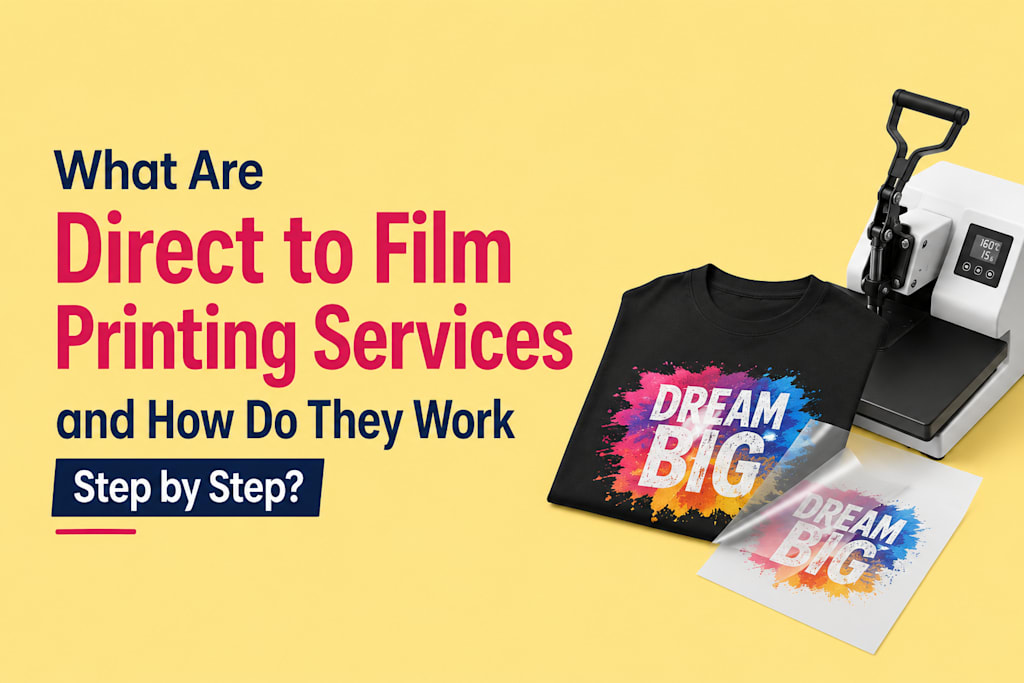
A few months ago, I kept hearing people in the custom apparel industry talk about DTF printing. Whether I was reading discussions online, browsing printing shops, or looking at custom clothing options, the term seemed to appear everywhere.
At first, I assumed it was just another printing trend that would eventually fade away. But the more I looked into it, the more I realized that this method was solving real challenges that both customers and print shops had faced for years.
Curious to understand what made it different, I spent some time learning about the process from start to finish. What I discovered was a surprisingly straightforward method that combines digital printing with heat transfer technology to create vibrant designs on a wide variety of fabrics.
One thing I learned early on is that direct to film printing services don't actually print directly onto the garment. That surprised me because the name suggests otherwise. Instead, the design is first printed onto a special film and then transferred to the fabric using heat and pressure.
Once I understood that basic concept, the rest of the process became much easier to follow.
It All Starts With the Design
The first thing I noticed is that everything depends on the quality of the artwork. Before any printing happens, the design needs to be prepared properly.
From what I learned, high-resolution files are important because they help preserve details and ensure clean edges. Many designs are prepared with transparent backgrounds so that only the artwork itself appears on the final garment.
It reminded me of how much work often happens before production even begins. Most people only see the finished shirt, but a lot of preparation goes into creating a design that will print correctly.
The Design Gets Printed Onto Film
The next step was one of the most interesting parts for me.
Instead of printing directly onto fabric, the artwork is printed onto a transparent PET film. The design is usually printed in reverse, which initially seemed strange until I realized it would be flipped again during the transfer process.
The printer lays down the color inks first and then applies a white backing layer. I found this particularly interesting because that white layer is what helps bright colors remain vibrant on dark garments.
Without it, many designs would lose their impact.
A Special Powder Creates the Bond
This was probably the step I knew the least about before researching the process.
After printing, an adhesive powder is applied to the wet ink. At first glance, it doesn't seem like a significant step, but it turns out to be one of the most important parts of the entire workflow.
The powder acts as the bonding agent that will eventually attach the design to the fabric. Once applied, the film is heated so the adhesive cures and becomes ready for transfer.
Learning about this stage helped me understand why modern DTF prints can be so durable.
Heat Pressing Brings Everything Together
Once the transfer is prepared, it's placed onto the garment and pressed using a heat press.
This is where the transformation happens.
The combination of heat, pressure, and timing activates the adhesive and bonds the design to the fabric. After the pressing cycle is complete, the film is removed and the design remains on the garment.
Watching videos of this process was surprisingly satisfying. Seeing a plain shirt instantly transformed into a finished product gave me a new appreciation for the craftsmanship involved.
The Final Press Makes a Difference
Something I didn't know before researching DTF is that many shops perform an additional pressing step after the transfer has been applied.
This final cure helps improve durability and creates the smooth finish that many people associate with quality DTF prints.
It may seem like a small detail, but I've learned that these finishing touches often make a noticeable difference in the final result.
Why So Many People Are Choosing DTF
As I continued learning about the process, it became clear why this printing method has gained so much attention.
One reason is flexibility.
Whether a design contains two colors or twenty, the production process remains largely the same. Detailed artwork, gradients, photographs, and intricate graphics can often be reproduced without the complicated setup requirements associated with some traditional methods.
For people who need a single custom shirt, a small batch of apparel, or a highly detailed design, that flexibility can be incredibly useful.
What Surprised Me Most
Perhaps the biggest surprise was how many different fabrics can work with DTF transfers.
I initially assumed it would be limited to a specific material, but it is commonly used on cotton, polyester, blends, performance fabrics, and even accessories like bags and caps.
That level of versatility helps explain why so many businesses and creators have embraced the process.
My Final Thoughts
After taking the time to understand how DTF printing works, I can see why it has become such a popular option in the custom apparel world.
What began as simple curiosity turned into a genuine appreciation for the technology behind it. Every stage, from preparing the artwork to applying the final transfer, plays a role in creating a finished product that looks vibrant and lasts through repeated wear.
While there is no single printing method that works best for every project, learning about DTF gave me a better understanding of how modern apparel decoration continues to evolve. The next time I see a custom-printed shirt, I'll definitely have a greater appreciation for everything that may have happened behind the scenes before that design ever reached the fabric.
About the Creator
John Doe
John Doe is a seasoned content strategist and writer with more than ten years shaping long-form articles.
Enjoyed the story? Support the Creator.
Subscribe for free to receive all their stories in your feed.
Comments
There are no comments for this story
Be the first to respond and start the conversation.