
Watching “To Kill a Mockingbird” in 2025
Some thoughts and reflections



This is not a review.
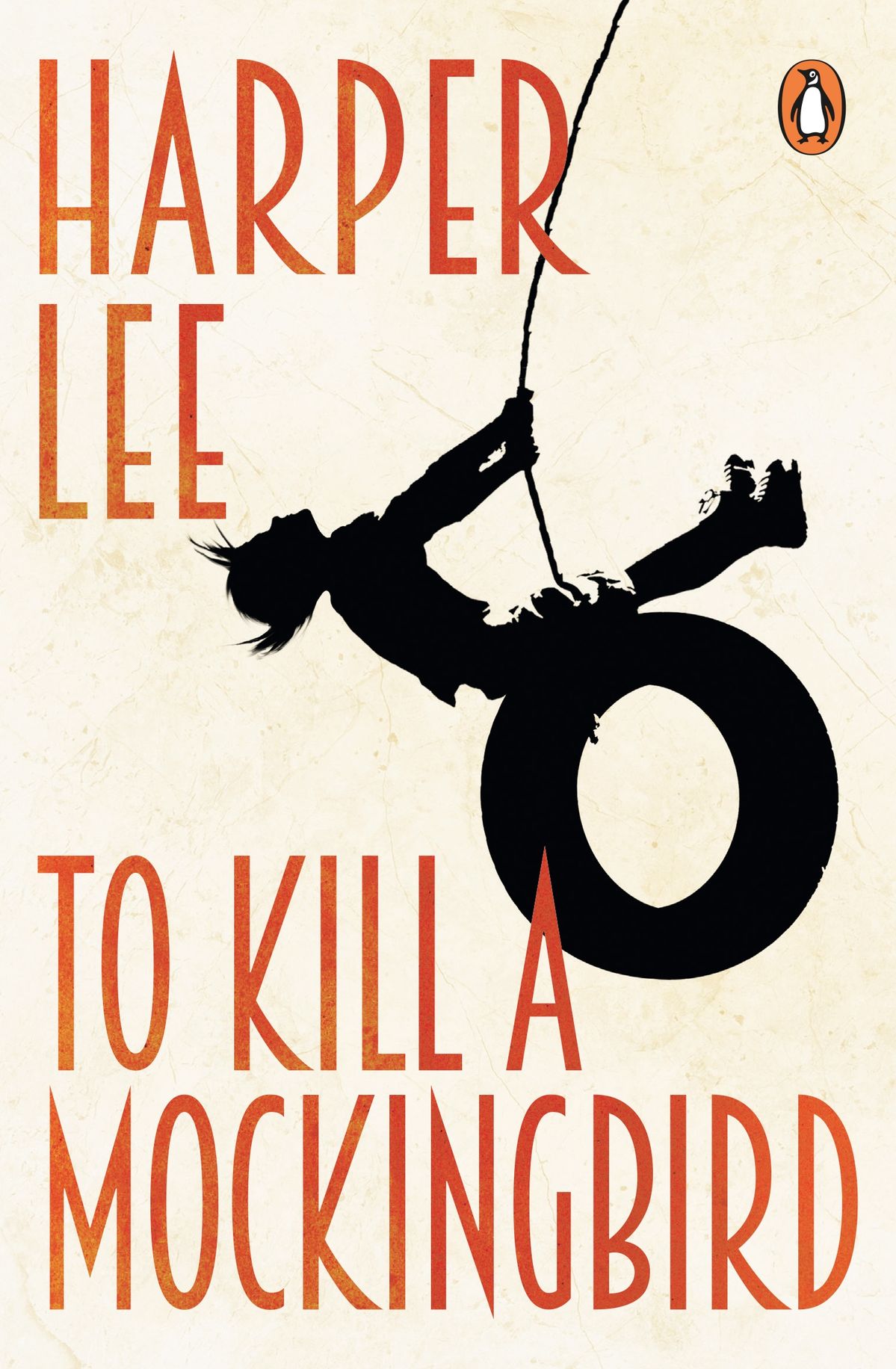
I’ve just been to see the UK touring production of Aaron Sorkin’s adaptation of Harper Lee’s “To Kill a Mockingbird”. If you have never read the book, seen the 1962 film, or been lucky enough to catch the current tour, please do one of those before you read my paltry words.
On the day I watched To Kill a Mockingbird, there was a nationalistic racist march in London, where one of the world’s’ richest men called for the resignation of a Prime Minister of a democratic country. Just days before, the news had broken about the killing of Charlie Kirk. As a Brit, I had not heard of him until his murder, but I was quickly made aware that our newspapers and news-screens cared more about the death of a man who preached for inequality than for murdered school children or an ongoing genocide.
When I first read the novel I read it as history. I was grateful for the progress we had evidently made. That I lived in a world that was post-apartheid, post-civil rights laws, post racism being seen as a legitimate political doctrine. I read it as a warning against using something as arbitrary as the colour of someone’s skin to determine justice.
Watching the play, it was no longer history. I saw a dystopian near-future, a chilling recounting of arguments I thought had long been won, being parroted back to me in real time on the stage and on the news feed on my phone. All under the guise of “free speech”, of “patriotism”, of “rightful justice.” The Bob Newell character would call me a “race-traitor” and I’d be proud and scared.
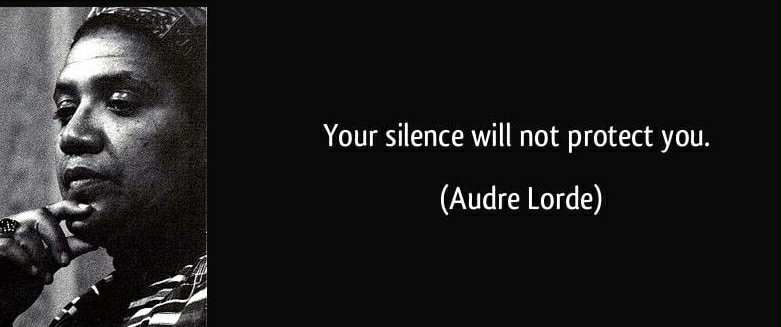
I choose all my words carefully from now on. I work hard to sound reasonable against the unreasonable, the illogical, the cruel.
Sorkin and Lee both have talent in writing a great courtroom scene, where the argument is won in words. But not necessarily in hearts.
I learned I can know a plot without being prepared for the story.
Sorkin’s adaptation offers a slight expansion in the roles of two black characters.
Tom Robinson, a man accused of rape, is given the space to tell his own story about his prospects of innocence. This opens up the idea that there is an understanding of the world that can’t always be grasped if you don’t share a starting point. You can try to walk a mile in someone else’s shoes, preaching empathy, but if at the end of the day, you can put on a nice pair of comfy loafers and people will give you respect because your accent, your education and skin tone fits an ideal, you have not learned the lesson. Atticus Finch may be a great orator, but he also needs to listen.
And Calpurnia, the black housemaid to Atticus Finch, offers the necessary cynicism and hard truths to Finch’s idealism. She is the person who proffers the wisdom that respect needs to have limits. In particular, that tolerance has to stop at intolerance. Racism is not freedom of speech. It is violence.
The tweaks that Sorkin made to give the Black characters greater agency matter. They matter more now than in any time I have ever known, when there is a purge of black and minoritised voices from our newspapers, our television screens, academia, business and law.
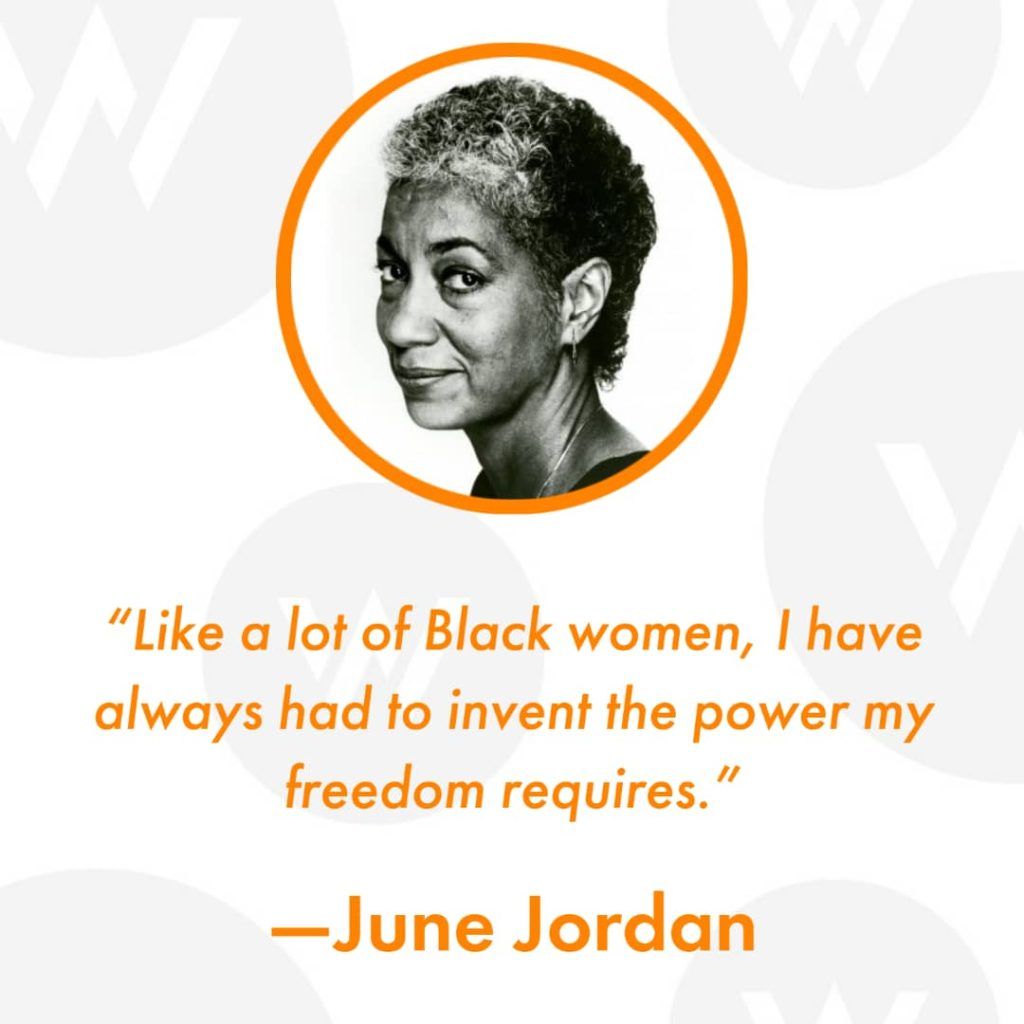
And still we don’t listen to black women. We don’t take on board their hard fought wisdom. We recast them as angry, and like Atticus Finch, we tease them about their terseness, their passive aggressive sighs. But Calpurnia has the courage to say that her knowledge is different to his, but just as real. For all the compassion for poverty, old-age, abuse, wounded pride – you still can’t “two sides” racism.
Atticus Finch wants so hard to believe that he knows his neighbours. He believes in their inherent goodness. He has to.
I understand this. I watch the angry faces on the march. I see their glee in finding a scapegoat for inequality and injustice. I can see their desire to be part of a tribe that looks like them, and values them for just being their colour, speaking their language and not having to think about others, not having to do the hard work of questioning their own position.
In the play, I hear of Tom’s death because people don’t want to do that hard work. They don’t want to admit they might be wrong.
I want to believe there are more good people than bad. Right now, that’s a tough belief to have faith in.
I watched the play. I read the news. Maycomb County, Alabama, 1934 is all around me.
If you've enjoyed what you have read, consider subscribing to my writing on Vocal. If you'd like to support my writing, you can do so by leaving a one-time tip or a regular pledge. Thank you.
About the Creator
Rachel Robbins
Writer-Performer based in the North of England. A joyous, flawed mess.
Please read my stories and enjoy. And if you can, please leave a tip. Money raised will be used towards funding a one-woman story-telling, comedy show.
Enjoyed the story? Support the Creator.
Subscribe for free to receive all their stories in your feed. You could also become a paid subscriber, letting them know you appreciate their work.
Comments
There are no comments for this story
Be the first to respond and start the conversation.