
Trump's Warning to China
Consequences of Supporting Iran

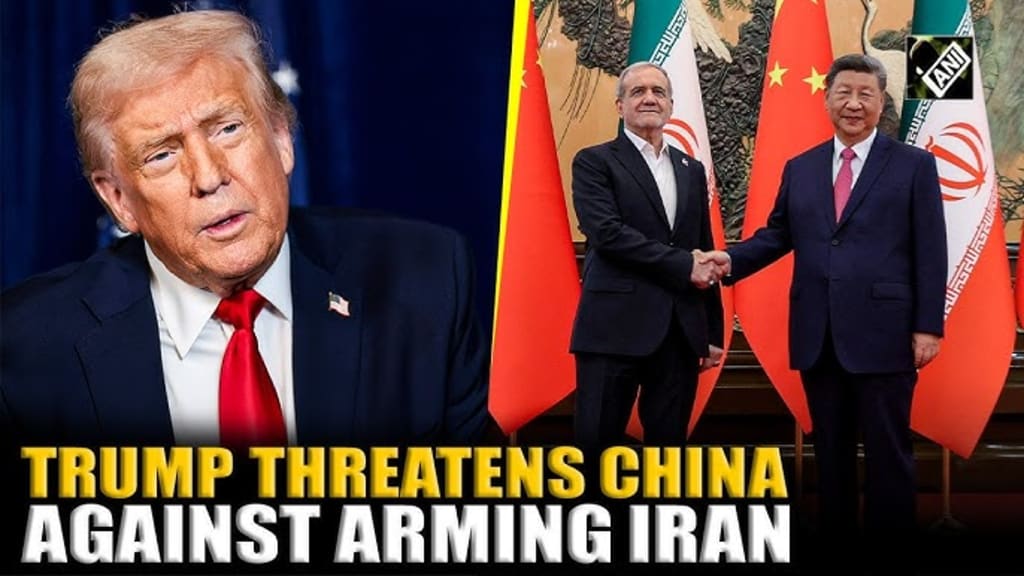
In a rapidly evolving global crisis, former U.S. President Donald Trump has issued a strong warning to China over its alleged support for Iran. The statement comes at a time when tensions between Washington and Tehran are already dangerously high, and any involvement by Beijing risks turning a regional conflict into a global confrontation.
Reports based on U.S. intelligence suggest that China may be preparing to supply military equipment—particularly air defense systems—to Iran. In response, Trump warned that if China proceeds, it will face “big problems,” signaling potential economic or strategic retaliation. � This warning is not just rhetorical; it reflects growing concern in Washington that external support could significantly strengthen Iran’s military capabilities.
Moneycontrol +1
The implications of such a move are far-reaching. If China were to assist Iran militarily, it could shift the balance of power in the Middle East. Iran, already engaged in a tense standoff with the United States and its allies, would gain enhanced defensive strength against airstrikes and other military operations. This could prolong the conflict, increase casualties, and complicate diplomatic efforts aimed at de-escalation.
For China, the situation is equally delicate. As Iran’s largest trading partner and a major global power, Beijing has strategic and economic interests in the region. However, direct military involvement—or even perceived involvement—could trigger severe consequences. Trump has previously hinted at economic measures such as tariffs or sanctions against countries aiding Iran, potentially sparking a broader trade conflict. �
Reuters
China, however, has denied these allegations, insisting that it adheres to international law and does not supply weapons to active conflict zones. � This denial highlights the complexity of modern geopolitics, where information warfare, intelligence leaks, and political narratives often shape global perceptions as much as actual events.
New York Post
Beyond the immediate players, the situation has global implications. Increased tensions between the United States and China—two of the world’s largest economies—could disrupt international trade, energy markets, and diplomatic relations. The Middle East, already a hotspot for conflict, risks becoming the center of a larger power struggle involving multiple global actors.
Moreover, this development underscores the fragile nature of ongoing diplomatic efforts between the United States and Iran. At a time when negotiations are described as “very delicate,” any external interference could derail peace talks entirely. � The involvement of additional powers like China may harden positions on both sides, making compromise more difficult.
Amid rising global tensions, former U.S. President Donald Trump has issued a strong warning to China regarding its alleged support for Iran. Reports based on U.S. intelligence suggest that Beijing may be preparing to supply advanced weapons, including air defense systems, to Tehran. In response, Trump warned that China would face “big problems” if such actions were confirmed, signaling a potential escalation beyond the Middle East conflict. 
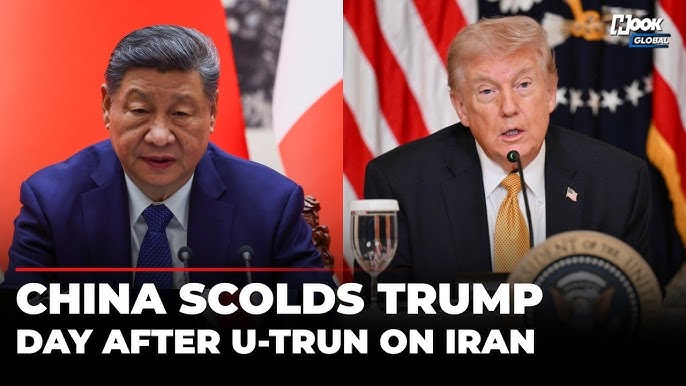
The warning reflects growing concerns in Washington that Chinese involvement could significantly strengthen Iran’s military capabilities. Such support could prolong the ongoing conflict and increase risks for U.S. forces and allies in the region. It may also shift the balance of power, making diplomatic solutions more difficult to achieve.
Trump has also hinted at economic consequences, including the possibility of imposing heavy tariffs on countries that assist Iran militarily. This move could deepen tensions between the world’s two largest economies, potentially triggering a wider trade conflict. 
China, however, has denied these allegations, stating that it does not supply weapons to conflict zones and remains committed to international law. Despite these denials, suspicion and mistrust continue to grow. 
In conclusion, Trump’s warning to China is more than just a political statement—it is a reflection of rising geopolitical tensions that could reshape global alliances and conflicts. Whether China chooses to engage, deny, or distance itself from Iran will play a crucial role in determining the future of this crisis. As the world watches closely, one thing is clear: the stakes have never been higher, and the path forward remains uncertain.
About the Creator
shaoor afridi
“I am a passionate writer dedicated to sharing informative, engaging, and well-researched articles. My goal is to provide valuable content that educates, inspires, and adds real value to readers.”
Enjoyed the story? Support the Creator.
Subscribe for free to receive all their stories in your feed.
Comments
There are no comments for this story
Be the first to respond and start the conversation.