
Toy Story 5 Brings Woody and Buzz Into the Digital Age
Pixar's latest adventure explores the battle between traditional toys and modern technology, delivering a heartfelt story about imagination, friendship, and the future of childhood play.

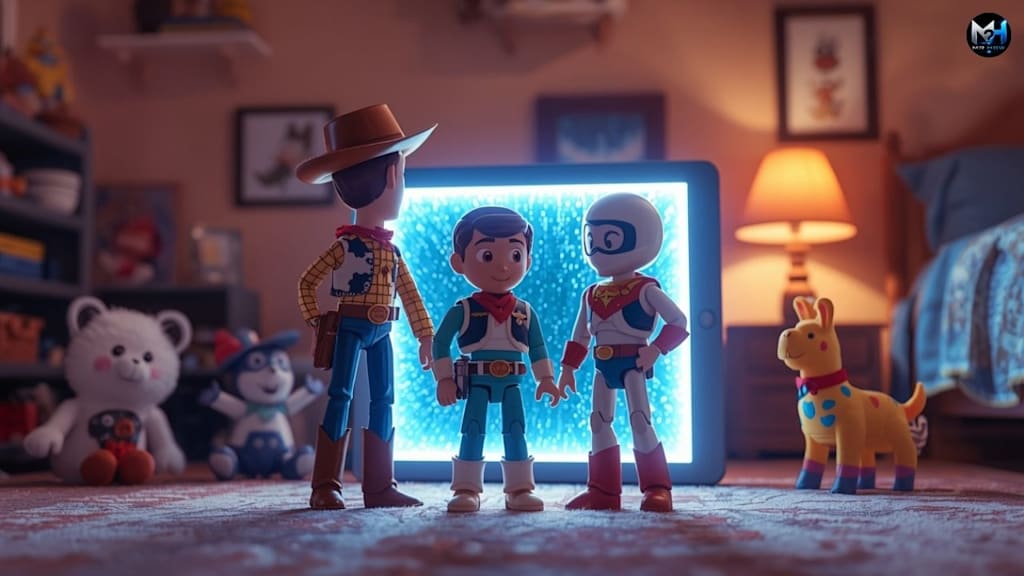
Disney and Pixar's Toy Story 5 has arrived with a challenge unlike any faced by Woody, Buzz Lightyear, and their friends before. Instead of battling a toy collector, escaping a daycare center, or confronting questions about growing up, the beloved toys now face a modern rival that millions of parents recognize instantly: technology.
The fifth installment in the iconic franchise explores how childhood has changed in a world dominated by screens, tablets, and digital entertainment. While maintaining the humor, heart, and adventure that made the series a global phenomenon, Toy Story 5 introduces a timely story about the evolving relationship between children and traditional play.
At the center of the film is Bonnie, whose attention has increasingly shifted away from her toys and toward a tablet-like device known as Lilypad. For Woody, Buzz, Jessie, and the rest of the gang, this new reality creates an unfamiliar problem. They are no longer competing with other toys for a child's affection; they are competing with technology itself.
This premise gives Toy Story 5 a distinctly modern identity. Previous films explored friendship, loyalty, abandonment, and the inevitability of change. The latest chapter expands those themes by asking whether imagination-driven play can still thrive in a digital-first world.
One of the film's biggest strengths is its willingness to engage with a topic that resonates with contemporary families. Many parents have watched children spend increasing amounts of time with screens, while traditional toys occupy less space in everyday life. Rather than presenting technology as a villain, the film takes a more balanced approach. It acknowledges the appeal and benefits of digital devices while emphasizing the unique value of creativity, human connection, and imaginative play.
Jessie emerges as a major standout throughout the story. Long a fan favorite, the energetic cowgirl receives a larger role than in many previous installments. Her emotional journey provides some of the film's most memorable moments and helps ground the broader themes in genuine character development. Critics have highlighted Jessie as one of the emotional anchors of the movie, and her expanded presence gives the franchise a refreshing perspective.
Woody and Buzz also return in familiar form, continuing their legendary friendship while navigating a rapidly changing world. Their reactions to Lilypad and the shifting interests of children create both comedic situations and meaningful reflections. The film understands that longtime audiences have grown up alongside these characters, allowing it to explore change not only from the perspective of toys but also from the perspective of the viewers who have followed them for decades.
Visually, Toy Story 5 showcases Pixar's continued excellence in animation. The studio has consistently pushed technical boundaries since the original Toy Story revolutionized computer animation in 1995. The latest entry demonstrates just how far the technology has evolved, delivering richly detailed environments, expressive character animation, and vibrant action sequences that feel both contemporary and faithful to the franchise's legacy.
The film's emotional core remains one of its greatest assets. While the story includes plenty of laughs and energetic adventure, it never loses sight of the relationships that have defined the series from the beginning. Themes of friendship, belonging, and purpose continue to resonate, even as the narrative tackles modern concerns about technology and childhood.
Critical reception has generally been positive. Reviewers have praised the movie's heartfelt storytelling, strong performances, and relevant themes. Some critics have suggested that the film plays its ideas somewhat safely, avoiding deeper criticism of technology's role in modern life. However, many have appreciated the decision to present a nuanced message rather than a simplistic argument against screens.
Beyond its creative ambitions, Toy Story 5 is also shaping up to be one of the biggest theatrical events of the year. Industry analysts have projected a massive opening weekend, with expectations that the film could deliver one of the strongest debuts in franchise history. Early forecasts suggest domestic earnings that could exceed previous entries, while global projections indicate the potential for an enormous worldwide launch.
Such numbers would reinforce the enduring popularity of the Toy Story brand. More than three decades after audiences first met Woody and Buzz, the franchise continues to attract multiple generations of moviegoers. Parents who grew up with the original films are now bringing their own children to theaters, creating a rare cross-generational appeal that few franchises can match.
Ultimately, Toy Story 5 succeeds because it understands what has always made the series special. Beneath the adventure, comedy, and dazzling animation lies a simple but powerful truth: toys matter because they help create memories, spark imagination, and strengthen emotional connections. In an era increasingly defined by digital experiences, that message feels more relevant than ever.
Whether the film goes on to become a box office record-breaker or simply another beloved chapter in Pixar's history, Toy Story 5 proves that there are still meaningful stories to tell in this remarkable franchise. By confronting the realities of modern childhood while staying true to its emotional roots, the film offers a thoughtful, entertaining, and heartfelt adventure for audiences of all ages.
About the Creator
Enjoyed the story? Support the Creator.
Subscribe for free to receive all their stories in your feed.
Comments
There are no comments for this story
Be the first to respond and start the conversation.