
The Social Reckoning (2026)
A Film Out of Time


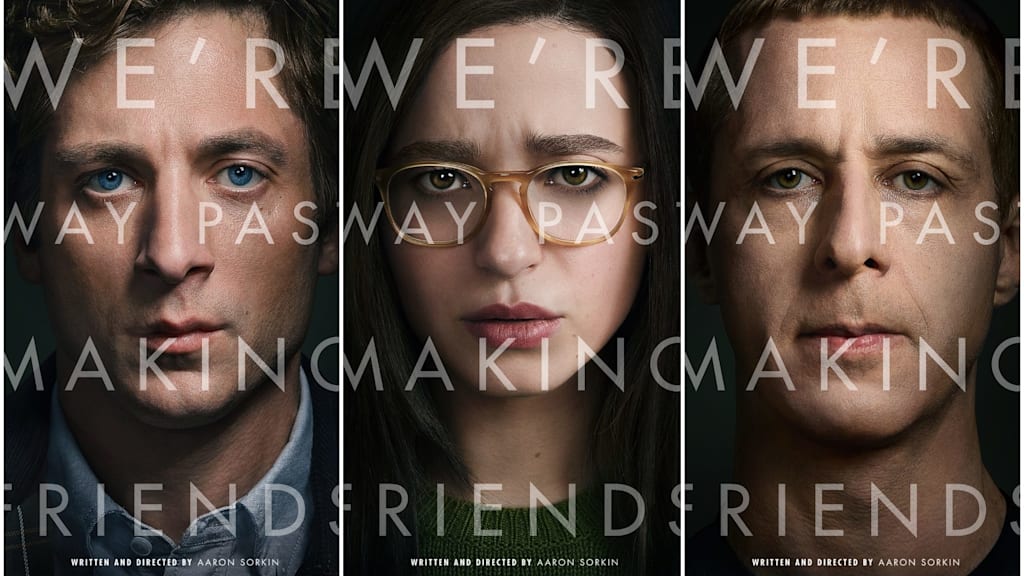
I am a fan of Aaron Sorkin. I even watched Studio 60 on the Sunset Strip. Despite it being panned by a number of comedy writers and only lasting one season, I liked it. Last year I went to see his adaptation of To Kill a Mocking Bird in the theatre and wrote about its peculiar ability to work as both an historical piece and a reflection of our times. (Read that here).
Then there is The West Wing, which I would definitely place in a list of all-time favourite TV shows. Except that right now, it is unwatchable. It has not aged well. Or more accurately, we have not aged well. It is an historical piece that feels out of time, written about ideals of public service, the role of principles, nuanced challenges to tradition, rule-following and adherence to the constituency. Ha, ha, ha.
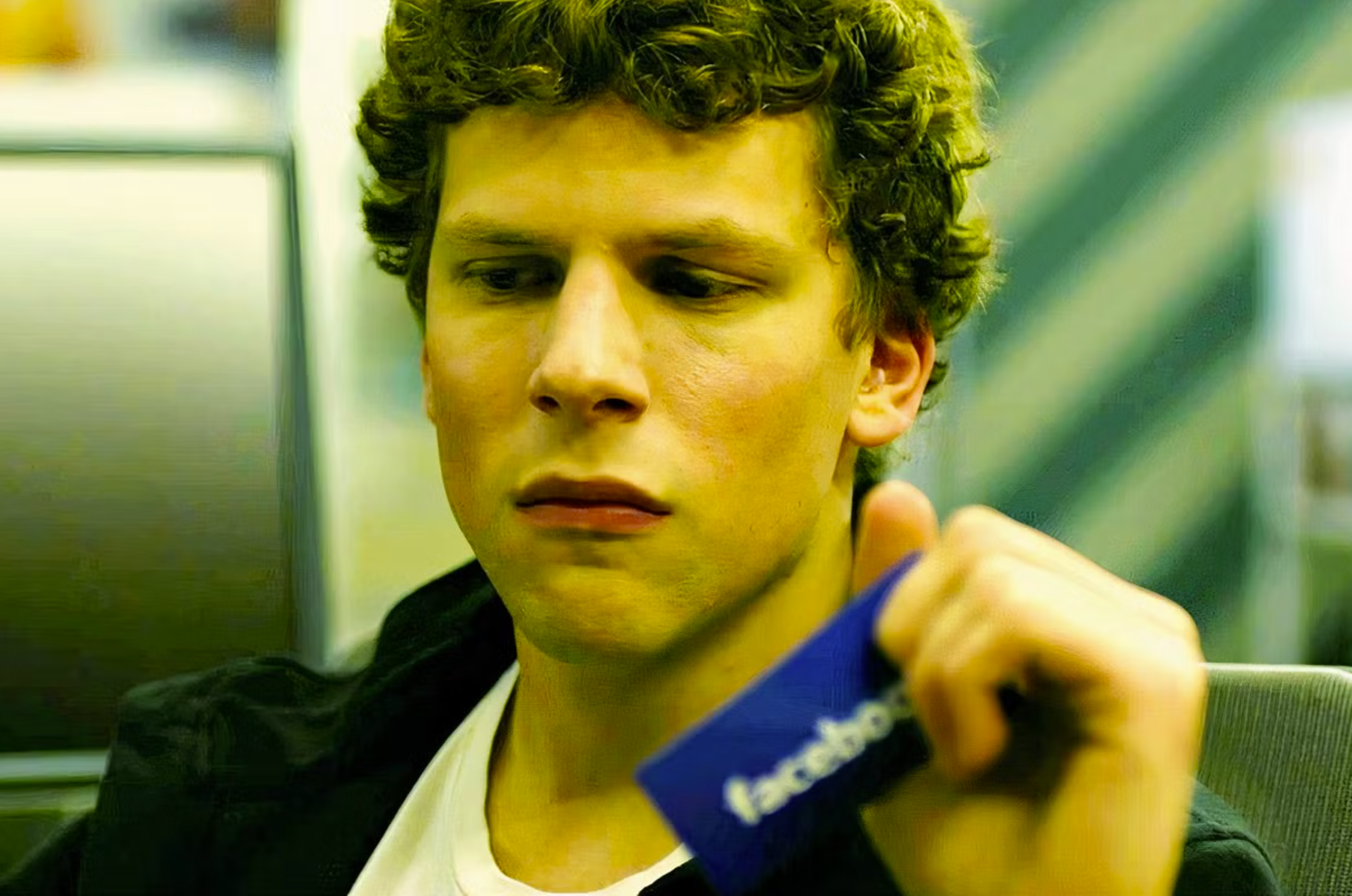
In 2010, Sorkin’s script for The Social Network was directed by David Fincher. It followed the founder of Facebook, Mark Zukerberg, as a jilted vengeful boyfriend, using his computing skills to insult his ex-girlfriend, leading to the creation of website initially designed for elite university students. The Zuckerberg of The Social Network is portrayed by Jesse Eisenberg as bright, but unaware and obsessive. He is closed off to others’ opinions. His ruthlessness is portrayed as both social incompetence and unlikeable insensitivity. Eisenberg is a still actor, whose portrayal of Zuckerberg shows no interest in his public reception. For those of us who use Facebook, it can be a difficult pill to swallow that it started life as a misogynist call-out of women students. A frat boy party hosted on the internet.
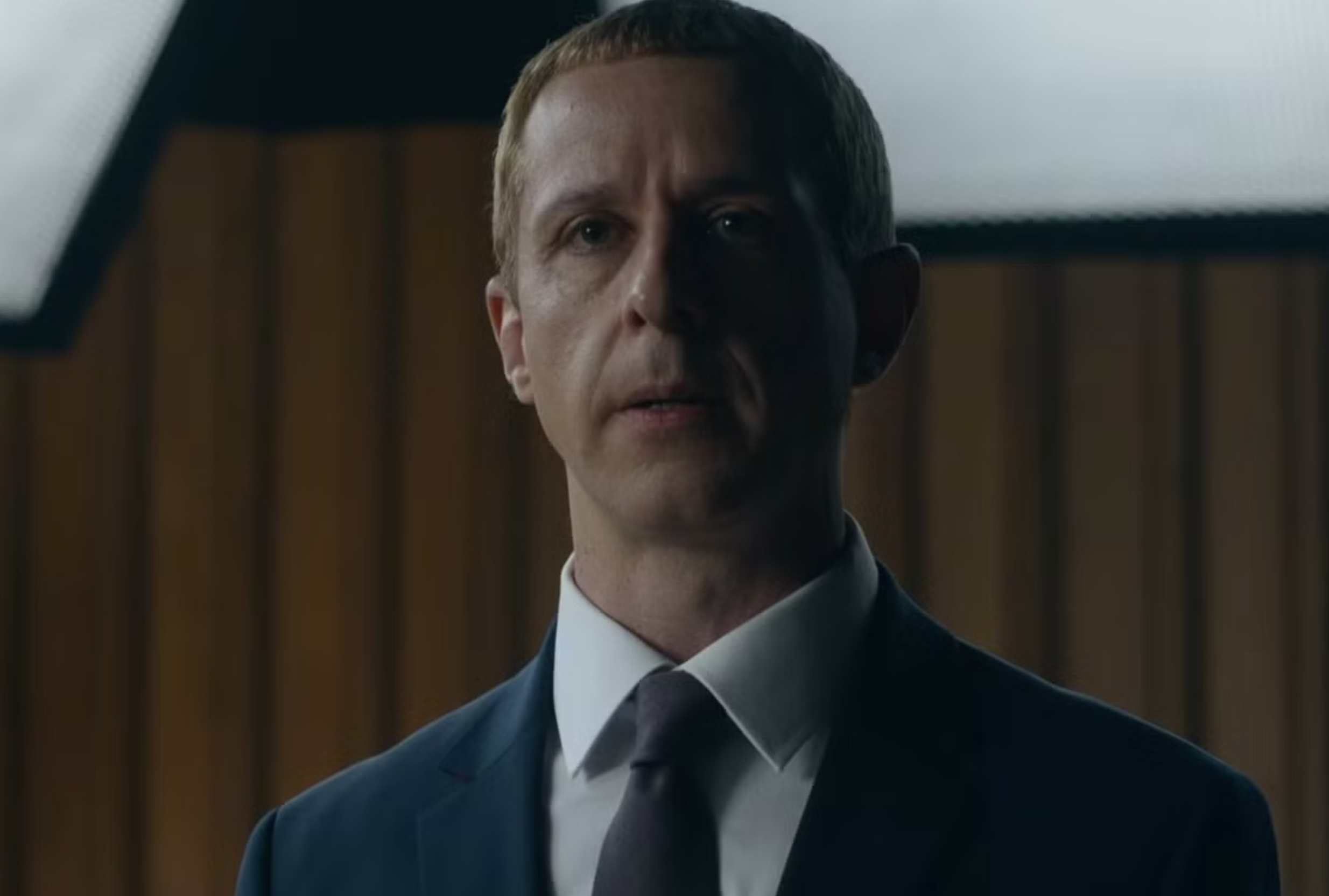
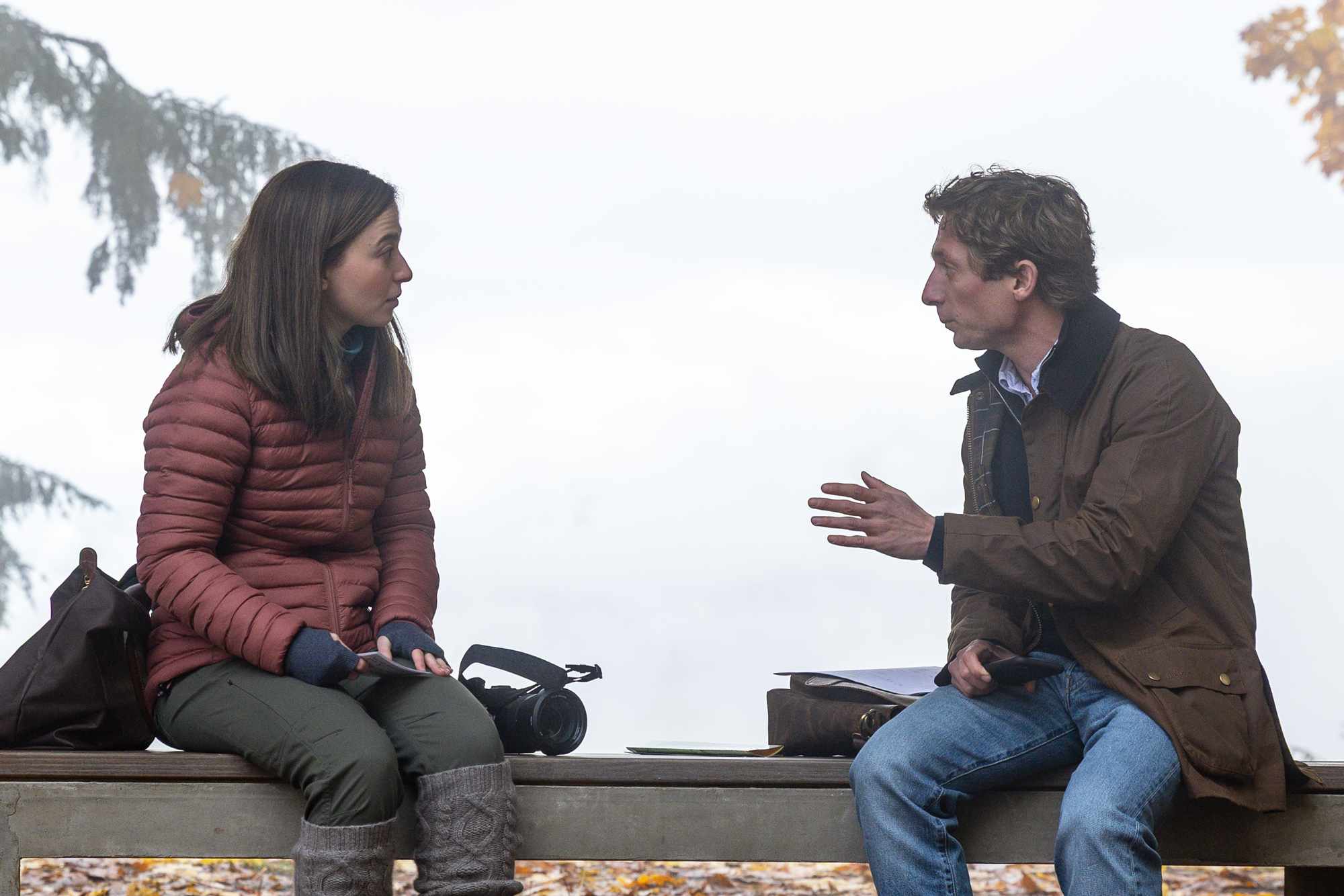
And now in 2026, we have The Social Reckoning, a revisit to Zuckerberg’s empire, now much expanded. The film dramatizes the 2021 Facebook leak by whistleblower Frances Haugen (Mikey Madison) and the exposé by Jeff Horwitz (Jeremy Allen White) in the Wall Street Journal. Zuckerberg is now played by Jeremy Strong, who retains the stillness of the original, but has developed an awareness of how he is seen. He carries with him a wounded arrogance.
The Social Reckoning by most objective measures is a good film. It has a strong script with many of the trademark Sorkin techniques – clever people talking quickly, an awareness of the intricacies of legal processes, references to literature and history, exposing the workings of PR, moral dilemmas taken from abstraction and placed firmly in human characterisations.
The direction and production capture corporate environments and the culture of business. Plus, there is no sparing us the brutality of the January 6th Capitol Attack.
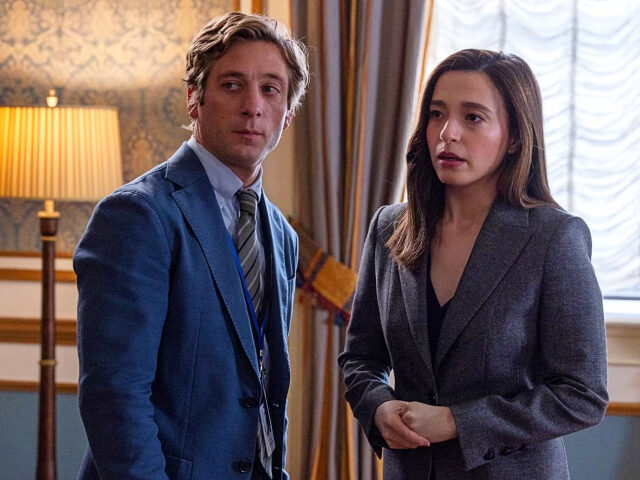
Performances are well-grounded and credible. Mikey Maddison shows the dilemma of the whistle-blower both through Sorkin’s words, but also through her physical reticence to commit. She is caught between the desire to protect herself and to protect others. To do both seems impossible. Together with Jermey Allen White, they make quite the odd couple.
At the end we all know that the Facebook algorithm placed click-baiting, hate-provoking, rage-farming above the welfare of users. It ignored its own findings about the role of social media in teenage girls mental health. It did these things to create financial growth for the company, and in doing so encouraged far-right radicalism and self-harm.
But, there is something profoundly depressing in this film, even as it showcases courage and conviction. There is a gentle, sweet, naïve assumption that there is some kind of line that joins the uncovering of wrong doing to consequences. But this has been shattered.
In Trump’s second term he has granted clemency to all 6th January rioters, even those convicted of violent offences. Integrity and accountability have entered a new Dark Ages.
Like re-watching The West Wing, the film feels out of time. It follows a logic that doesn’t fit with a current era of billionaires flouting their wealth and declaring an era of “post-government”.
It could’ve had an impact if it had been released a couple of years earlier. And I think it could serve as a cautionary tale in a decade from now. At this point, however, it feels quaint, naïve, optimistic. Despite all the intelligence of the script, it doesn’t hold the force of a film like All the President’s Men, because the conclusion is left lingering. Accountability has diminished for the powerful, to the extent that a victim of rape is held to a higher standard of evidence, than the men ripping up the constitution.
And the rest of us…
Many of us will continue to use Facebook whatever we know, because its infrastructure is the way we keep in touch. Some will still use it as a news source, even though we know its algorithm is designed to leave us enraged and bullied. We are all gamblers addicted to the thrill of losing.
If you would like to subscribe to my writing you can do so, by clicking on the button below:
SubscribeYou can also send me a tip by clicking on my author profile:
Rachel Robbins | Vocal
About the Creator
Rachel Robbins
Writer-Performer based in the North of England. A joyous, flawed mess.
Please read my stories and enjoy. And if you can, please leave a tip. Money raised will be used towards funding a one-woman story-telling, comedy show.
Enjoyed the story? Support the Creator.
Subscribe for free to receive all their stories in your feed. You could also become a paid subscriber, letting them know you appreciate their work.
Comments
There are no comments for this story
Be the first to respond and start the conversation.