
The Prestige Spectrum: Inside the World of Luxury and Specialty Cars
Discover the distinctions between highline, exotic, and specialty vehicles—and what sets each apart in luxury automotive culture.

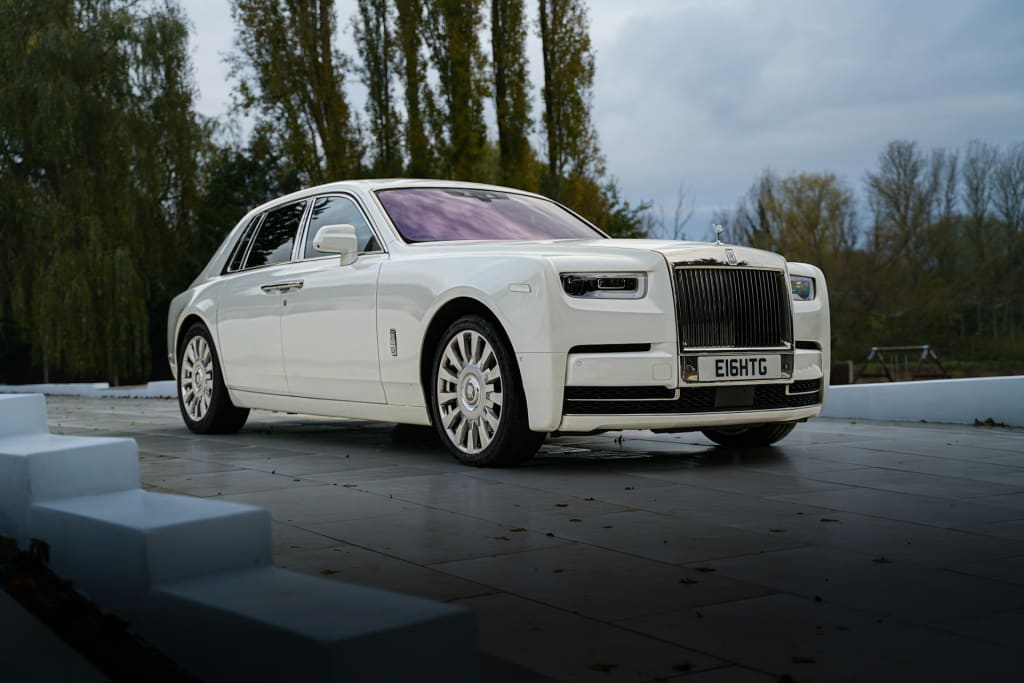
Automotive enthusiasts often speak of highline, exotic, and specialty vehicles with an unmistakable reverence. These aren't just cars but expressions of identity, wealth, craftsmanship, and emotion. While all three categories reflect elements of exclusivity and design sophistication, each has unique roots and appeal. For those new to this side of the automotive world—or considering investing in one of these vehicles—it’s essential to understand how these classifications differ, what they signify, and how they shape ownership experience. Beyond mere status symbols, these cars represent the upper echelon of driving culture and machine artistry.
Highline Vehicles: The Intersection of Comfort and Prestige
Highline vehicles occupy the refined core of the luxury market. This segment includes top-tier models from premium brands like BMW, Audi, Lexus, Genesis, and Mercedes-Benz. These cars are built emphasizing comfort, technology, and design, offering a quality surpassing conventional sedans and SUVs.
Driving a high-line vehicle means enjoying smooth performance, finely tuned interiors, and the latest safety and convenience innovations. Leather-wrapped dashboards, real wood trim, and high-resolution infotainment systems are standard. But beyond the materials, these vehicles aim to deliver a holistic sense of quiet competence—a blend of understated confidence and intelligent engineering.
In terms of ownership, highline vehicles strike a balance between luxury and practicality. They are often more affordable and serviceable than exotics or specialty builds, making them a favorite among executives and professionals. They also tend to be ideal daily drivers, combining polish with dependability. While they may depreciate faster than rarer categories, highline cars maintain long-term appeal through consistent innovation and brand loyalty.
Exotic Cars: Machines That Defy Limits
You get the exotic car when performance, rarity, and visual drama intersect. These vehicles push boundaries in design, speed, and exclusivity. Brands like Ferrari, Lamborghini, McLaren, and Bugatti build cars that feel like engineered dreams—machines that challenge the laws of physics while turning heads on every street they grace.
An exotic car is a statement. It’s loud in every sense—from aggressive styling to unapologetic performance. Most are powered by V8, V10, or V12 engines, often mounted mid-chassis for optimal weight balance. They accelerate like rockets and hug curves with a poise born from motorsport DNA. But they also demand high care, attention, and respect.
Exotics aren't just rare—they’re purpose-built for emotion. Many models are manufactured in limited numbers, with bespoke interiors and customized features tailored to each buyer. That rarity gives them tremendous collectible value. Depending on the model and market conditions, some may appreciate over time, especially if they hold historical or technological significance.
Specialty Vehicles: A Category Defined by Distinction
Unlike highline or exotic vehicles, specialty cars are not confined to traditional definitions or brand categories. These vehicles stand out due to unique modifications, limited production, historical significance, or custom craftsmanship. Specialty cars include everything from classic restorations and resto-mods to one-of-a-kind off-road builds and bespoke supercars.
One of the most compelling aspects of specialty vehicles is that they often tell a story. A 1960s Mustang fully restored with modern internals, a Defender 110 rebuilt for expedition travel, or a custom-built hot rod all embody the spirit of individuality. Specialty cars blur the line between automotive and art, and owners are typically just as invested in the build's history or concept as they are in its performance.
Because no two specialty vehicles are the same, their market value is determined by craftsmanship, provenance, and demand. Some are built for show, others for high-performance environments. Regardless of purpose, specialty vehicles are passion projects—expressions of design creativity and mechanical expertise often occupying center stage at auctions, meets, and collector events.
Ownership Realities Across the Luxury Spectrum
While all three categories—highline, exotic, and specialty—represent the upper tier of automotive culture, they differ dramatically in ownership experience, maintenance, and market behavior.
Highline vehicles offer the smoothest entry point, with wide dealership networks, robust warranty programs, and strong resale channels. They’re designed for everyday luxury and can often be leased or financed similarly to more mainstream cars. Maintenance costs are higher than average but remain manageable with proper care.
Exotic cars, meanwhile, are less about ease and more about engagement. Their ownership experience can include everything from specialized garages and insurance plans to occasional track days or international rally participation. Service intervals are shorter, and replacement parts are expensive. But the cost is often worth the reward for those who crave an adrenaline-fueled driving experience and unmatched style.
Specialty vehicles are highly variable. Some may be reliable enough for daily use, while others are reserved for shows or weekend drives. Maintenance can range from standard shop work to bespoke fabrication. Resale value hinges on quality, originality, and buyer interest, making this a high-risk, high-reward segment for those with the eye and patience to find the right vehicle.
Automotive Identity in a Changing World
As electrification, automation, and shared mobility reshape the future of transportation, highline, exotic, and specialty vehicles serve as anchors to driving’s emotional core. They remind us that cars can still inspire, thrill, and reflect personal taste in a world increasingly focused on efficiency over experience.
The modern automotive enthusiast is more diverse than ever, and the market reflects that. Some chase speed, others luxury, and still others the beauty of a hand-built engine or rare chassis. What binds all of them is the desire to drive something meaningful—something that goes beyond the essential function of travel.
Whether it’s the smooth power of a highline cruiser, the exhilarating scream of a mid-engine exotic, or the bespoke craftsmanship of a specialty build, these vehicles reflect a passion that continues to evolve with the times. And for those fortunate enough to explore this world, every key turn affirms the deep, enduring connection between human and machine.
About the Creator
Scott Stoneham
Scott Stoneham’s journey from recovering from a catastrophic injury to leading Lonestar Bucket Trucks demonstrates his unwavering resilience, innovative leadership, and expertise in the utility vehicle industry, driving growth and success.
Enjoyed the story? Support the Creator.
Subscribe for free to receive all their stories in your feed.
Comments
There are no comments for this story
Be the first to respond and start the conversation.