
'The Mean Season' (1985): Heat, Headlines, and a Killer’s Spotlight
In Phillip Borsos’s overlooked 1985 thriller, Kurt Russell plays a Miami crime reporter who discovers that the biggest story of his career may also be the most dangerous one.

There Is Something About Miami in the Summer
Miami in the summer is not merely hot.
It is oppressive.
The mornings begin sticky and humid, the kind of heat that seems to settle on your skin before you’ve even had your first cup of coffee. Then, sometime in the afternoon, the sky opens up. Rain comes down in torrents. Thunder rolls. The streets flood.
And then it stops.
The sun comes back out, the humidity returns, and somehow it feels even hotter than it did before.
There is something almost cruel about it.
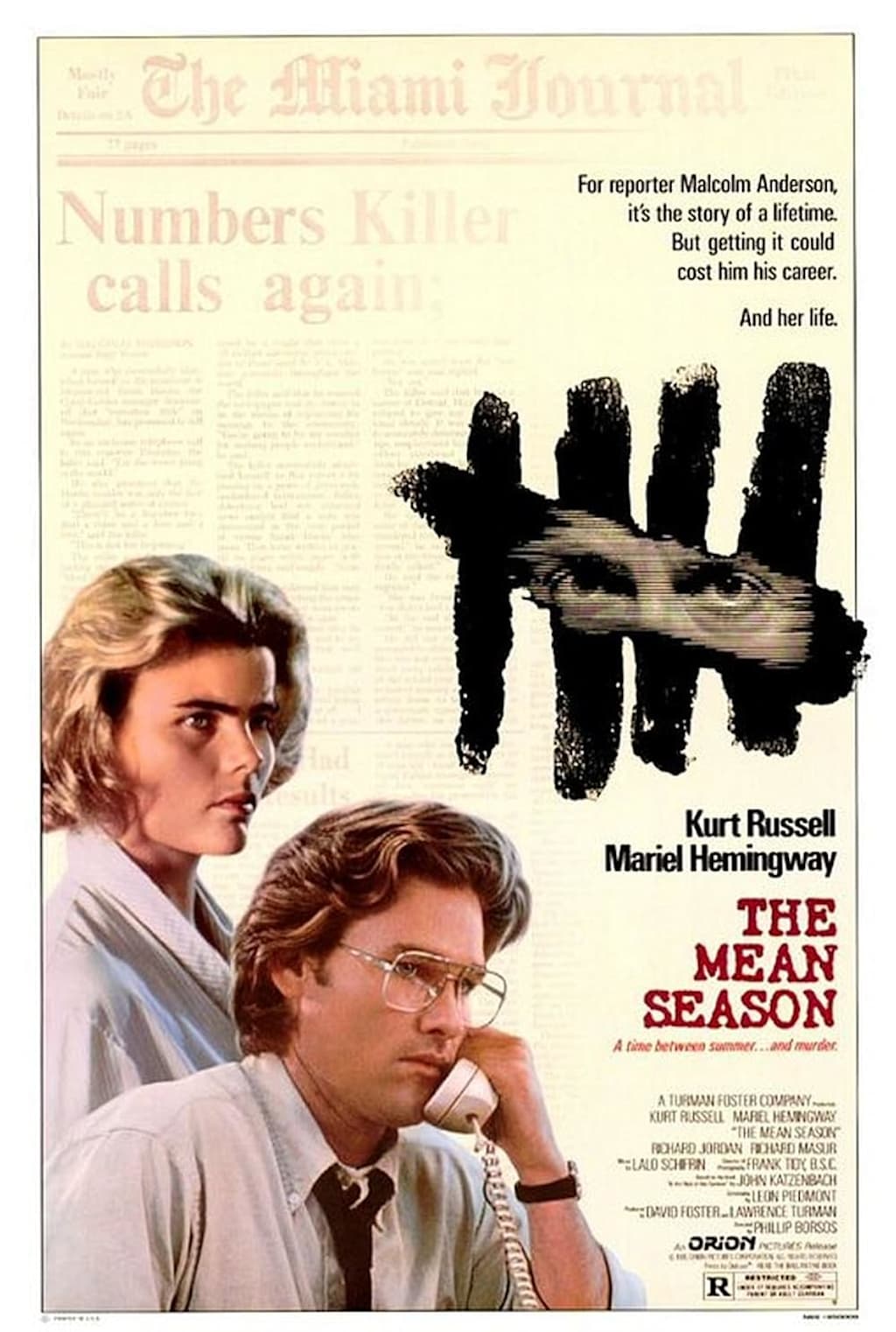
It is also the perfect atmosphere for The Mean Season, Phillip Borsos’s 1985 thriller about a Miami crime reporter who discovers that his latest murder story has become dangerously personal.
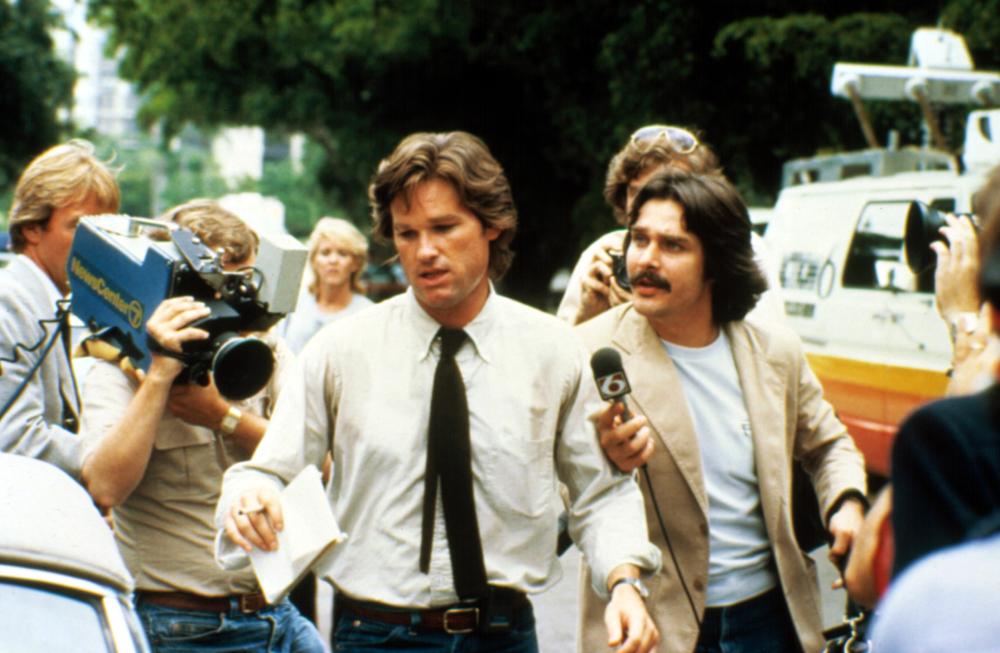
Kurt Russell plays Malcolm Anderson, a burned-out newspaper reporter who has covered enough murders to become numb to them. Then a man calling himself the “Numbers Killer” contacts him directly.
The killer doesn’t simply want publicity.
He wants Malcolm.
He feeds him information about the murders, turning the reporter into his preferred conduit to the public. Malcolm initially sees an opportunity to get the biggest story of his career. But the relationship gradually becomes something more complicated—and much more frightening.
The reporter needs the killer for the story.
The killer needs the reporter for the spotlight.
And somewhere in between those two needs is a disturbing question about journalism itself:
At what point does reporting a story become participating in it?
Released in February 1985, The Mean Season arrived during an especially fertile period for psychological thrillers. It also came only a few months after Tightrope, another film in which a killer finds a perversely personal way of involving the protagonist in his crimes.
But where Tightrope was fascinated by sexual psychology and personal obsession, The Mean Season is interested in something else.
The media.
More specifically, the strange symbiotic relationship between the person committing the crime and the person desperate to tell the world about it.
From In the Heat of the Summer to The Mean Season
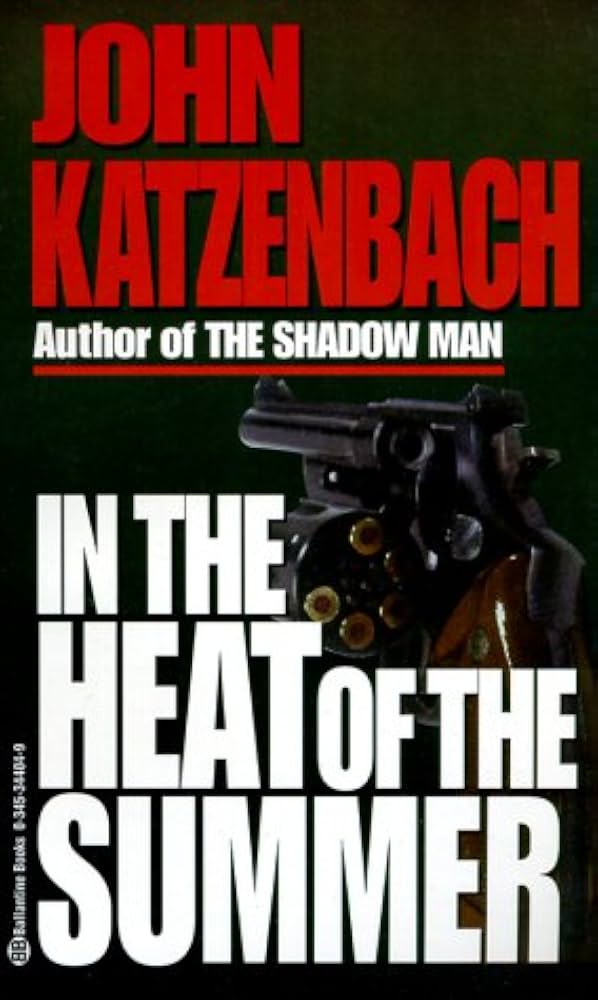
The movie began as John Katzenbach’s 1982 novel In the Heat of the Summer.
Katzenbach knew his subject.
Before becoming a novelist, he had worked as a crime reporter for the Miami Herald. The newspaper and the city provided him with a firsthand education in the strange morality of crime journalism.
A reporter arrives at the scene of somebody else’s worst day.
People are grieving. Families are devastated. Someone has been murdered.
And the reporter has a job to do.
Katzenbach understood the contradiction.
As he later explained, he was fascinated by what he called the “symbiosis of evil” between the reporter and the killer. The journalist needs the story. The killer needs an audience.
That creates an uncomfortable moral dilemma.
How do you intrude on people at what may be the most painful moment of their lives while simultaneously recognizing that you have just stumbled across a terrific story?
That tension became the heart of the book—and eventually the movie.
Producer David Foster, working with Lawrence Turman, moved quickly to acquire the rights.
Katzenbach would discover that getting a book into Hollywood was considerably easier than getting the movie he imagined onto a screen.
He later offered a wonderfully cynical description of the Hollywood attitude toward authors, writing that “authors are respected by the Hollywood studios in much the same manner that one respects the common cockroach for its tenacity, survivability and daring.”
It is difficult to imagine a more Katzenbach-like summary of the experience.
Hollywood Gets Its Hands on the Story
The adaptation process took years.
Three prospective directors.
Three revised screenplays.
Three studios.
And, according to Katzenbach, one heart operation.
Hollywood also had opinions about what needed to go.
One of the more significant changes involved the killer’s Vietnam veteran backstory. The thinking from the studio side was essentially that Vietnam was old news.
Katzenbach didn’t necessarily agree.
Neither did the material disappear without a fight.
Producer David Foster was particularly interested in preserving the gritty quality of the original story. Katzenbach remembered Foster fighting to maintain the feeling of an actual news situation rather than turning the material into a conventional Hollywood thriller.
Even the title changed.
Katzenbach’s wife coined the phrase “the mean season” to describe Miami’s brutal late-summer weather. Foster liked it.
Katzenbach didn’t.
Eventually, he gave in.
The book became The Mean Season, and the adaptation moved forward with Christopher Crowe writing the screenplay under the credited name Leon Piedmont.
By the time the film finally reached production, the story had gone through the machinery of Hollywood without losing its central idea.
The reporter and the killer still needed each other.
That was the part that mattered.
Making Miami Feel Like Miami
Director Phillip Borsos was an interesting choice.
His previous film was The Grey Fox, a Canadian production starring Richard Farnsworth that had developed a strong reputation as a beautifully made art-house Western.
Borsos was suddenly being invited into Hollywood.
As he later recalled, The Grey Fox had become “a kind of cult art film in Hollywood,” and he was surprised when the studios essentially welcomed him with open arms.
The Mean Season represented a very different proposition.
Borsos knew it.
He described the film as “a pure Hollywood, mainstream movie” designed to appeal to a broad audience. The basic story, he acknowledged, was familiar.
But that was precisely the challenge.
Could he take a familiar thriller and give it a distinctive tone?
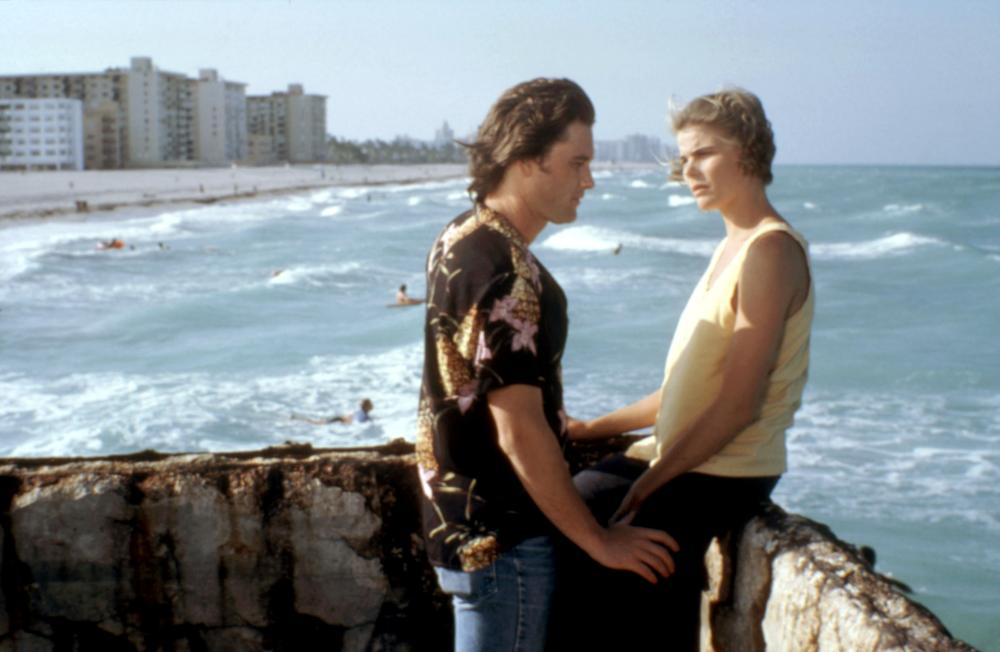
That meant getting Miami right.
Production took place largely in Miami-Dade County between May and July of 1984, putting the actors and crew directly into the environment the story required.
The filmmakers even used the real Miami Herald newsroom for overnight filming.
Actual reporters appeared as extras and served as consultants.
The filmmakers didn’t have to manufacture the clutter of a working newspaper office.
It was already there.
Kurt Russell spent time shadowing Herald crime reporter Edna Buchanan, while Richard Masur prepared for his role at the city desk by observing the newspaper’s operation.
And there was an eerie coincidence hanging over the production.
While the filmmakers were observing the newsroom, the real-life Christopher Wilder case was unfolding in the news.
Reality was providing its own grisly counterprogramming.
For a movie about the relationship between crime and the people who report it, that must have been difficult to ignore.
Kurt Russell Gets a Different Kind of Lead Role
Russell was becoming one of the most interesting actors of the 1980s.
He had already made the transition from child actor to adult star and was establishing himself in increasingly varied roles.
But Malcolm Anderson isn’t the kind of character who announces himself.
He isn’t Snake Plissken.
He isn’t Jack Burton.
He isn’t the larger-than-life Kurt Russell we might immediately associate with the decade.
He’s tired.
He’s cynical.
He’s good at his job and increasingly disgusted by what that job requires of him.
Russell plays him without turning the character into a conventional action hero.
That’s important because The Mean Season works best when Malcolm feels like a reporter rather than an action protagonist. His weapon is information. His instinct is to pursue the story.
And that becomes his vulnerability.
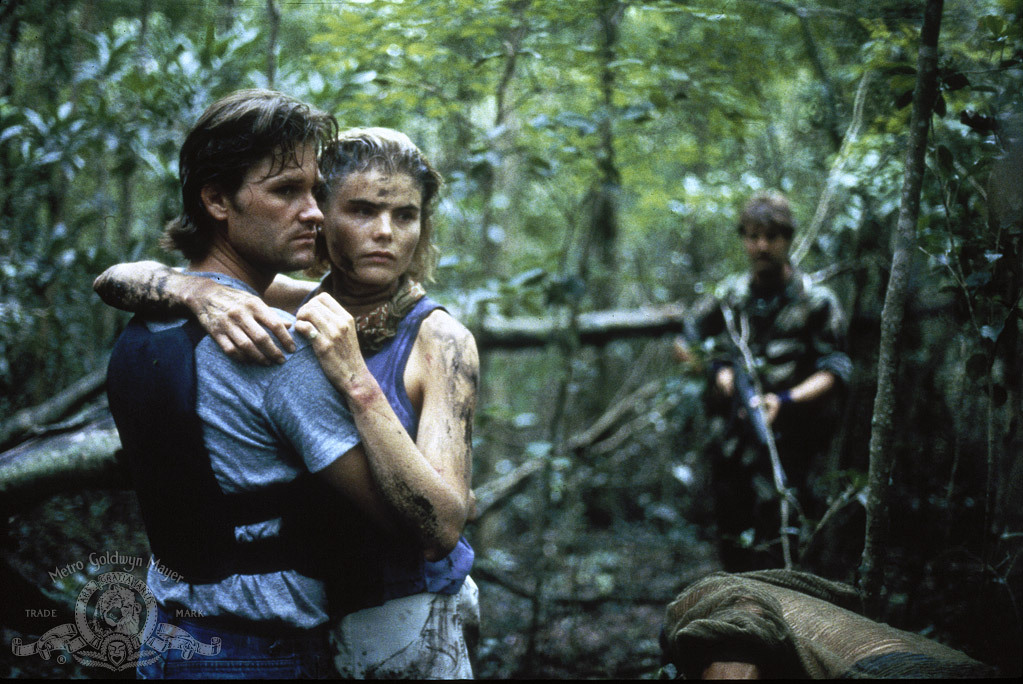
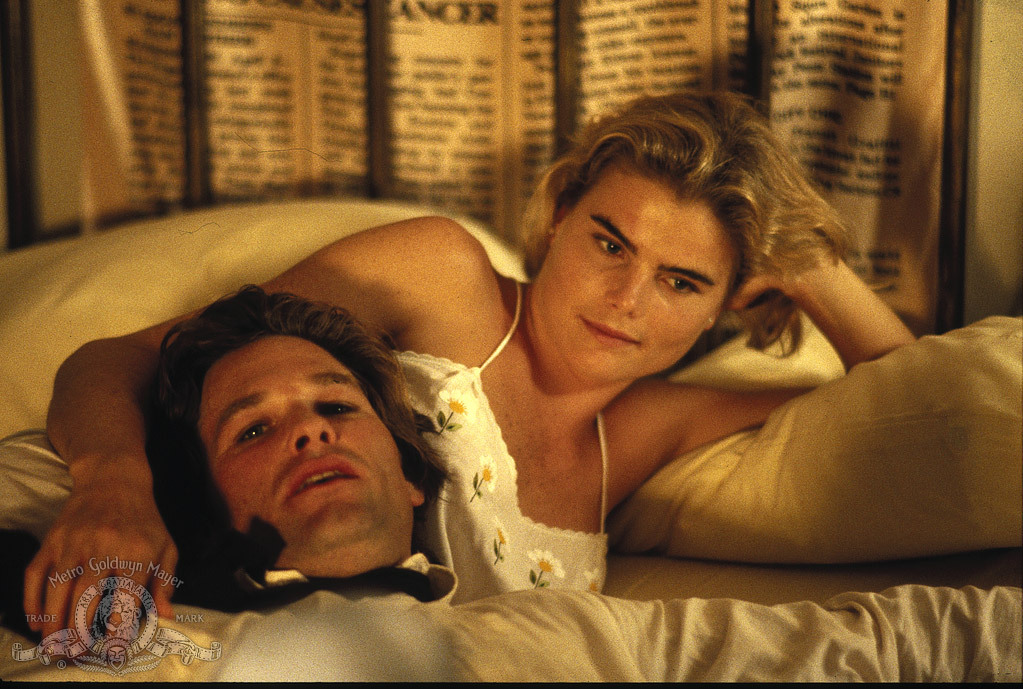
Mariel Hemingway plays Christine, the woman in Malcolm’s life who becomes increasingly entangled in the danger surrounding him. Richard Jordan, meanwhile, does much of his best work without being physically present.
The killer’s voice is what matters.
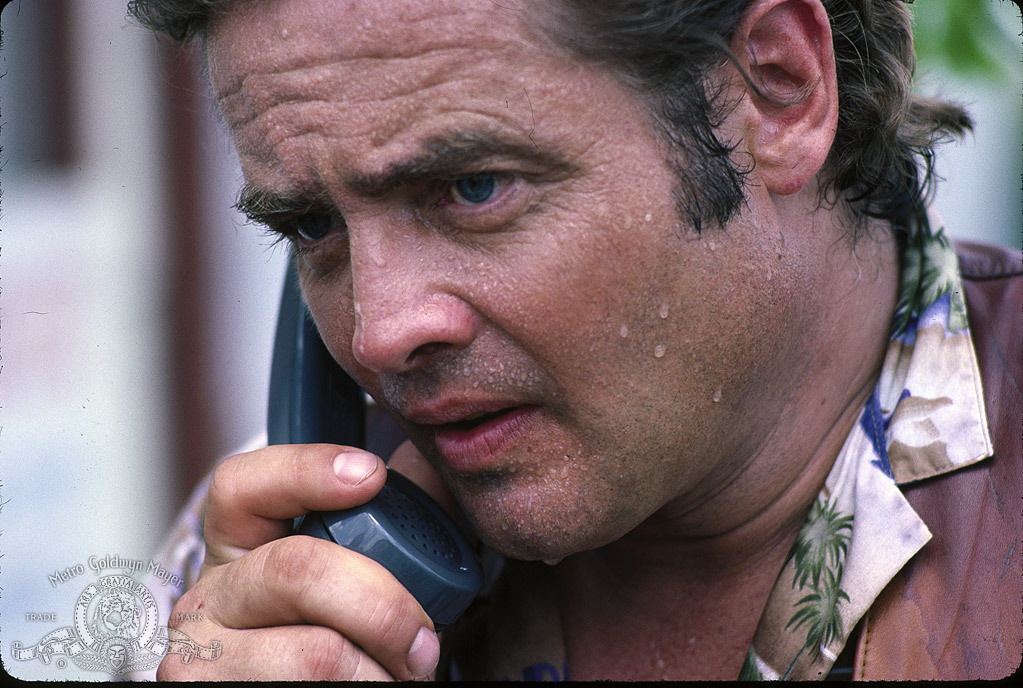
There is something particularly unsettling about hearing a murderer on the telephone while watching a reporter slowly realize that the man on the other end of the line has begun to understand him.
The supporting cast also includes some early appearances by actors who would become much more familiar to audiences later in the decade, including Andy García and Joe Pantoliano.
It is one of those casts that makes an 80s movie fan start playing the “Wait, is that…?” game.
The Killer Needs the Reporter
The most interesting thing about The Mean Season isn’t necessarily the identity of the killer.
It’s the relationship.
The killer understands that committing murders is only half the process.
Someone has to tell the story.
That someone is Malcolm.
The film therefore anticipates something that would become much more complicated decades later: the celebrity surrounding true crime.
Today, killers can become subjects of documentaries, podcasts, television specials, books, YouTube videos and endless online discussion.
The media can turn a murderer into a recognizable name.
The Mean Season understands that basic dynamic long before the podcast era.
And it understands something else, too.
The reporter isn’t necessarily exploiting the killer.
He may simply be doing his job.
But the distinction becomes increasingly difficult to maintain when the killer is deliberately creating news for him.
Every phone call is a story.
Every new murder is another headline.
Every revelation brings Malcolm closer to the center of the story.
Eventually, the reporter isn’t merely covering the killer.
He’s part of the killer’s story.
That is where the movie gets its teeth.
A Thriller That Didn’t Quite Break Through
The Mean Season opened on February 15, 1985, in 876 theaters.
It earned roughly $1.5 million during its opening weekend and finished its domestic theatrical run with around $4.3 million.
For a film made for somewhere in the neighborhood of $7–10 million, that wasn’t the result Orion Pictures was hoping for.
The timing probably didn’t help.
The early months of 1985 were crowded with major releases, and The Mean Season was competing for attention in a marketplace where thrillers were hardly an exotic commodity.
The reviews were mixed.
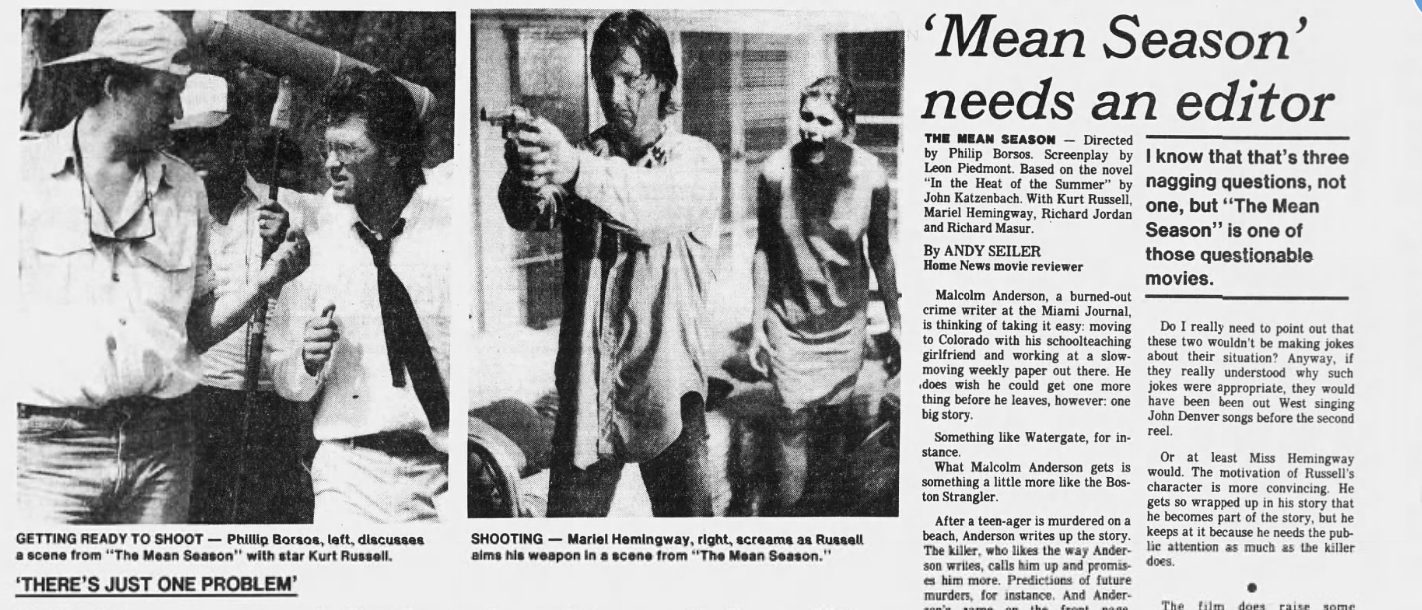
Janet Maslin of The New York Times appreciated the film’s pace and momentum. Los Angeles Times critic Kevin Thomas saw it as a tense variation on the thriller formula, particularly in the way it explored the reporter-killer relationship.
Others were less impressed.
Newsweek’s Jack Kroll found the movie derivative, comparing it unfavorably with films including Body Heat, Absence of Malice and Tightrope.
Some of the criticism focused on the supporting characters, particularly Hemingway’s role, which doesn’t receive the same depth as the central relationship.
And that may be part of why the film has remained something of an 80s obscurity.
It isn’t quite sensational enough to become a cult classic.
It isn’t quite prestigious enough to become a canonical thriller.
It simply sits there.
Waiting for somebody to rediscover it.
Phillip Borsos Goes Hollywood
There is another interesting story hiding inside The Mean Season.
Borsos was trying to figure out how to make commercially viable Hollywood movies without abandoning what had made The Grey Fox distinctive.
He understood the economics of the business.
As a Canadian filmmaker, he had watched American mainstream cinema from a certain distance. He argued that Canadian filmmakers shouldn’t be afraid of commercial filmmaking and that there was no reason they couldn’t make movies that were both artistically interesting and commercially viable.
The Mean Season was part of that experiment.
It wasn’t The Grey Fox.
Borsos knew that.
But neither was it simply anonymous studio product.
He believed the film retained his particular sense of tone, and that mattered to him.
His next film would take him somewhere completely different: One Magic Christmas, a much more whimsical Christmas fantasy.
That makes The Mean Season an interesting snapshot of a filmmaker caught between two worlds.
The art-film credibility of The Grey Fox had gotten Hollywood’s attention.
Now Hollywood wanted to see what he could do with a thriller.
Look What I Did
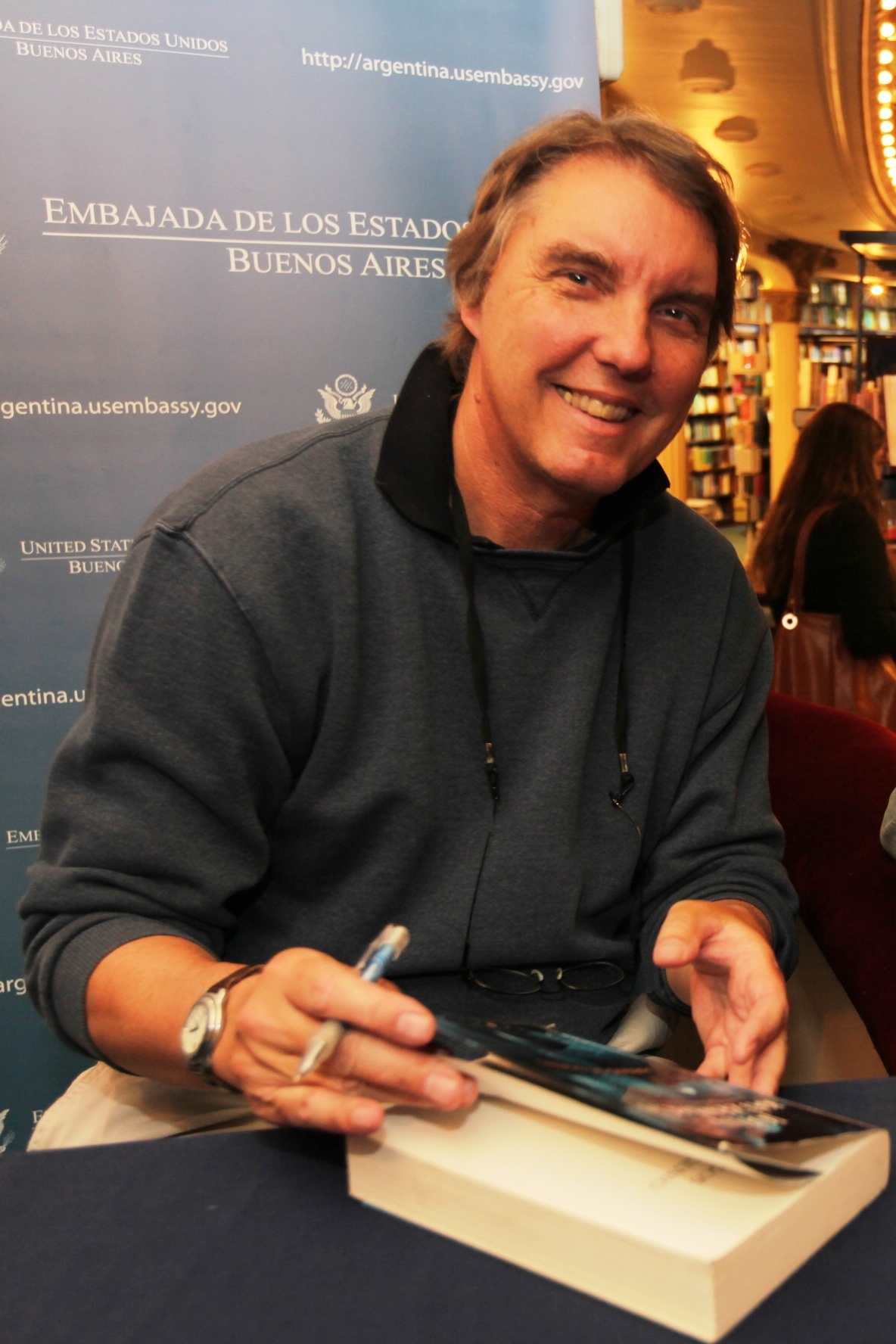
Perhaps the most revealing part of the entire story comes from Katzenbach.
After years of watching his novel get passed through Hollywood’s machinery, he finally saw the finished movie.
His reaction was surprisingly simple.
He turned to David Foster and said:
“Look what I did.”
There is something wonderfully resigned about that.
Because that is the bargain.
A novel is yours.
A movie isn’t.
The filmmaker has different priorities. The studio has different priorities. Actors bring their own interpretations. Screenwriters reshape the material. Producers worry about budgets and audiences.
The book becomes something else.
Katzenbach understood that.
He also recognized that the movie had retained something important from the original: the atmosphere of an actual news story and the psychological relationship between the reporter and the killer.
He later described the adaptation process as the difficult job of accentuating the exciting elements of the book without completely losing the elements that made it meaningful.
“Easier said than done,” as he put it.
That’s probably the fairest description of almost every book-to-film adaptation ever made.
The Mean Season
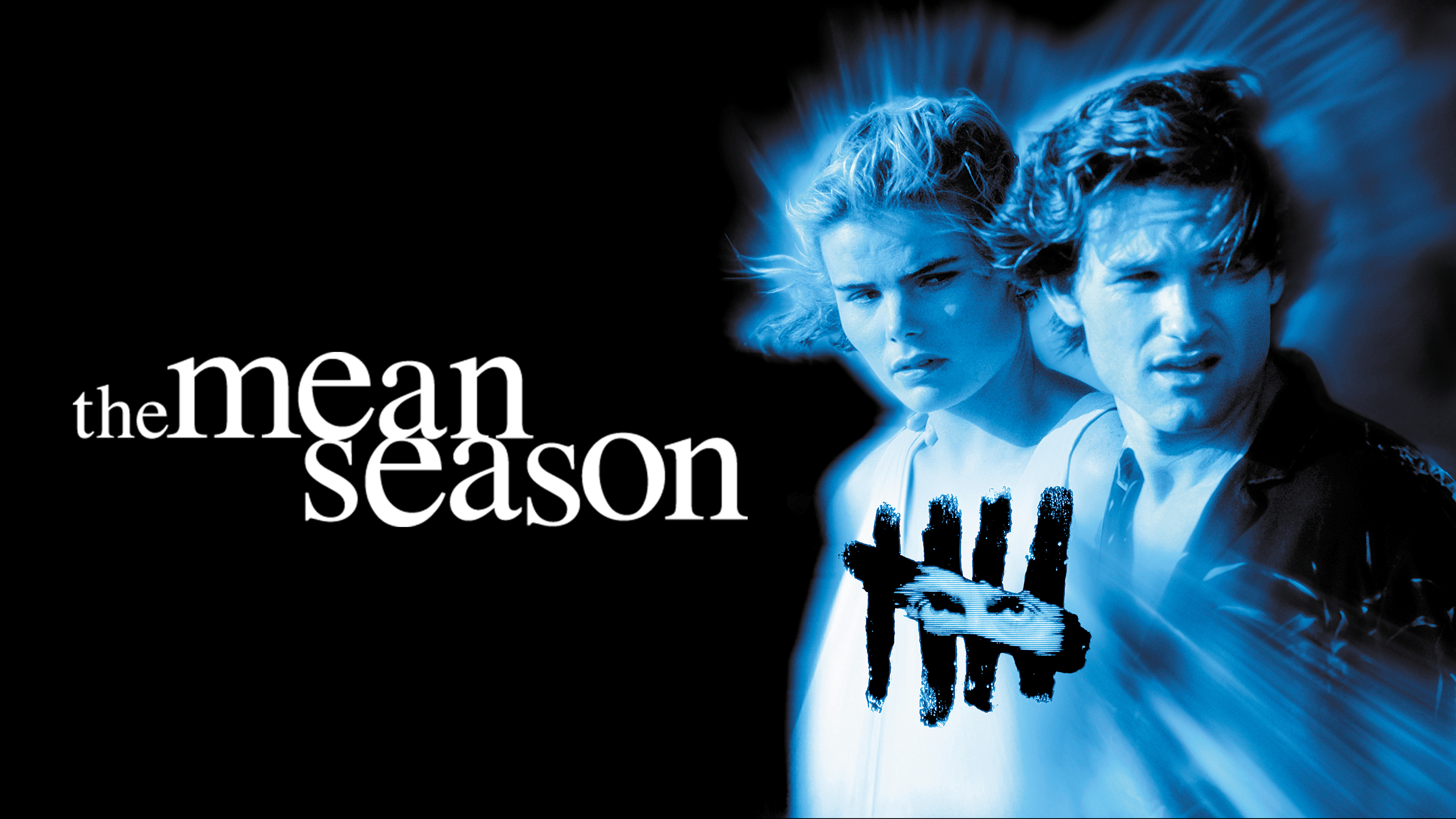
There is no need to pretend The Mean Season is some undiscovered masterpiece.
It isn’t.
The supporting characters could have been stronger. Some of the thriller mechanics feel familiar. The film occasionally seems caught between being a serious examination of journalism and being a conventional 1980s suspense picture.
But there is something about it.
Maybe it’s Miami.
Maybe it’s the newsroom.
Maybe it’s Kurt Russell playing a man who is exhausted by the very thing that gives his life meaning.
Or maybe it’s the uneasy idea at the center of the story: that a reporter and a killer can become dependent on one another.
The killer needs the headline.
The reporter needs the story.
And the audience needs to keep watching.
That triangle feels surprisingly contemporary.
In an age when true crime has become an enormous entertainment industry, The Mean Season looks less like an obscure 1985 thriller and more like an early warning about the uncomfortable relationship between crime, celebrity and the people who turn tragedy into content.
And then there is that Miami heat.
The storms come.
The streets flood.
For a few minutes, everything cools down.
Then the sun comes back.
The heat was always waiting.
So was the killer.
And so was the next headline.

About the Creator
Movies of the 80s
We love the 1980s. Everything on this page is all about movies of the 1980s. Starting in 1980 and working our way the decade, we are preserving the stories and movies of the greatest decade, the 80s. https://www.youtube.com/@Moviesofthe80s
Enjoyed the story? Support the Creator.
Subscribe for free to receive all their stories in your feed.
Comments
There are no comments for this story
Be the first to respond and start the conversation.