
The God Who Stayed Silent: How Know My Name Turns Faker’s Silence Into Power
Riot’s Worlds anthem is a single, brutal biography. That choice explains both its power and its controversy.
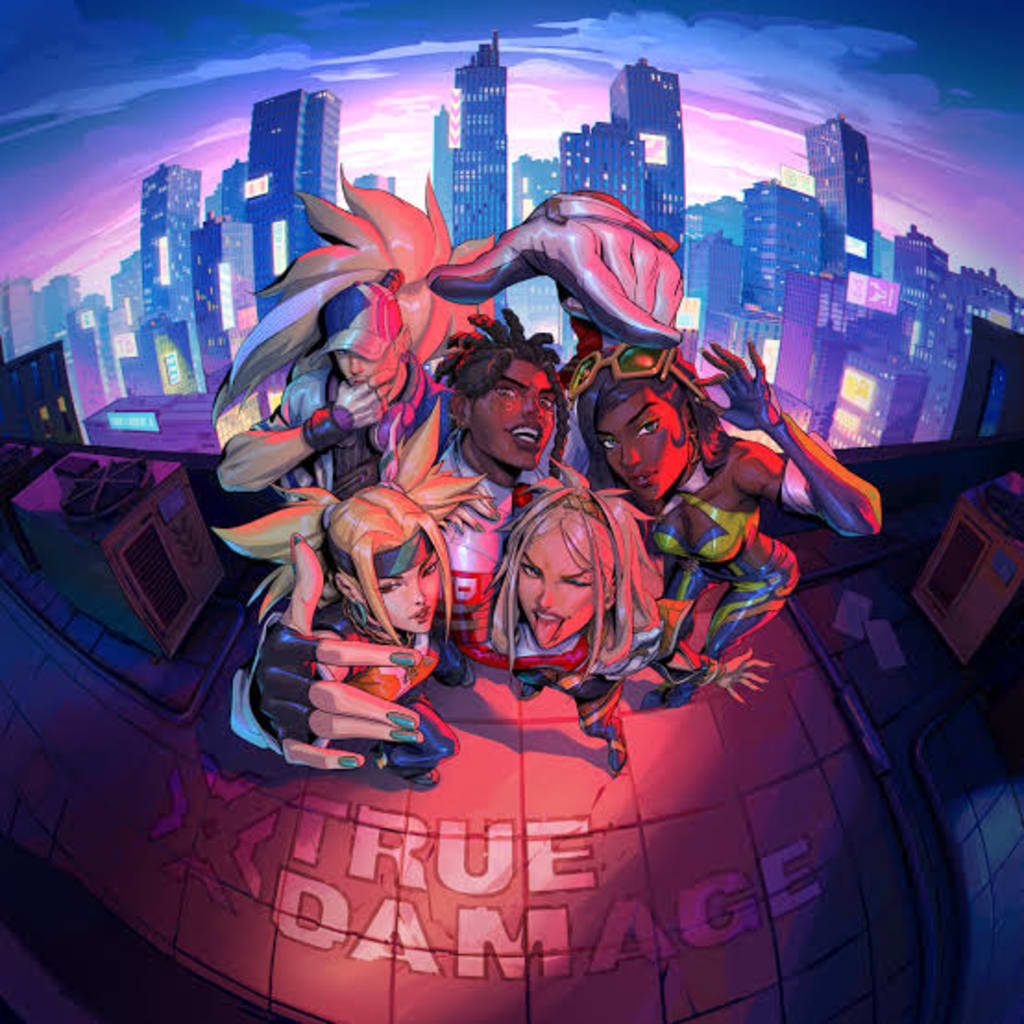
The music video for Know My Name opens with a drop of rain. Then Ruler’s Varus flashes forward, RQE locks onto Faker, and the SSG tower glows behind them. Faker sits in his chair with his hands over his face. Riot uses three frames to draw a line through history.
That line separates the first dynasty from everything after. The three championships from S3 to S6 appear only as a carousel: Ahri cutting in from the side, Ryze crushing his lane, Orianna escaping death by a thread. None stay on screen for more than a second. Riot is choosing a different starting point. The story begins with the tears in the Bird’s Nest. The old trophies serve as preface.
For years, Worlds anthems tried to balance regions, rivals, and storylines. They were diplomatic documents set to music. Know My Name abandons that project. It is a single biography. Riot decided that the most iconic figure in League of Legends history deserved a video that treated every other player as a supporting presence. That decision gives the video its power and its controversy. Fairness is not the goal. Fidelity to one career is.
The road back is paved with other people’s trophies. FPX in S9. DK in S11. DRX in S12. They win, one after another, in the frame. Faker’s role in these images is that of a passerby. He does not smile. He does not speak. He walks through other people’s celebrations. Live chat calls this “suppress first, lift later.” Riot does something crueler. It makes the audience believe, for a while, that this man is finished. The video does not rush to reassure anyone. It lets the losses sit. It lets the silence stretch. It lets the viewer wonder whether the story is already over.
Then Keria sits in a chair and cries.
This is the only time in the video that Faker actively looks at someone else. In the S12 final, T1 lost to DRX. Keria collapsed in his chair. Faker turned and looked at him. Five years earlier, in the Bird’s Nest, Faker had cried in the same way. This time he does not walk over to comfort him. He only looks. That look is the hinge of the whole video. He recognizes his past self in another player’s tears, and something in him changes. From that moment, the narrative power flips.
The genius of this moment is that it does not verbalize anything. There is no voiceover saying “he remembered his own pain.” There is no flashback with a soft filter. There is just a turn of the head. A younger player crying. An older player watching. The audience does the rest. The video trusts the viewer to understand the mirror without being told.
Images from S13 to S15 hit hard and fast. Akali fighting one against three. Galio descending from the sky. Anivia pulling off impossible spacing. Every frame says the same thing: the man who was written off is alive again. The editing becomes denser. The music pushes forward. The video stops asking for sympathy and starts demanding attention. Every opponent begins to turn into his background.
JDG’s “Golden Road” banner is flattened by perspective. Ruler’s face is squeezed into a corner. T1 walks past calmly. That team, almost unbeatable in 2023, does not receive a complete image in this video. Their historical weight, placed next to Faker’s personal history, is compressed into a blurry line of text. It is a brutal editorial choice. In this story, not every rival gets a monument. Some get a footnote.
Xiaohu receives different treatment. He gets a full face, flashing on screen. He is the only LPL player with a “face moment.” Kingen does not get this. He has to merge with Aatrox, and the likeness is not even very good. Three images, three tiers. Who “deserves to be remembered” depends on who “deserves to be walked past” in Faker’s story. The video cares about hierarchy. It ranks the past by how much it matters to the protagonist.
This is not accidental. Every frame in a music video is a choice. Every second of screen time is a budget decision. Riot chose to give Xiaohu a face because his history with Faker has weight. Riot chose to compress JDG because their story, in this particular narrative, is a road that T1 walked over. Riot chose to make Kingen a half-merged shape because his moment of glory belongs to a different story. The video treats these players as important in a specific way: as markers on someone else’s path.
ZOFKG receives a large amount of screen time. Five people sit together. A bowl of egg noodles sits next to Gumayusi. These images paint a portrait of a group that no longer exists. Zeus pulls Faker up, then walks ahead. No dialogue. No farewell music. Just a gesture. Just a back. This is how the video handles the unfinished: no explanation, no melodrama. It lets the audience feel the weight of “what could have been.”
The egg noodles are a small detail, but they matter. They work as a fan reference, a piece of internet lore, a domestic object next to a world champion. That is how the video keeps its characters human. It does not let them float into myth. It puts noodles on the table. It puts a hand on a shoulder. It puts a player walking away without a speech. The group was a strong foundation with endless extension. That is why its dissolution hurts. It remained an open possibility.
The ending presents three forms. Relaxed Faker. Demon King Faker. Scared-to-tears Faker. Three postures, three stages of a career. But the base color is the same: he does not explain. The video gives him no final speech and no victory lap. Only a silence that has been earned.
The lyrics sing, “I don’t like the way you talking to me.” Faker himself has never spoken this way. His post-match interviews are restrained, self-critical, often carrying a tone of “I am still not good enough.” Riot shouts “Know my name” on his behalf. He himself remains silent. That is the most powerful thing about this video. A person does not need to shout “watch your tone with me.” When his achievements are loud enough, the world will shout for him.
The song captures the attitude the world projects onto him. It is what fans want him to say. It is what rivals fear he might say. It is what the narrative needs him to say. And because he never says it, the song becomes louder. The gap between the man and the myth is the subject of the video. The man sits quietly. The myth screams his name.
The video closes with the world dyed red. Faker stands high. Snow and wind brush the edge of his coat. The names that people argue about online get only a blurry corner, or they do not appear at all. This music video is about how one person, after being denied, redefines the rules. It is unfair. It does not care for the feelings of every region. It does not try to satisfy everyone. It does one thing: it tells one person’s story to the end.
About the Creator
Jin
Writer of reamstories
https://reamstories.com/jin
Enjoyed the story? Support the Creator.
Subscribe for free to receive all their stories in your feed. You could also become a paid subscriber, letting them know you appreciate their work.
Comments
There are no comments for this story
Be the first to respond and start the conversation.