
The Flamingo Kid: The Summer When Growing Up Meant Choosing Who You Wanted to Be
Garry Marshall’s 1984 coming-of-age story traded teenage rebellion for something more complicated: the temptation of becoming someone you’re not.

A Different Kind of Coming-of-Age Story
There are plenty of coming-of-age movies about teenagers trying to escape the lives their parents have built for them.
The Flamingo Kid is more interested in what happens when the escape actually looks pretty damn good.
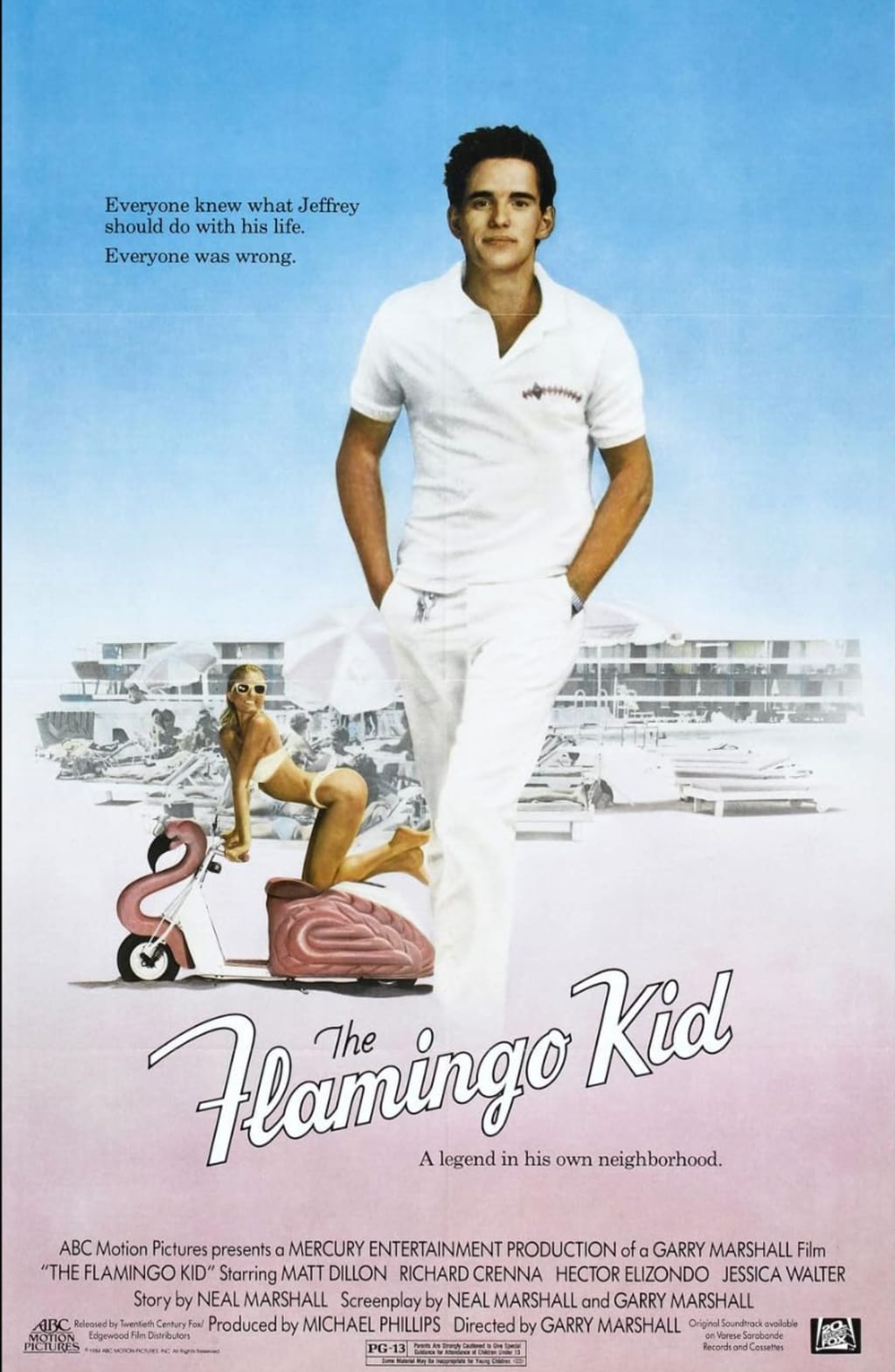
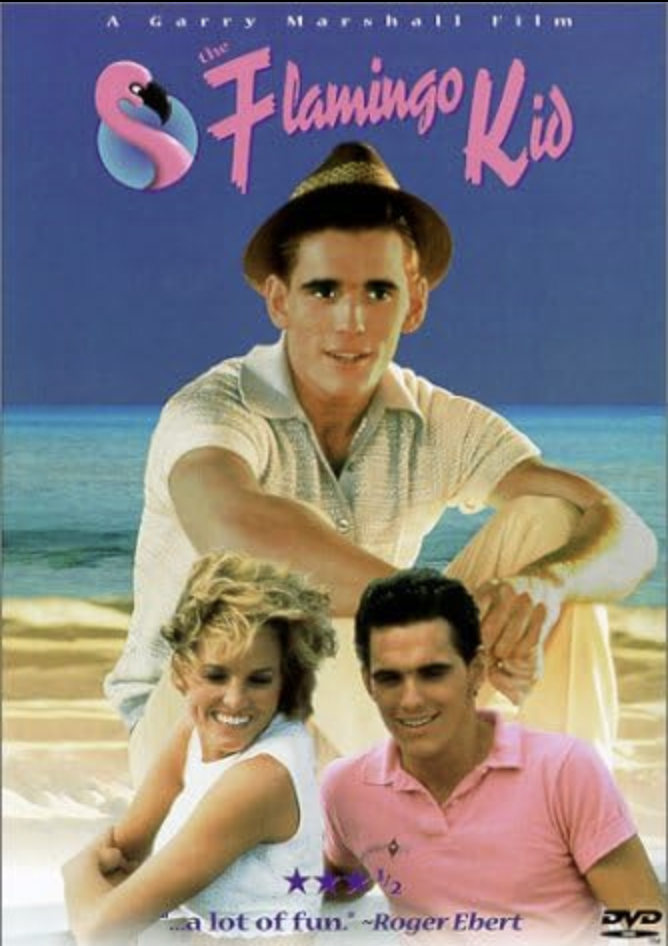
Released in 1984, Garry Marshall’s film follows Jeffrey Willis (Matt Dillon), a Brooklyn teenager who lands a summer job at an exclusive Long Island beach club. For Jeffrey, the El Flamingo is more than a place to work. It is a glimpse into another world.
There are expensive cars, beautiful women, wealthy families and people who seem to have figured out the secret to life.
Jeffrey is fascinated.
And why wouldn’t he be?
The problem is that the man teaching Jeffrey how to navigate this new world isn’t his father. It’s Phil Brody (Richard Crenna), a charming, wealthy businessman who seems to possess everything Jeffrey thinks he wants.
What begins as a summer job gradually becomes something much more important: a test of who Jeffrey is going to become.
A Movie That Took Years to Make
The story behind The Flamingo Kid is almost as interesting as the movie itself.
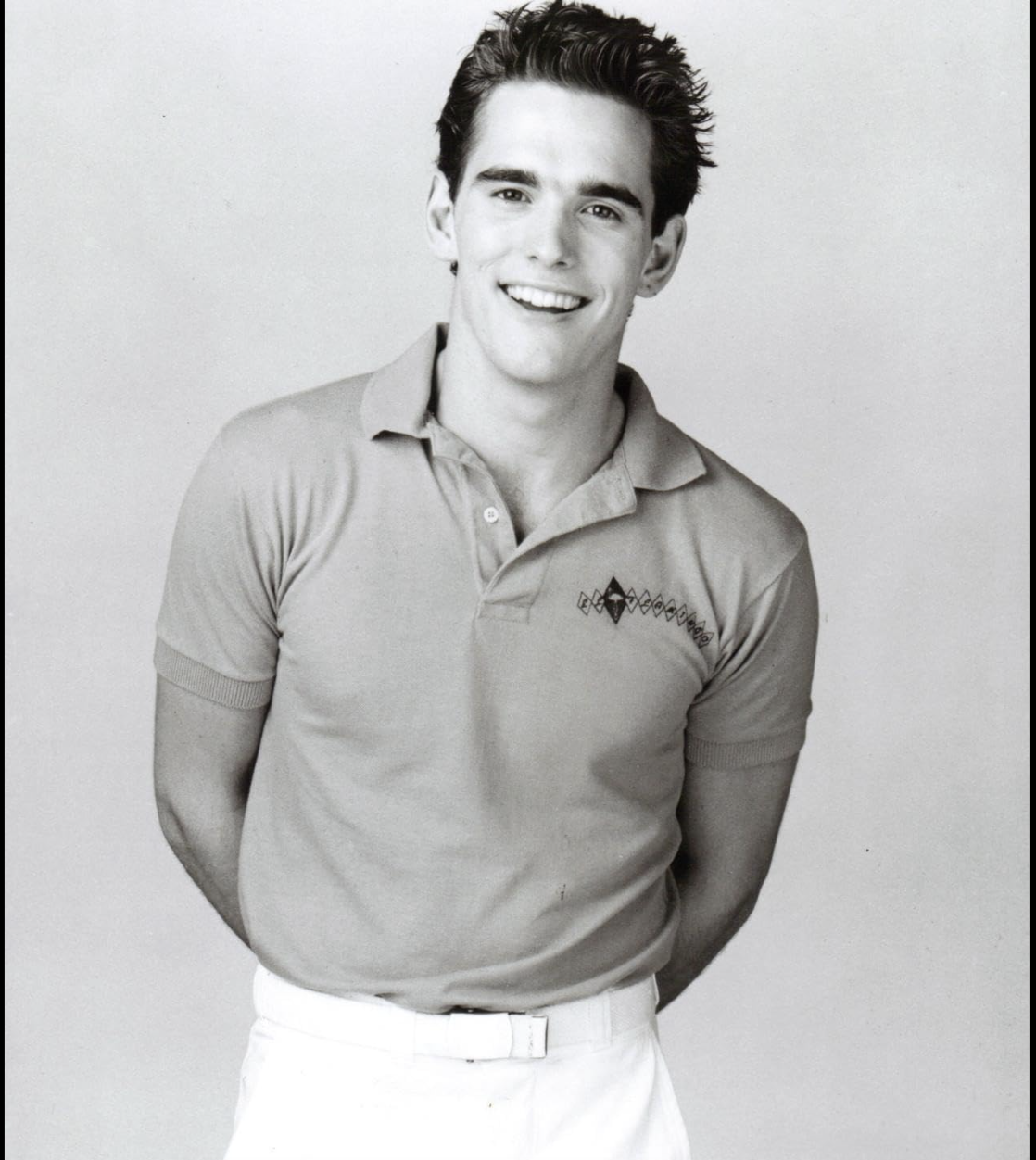
Screenwriter Neal Marshall drew heavily from his own experiences working as a cabana boy during the early 1960s. He originally developed the screenplay in the 1970s under titles including Sweet Ginger Brown and Mr. Hot Shot.
The script spent years bouncing around Hollywood after producers Michael and Julia Phillips became involved.
Then the market changed.
Teen movies were suddenly big business, and Garry Marshall—already one of television’s most successful producers and directors—saw something in his brother’s screenplay. The project eventually found its way toward the big screen, with Neal Marshall doing early rewrites before Bo Goldman came aboard to help sharpen the emotional conflict.
That conflict became the heart of the movie.
On one side was Jeffrey’s father, Arthur Willis (Héctor Elizondo), a working-class man who believes in honesty, responsibility and earning what you have.
On the other was Phil Brody.
Phil doesn’t lecture Jeffrey about success.
He sells it to him.
The Summer of 1963
One of the smartest things about The Flamingo Kid is that it doesn’t feel like a movie made in 1984 pretending to be 1963.
It feels like a memory.
The beach club. The cars. The clothes. The music. The particular rhythm of a summer where the days seem endless and adulthood still feels impossibly far away.
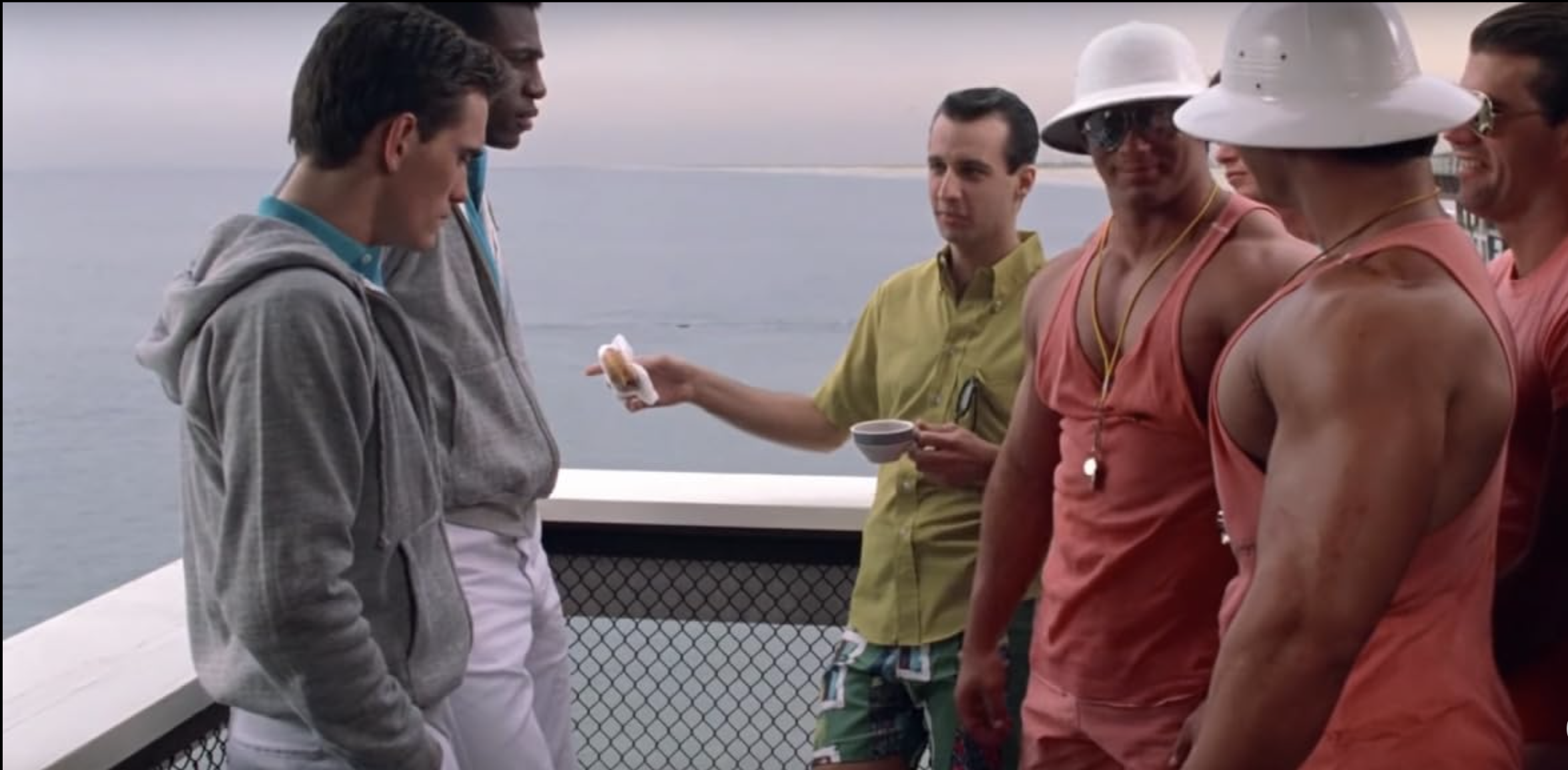
Jeffrey begins the summer thinking he knows what he wants. His job at the El Flamingo gives him access to a world he has only been able to look at from the outside.
Suddenly, he is inside.
And Marshall understands something important about adolescence: sometimes temptation doesn’t look dangerous.
Sometimes it looks like the best summer of your life.
Matt Dillon Finds the Character
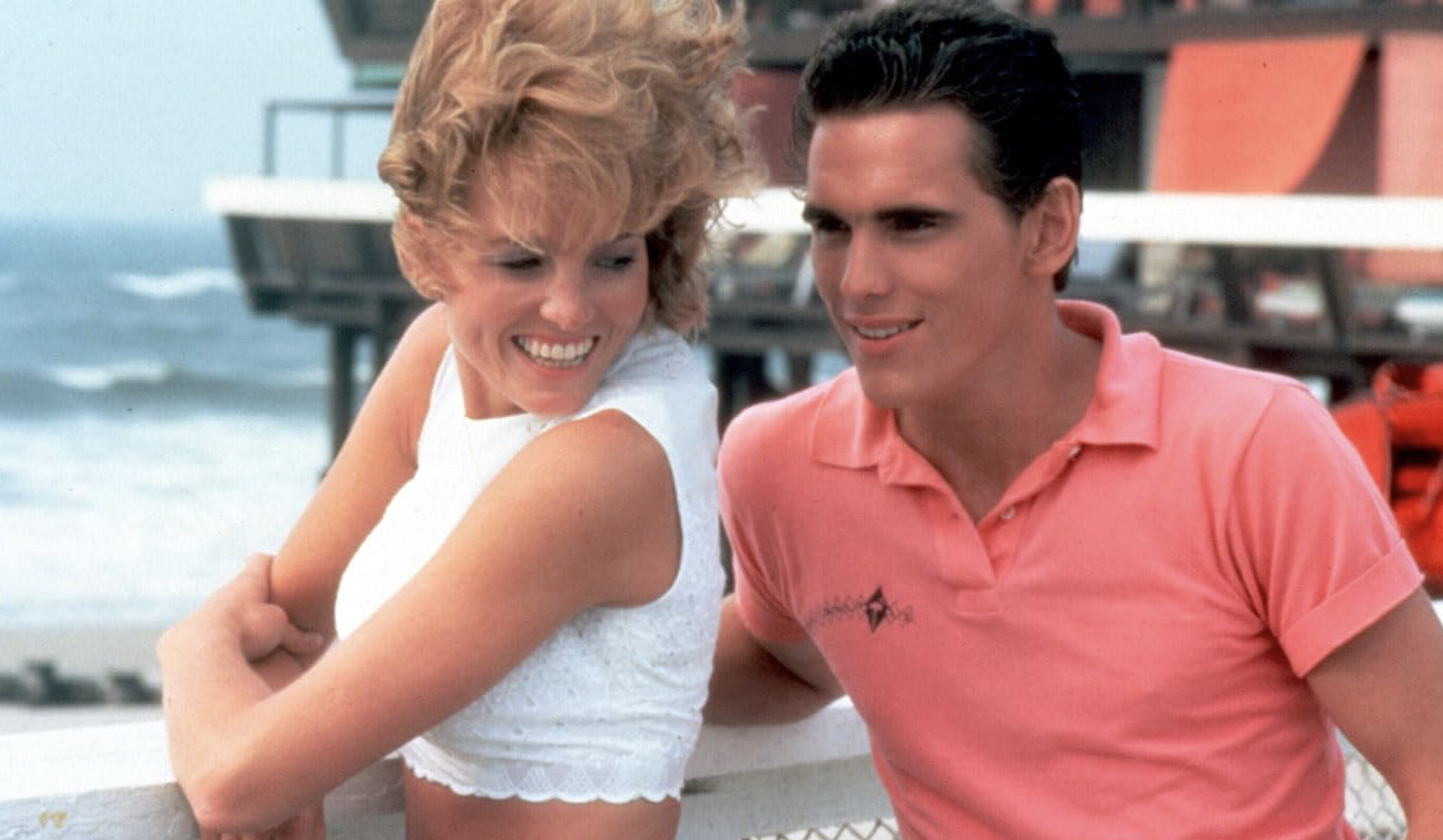
Matt Dillon was already becoming one of the defining young actors of the era when he made The Flamingo Kid, and the role of Jeffrey gave him something different from the troubled teenagers he had played elsewhere.
Jeffrey isn’t a delinquent.
He isn’t a rebel.
He’s a kid who simply wants more.
Dillon plays that uncertainty beautifully. Jeffrey is smart enough to recognize the limitations of his own world but inexperienced enough to believe that money might solve them.
Around him, the movie assembled an impressive cast.
Richard Crenna brings an effortless charm to Phil Brody, making him convincing as both mentor and potential corrupter. Héctor Elizondo gives Jeffrey’s father a grounded dignity that keeps the movie from turning its working-class characters into caricatures.
And then there are the early appearances by actors who would become much bigger names, including Marisa Tomei and John Turturro.
The movie was quietly assembling a terrific collection of New York talent.
Garry Marshall Leaves Television Behind
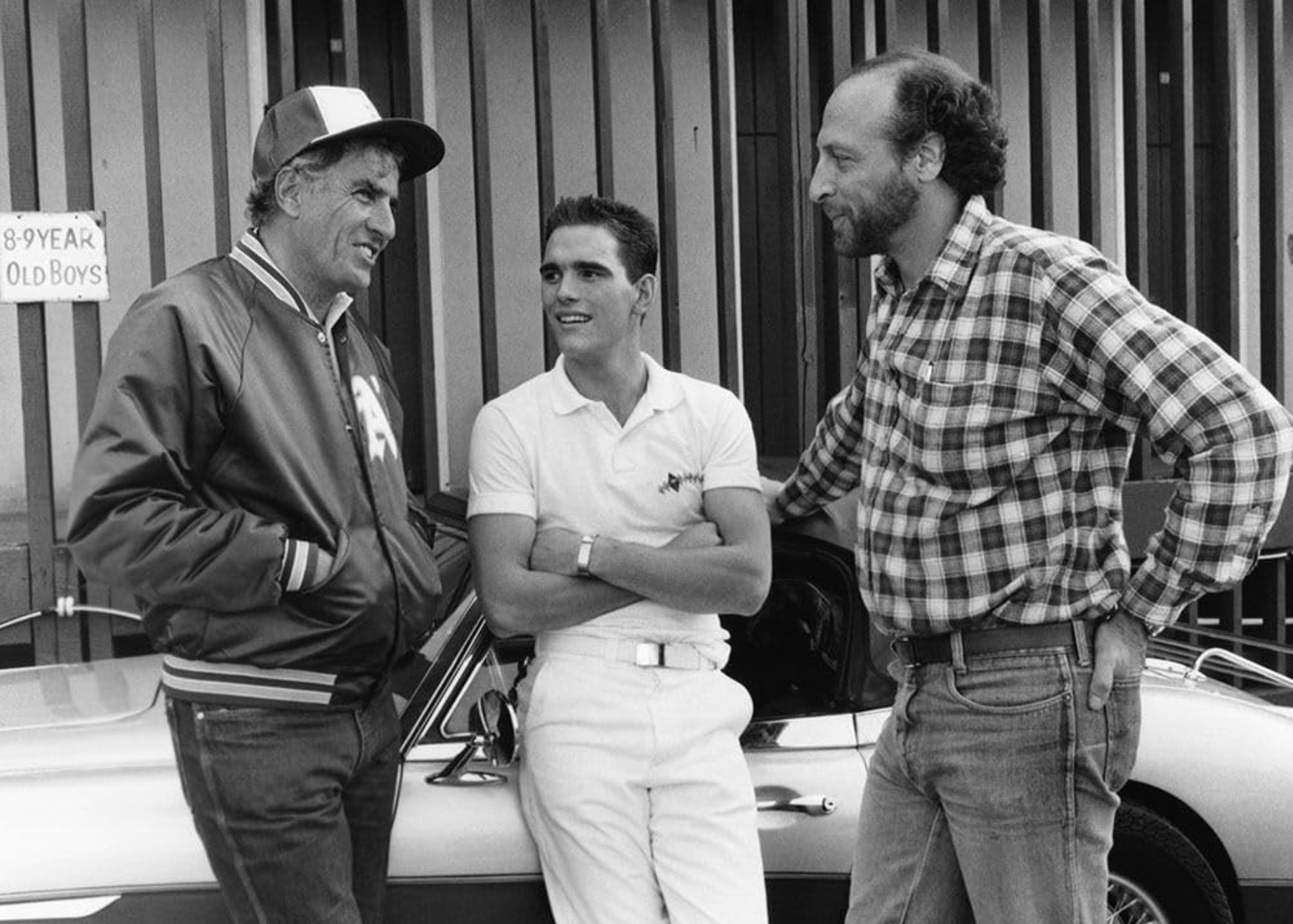
By 1984, Garry Marshall was already a television institution.
He had helped create or produce some of the biggest sitcoms of the previous decade, including Happy Days, Laverne & Shirley and Mork & Mindy.
The Flamingo Kid represented something different.
This was his opportunity to move that instinct for character and ensemble comedy onto the big screen.
Marshall’s approach is rarely flashy. He isn’t interested in turning the story into a giant cinematic spectacle.
Instead, he lets the characters breathe.
The camera lingers on the beach club and the people inhabiting it. James A. Contner’s cinematography gives the movie a warm, sun-drenched quality, while the Motown-heavy soundtrack helps sell the feeling that we’re watching somebody’s memory of a summer that changed everything.
That is ultimately what The Flamingo Kid is.
A memory.
The PG-13 Movie That Started a New Rating
The Flamingo Kid also occupies an unusual place in Hollywood history.
The film was among the first movies to receive the newly created PG-13 rating. Because of release scheduling, however, it wasn’t the first PG-13 movie audiences actually saw in theaters.
20th Century Fox released the film on December 21, 1984.
It wasn’t positioned as the year’s gigantic blockbuster. Instead, it arrived as a modestly budgeted alternative to the bigger holiday releases.
That strategy worked.
Made for around $10 million, The Flamingo Kid ultimately earned nearly $24 million domestically.
It wasn’t a phenomenon.
It didn’t need to be.
It was a profitable, well-liked movie that quietly established Marshall as a filmmaker capable of making something warmer and more substantial than a conventional comedy.
The Critics Saw More Than a Teen Movie
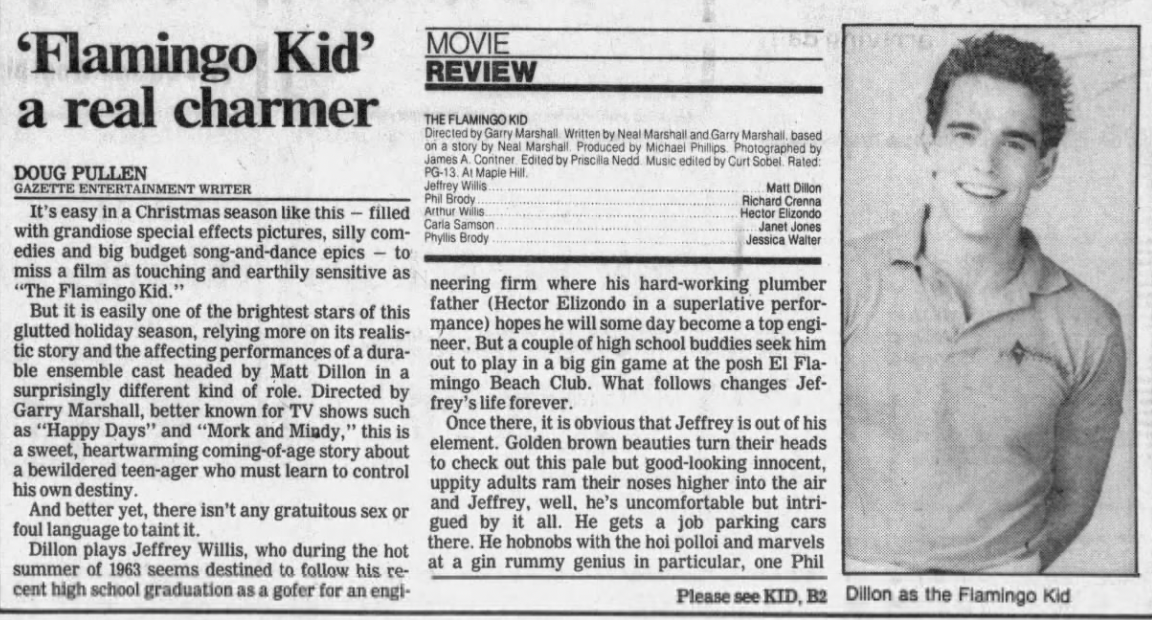
The critical response was largely positive.
Vincent Canby of The New York Times praised Dillon’s performance, while Roger Ebert recognized that the film could be genuinely entertaining without becoming emotionally weightless.
That distinction matters.
There is a temptation to look at The Flamingo Kid as simply another nostalgic 1980s teen movie.
It isn’t.
The movie certainly has the beautiful cars, beach-club glamour and period soundtrack. But underneath all of that is a surprisingly serious question:
What happens when the life you want isn’t necessarily the life that’s right for you?
Richard Crenna’s performance as Phil Brody was particularly effective. His charm is never entirely fake, which makes the character more interesting. Phil genuinely likes Jeffrey. He genuinely wants to help him.
But he also represents a version of adulthood built around appearances, money and winning.
Jeffrey’s father represents something less glamorous.
But maybe more valuable.
The Choice at the Heart of the Movie
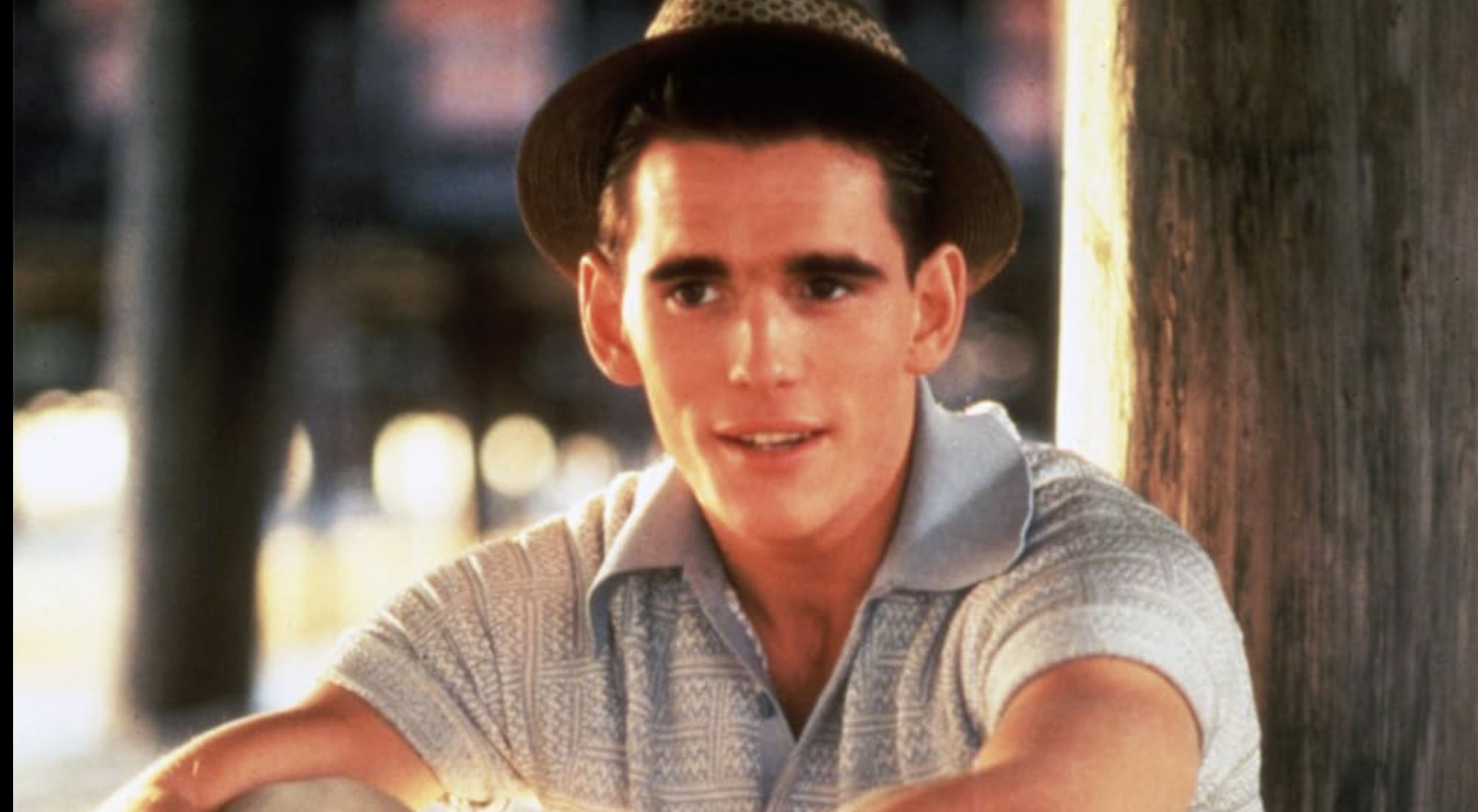
The genius of The Flamingo Kid is that it doesn’t make Jeffrey’s decision easy.
It would have been simple to make Phil Brody the obvious villain.
Marshall doesn’t.
Phil is charismatic. He’s successful. He knows how to talk to people. He knows how to make Jeffrey feel important.
And for a teenager standing on the edge of adulthood, that can be intoxicating.
Meanwhile, Jeffrey’s father can seem stubborn and old-fashioned.
That is what makes the conflict work.
Jeffrey isn’t choosing between good and evil.
He’s choosing between two different definitions of success.
And eventually he has to decide which one belongs to him.
A Forgotten Gem of the 1980s
The Flamingo Kid has never reached the cultural status of The Breakfast Club, Ferris Bueller’s Day Off or Fast Times at Ridgemont High.
Maybe that’s part of its charm.
It doesn’t have the outrageous premise of a typical 1980s teen comedy. There are no elaborate schemes, no fantasy elements and no massive third-act set piece.
Instead, it tells a smaller story about one summer and one kid discovering that adulthood isn’t necessarily about getting everything you want.
Sometimes it’s about figuring out what you don’t want to become.
That makes the movie feel surprisingly timeless.
The beach club is a fantasy. The cars are beautiful. The music is unforgettable. The summer of 1963 looks almost impossibly perfect.
But Jeffrey eventually discovers the thing every teenager has to discover sooner or later:
Growing up isn’t about finding a better world. It’s about deciding what kind of person you want to be in the world you’ve got.
That is why The Flamingo Kid still works.
It isn’t really a movie about a beach club.
It’s a movie about the moment when the door to adulthood opens—and realizing that, for the first time, you’re the one who has to decide whether to walk through it.

About the Creator
Movies of the 80s
We love the 1980s. Everything on this page is all about movies of the 1980s. Starting in 1980 and working our way the decade, we are preserving the stories and movies of the greatest decade, the 80s. https://www.youtube.com/@Moviesofthe80s
Enjoyed the story? Support the Creator.
Subscribe for free to receive all their stories in your feed.
Comments
There are no comments for this story
Be the first to respond and start the conversation.