
The Evolution of Stage Design in Live Music
Technology Behind the Console
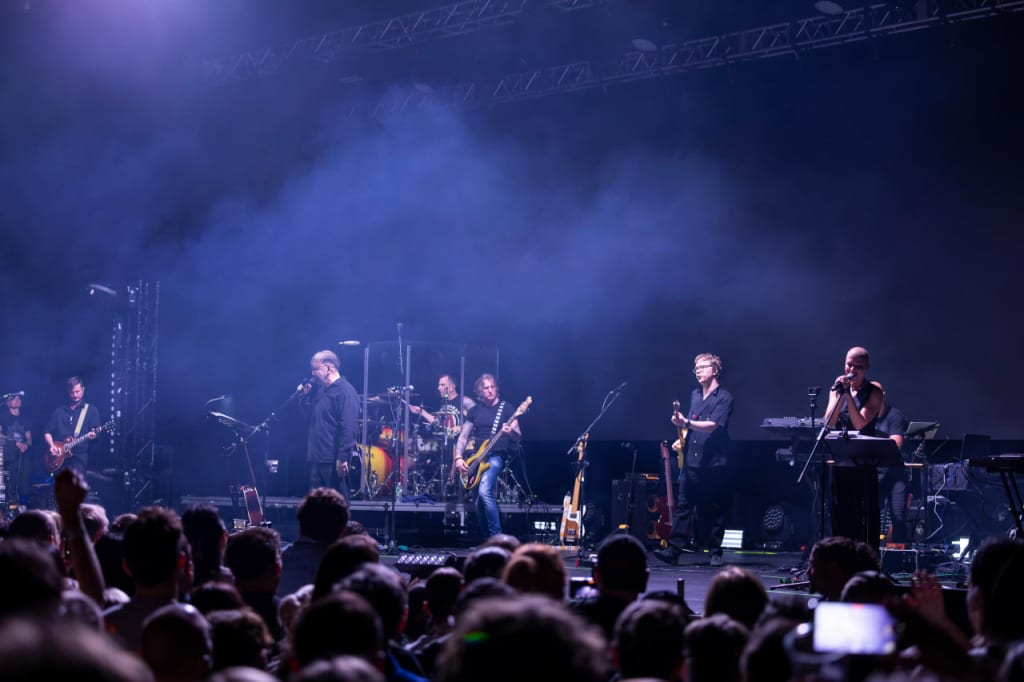
When fans attend live music concerts, their focus is on the performance — the artist, the lights, and the energy of the crowd. But what they often don’t realize is that one of the most critical roles in creating that unforgettable experience belongs to the live sound engineer. These professionals shape how the audience hears every note, lyric, and beat, balancing technology with artistry to deliver the perfect sound.
What Does a Live Sound Engineer Do?
A live sound engineer is responsible for making sure the music sounds as good to the audience as it does to the performers. This involves managing microphones, mixing consoles, speakers, monitors, and countless other components. The goal is to ensure clarity, balance, and power while adapting to the unique acoustics of each venue.
Unlike studio engineers, who have the luxury of recording in controlled environments, live engineers must adapt in real time. Every venue presents challenges — from the echo of a stadium to the open-air unpredictability of outdoor festivals.
Balancing the Mix
At its core, live sound engineering is about balance. Each instrument and vocal must have its place in the mix. For instance, drums and bass provide the foundation, while guitars, keyboards, and vocals must sit on top without overpowering one another.
The engineer constantly adjusts levels, EQ, and effects throughout the show. If a singer’s microphone drops in volume or a guitar solo needs more presence, the engineer reacts instantly. This fast decision-making is what separates good sound from unforgettable sound.
Monitoring for Performers
Sound engineering is not just about the audience. Musicians also need to hear themselves and each other clearly. Engineers manage monitor mixes, either through stage wedges or in-ear monitoring systems.
A well-crafted monitor mix allows performers to stay in time and on pitch. Without it, even the most talented musicians can struggle. In many cases, separate engineers handle front-of-house (audience sound) and monitor mixes, ensuring both sides of the stage sound their best.
Technology Behind the Console
Modern live sound relies heavily on digital technology. Digital consoles allow engineers to save presets, recall mixes, and apply precise effects in real time. Wireless systems provide mobility, while advanced microphones capture sound with stunning accuracy.
Software tools are also used to analyze venues before performances. Engineers can simulate how sound will travel through a space, allowing them to fine-tune speaker placement and EQ before the first note is played.
The Human Element
Despite all the technology, live sound engineering remains an art form. Engineers need a trained ear, quick reflexes, and a deep understanding of music. They work closely with artists to understand their preferences and vision, tailoring the sound to match the performance style.
The best sound engineers know how to translate emotion into audio. A ballad needs warmth and clarity, while a high-energy rock anthem requires power and punch. These choices directly affect how the audience feels during the show.
Challenges of Live Sound
Every live music concert presents unique challenges. Outdoor shows must deal with wind and weather, while indoor venues may have issues with echo or poor acoustics. Technical failures, such as wireless interference or equipment breakdowns, demand immediate troubleshooting.
Engineers also face pressure from tight schedules. Soundchecks often last only an hour or two, leaving little room for error. When the show begins, there are no second chances — every adjustment must be right the first time.
The Unsung Heroes of Concerts
While artists take the spotlight, live sound engineers remain behind the scenes. Yet their work is essential to the success of any show. A flawless performance can be ruined by poor sound, while great engineering can elevate even a modest performance into something extraordinary.
Fans may never know their names, but sound engineers are the backbone of live performances. Their expertise transforms raw music into the powerful, immersive experiences audiences cherish.
Conclusion
Live sound engineering is a blend of science, technology, and artistry. It requires quick thinking, technical skill, and a deep passion for music. Without these professionals, live music concerts would lose the very element that defines them: great sound.
For expert sound solutions that ensure your next event delivers flawless audio, visit EventStarts.com
.
About the Creator
Enjoyed the story? Support the Creator.
Subscribe for free to receive all their stories in your feed.
Comments
There are no comments for this story
Be the first to respond and start the conversation.