
The Devil Wears Prada 2 Review: Meryl Streep Turns Fashion Into a Battlefield Worth Fighting For
The Devil Wears Prada 2 review: Meryl Streep and Anne Hathaway return in a sharp, timely sequel that defends fashion as art against the rise of tech and corporate influence.

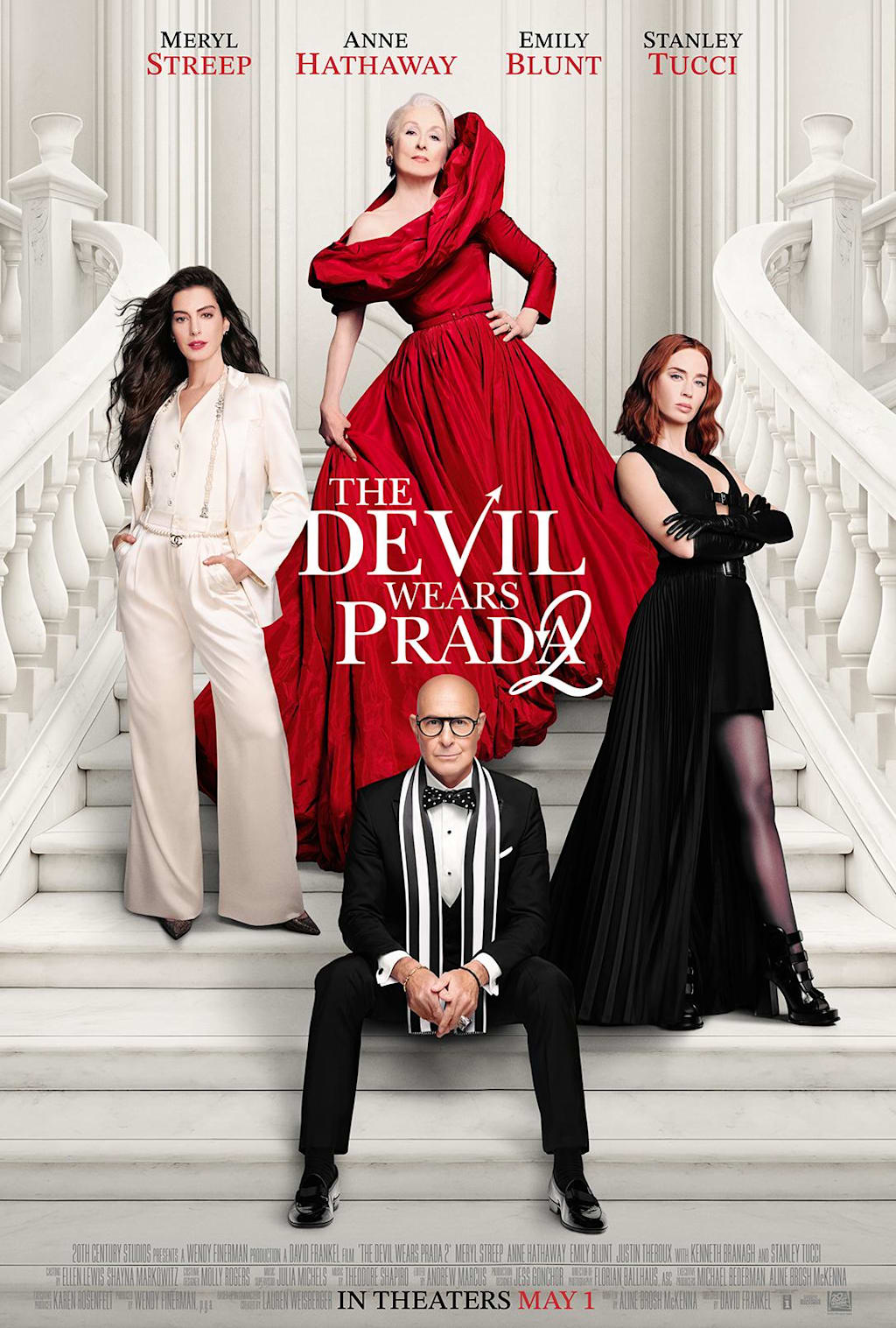
⭐ Rating: 4 out of 5
The Devil Wears Prada 2
Directed by David Frankel
Written by Aline Brosh McKenna
Starring Meryl Streep, Anne Hathaway, Emily Blunt, Stanley Tucci
Release Date May 1st, 2026
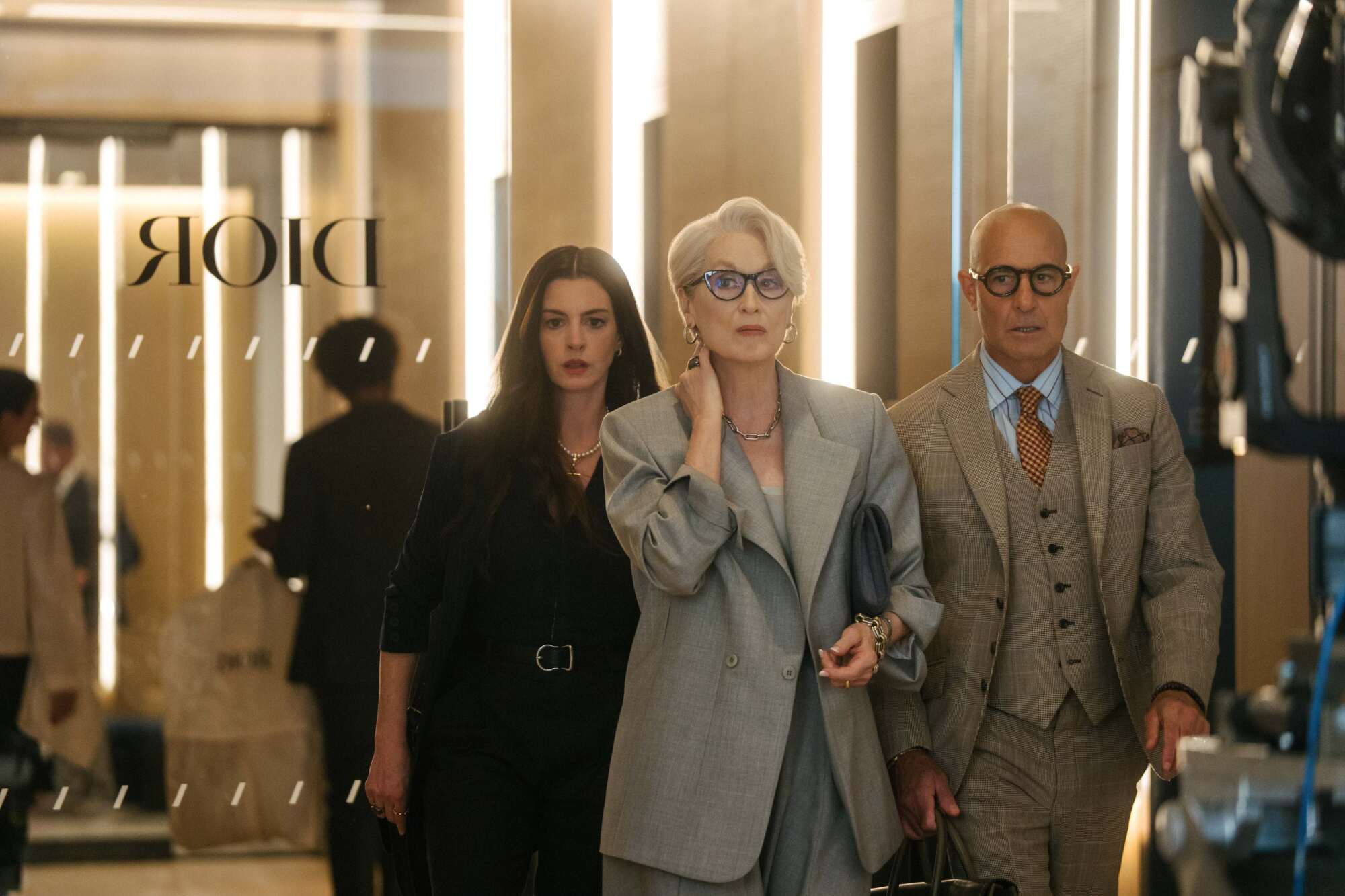
Fashion as an Artform — and a Target
Fashion is an artform — and an underappreciated one.
That shouldn’t be a controversial statement, but culture has spent decades telling us otherwise. We’ve been fed two persistent myths: that fashion belongs exclusively to women, and that men are somehow above it, uninterested, detached. That it’s frivolous.
The Devil Wears Prada 2 dismantles that idea with precision and passion.
This is a film that argues — loudly and unapologetically — that fashion is not just art, but an institution under siege.
A Crisis at Runway
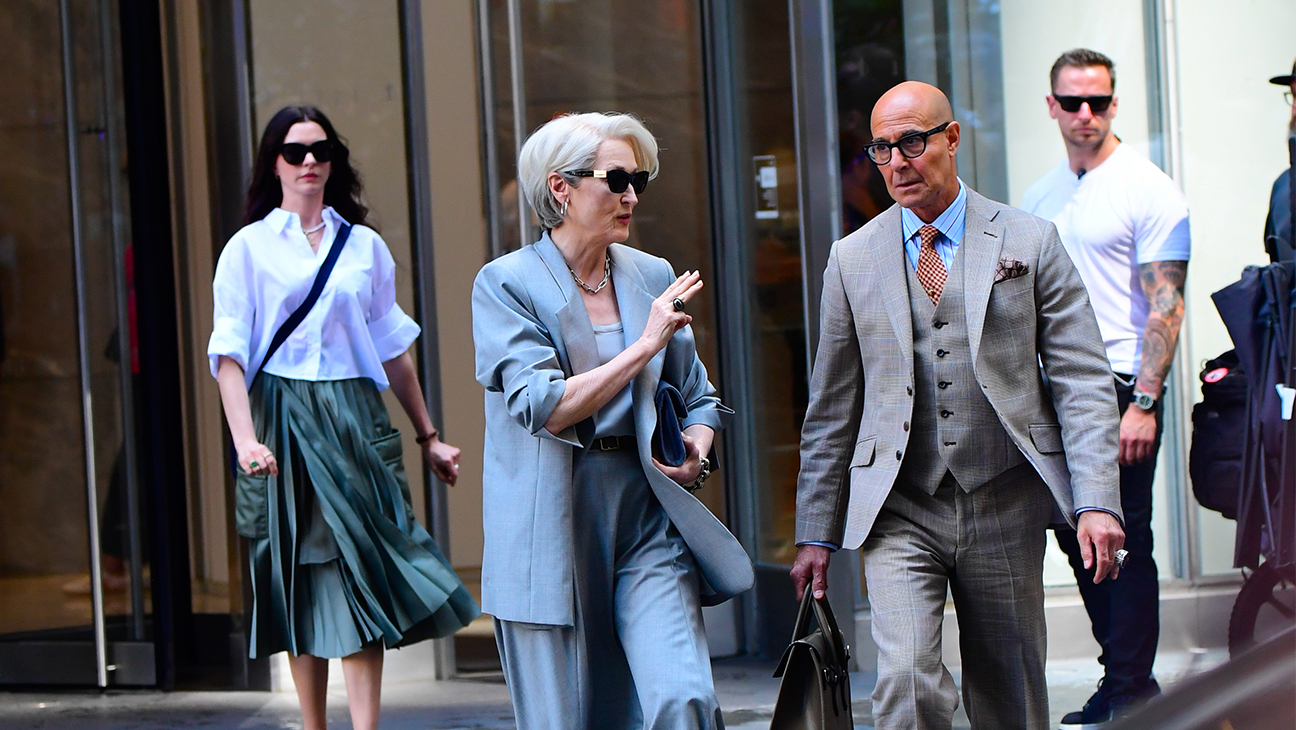
Set decades after the original, the film finds Miranda Priestly (Meryl Streep) facing something she’s never truly encountered before: vulnerability.
Runway Magazine — once the unimpeachable authority in fashion — is embroiled in scandal after publishing a feature that praises a company tied to forced labor in Southeast Asia. The fallout is immediate and brutal. The magazine’s reputation crumbles, and for the first time, Miranda’s judgment is questioned.
Even worse? The internet has turned on her. Memes. Investigations. Public humiliation.
Miranda Priestly, untouchable no more.
The Return of Andie Sachs
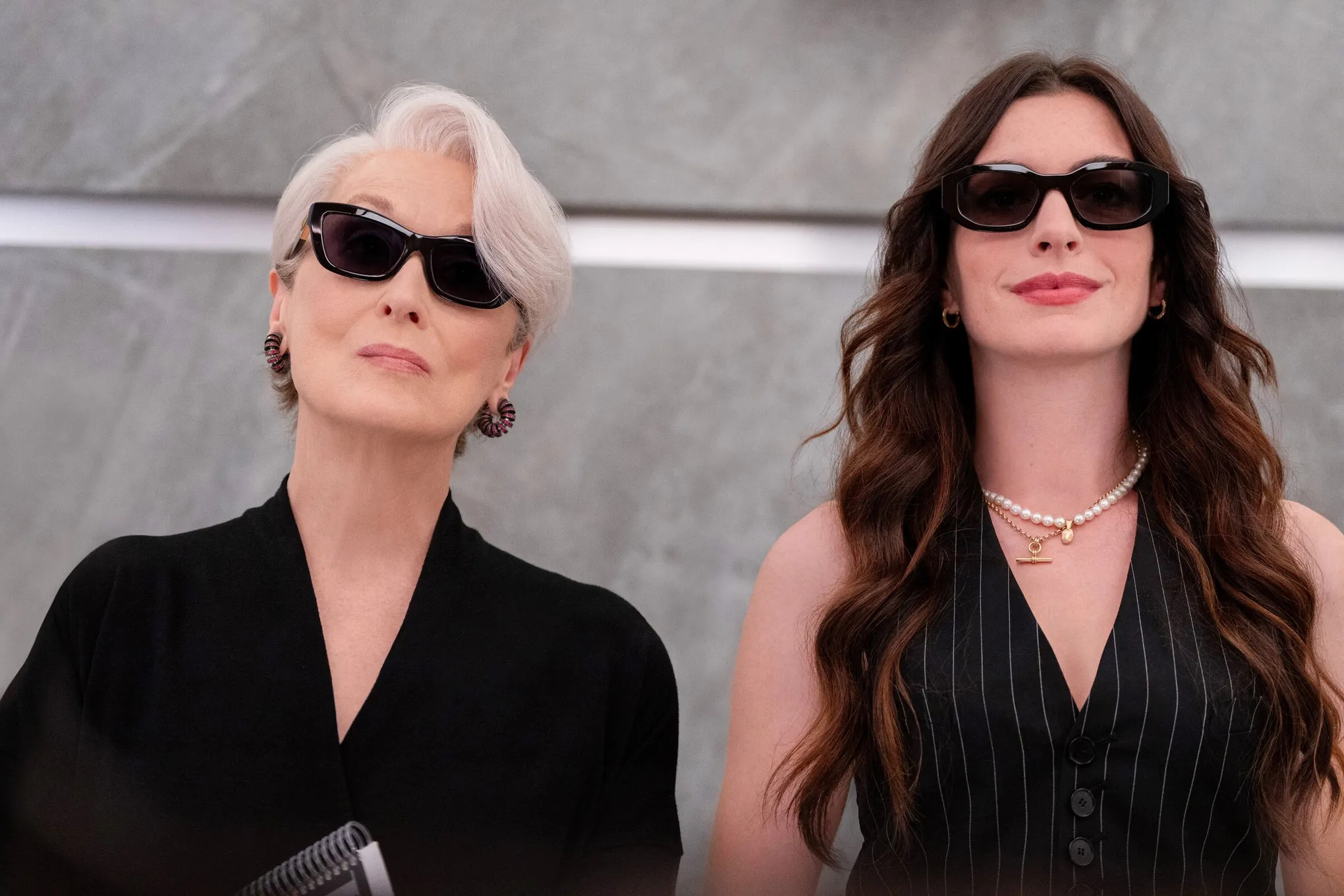
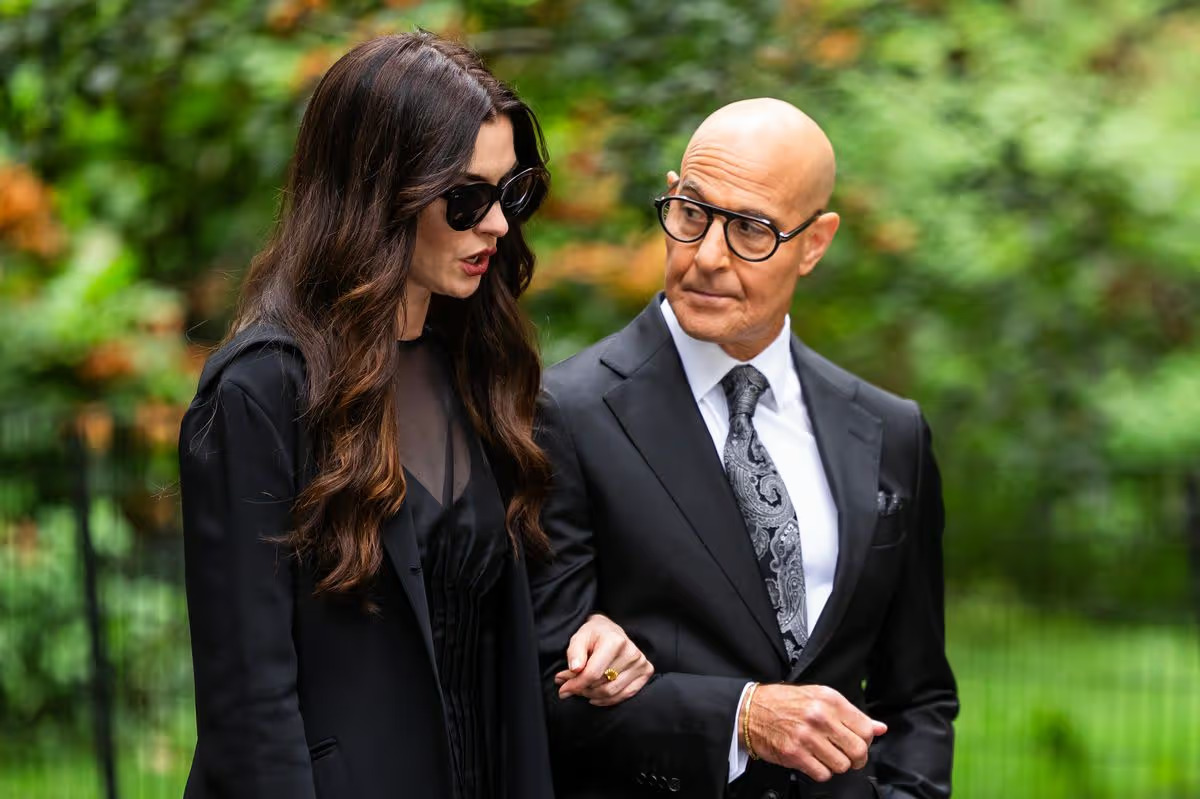
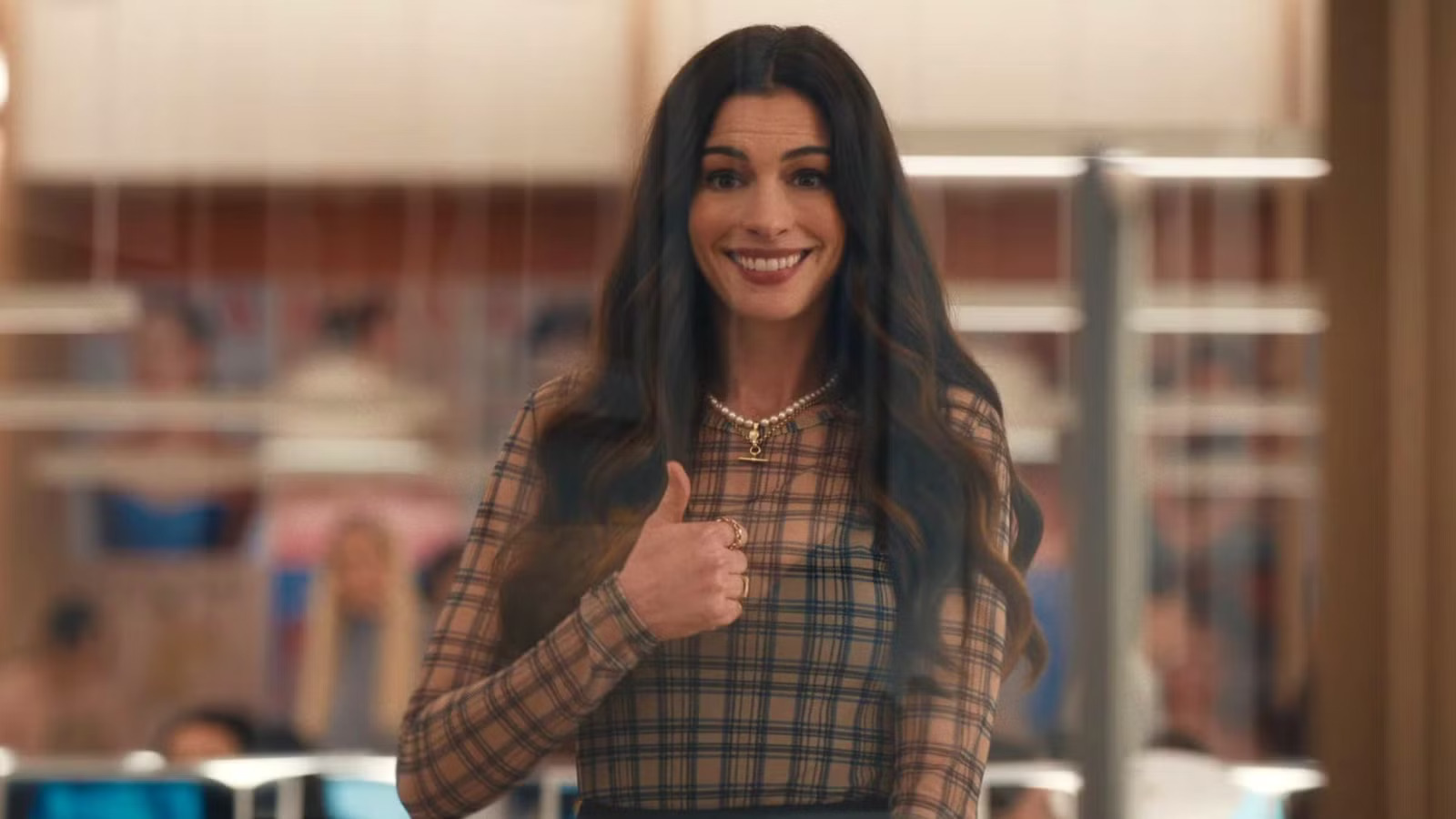
Enter Andie Sachs (Anne Hathaway), now a respected journalist who delivers a fiery speech on ethics — only to be fired via text the same day.
In a move that feels equal parts desperate and calculated, Runway’s leadership recruits Andie to clean up the mess as the new features editor.
There’s just one problem:
Miranda doesn’t remember her.
What follows is a fascinating power struggle. Miranda sees Andie not as a solution, but as an insult — a disruption to the empire she built. Andie, meanwhile, is tasked with restoring credibility to a publication that no longer knows what it stands for.
Old Players, New Stakes
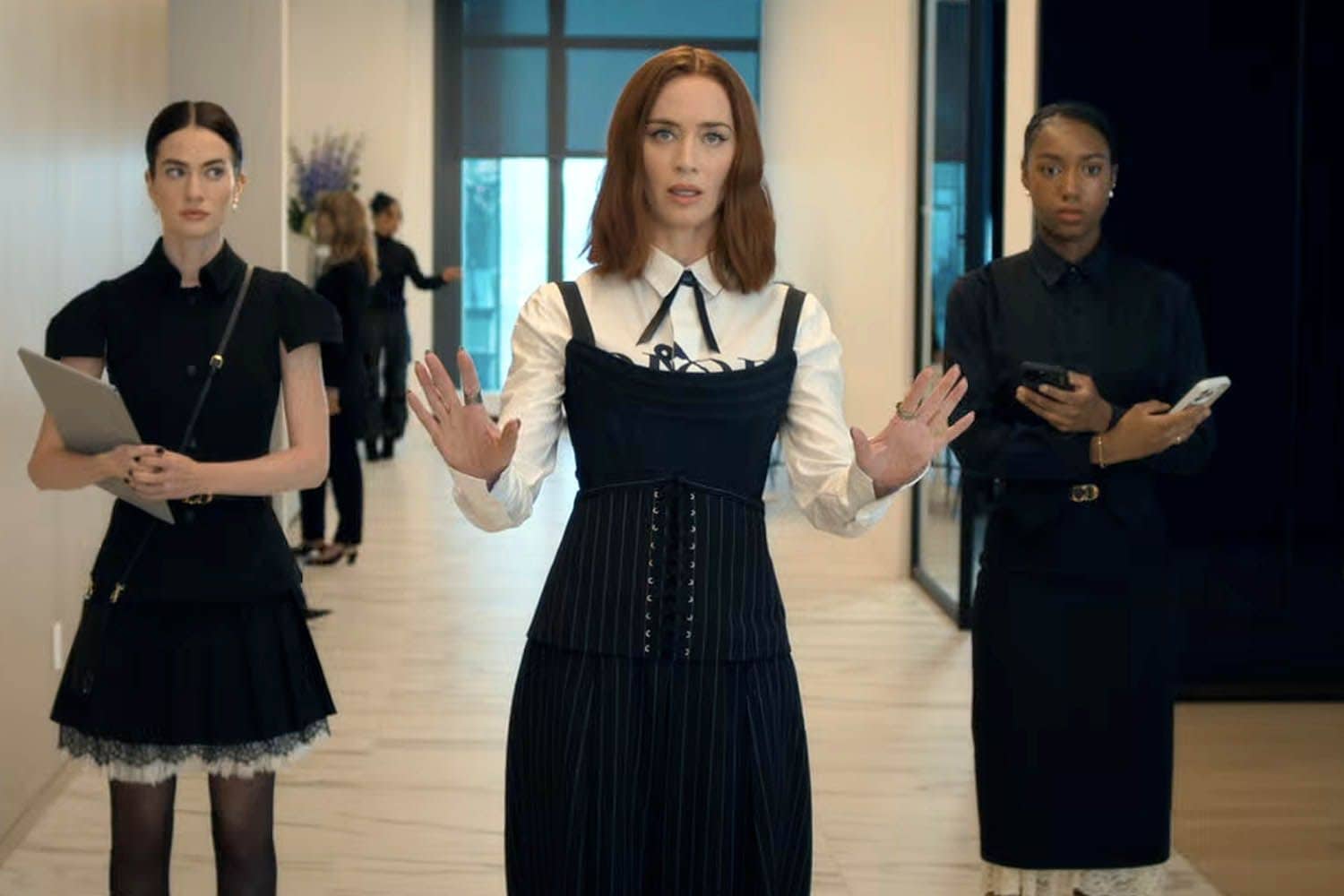
The film smartly reintroduces its core players, including Emily Blunt’s Emily, now working at Dior, and Stanley Tucci, who once again proves himself to be the emotional backbone of the series.
But the real shift comes with the sudden death of Runway’s parent company CEO, leaving Miranda’s future in the hands of a young finance executive (B.J. Novak) who represents everything the film fears:
Efficiency over artistry.
Profit over purpose.
He brings in consultants, cost-cutters, and MBA logic — people who see culture as expendable if it doesn’t maximize returns.
Miranda Priestly: The Underdog
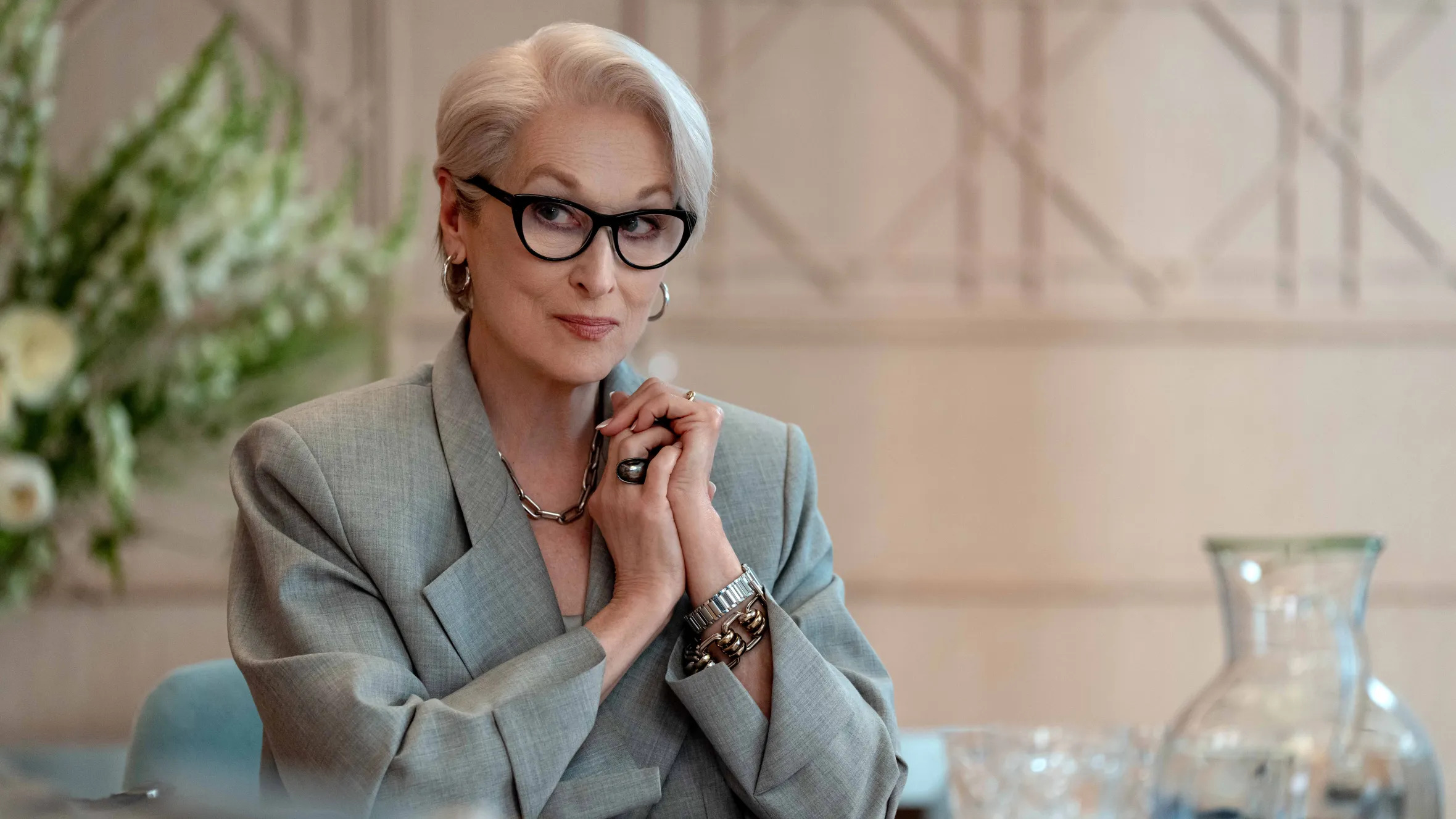
The film’s most surprising and effective move is turning Miranda into an underdog.
Meryl Streep does not soften her. Not for a second.
Miranda remains icy, biting, and utterly unpredictable. But now, she’s cornered — fighting not for dominance, but for survival.
And somehow, against all odds, you find yourself rooting for her.
Stanley Tucci: The Soul of the Film
Let’s not dance around it:
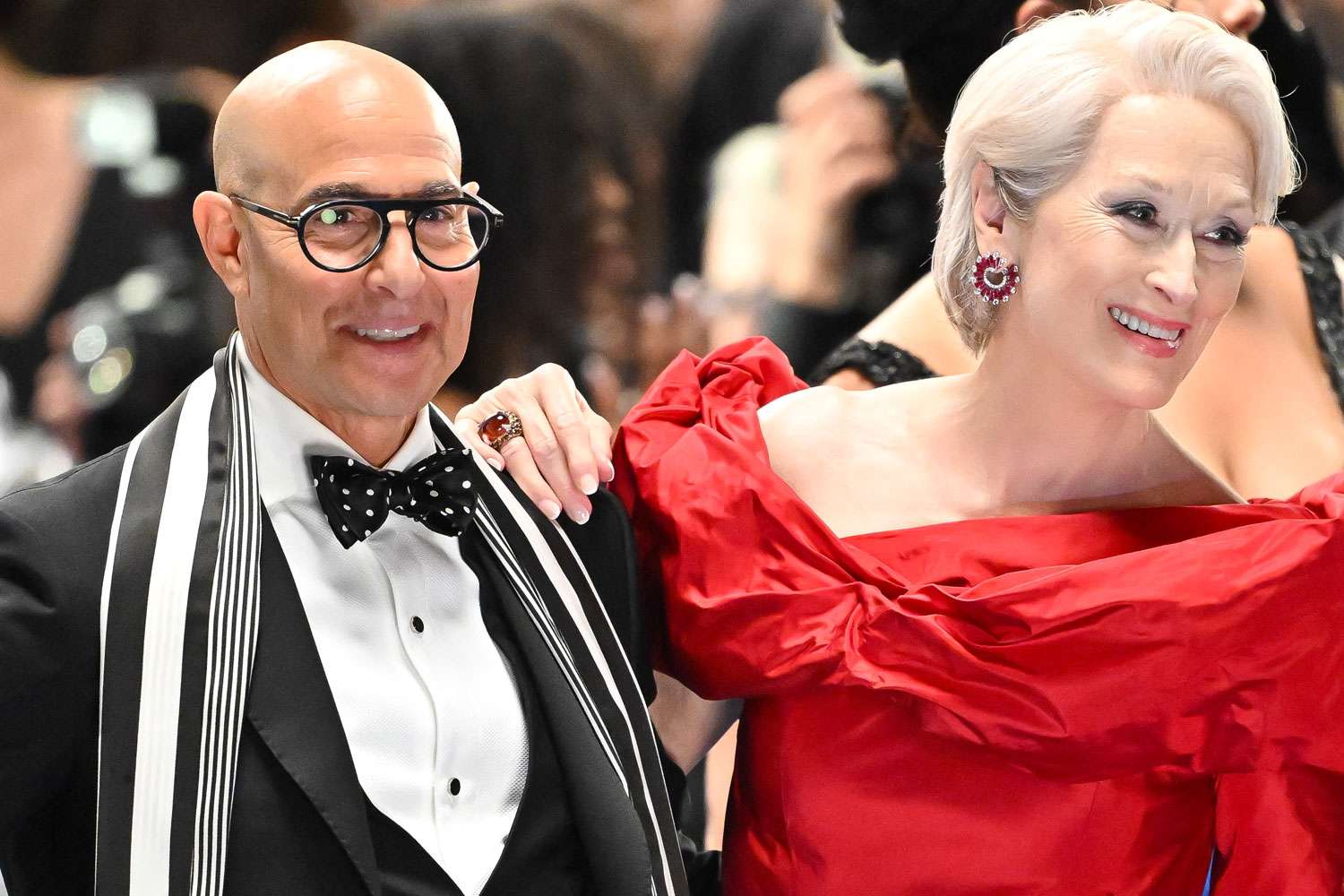
Stanley Tucci deserves an Academy Award nomination for this performance.
He is the bridge between Miranda and Andie — the human connection in a world increasingly defined by ego and efficiency. His warmth, humor, and quiet dignity give the film its emotional center.
His final scene? Devastating in the best way.
Fashion vs. The Algorithm
What makes The Devil Wears Prada 2 resonate isn’t just its characters — it’s what they’re fighting against.
The film doesn’t obsess over clothes. It reframes fashion as something fragile, something worth protecting from the cold calculus of tech and finance.
Because that’s the real enemy here:
Not bad taste.
Not even scandal.
But a world where art is stripped down to data points, optimized, and hollowed out.
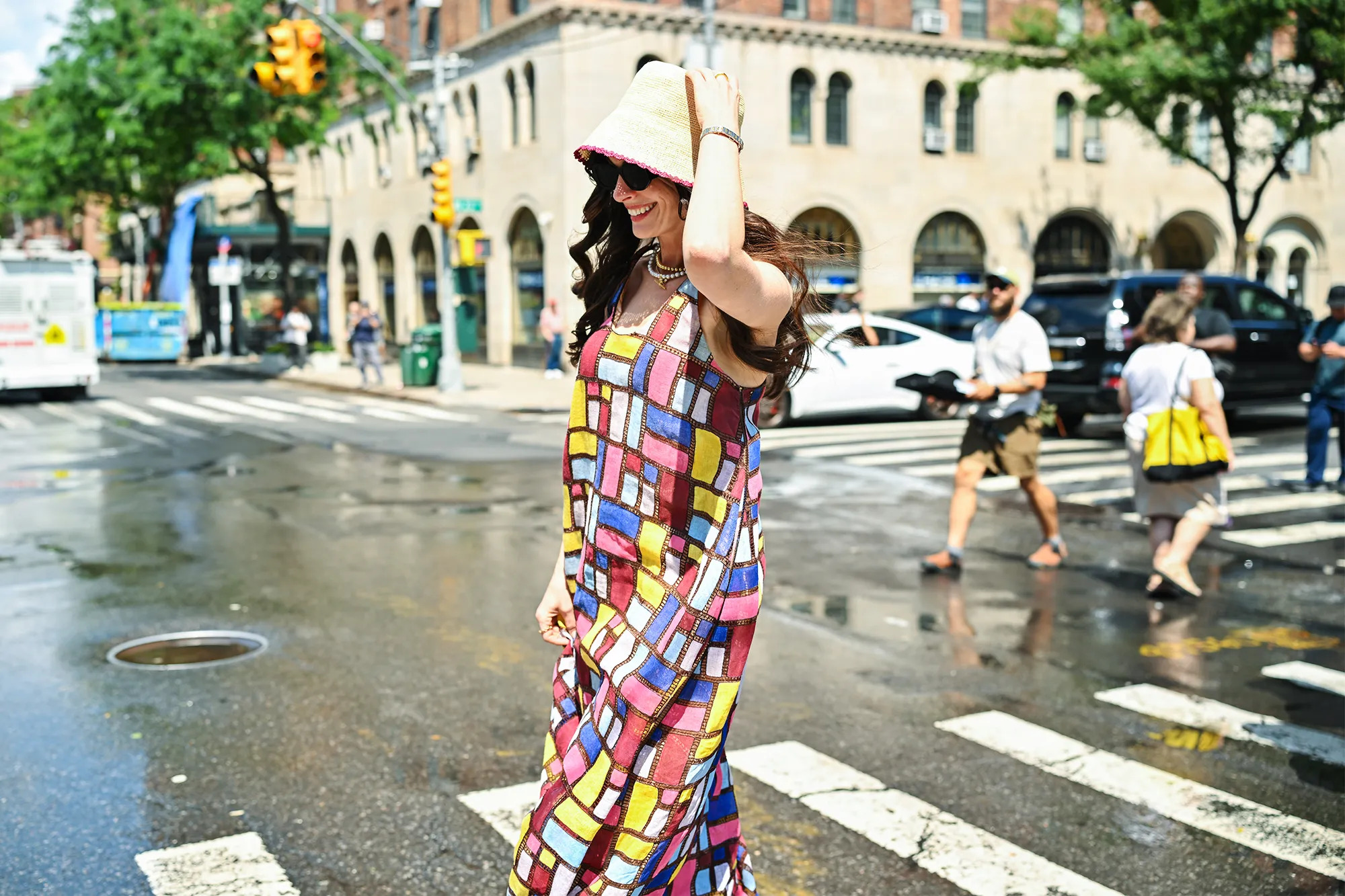
A Call to Protect Art
This is where the film hit me hardest.
The Devil Wears Prada 2 isn’t just a sequel — it’s a warning.
If we let tech and finance dictate culture, they will drain it of everything that makes it meaningful. Not because they hate art, but because they don’t understand it.
And maybe worse — because they don’t need to.
The film argues that art survives only if we fight for it. If we value it. If we reject the easy, disposable alternatives.
Final Verdict
I may not live in the world of fashion, but I recognize what’s at stake here.
Because it’s not really about fashion.
It’s about every artform we love — film, writing, photography, design — and whether we’re willing to protect them from being reduced to content.
The Devil Wears Prada 2 is not disposable entertainment.
It’s a call to action.
Tags:
The Devil Wears Prada 2 review, Meryl Streep, Anne Hathaway, Emily Blunt, fashion movies, 2026 movie reviews, film criticism, movies about fashion, David Frankel, Aline Brosh McKenna
About the Creator
Sean Patrick
Hello, my name is Sean Patrick He/Him, and I am a film critic and podcast host for the I Hate Critics Movie Review Podcast I am a voting member of the Critics Choice Association, the group behind the annual Critics Choice Awards.
Enjoyed the story? Support the Creator.
Subscribe for free to receive all their stories in your feed. You could also become a paid subscriber, letting them know you appreciate their work.
Comments
There are no comments for this story
Be the first to respond and start the conversation.