
The Dark Mystery Behind Regular Show Lost Tapes Online
There is something deeply unsettling about finding a piece of childhood media that feels wrong. A familiar cartoon suddenly carries a darker mood. A cheerful scene feels empty. A character sounds strange.

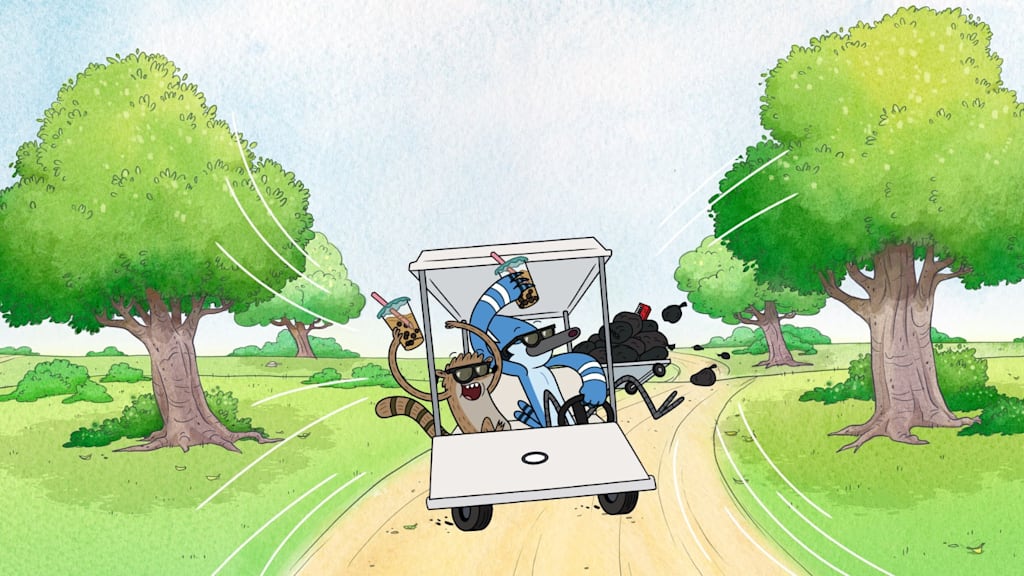
There is something deeply unsettling about finding a piece of childhood media that feels wrong. A familiar cartoon suddenly carries a darker mood. A cheerful scene feels empty. A character sounds strange. For many fans of the animated series Regular Show, this feeling became connected to one phrase that spread across forums, social media pages, and late-night YouTube searches: regular show lost tapes.
People were not just searching for random clips from an old cartoon. They were chasing rumors, creepy edits, hidden episodes, and stories that mixed nostalgia with fear. Some viewers claimed they had seen disturbing footage years ago. Others believed certain episodes had been removed or altered. Even those who knew the stories were fake still found themselves curious.
Why Regular Show Became Perfect for Internet Mysteries
When Regular Show first aired on entity["company","Cartoon Network","American television channel"], it immediately stood apart from many animated shows of its time. The humor felt strange in a good way. The characters acted immature yet relatable. Everyday problems somehow turned into surreal disasters.
One moment Mordecai and Rigby were trying to avoid work. The next moment they were fighting supernatural creatures or dealing with bizarre dimensions. The show balanced comedy with weirdness so naturally that fans often felt anything could happen.
That atmosphere made the series perfect for internet myths.
What People Mean by Regular Show Lost Tapes
The phrase regular show lost tapes does not refer to one official thing.
Instead, it describes several types of content that became connected over time.
Some people use the term for fan-made horror videos designed to look like corrupted episodes. Others use it for rumored scenes that supposedly aired briefly before being removed. There are also viewers who use the phrase when discussing old internet clips that can no longer be found.
The mystery became larger because nobody agreed on one exact story.
One person would describe an episode where characters disappeared suddenly. Another would talk about distorted audio hidden inside a scene. Some stories mentioned strange endings that caused nightmares. Others claimed there were original pilot versions darker than the aired series.
Most of these stories had no proof.
The Rise of Lost Episode Horror Culture
To understand why regular show lost tapes became popular, it helps to look at a larger internet trend.During the late 2000s and early 2010s, horror stories about lost cartoon episodes exploded online. Fans shared stories about hidden scenes in famous children’s shows. Videos claimed certain episodes caused fear, sadness, or even psychological damage.
Many young viewers discovered these stories late at night while browsing YouTube or reading forum posts.The idea was simple but effective.
Take a familiar childhood cartoon and place something disturbing inside it.
That contrast created fear because viewers trusted the original show. Seeing beloved characters in dark situations felt emotionally confusing.
Stories about lost episodes appeared for many cartoons.
Why Nostalgia Makes These Stories Feel Real
Nostalgia is powerful because memory is imperfect.
Many people remember childhood media emotionally instead of accurately. They recall feelings more than details. That creates space for doubt.
A person may vaguely remember seeing a strange scene years ago. Later, after reading online rumors, they start wondering whether the memory was real.
This happens often with internet horror culture.
People combine actual memories with stories they read online. Over time, the boundary becomes blurry.Regular Show is especially vulnerable to this effect because many episodes already felt dreamlike.
When fans revisit the show as adults, they notice emotional depth they missed as children.
That emotional rediscovery can make fake stories feel strangely believable.
A viewer might think:
"Maybe there really was a darker episode I forgot about."
That thought alone keeps the mystery alive.
The Role of YouTube in Spreading the Mystery
YouTube played a huge role in the popularity of regular show lost tapes.
Many creators uploaded edited videos pretending to show rare footage. Some clips used static effects, distorted music, and corrupted visuals to imitate damaged recordings.
Others included fake documentary-style narration.
The creators often spoke seriously, making the stories feel authentic. Some videos claimed they had discovered old VHS tapes. Others said former network employees leaked hidden content.
The production quality varied.
Some videos were obviously fake. Others were surprisingly convincing.
Younger viewers especially struggled to separate fiction from reality.
Comments sections added even more confusion.
Creepy Fan Edits and Analog Horror Influence
Another reason regular show lost tapes stayed popular is the rise of analog horror.
Analog horror is a style of storytelling built around fake old recordings, emergency broadcasts, damaged VHS footage, and eerie visual distortion. The style creates fear through atmosphere instead of sudden scares.
This trend exploded online because it feels realistic.
Instead of obvious monsters, analog horror uses silence, static, poor audio quality, and emotional discomfort.
Regular Show fan creators quickly adopted these techniques.
They edited scenes from the cartoon to look broken or abandoned. Familiar characters appeared emotionless. Music slowed down unnaturally. Dialogue echoed strangely.
Some videos focused less on horror and more on sadness.
They presented the cartoon world as empty or forgotten.
Why People Love Dark Versions of Childhood Cartoons
At first glance, it seems strange that people enjoy turning childhood cartoons into horror stories.But emotionally, the reason makes sense.
As people grow older, childhood memories become more complicated. Cartoons once connected to happiness also become reminders of time passing.
A show that once felt comforting can suddenly feel emotional years later.
Regular Show itself dealt with themes of adulthood and change.
Although it was funny, the series often explored fear about the future. Characters struggled with responsibility, relationships, and growing up. By the final seasons, many fans felt emotional watching the characters move forward with their lives.
Because of this emotional depth, dark reinterpretations felt natural.
Fans were not simply trying to create scary videos.
Many were expressing nostalgia, loneliness, and the strange sadness that comes from revisiting childhood media.
Regular show lost tapes became a reflection of those feelings.
Internet Myths That Refused to Die
One fascinating part of internet culture is how fake stories continue spreading long after being debunked.Even when creators admit a story was fictional, people still discuss it years later.
That happened with regular show lost tapes.Some videos clearly stated they were horror projects, yet viewers kept treating them like hidden truths.Part of this comes from how online myths evolve.A rumor changes slightly each time someone repeats it.
One video inspires another. One fake screenshot becomes ten edited images. One comment becomes a larger story.Eventually, nobody remembers where the rumor started.
At that point, the myth becomes part of internet folklore.
Regular Show fans contributed heavily to this cycle.
The Emotional Side of Lost Media Culture
Lost media communities are not always focused on fear.
Many people simply enjoy searching for forgotten things.
Old commercials, deleted scenes, canceled projects, and missing broadcasts all carry emotional weight because they feel incomplete.
There is something deeply human about wanting to recover lost memories.
Regular show lost tapes became connected to this larger culture.
Fans were not only chasing scary stories. They were also chasing feelings from the past.
Watching old cartoons reminds people of specific times in their lives.
School afternoons.
Late-night television.
Watching episodes with siblings or friends.
Growing older often creates distance from those memories. Searching for lost media becomes a way of reconnecting with them.
Even fake mysteries can trigger genuine emotions.
That is why the topic continues surviving online.
Did Any Real Lost Regular Show Content Exist?
While most regular show lost tapes stories are fictional, there are real reasons fans became curious.
Like many animated series, Regular Show went through production changes. Early concepts, unused ideas, alternate animations, and promotional clips existed behind the scenes.
Fans naturally became interested in unreleased material.
There were also episodes edited differently for certain broadcasts or regions. Minor dialogue changes and censorship added more confusion.
When viewers noticed differences between versions, rumors spread quickly.
The internet often exaggerates these situations.
A small editing change can become a massive conspiracy after enough retelling.
Still, genuine curiosity about unreleased content helped fuel regular show lost tapes discussions.
People enjoy imagining what hidden ideas creators may have explored.
That curiosity becomes even stronger when a show already feels unpredictable.
The Power of Community Storytelling
One reason these myths survive is because they are social experiences.
People enjoy discussing mysterious stories together.
A single viewer watching a creepy edit alone may feel unsettled for a moment. But when thousands of fans share theories, memories, and reactions, the experience becomes much larger.
Communities build emotional energy around mysteries.
Regular show lost tapes became a shared online ritual.
Fans searched old clips together.
They debated whether certain scenes were real.
They analyzed screenshots.
They created fan art.
They wrote fictional stories expanding the mythology.
This collaborative creativity kept the topic alive far longer than a single video ever could.
Even people who knew the stories were fictional still enjoyed participating.
The fun came from imagination.
How Fear Changes When You Grow Older
Children and adults experience fear differently.
A child may fear monsters directly.
Adults often fear emotional loss, forgotten memories, loneliness, and time.
That is why regular show lost tapes affects older viewers differently.
The unsettling feeling rarely comes from jump scares.
Instead, it comes from seeing something familiar become distant or distorted.
A childhood cartoon suddenly feels cold.
A happy memory feels empty.
An old episode reminds viewers how much life has changed.
That emotional discomfort is subtle but powerful.
Many analog horror creators understand this deeply.
They focus less on obvious terror and more on emotional unease.
Regular Show happened to fit that style perfectly.
The Difference Between Horror and Sadness
Interestingly, many regular show lost tapes videos feel more sad than scary.
The silence matters more than the disturbing imagery.
Empty backgrounds feel heavier than monsters.
Some edits remove jokes entirely, leaving only quiet scenes and slowed music.
This creates an emotional atmosphere closer to grief than traditional horror.
Why does this affect people so strongly?
Because nostalgia already carries sadness.
Revisiting childhood media reminds people that certain periods of life are gone forever.
The altered versions exaggerate that emotional reality.
Instead of simply remembering the past, viewers feel separated from it.
That emotional separation creates discomfort.
It also creates fascination.
Why the Internet Keeps Reviving Old Mysteries
Internet culture moves quickly, but nostalgia constantly brings old topics back.
A single viral TikTok can suddenly revive forgotten stories from years earlier.
That continues happening with regular show lost tapes.
New creators discover old myths and reinterpret them for modern audiences.
Some produce cinematic analog horror projects.
Others create emotional retrospectives exploring why the stories mattered.
Each new generation experiences the mystery differently.
Teenagers discovering Regular Show today may approach it through internet horror first rather than through television.
That changes how the series feels emotionally.
The cartoon becomes connected not only to comedy but also to mystery and digital folklore.
The Strange Beauty of Internet Legends
Not all internet myths survive because people believe them.
Some survive because they create emotion.
Regular show lost tapes became memorable because it mixed fear, nostalgia, sadness, humor, and curiosity together.
The stories allowed people to revisit childhood memories through a darker lens.
That emotional complexity made the experience feel personal.
For some viewers, the mystery was genuinely creepy.
For others, it was comforting in a strange way.
Searching through old clips and fan theories felt like exploring forgotten parts of childhood.
Even fictional mysteries can carry emotional truth.
They reflect how people feel about memory, growing older, and losing connection with the past.
That is why these stories continue surviving long after their original creators disappear.
Conclusion
The mystery surrounding regular show lost tapes says more about people than about hidden cartoon episodes.
At its core, the fascination comes from emotion.
People are drawn toward memories that feel incomplete. They revisit childhood shows hoping to reconnect with older versions of themselves. Along the way, internet culture adds horror, mystery, and imagination.
Regular Show became the perfect canvas for that experience because the series already balanced humor with emotional weirdness. Its surreal world made fake myths feel possible.
Over time, fan edits, analog horror videos, and online rumors turned the phrase regular show lost tapes into a modern digital legend.
Most of the stories were fictional.
But the emotions behind them were real.
Fear of growing older.
Curiosity about forgotten memories.
The strange sadness of revisiting childhood.
About the Creator
Muqadas khan
Hi! Welcome to my Vocal page. I’ll be sharing fresh articles every day covering stories, ideas, and a bit of inspiration to brighten your feed. Thanks for reading and supporting daily writing! 📖💫
Enjoyed the story? Support the Creator.
Subscribe for free to receive all their stories in your feed.
Comments
There are no comments for this story
Be the first to respond and start the conversation.