
'The Company of Wolves' (1984): A Freudian Fairy Tale in the Dark Woods
Neil Jordan and Angela Carter transformed Little Red Riding Hood into a surreal coming-of-age nightmare, creating one of the strangest, most visually inventive fantasy-horror films of the 1980s.

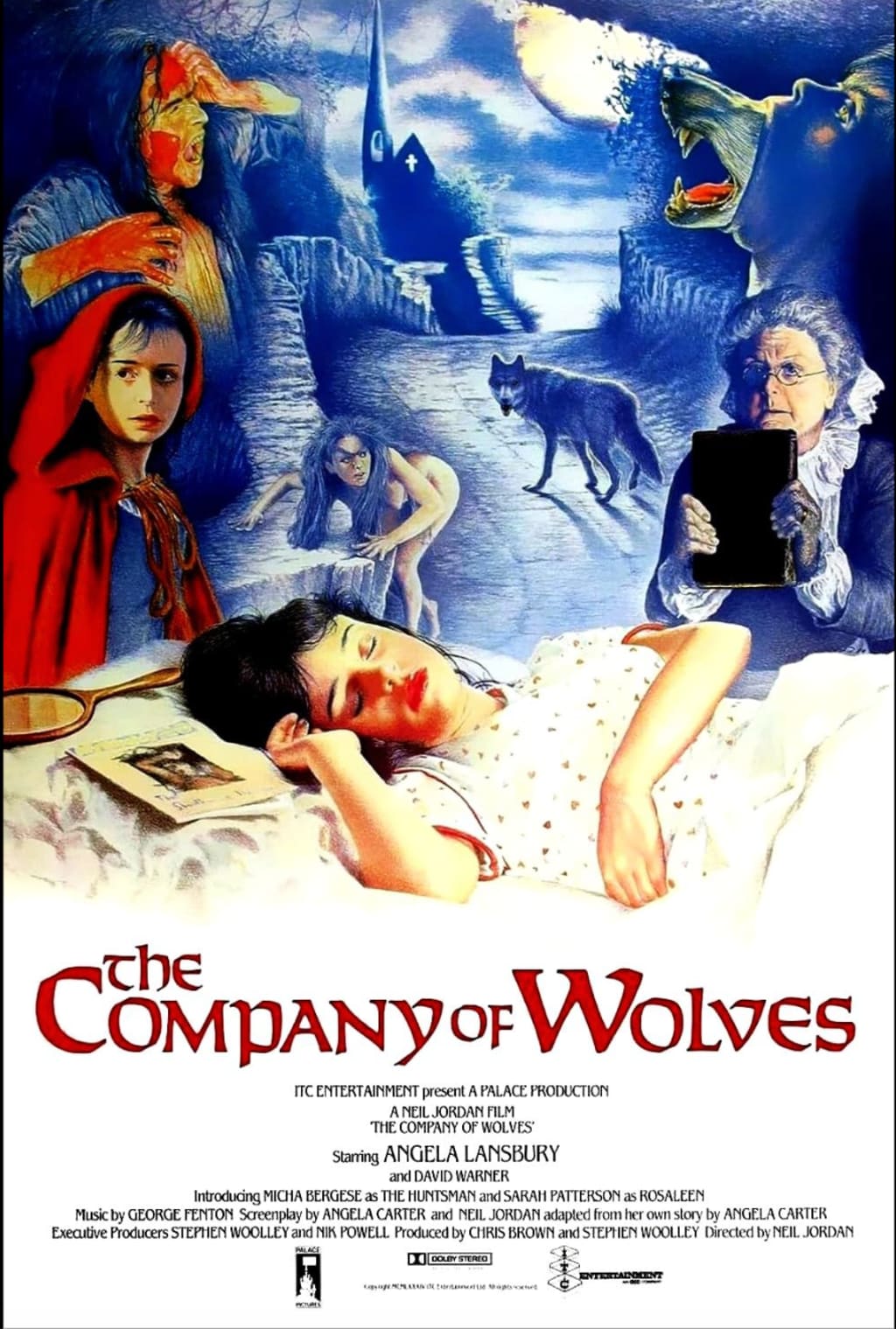
There are plenty of ways to make a werewolf movie. You can have somebody bitten by an infected animal, spend an uncomfortable amount of time watching their fingernails grow, and eventually unleash a hairy monster on an unsuspecting village. By the early 1980s, filmmakers were getting pretty good at this particular business.
An American Werewolf in London and The Howling had demonstrated just how spectacularly practical makeup effects could transform the familiar werewolf story. The audience wanted monsters, and the effects artists were happy to oblige.
Then along came The Company of Wolves.
Directed by Neil Jordan and adapted from the stories of Angela Carter, the 1984 film begins with the familiar ingredients of a fairy tale. A young girl, a grandmother, a dark forest, and wolves. But the familiar territory doesn’t last very long. This is not really a werewolf movie, at least not in the conventional sense. It’s a dream, a nightmare, a coming-of-age story, and a Freudian examination of sexuality dressed up in the fur of a monster picture.
Little Red Riding Hood has rarely had a more complicated trip through the woods.
The film is beautiful, strange, occasionally grotesque, and not especially interested in explaining itself. Its narrative moves through stories within stories, with one nightmare giving way to another. There are wolves, witches, hunters, strange marriages, and a forest that seems to have developed an appetite of its own.
It’s one of the strangest and most daring fairy tales ever committed to film. And that’s precisely why it remains so fascinating.
Angela Carter, Neil Jordan, and the Business of Retelling Fairy Tales
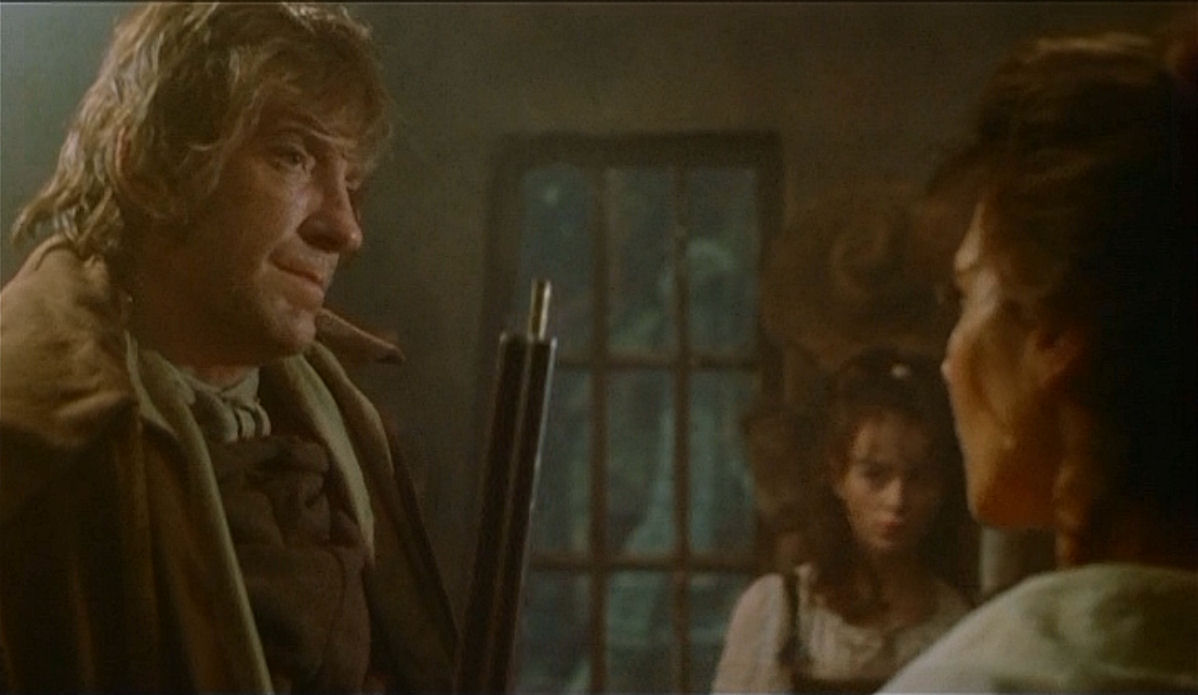
The origins of The Company of Wolves go back to a meeting between Neil Jordan and Angela Carter in Dublin in 1982. They were both attending events celebrating the centenary of James Joyce’s birth.
Carter had already been exploring the darker possibilities of traditional fairy tales. Her 1979 collection The Bloody Chamber reimagined familiar stories through a distinctly adult lens, examining sexuality, violence, power, and the often-uncomfortable relationships between men and women.
The title story, The Bloody Chamber, was a reworking of Bluebeard. Other stories explored the mythology surrounding werewolves, vampires, and traditional fairy-tale characters.
Carter had also adapted The Company of Wolves into a radio drama in 1980. She brought the material to Jordan, who recognized its possibilities but understood that the original story was too short to support a feature film.
His solution was to expand the material into something more ambitious.
Rather than simply stretching the original story, Jordan suggested a portmanteau structure built around a young girl dreaming herself into a fairy-tale world. Her grandmother would tell stories, and those stories would lead into other stories, eventually returning to the central narrative of Little Red Riding Hood.
The structure allowed them to incorporate material from several of Carter’s stories in The Bloody Chamber.
Their writing process was unusually collaborative. Jordan traveled to London, where he and Carter would spend their mornings discussing scenarios. They would then go off and write separately, comparing their work the following day.
Within approximately two weeks, they had completed the screenplay.
Jordan wasn’t exactly a conventional choice for a fairy-tale fantasy. He had published fiction before entering filmmaking and had directed only one feature, Angel (1982). He had also worked with John Boorman on Excalibur, an experience that gave him some exposure to the practical realities of filmmaking.
But Jordan was interested in cinema that could operate outside conventional storytelling.
The project also represented an early opportunity for Stephen Woolley and Palace Pictures. Having made money distributing films including Diva and The Evil Dead, Woolley and his associates were looking for projects they could develop themselves.
As Woolley explained in contemporary coverage, the company wanted to channel its creative integrity into something it could nurture rather than simply chase an established commercial formula.
The Company of Wolves was a considerable gamble. It was an expensive-looking fantasy film with an unusual screenplay, an unconventional director, and no obvious interest in behaving like a conventional horror movie.
That was part of the appeal.
Building a Forest That Didn’t Exist
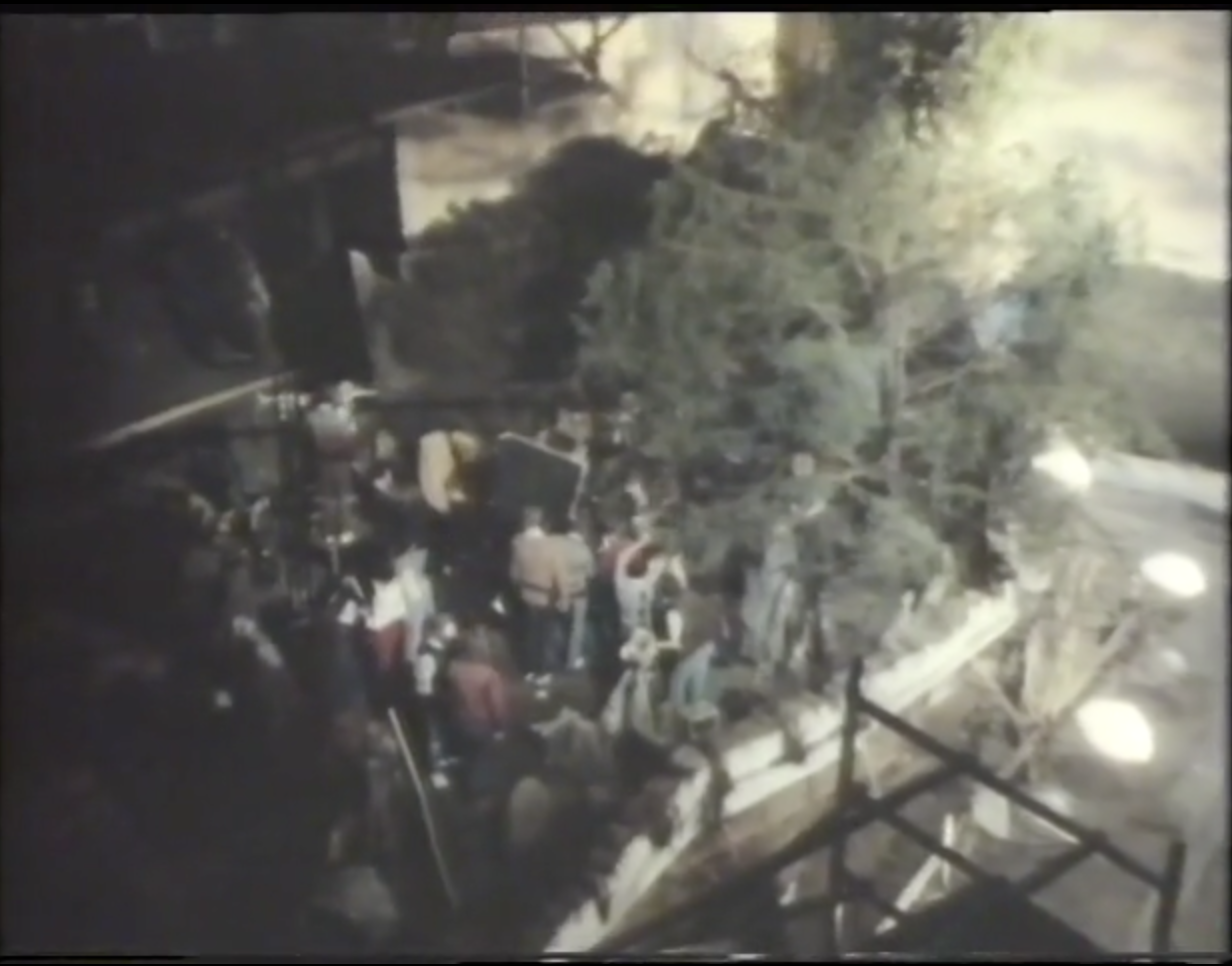
The production was largely constructed inside Shepperton Studios in Surrey, England. With a budget of approximately £2 million, the filmmakers weren’t exactly working with the resources of a major Hollywood fantasy production.
They did, however, have production designer Anton Furst.
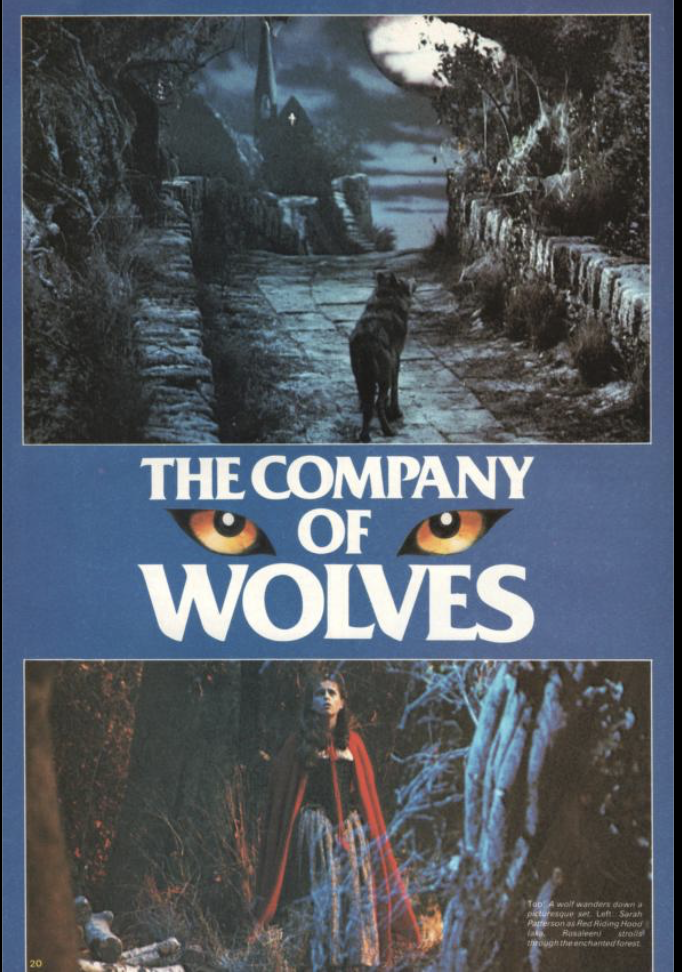
Furst created one of the most memorable artificial forests in 1980s cinema. Drawing inspiration from the paintings of Samuel Palmer, he built a landscape that was simultaneously beautiful, threatening, and unmistakably unreal.
The trees seemed to shimmer. The village looked as though it had been lifted from an illustrated storybook and left to decay. Everything had an exaggerated, slightly unnatural quality.
There was a practical reason for some of the forest’s peculiar appearance.
Jordan later recalled that the production used approximately twelve trees mounted on rollers, allowing the crew to reposition them to create different landscapes. For distant shots, they used bonsai trees.
The crew included people who had worked on Star Wars, and they apparently found the production’s approach rather ridiculous.
But the artificiality was intentional. Jordan wasn’t trying to convince audiences that they were looking at a real forest. He wanted to create a world that felt like a dream.
Furst’s work was essential to that vision. The forest is not simply where the story takes place. It is an expression of Rosaleen’s imagination, curiosity, and growing fears.
One of the film’s most memorable images involves a gigantic tree populated by enormous eggs, from which human-baby figures emerge. It’s the sort of image that makes perfect sense inside the movie’s dream logic and would probably require a lengthy explanation anywhere else.
The production design embraces this kind of visual excess. Trees become threatening shapes, ordinary objects take on sexual associations, and the landscape itself seems to be participating in the story.
Furst’s work would eventually attract the attention of some rather important admirers. He later designed the worlds of Stanley Kubrick’s Full Metal Jacket and Tim Burton’s Batman.
It was quite a calling card.
The Werewolves Had Something to Say
The other major challenge was bringing the wolves to life.
By this point, audiences had already seen the extraordinary transformation work in An American Werewolf in London and The Howling. Those films had established a new standard for practical creature effects, and comparisons were inevitable.
Chris Tucker, who had previously worked on The Elephant Man, handled the special makeup effects.
Tucker wasn’t particularly interested in repeating what Rick Baker and Rob Bottin had accomplished. He wanted something different.
In contemporary interviews, Tucker emphasized that he had deliberately avoided familiar transformation imagery, including the now-standard spectacle of hair sprouting from a person’s legs.
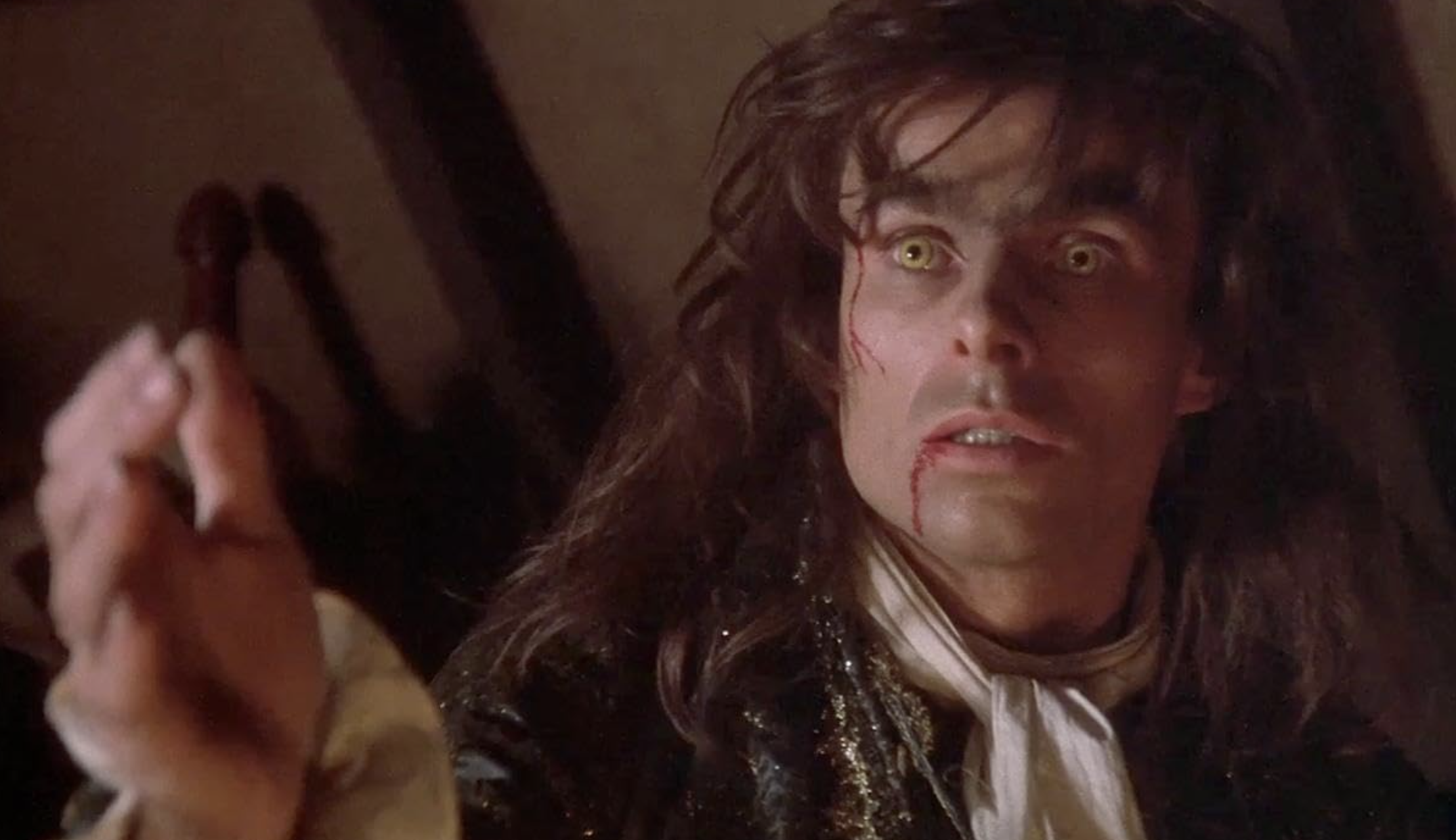
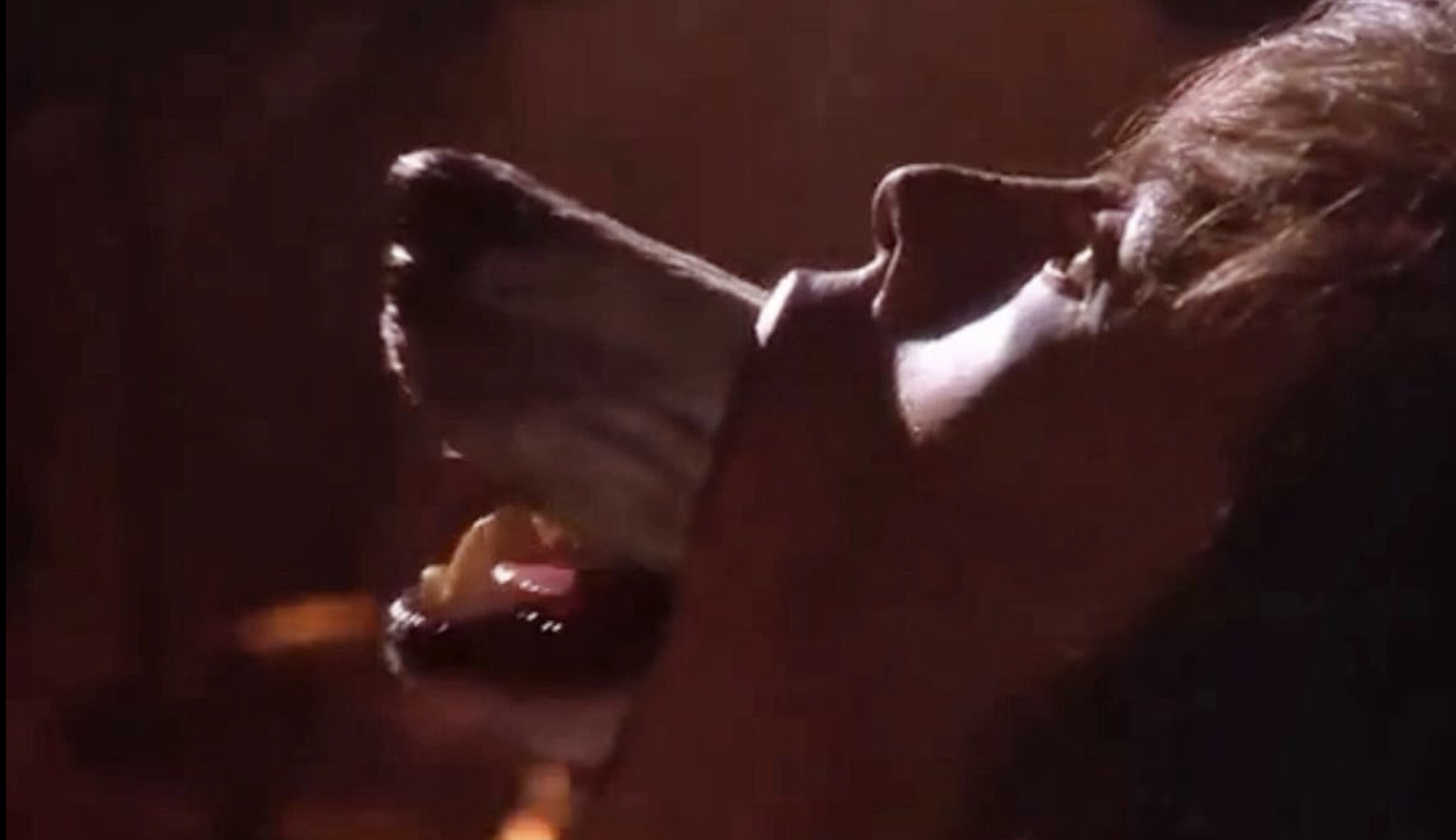
The transformations in The Company of Wolves are unsettling in a different way. They are often less about the mechanics of becoming a wolf than the disturbing imagery of a human body revealing something animalistic underneath.
Skin tears. Faces distort. A wolf’s snout emerges from a man’s mouth.
The effects are sometimes beautiful, sometimes repulsive, and occasionally both at once.
The filmmakers also had to deal with the practical challenges of working with actual animals. Most of the wolves were specially trained dogs that had been dyed to resemble their more intimidating relatives. Real wolves were used sparingly, with animal welfare restrictions limiting what could be done.
One particularly troublesome sequence involved a pit and a live duck.
It’s a reminder that the movie’s fantasy world was constructed through an extraordinary amount of decidedly unmagical practical labor.
The effects weren’t simply decoration. They were part of the film’s storytelling language. Jordan wanted the transformations to feel like physical manifestations of the characters’ psychological and sexual anxieties.
The monsters were never just monsters.
Finding Rosaleen
Casting the central role was another considerable undertaking.
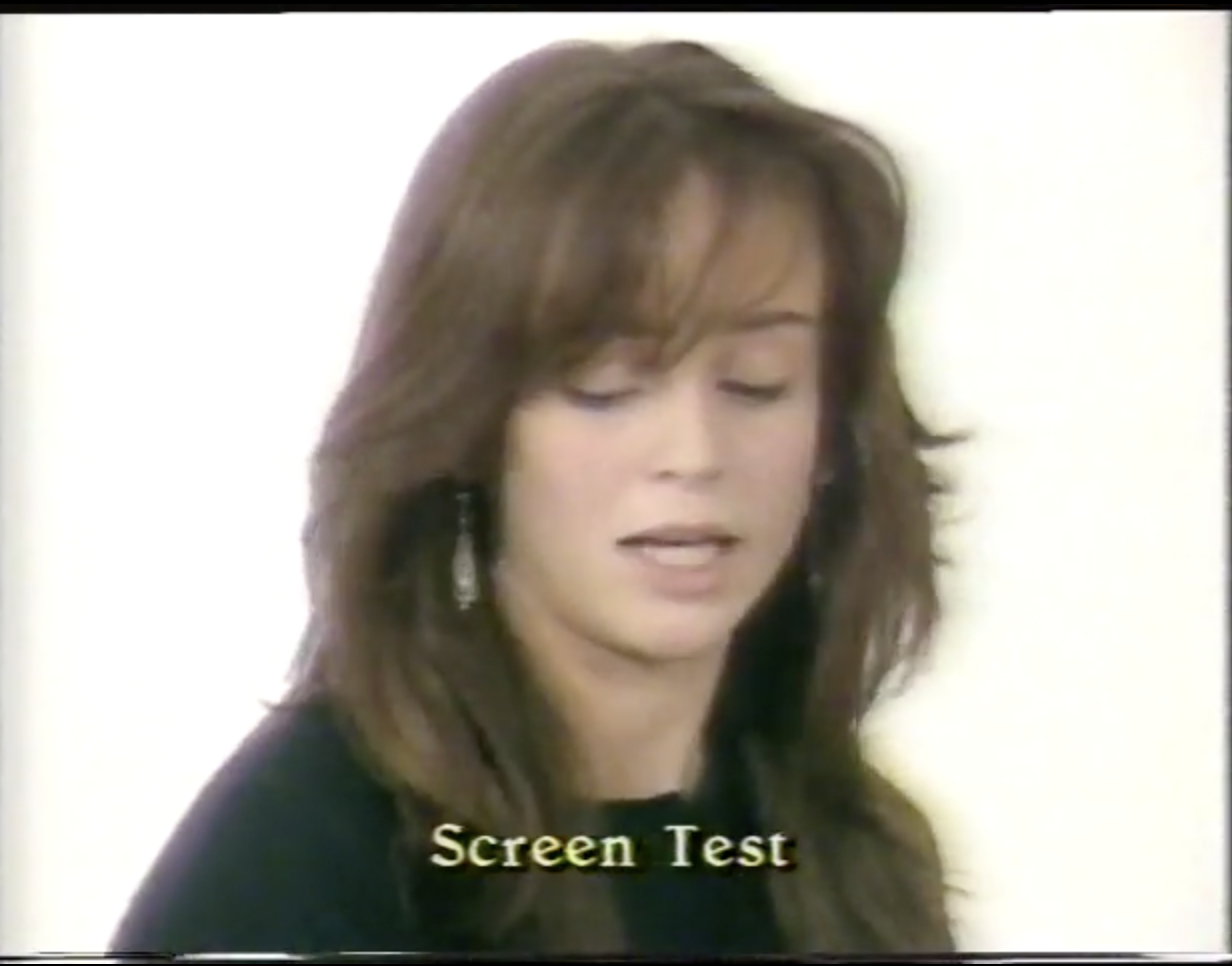
Sarah Patterson was a newcomer, and Jordan reportedly auditioned approximately 500 young actresses before choosing her.
He was looking for someone who could convey innocence while also suggesting the emotional and psychological changes taking place within the character.
Jordan described Patterson as having the glow and innocence of a 13-year-old, combined with the ability to project the sensuality of an older girl.
It was an unusual and potentially difficult balance to achieve, particularly given the film’s subject matter.
Angela Lansbury was cast as Rosaleen’s grandmother, bringing an unmistakable presence to the role. David Warner played Rosaleen’s father, while Micha Bergese, a dancer rather than a conventional film actor, portrayed the mysterious Huntsman.
Stephen Rea also appeared, and Terence Stamp turned up in an uncredited role as the Devil.
The casting contributes to the film’s peculiar atmosphere. These aren’t characters who seem entirely rooted in an ordinary world. They feel like figures emerging from folklore, childhood memories, and the darker corners of the imagination.
Patterson’s Rosaleen is the audience’s guide through this landscape. She is curious, increasingly self-aware, and beginning to understand that the stories adults tell children aren’t always as innocent as they appear.
Her grandmother’s warnings about wolves are particularly revealing.
The wolves in this film are men. Or, more accurately, men are sometimes wolves.
And the distinction isn’t always particularly comforting.
A Fairy Tale for Adults
The structure of The Company of Wolves is one of its most unusual qualities.
The film begins in the modern world, where a teenage girl named Rosaleen falls asleep and enters a dream. From there, the narrative moves into an elaborate fairy-tale landscape.
Her grandmother tells her stories about the dangers lurking in the woods. These stories aren’t simply interruptions in the main narrative. They build upon one another, creating a mythology of temptation, violence, and transformation.
Jordan understood that audiences accustomed to conventional storytelling might find the structure frustrating.
In an interview with Michael Dare for L.A. Weekly in April 1985, he explained:
“In a normal film you have a story with different movements that progress, develop, go a little bit off the trunk, come back, and end. In this film, the different movements of the plot are actually separate stories.”
The stories eventually build toward the fairy tale everybody recognizes.
But Carter and Jordan weren’t interested in simply repeating it.
The familiar story of Little Red Riding Hood has always contained a warning about the dangers of strangers, particularly men who present themselves as something other than what they are.
Carter’s interpretation takes that suggestion and runs with it.
The forest becomes a place of sexual awakening. The wolves represent masculine appetite and predatory behavior, while Rosaleen’s growing awareness of her own desires complicates the traditional distinction between innocence and danger.
There is a distinctly Freudian quality to the film, although it doesn’t feel like an academic exercise. The symbolism is frequently obvious, occasionally hilarious, and sometimes downright bizarre.
The film isn’t particularly subtle about what some of its imagery represents. It doesn’t need to be.
There is something wonderfully perverse about taking a fairy tale traditionally used to frighten children into obedience and turning it into a story about the complicated business of growing up.
Jordan described the film as a positive story, despite its macabre imagery. He suggested that it was about entering the world of nightmares, confronting them, and eventually shaking hands with them.
That is a rather lovely description of a film featuring this many severed heads and werewolf transformations.
Not everything went according to the original plan. One proposed ending involved Rosaleen diving into the floor of her bedroom, a surreal conclusion that was abandoned because of technical and budget limitations.
The finished film still ends in a way that reinforces its dreamlike construction, returning the audience to the uneasy relationship between the waking world and the fantasy that has consumed it.
A Strange Reception for a Strange Film
The Company of Wolves received considerable attention upon its release, although its unusual structure made it difficult to categorize.
It was screened at the Los Angeles Filmex festival in July 1984 and subsequently appeared at the Toronto International Film Festival in September. Its British theatrical release followed on September 21, 1984.
The film reportedly performed strongly in London during its initial run, an encouraging result for a production that had taken considerable creative and financial risks.
It received an adults-only 18 certificate in Britain. Sarah Patterson, still a minor, was consequently unable to attend the London premiere.
The American release came on April 19, 1985, through Cannon Film Distributors.
Cannon naturally had an interest in selling the film as a horror picture. The company had built a business around genre films, and a movie featuring werewolves, blood, and Angela Lansbury wasn’t the most difficult thing in the world to package.
But the filmmakers had created something considerably more complicated than a conventional monster movie.
The contemporary reviews reflected that divide.
Michael Dare, writing in L.A. Weekly during the American release, offered one of the most memorable descriptions:
“This is one of the strangest, most daring (and often impenetrable) cinematic fairy tales ever filmed. It will dazzle your eyes as it drives you up the wall.”
That’s a pretty good summary.
Some critics appreciated the visual ambition and the film’s willingness to challenge conventional narrative expectations. Others found the episodic structure frustrating, with the various stories interrupting rather than advancing what they considered the central plot.
Jordan was well aware that the film wasn’t going to satisfy everybody.
In the same L.A. Weekly coverage, he observed:
“This film is a challenge to people because so many other films these days are just story lines.”
It’s a rather pointed criticism, and one that feels particularly interesting when looking back at a decade increasingly dominated by sequels, franchises, and familiar genre formulas.
The film also attracted attention for its effects and production design. It received four BAFTA nominations in 1985, including recognition for costume design, makeup, production design, and special visual effects.
It also won Best Film and Best Special Effects at the 1985 International Fantasy Film Awards at Fantasporto.
Whatever its shortcomings, the movie had clearly accomplished something.
It had made people look.
The Company of Wolves Finds Its Audience
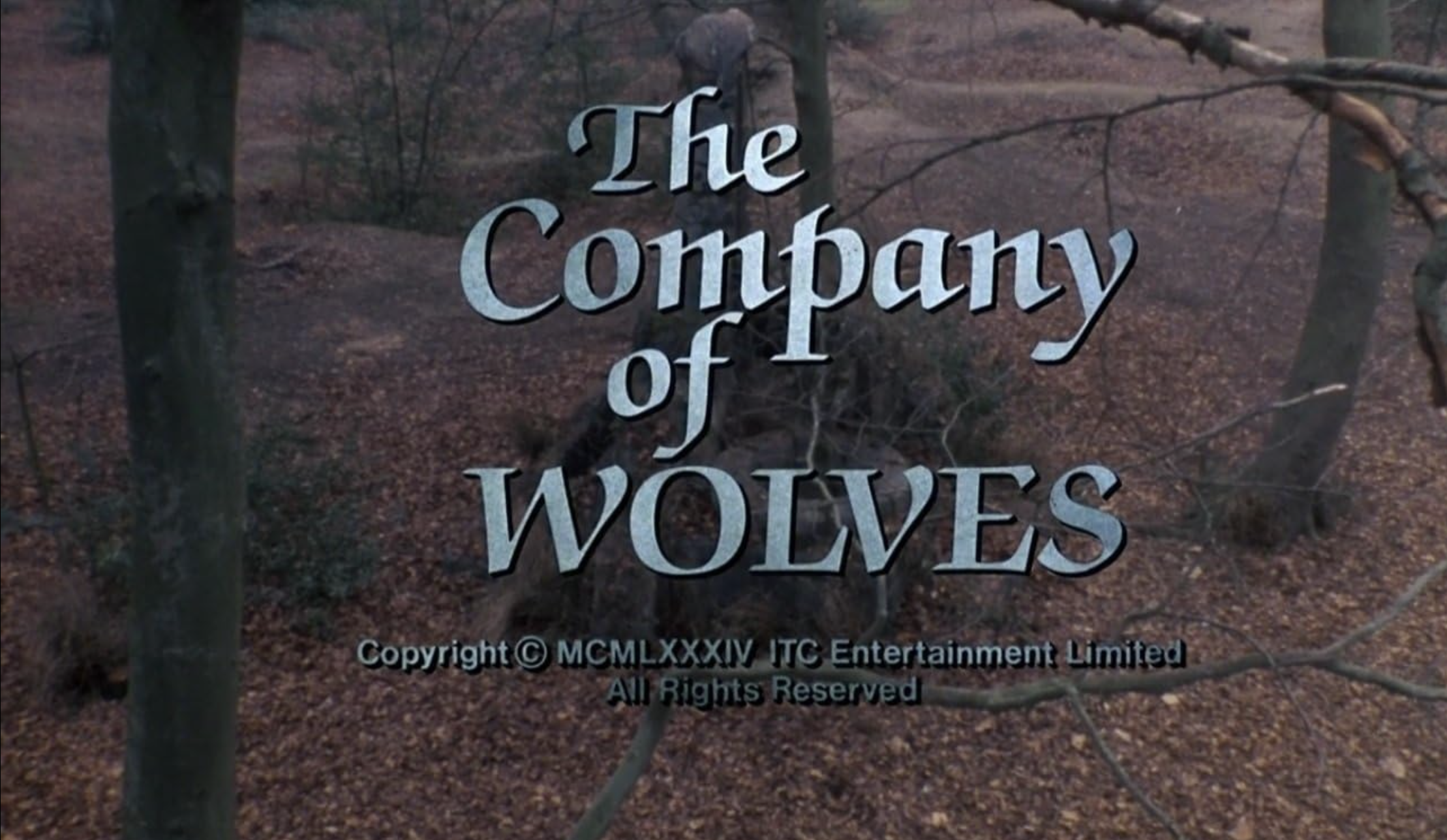
Like many unusual films from the period, The Company of Wolves found a longer life through home video.
Its theatrical release introduced audiences to the film, but VHS and subsequent special editions helped establish its cult following. Later DVD and Blu-ray releases, including editions featuring commentary and additional material, gave viewers an opportunity to revisit its complicated construction.
And repeated viewings are particularly rewarding.
The film is full of details that are easy to miss when you’re trying to follow the story. Its imagery is often more important than its dialogue, and its various narrative threads become more interesting once you stop expecting them to behave like a conventional screenplay.
It also occupies an interesting place in the history of fantasy horror.
The early 1980s had produced some extraordinary werewolf movies. The Howling and An American Werewolf in London had pushed the boundaries of practical makeup effects, while The Company of Wolves took the mythology in a more psychological direction.
Its influence can be seen in later films that explored female adolescence through horror and transformation. Movies such as Ginger Snaps would eventually revisit some of the same territory, using the monster movie as a way of examining the physical and emotional changes associated with growing up.
And then there’s Anton Furst’s extraordinary work.
His forest remains one of the most distinctive production designs of the decade. It is artificial, theatrical, and completely convincing on its own terms. It doesn’t look like a place that exists anywhere in the real world. It looks like a place that exists somewhere inside a particularly vivid imagination.
That is exactly what the film needed.
Neil Jordan would go on to make Mona Lisa, The Crying Game, Interview with the Vampire, and a number of other films that demonstrated his interest in complicated characters, strange relationships, and stories that resist easy categorization.
Stephen Woolley would continue building Palace Pictures into an important independent production and distribution company.
Their collaboration on The Company of Wolves was an early indication of what both men were capable of accomplishing when they were allowed to take a chance.
Don’t Be Afraid of the Big Bad Wolf
There’s a tendency to think of fairy tales as simple stories. Children are told not to wander into the woods, not to talk to strangers, and certainly not to trust anyone who looks suspiciously like a wolf.
But the original stories were rarely as innocent as the versions we grew up with.
Angela Carter understood that. Neil Jordan understood it, too.
The Company of Wolves takes those familiar stories and digs underneath them, finding the anxieties, desires, and uncomfortable truths that have always been hiding there.
It isn’t a particularly tidy movie. The narrative wanders, the symbolism occasionally hits you over the head, and some of its images seem to have been conceived during a fever.
But there’s something wonderfully ambitious about it.
At a time when the horror genre was becoming increasingly sophisticated in its ability to show us what a monster looked like, Jordan and Carter were more interested in asking why we were frightened of them in the first place.
The answer, naturally, is complicated.
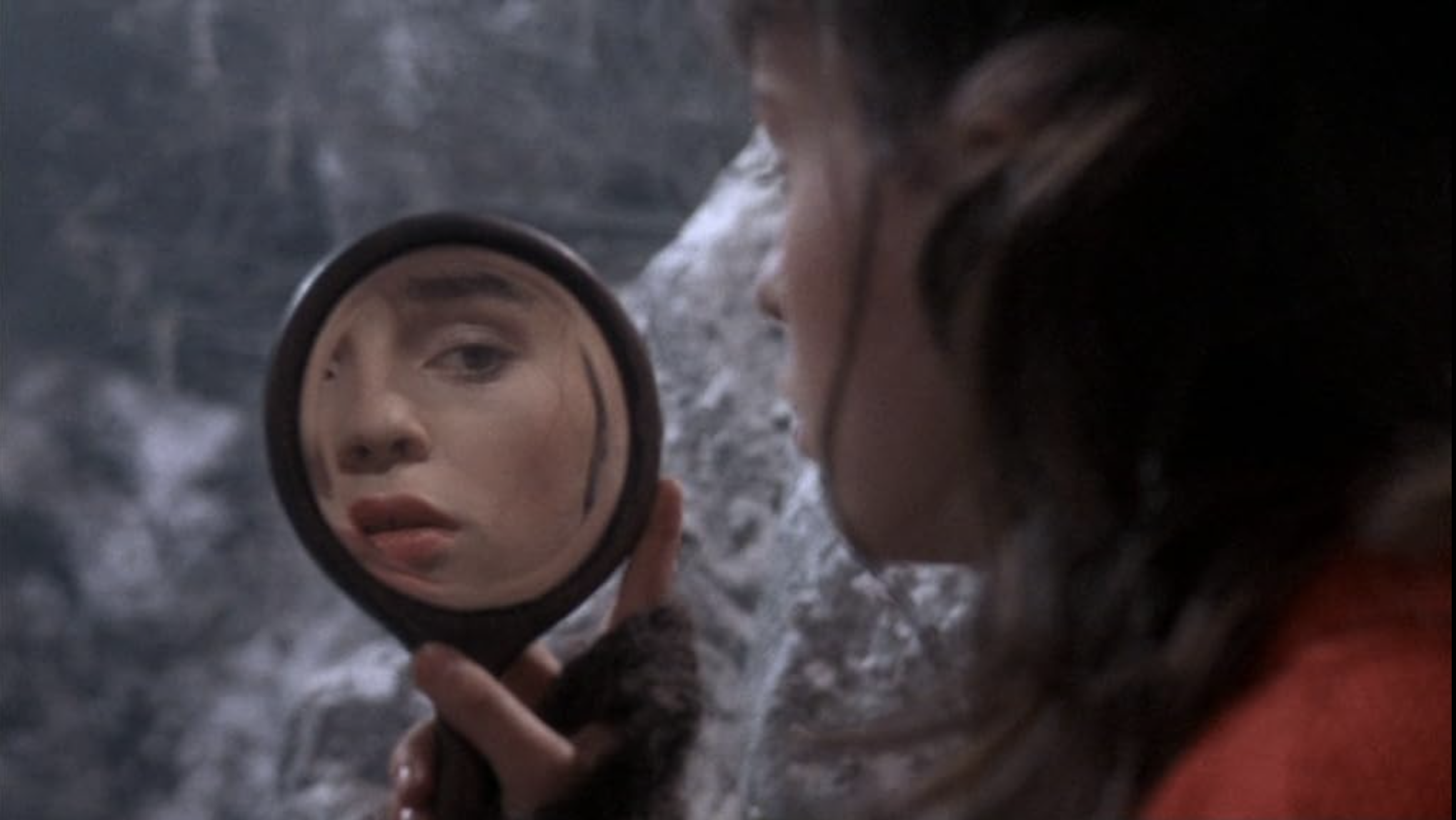
Sometimes the monster is in the woods. Sometimes it’s standing beside you. And sometimes, if we’re being honest, it’s looking back at us from the mirror.
The Company of Wolves invites us into the darkness, asks us to confront what we find there, and suggests that perhaps the best way to deal with our nightmares is to shake hands with them.
Just be careful who you invite home.
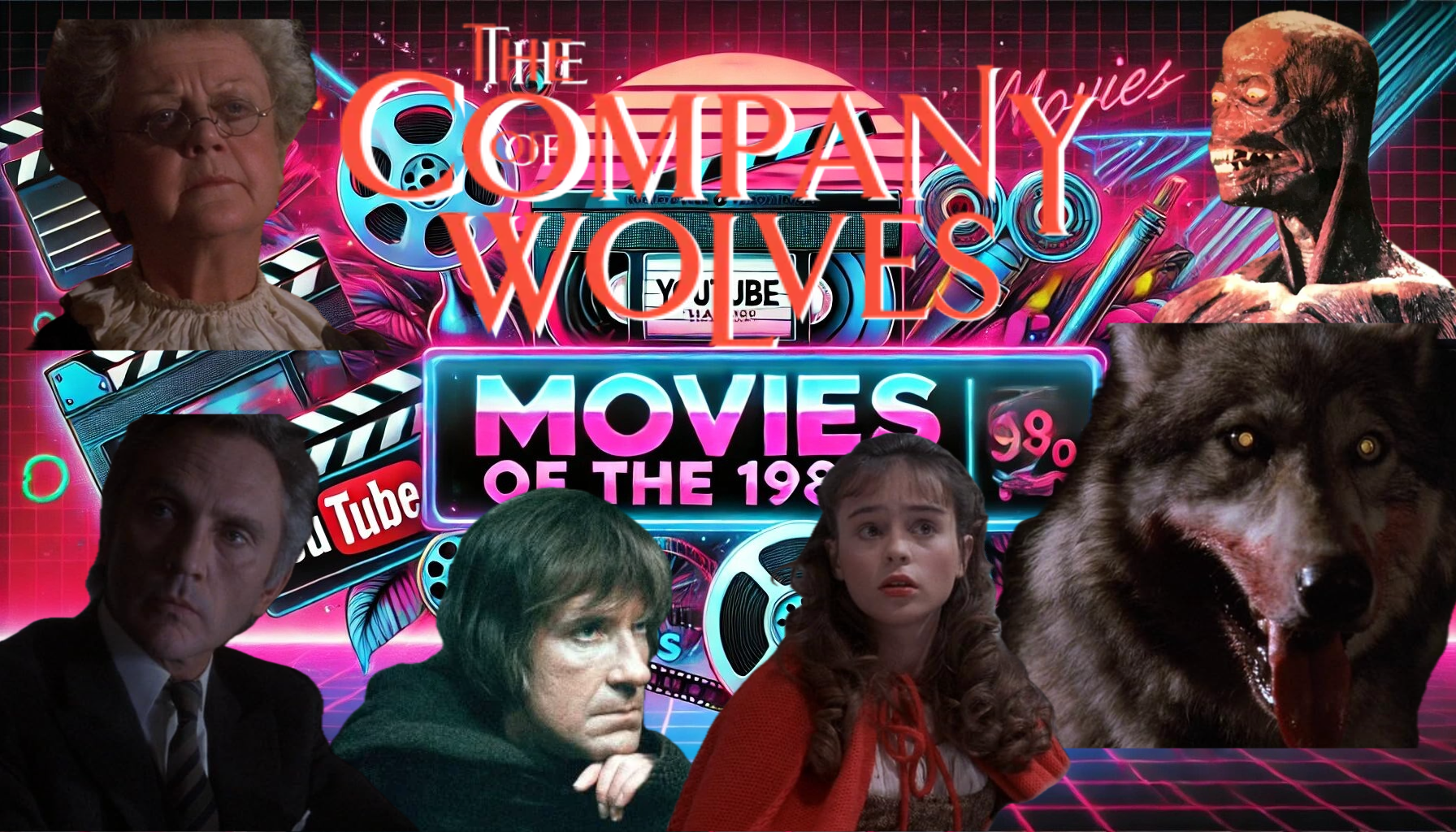
The story behind The Company of Wolves (1984), Neil Jordan and Angela Carter’s dark reimagining of Little Red Riding Hood, featuring Angela Lansbury, practical werewolf effects, and a dreamlike Gothic forest.
About the Creator
Movies of the 80s
We love the 1980s. Everything on this page is all about movies of the 1980s. Starting in 1980 and working our way the decade, we are preserving the stories and movies of the greatest decade, the 80s. https://www.youtube.com/@Moviesofthe80s
Enjoyed the story? Support the Creator.
Subscribe for free to receive all their stories in your feed.
Comments
There are no comments for this story
Be the first to respond and start the conversation.