
Ted Turner’s Impact on Professional Wrestling
Ted Turner Was The Force Behind the Massive Professional Wrestling Boom

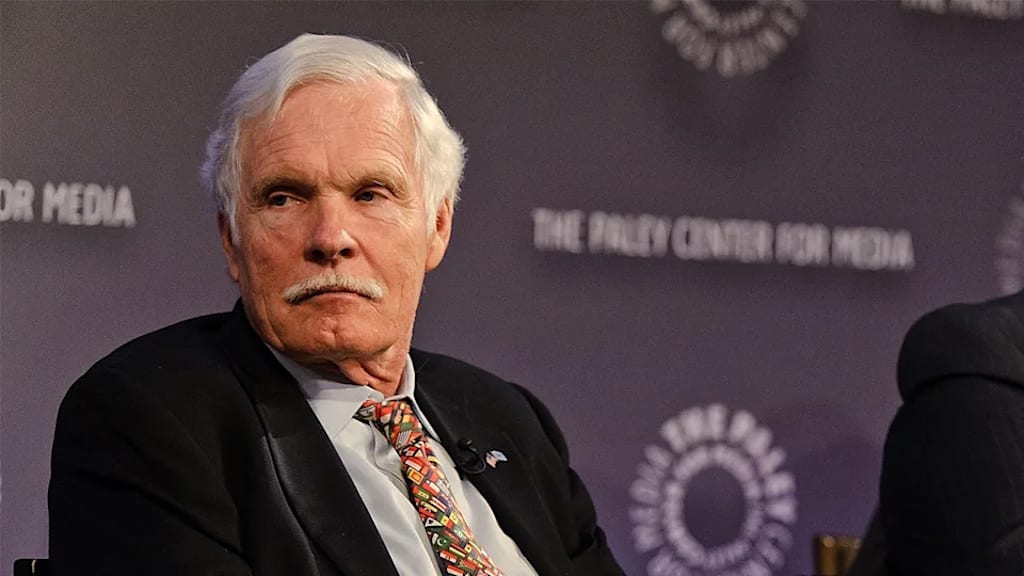
Few figures changed professional wrestling more than Ted Turner. Long before wrestling became a global entertainment machine dominated by billion-dollar television deals and streaming rights, Turner saw something many television executives ignored: wrestling could deliver loyal audiences week after week. His influence reshaped the industry, elevated Vince McMahon’s competition to dangerous levels, and helped create one of the most memorable eras in wrestling history.
Without Turner, the Monday Night Wars likely never happen. Without Turner, WCW never becomes a genuine threat to WWF. And without that rivalry, wrestling may never have experienced the explosive popularity boom of the late 1990s.
Ted Turner Gives Wrestling a National Platform
Before Turner entered the picture, professional wrestling was largely regional. Promotions operated within territories, traveling city to city and airing television in localized markets. WWF was beginning its national expansion in the 1980s, but many companies still struggled to gain consistent national exposure.
Turner changed that through his growing media empire, which included stations like TBS and TNT. In 1988, Turner’s company acquired Jim Crockett Promotions, which eventually became known as World Championship Wrestling, or WCW.
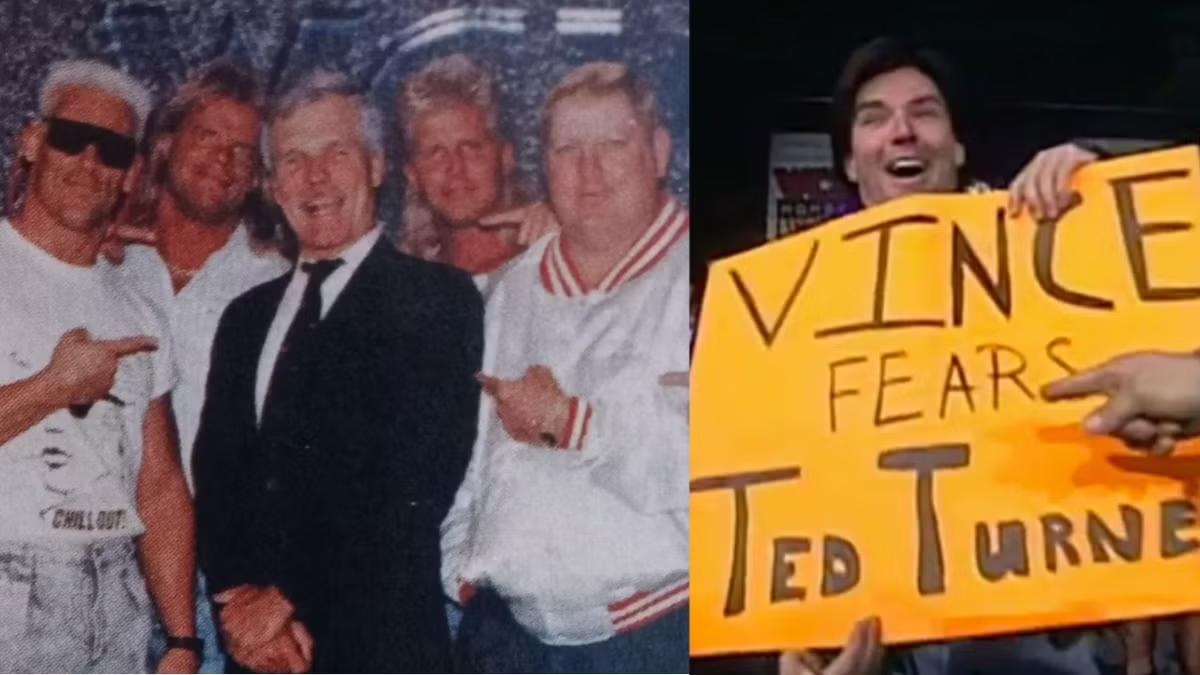
This acquisition was massive for the wrestling industry. Turner was not simply a fan investing money into a hobby project. He owned television networks. That meant WCW had guaranteed national TV exposure, something few wrestling companies could dream of at the time.
Turner reportedly loved wrestling and considered it valuable programming because it consistently delivered ratings. While many executives viewed wrestling as low-class entertainment, Turner recognized that wrestling fans were incredibly loyal viewers.
That support gave WCW stability at a time when other promotions were collapsing.
WCW Becomes WWF’s Greatest Rival
During the late 1980s and early 1990s, WWF was becoming the dominant force in wrestling under Vince McMahon. Stars like Hulk Hogan, Randy Savage, and The Ultimate Warrior turned WWF into a cultural phenomenon.
WCW initially struggled to compete creatively and financially. Despite Turner’s backing, the company lacked direction and consistency. But Turner’s willingness to spend money kept WCW alive long enough to eventually become dangerous.
That patience proved critical.
By the mid-1990s, Turner gave executive producer Eric Bischoff more power to aggressively challenge WWF. Turner approved major spending on talent contracts and television production. Most importantly, Turner allowed WCW to launch a live primetime Monday night show on TNT called WCW Monday Nitro in 1995.
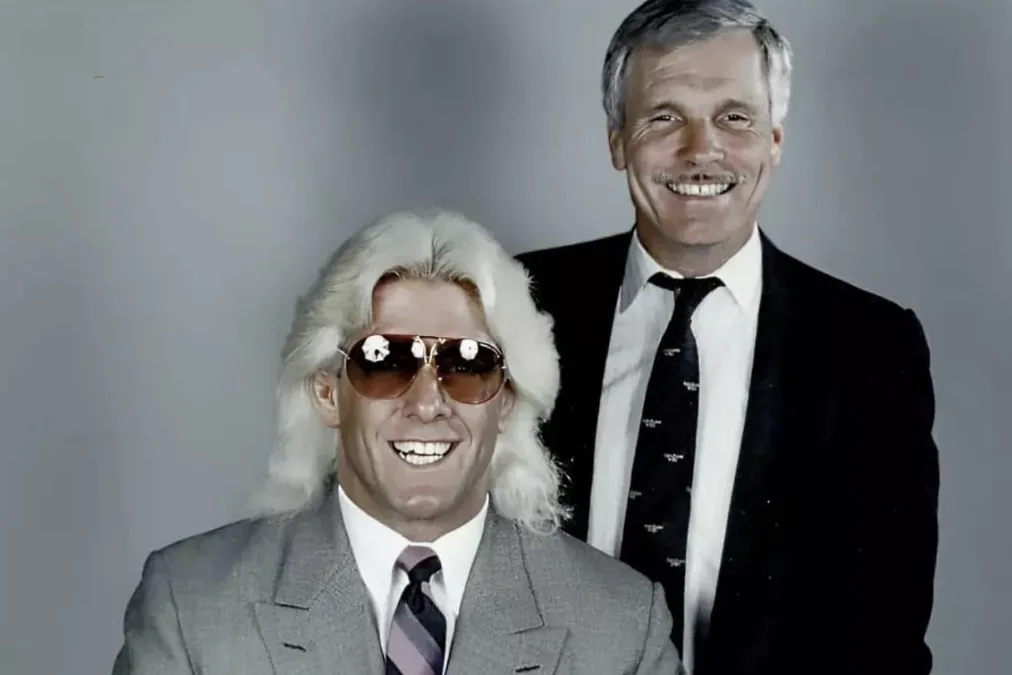
That decision directly challenged WWF’s WWF Monday Night Raw.
The Monday Night Wars had officially begun.
Ted Turner Helped Create the Wrestling Boom of the 1990s
Turner’s financial backing allowed WCW to sign major stars away from WWF. Hulk Hogan’s jump to WCW in 1994 completely changed the landscape. Soon after, names like Scott Hall and Kevin Nash shocked fans by leaving WWF for WCW.
Those moves helped launch one of wrestling’s most important storylines: the New World Order, commonly known as the NWO.
The NWO storyline transformed wrestling into edgy, unpredictable television. Ratings exploded. For 83 consecutive weeks, Nitro defeated Raw in the ratings. At one point, WCW looked unstoppable.
Turner’s willingness to invest heavily gave WCW advantages WWF could not easily match. WCW offered guaranteed contracts, lighter schedules, and massive salaries. WWF suddenly found itself fighting for survival.
Ironically, Turner’s support pushed Vince McMahon to reinvent WWF creatively. The pressure from WCW contributed heavily to the creation of the Attitude Era, featuring stars like Stone Cold Steve Austin, The Rock, and Triple H.
In many ways, Ted Turner indirectly helped WWF become even stronger.
Turner’s Biggest Strength Also Became WCW’s Weakness
While Turner’s passion for wrestling kept WCW alive, the company eventually suffered from excessive spending, backstage politics, and creative chaos.
Massive guaranteed contracts gave top stars enormous power. Creative control clauses limited management’s ability to make changes. Older stars remained in the spotlight while younger talent often struggled to break through consistently.
At the same time, WWF adapted faster. Vince McMahon embraced riskier storytelling and built new stars at the perfect moment.
WCW’s ratings eventually declined. Internal management changes inside Turner’s media empire also hurt the company. After the AOL-Time Warner merger, many executives reportedly viewed wrestling negatively and wanted it removed from their networks.
That shift proved devastating.
Even though Turner himself remained supportive of wrestling, he no longer had the same level of influence inside the company he built. In 2001, WWF purchased WCW, officially ending the Monday Night Wars.
For many fans, it felt like the end of an era.
Ted Turner’s Lasting Legacy in Wrestling
Ted Turner’s influence on wrestling remains enormous decades later. He legitimized wrestling as valuable cable television programming during a time when many media executives dismissed it. His financial backing allowed WCW to grow into WWF’s only true national rival.
Most importantly, competition forced both companies to improve.
The creative risks, unforgettable characters, and explosive popularity of late-1990s wrestling happened largely because WCW and WWF were battling for survival every single Monday night.
Turner helped make that possible.
Today, wrestling promotions still rely heavily on television rights deals, network exposure, and media partnerships — a business model Turner helped pioneer in wrestling decades ago.
His role was not simply that of an owner writing checks. Ted Turner fundamentally changed the way professional wrestling was presented, distributed, and consumed by audiences worldwide.
About the Creator
Lawrence Lease
Alaska born and bred, Washington DC is my home. I'm also a freelance writer. Love politics and history.
Enjoyed the story? Support the Creator.
Subscribe for free to receive all their stories in your feed.
Comments
There are no comments for this story
Be the first to respond and start the conversation.