social media
Social Media targeted at influencers and trending topics in the geek universe.
Bahama Breeze. AI-Generated.
Bahama Breeze has long been a go-to destination for those seeking a taste of the Caribbean without leaving the United States. Known for its vibrant tropical décor, lively music, and flavorful menu, the restaurant chain has built a reputation for transporting diners to sun-soaked islands through both food and ambiance. But recent news of potential Bahama Breeze closing locations has raised questions about the future of this once-thriving chain. A Caribbean Experience in Every Visit Founded in 1996 by Darden Restaurants, Bahama Breeze has always aimed to offer more than just a meal—it promises an experience. Guests are greeted with colorful, island-inspired interiors, palm-lined patios, and music that evokes the relaxed energy of the Caribbean. The menu is equally immersive, featuring dishes like jerk chicken, coconut shrimp, and tropical cocktails that capture the essence of island cuisine. For many, Bahama Breeze has served as a reliable spot for celebrations, casual dinners, and even date nights. Its ability to combine flavorful food with a vacation-like atmosphere has helped it stand out in the crowded casual dining market. The Business Behind Bahama Breeze Like many sit-down dining chains, Bahama Breeze is part of a larger corporate structure. Owned by Darden Restaurants, which also operates Olive Garden and LongHorn Steakhouse, the chain has benefited from shared resources, marketing strategies, and supply chain efficiencies. However, the casual dining industry has faced significant challenges in recent years. Changes in consumer behavior, the rise of delivery apps, and the lingering effects of the COVID-19 pandemic have pressured many chains to rethink their strategies. Even popular establishments like Bahama Breeze have not been immune. Rumors of Bahama Breeze Closing In recent months, there have been growing concerns over Bahama Breeze closing certain locations. While the chain has not confirmed a complete shutdown, some reports suggest that underperforming restaurants may be shuttered as part of a strategic restructuring. This is not unusual in the restaurant industry, where companies frequently adjust their portfolios to focus on profitable markets. For customers, news of potential closures can be unsettling. Many regulars have developed a sense of loyalty to Bahama Breeze, making it more than just a place to eat. The restaurant's atmosphere, combined with its distinctive menu, has created a community feeling that is difficult to replace. Why Closures Might Be Happening Several factors could contribute to Bahama Breeze closing locations. Rising operational costs, including rent, labor, and food prices, have impacted profitability across the casual dining sector. Additionally, the increasing popularity of fast-casual dining, where meals are quicker and often less expensive, has shifted consumer preferences. Moreover, the surge in delivery and takeout options has transformed the dining landscape. While Bahama Breeze does offer these services, the restaurant’s experience-focused model makes it challenging to fully replicate the in-person ambiance through a meal delivered to your home. Impact on Employees and Communities If closures do occur, the effects will extend beyond the dining experience. Employees face potential job losses, and communities that have come to view Bahama Breeze as a local gathering spot may lose a beloved destination. Many fans have expressed concern on social media, emphasizing the emotional connection they have with the restaurant. This response underscores a broader trend in the restaurant industry: dining establishments are not just businesses—they are cultural touchstones. Losing a location can feel like losing a piece of community identity. What the Future Holds for Bahama Breeze Despite these challenges, Bahama Breeze is not necessarily doomed. Restructuring can sometimes allow a company to focus on its strongest markets and invest in locations that offer the most potential. It is possible that rather than disappearing entirely, the chain may evolve its concept to better match current dining trends. For example, enhancing digital ordering, expanding delivery options, or introducing limited-time menu items can help attract new customers while retaining loyal ones. There’s also potential for reimagining the physical space to create even more engaging experiences for diners. Customer Loyalty Remains Strong One thing that stands out is the loyalty Bahama Breeze has cultivated over decades. Many patrons view it as a reliable escape to a tropical paradise, offering comfort, flavor, and fun. This loyalty is a powerful asset, especially in times of uncertainty. Customers who feel a connection to the brand can help sustain it, whether through repeat visits, online engagement, or positive word-of-mouth. Conclusion Bahama Breeze has long been a cherished destination for those seeking a Caribbean-inspired dining experience in the United States. While the specter of Bahama Breeze closing locations has caused concern among fans, it is also part of the natural evolution of the restaurant industry. Strategic changes, though sometimes difficult, can position the chain for a more sustainable future. As the dining landscape continues to shift, Bahama Breeze’s ability to adapt while maintaining its signature tropical charm will be critical. For now, fans can continue to enjoy the colorful ambiance, flavorful dishes, and island-inspired cocktails that have made Bahama Breeze a unique and memorable part of the casual dining world. Whether it survives, evolves, or faces closures, the brand has already left a lasting mark on the hearts of its patrons.
By Saboor Brohi 9 months ago in Geeks
Mitch McConnell. AI-Generated.
Few figures in modern American politics have wielded as much behind-the-scenes influence as Mitch McConnell. For decades, the Kentucky Republican has been a central force in the U.S. Senate, shaping legislation, judicial appointments, and party strategy with a methodical and disciplined approach. Whether admired for his political skill or criticized for his tactics, McConnell’s impact on American governance is undeniable.
By Saboor Brohi 9 months ago in Geeks
Delta Flight Emergency Landing. AI-Generated.
Air travel is widely regarded as one of the safest modes of transportation, yet headlines about a Delta flight emergency landing can quickly raise concern among passengers and the public. While the phrase itself sounds alarming, emergency landings are often precautionary measures rather than reactions to immediate danger. Understanding what they involve—and why they happen—offers valuable insight into how modern aviation prioritizes safety above all else.
By Saboor Brohi 9 months ago in Geeks
The 2026 Winter Olympics. AI-Generated.
Every four years, the Winter Olympics bring together athletes, cultures, and stories from across the globe. The 2026 Winter Olympics promise to continue that tradition while also marking a turning point in how the Games are hosted, experienced, and remembered. With a unique host model, iconic alpine settings, and a packed Olympics schedule, the upcoming event is already shaping up to be one of the most talked-about Winter Games in recent history.
By Saboor Brohi 9 months ago in Geeks
What Breaks First in Mobile App Development Austin Builds Today?
I remember the third sprint review like a foggy afternoon — nothing felt dramatic. Commits were landing. The team reported on progress. Features slid into the staging branch. I nodded. I didn’t see anything that looked like a fire.
By Samantha Blake9 months ago in Geeks
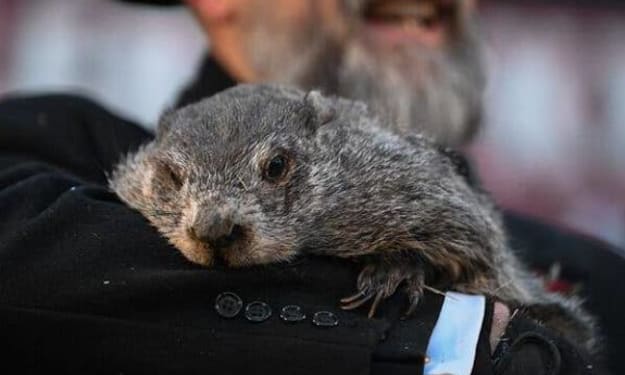
Groundhog Day Highlights: Punxsutawney Phil Predicts Six More Weeks of Winter. AI-Generated.
Every year on February 2, a small town in western Pennsylvania becomes the center of national attention. Punxsutawney, home to fewer than 6,000 residents, hosts one of the most enduring folk traditions in the United States: Groundhog Day. Before sunrise, crowds gather at Gobbler’s Knob, cameras roll, and all eyes turn to Punxsutawney Phil. This year, as has happened many times before, Phil emerged from his burrow, spotted his shadow, and signaled six more weeks of winter. While meteorologists rely on satellites, computer models, and decades of data, Groundhog Day offers something different—ritual, humor, and a sense of shared anticipation. Phil’s prediction may not be scientific, but it continues to capture public imagination in a way few weather events can. A Tradition Rooted in History Groundhog Day traces its origins to European settlers, particularly those of German descent, who brought with them Candlemas traditions. In old folklore, if an animal saw its shadow on this day, winter would persist; if not, spring would arrive early. In Pennsylvania, where groundhogs were plentiful, the animal naturally took center stage. Punxsutawney Phil made his first recorded prediction in 1887, giving the event more than a century of continuity. Over time, the celebration grew from a local curiosity into a nationally recognized event, complete with live television broadcasts and thousands of visitors traveling from across the country. What Happened This Year As dawn broke on Groundhog Day, members of the Punxsutawney Groundhog Club—dressed in their signature tuxedos and top hats—announced Phil’s verdict. According to the ceremony, Phil saw his shadow, meaning winter is expected to linger for six more weeks. The crowd reacted with a mix of cheers, groans, and laughter. For some, the idea of extended cold weather is unwelcome. For others, it’s simply part of the fun. After all, Phil’s forecast has become less about accuracy and more about tradition. How Accurate Is Punxsutawney Phil? One of the most common questions surrounding Groundhog Day is whether Phil is actually reliable. By most statistical measures, his predictions fall short of modern forecasting standards. Various analyses suggest his accuracy rate is well below 50 percent. But focusing solely on accuracy misses the point. Groundhog Day isn’t meant to replace professional meteorology. Instead, it offers a symbolic midpoint of winter, a moment when people collectively ask, “How much longer?” Meteorologists themselves often embrace the event with good humor, using it as an opportunity to engage the public in discussions about seasonal patterns and climate trends. Why People Still Care In an age of constant news alerts and digital overload, Groundhog Day stands out because it is simple and familiar. The rules never change. The outcome is binary. And the main character—a groundhog—remains blissfully unaware of the attention. For many Americans, Groundhog Day is tied to childhood memories, school lessons, or even the iconic 1993 film Groundhog Day, which further cemented Phil’s place in pop culture. The event offers a rare sense of continuity in a world that often feels unpredictable. Economic and Cultural Impact The annual celebration provides a significant boost to Punxsutawney’s local economy. Hotels fill up, restaurants see increased traffic, and souvenir sales spike. For a small town, Groundhog Day is both a cultural honor and an economic lifeline. Beyond Pennsylvania, the event inspires similar celebrations across North America, with local groundhogs offering their own predictions. While Phil remains the most famous, he is far from alone in his forecasting duties. Winter Fatigue and the Psychology of the Prediction Phil’s forecast of six more weeks of winter often resonates emotionally. By early February, many people are tired of cold mornings, short days, and icy roads. The promise of spring feels close, yet just out of reach. Psychologists note that events like Groundhog Day help people mentally mark time. Even a disappointing prediction can be oddly comforting because it provides structure and a shared experience. Knowing that millions of others are reacting to the same announcement creates a subtle sense of connection. Looking Beyond the Shadow While Punxsutawney Phil predicts six more weeks of winter, actual weather conditions will vary widely depending on region. Some areas may experience early warmth, while others could face late-season snowstorms. Climate variability means that winter and spring often overlap in unpredictable ways. Still, Phil’s message serves as a reminder that winter is a season with its own rhythm. For some, that means more time for cozy routines. For others, it’s motivation to start planning for the warmer days ahead. A Tradition That Endures Year after year, Punxsutawney Phil emerges from his burrow, and people keep watching. Whether he predicts an early spring or prolonged winter, the result sparks conversation, humor, and reflection. In the end, Groundhog Day isn’t really about weather. It’s about continuity, community, and the small rituals that help people navigate the passing of time. As Phil predicts six more weeks of winter, the message is clear: spring will come eventually, and until then, there’s comfort in tradition—even if it comes from a groundhog’s shadow.
By Saboor Brohi 9 months ago in Geeks
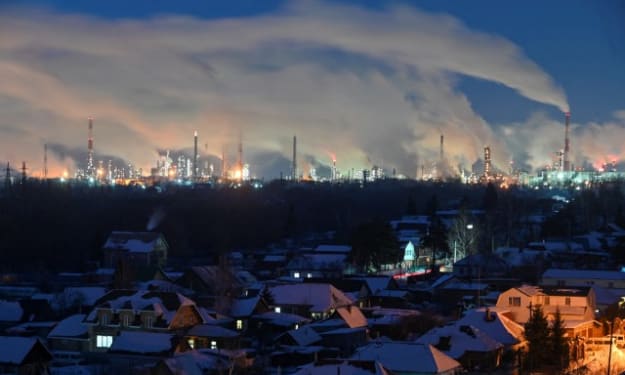
Crude Picks Up As U.S.-India Trade Deal to Affect Russian Oil. AI-Generated.
Global oil prices edged higher this week as investors digested the implications of a potential U.S.–India trade deal that could significantly alter India’s reliance on Russian crude. While the move in prices was modest, the underlying message from the market was clear: shifts in geopolitical alliances and trade frameworks continue to ripple through energy markets, influencing supply routes, pricing power, and long-term strategies for both producers and consumers. A Market Sensitive to Signals Crude oil markets are famously sensitive not just to hard data like inventories and production levels, but also to diplomatic signals. The prospect of deeper trade cooperation between the United States and India has introduced a new layer of uncertainty—particularly around India’s future oil sourcing strategy. Since 2022, India has emerged as one of the largest buyers of discounted Russian crude, taking advantage of price caps and sanctions-driven market distortions. Any indication that New Delhi might rebalance its imports away from Russia and toward alternative suppliers has immediate implications for global crude demand patterns. Traders appear to be factoring in the possibility that Russian barrels could face reduced demand from one of their key outlets, tightening supply elsewhere and lending support to prices. India’s Strategic Balancing Act India sits at a complex crossroads. As the world’s third-largest oil importer, it must secure reliable, affordable energy to sustain economic growth. Russian oil has played a crucial role in this strategy over the past few years, offering steep discounts that helped India manage inflation and protect its trade balance. However, India has also been careful to maintain strong diplomatic and economic ties with the United States. A broader trade deal with Washington—covering technology, defense, manufacturing, and energy—could incentivize India to diversify its crude imports further. U.S. policymakers have consistently encouraged allies and partners to reduce dependence on Russian energy, and energy cooperation is often a quiet but important component of such agreements. This does not mean India will abruptly cut off Russian oil. Instead, analysts expect a gradual recalibration, where Russian crude becomes a smaller share of a more diversified import portfolio. Even incremental changes, though, can move markets. Implications for Russian Oil For Russia, India has been a critical buyer as European demand collapsed following sanctions and political fallout. If India reduces purchases—even slightly—it could force Russian exporters to offer deeper discounts or seek new markets, both of which would pressure revenues. That pressure could have knock-on effects. Russian production has remained relatively resilient, but its pricing power has weakened. A sustained shift by India would further tilt the balance against Moscow, reinforcing the idea that sanctions, while imperfect, are reshaping global energy flows over time rather than overnight. From a market perspective, reduced flexibility in placing Russian barrels could tighten supplies of non-Russian crude grades, particularly in Asia. That tightening is one reason crude prices have found some upward momentum on the news. U.S. Energy and Trade Interests The United States, now one of the world’s largest oil producers, has a different but complementary set of interests. While the U.S. is less dependent on oil exports than some producers, it has steadily increased shipments of crude and refined products to Asia. A stronger trade relationship with India could open doors for more U.S. energy exports, even if they only replace a fraction of Russian volumes. Beyond direct oil flows, energy cooperation often includes investments in infrastructure, strategic reserves, and cleaner energy technologies. These broader ties can reshape long-term demand expectations, influencing how traders price future supply risks. Why Prices Are Rising—But Not Surging Despite the positive price reaction, crude has not surged dramatically. That restraint reflects countervailing forces in the market. Global demand growth remains uneven, with concerns about economic slowdowns in parts of Europe and mixed signals from China. At the same time, supply from OPEC+ remains a key variable, with production discipline balancing against the temptation to increase output at higher prices. In this context, the U.S.–India trade discussion acts more as a supportive factor than a decisive catalyst. It adds to a broader narrative of tightening geopolitical constraints rather than delivering an immediate supply shock. The Bigger Picture: Fragmented Energy Globalization What makes this development noteworthy is how it fits into a larger trend. The global oil market is becoming more fragmented, shaped by regional alliances, sanctions, and strategic trade deals rather than purely by price efficiency. Countries are increasingly willing to pay a premium—or accept logistical complexity—in exchange for political alignment and long-term security. For India, that means balancing affordability with diplomacy. For the U.S., it means leveraging trade to reinforce geopolitical goals. For Russia, it underscores the long-term cost of isolation from major Western economies. Looking Ahead In the near term, traders will watch for concrete details: official statements, timelines, and any mention of energy clauses within a U.S.–India trade framework. Inventory data, refinery runs, and OPEC+ signals will continue to drive day-to-day price movements, but the strategic direction is becoming clearer. Crude’s recent pickup is less about immediate barrels and more about future expectations. Markets are betting that even gradual changes in India’s oil sourcing could tighten non-Russian supply and reshape pricing dynamics across Asia. Whether that bet pays off will depend on how quickly diplomacy turns into policy—and how flexible global producers prove to be in response. For now, oil prices are doing what they do best: reflecting not just what is happening, but what might happen next.
By Saboor Brohi 9 months ago in Geeks
PayPal Stock. AI-Generated.
PayPal Holdings, Inc. — known on Wall Street by its ticker PYPL stock — is at an inflection point. Once a standout growth story of the digital finance era, the company’s recent financial results and leadership changes have sparked debate among investors about its future direction. For anyone watching PYPL, the combination of earnings performance and executive shifts offers a clearer lens into where this fintech stalwart is headed. A Shifting Leadership Landscape Perhaps the most striking news for PayPal this quarter is the change in leadership. Enrique Lores — formerly President and CEO of HP Inc. and a longtime PayPal board member — has been appointed as the company’s new President and Chief Executive Officer, effective March 1, 2026. He succeeds Alex Chriss, who led the company through a period of strategic transformation but faced criticism from the board for the pace of progress relative to market expectations. Jaime Miller, PayPal’s Chief Financial and Operating Officer, will serve as interim CEO until Lores formally takes the helm. Lores’s background blends operational rigor with technology leadership. At HP, he oversaw a pivot toward services and subscription-based offerings, helping navigate a mature hardware business through a changing tech landscape. His appointment suggests that PayPal’s board is looking for seasoned execution — and a renewed focus on growth metrics that matter to shareholders and customers alike. For Alex Chriss, the transition feels like a natural evolution rather than a rejection of his work. Chriss guided the company through several strategic moves — including prioritizing profitable growth and advancing core product offerings like Venmo and branded checkout — even if the results didn’t fully satisfy market expectations. Earnings That Missed Expectations While leadership changes dominate headlines, the fundamental business performance tied to PayPal earnings is what truly moved investors’ decisions. In the company’s latest quarterly report, revenue and profit both came in below Wall Street estimates. Adjusted earnings per share (EPS) of $1.23 missed analyst forecasts of around $1.28, and revenue of roughly $8.68 billion fell short of expectations near $8.79 billion. Also noteworthy is the guidance outlook for 2026. PayPal projected only modest growth — or even a slight contraction — in earnings compared with broader market expectations for more robust expansion. Combined with slower growth in its branded checkout segment (which is traditionally higher-margin), these results contributed to a sharp drop in PYPL stock price — down more than 15% in premarket trading following the earnings release. These numbers paint a picture of a company that is still generating significant volume and maintaining a large global footprint, but one that hasn’t yet fully reversed slowing growth trends in key business lines. That’s especially important for long-term investors who have been watching PYPL’s stock performance relative to peers and broader markets. Context Behind the Numbers: Business Momentum and Challenges Digging beneath the headlines reveals a more nuanced story. Over the past few years, PayPal made tangible progress in several strategic areas: Venmo and Buy Now, Pay Later (BNPL): PayPal has steadily expanded offerings in branded experiences and value-added services. Venmo in particular continues to grow its user base and revenue footprint. Shift to profit-centered growth: The company has intentionally focused on higher-margin business lines and trimmed exposure to lower-margin segments. This “quality over quantity” approach is typical of businesses aiming for durable long-term cash flow. New revenue avenues: Initiatives like PayPal’s ads manager and partnerships aimed at integrating payments into broader digital ecosystems suggest PayPal is thinking beyond its original remit of simple online transactions. But these strategic moves haven’t translated into the consistent acceleration in earnings growth many investors want to see. That lag is reflected in price performance: PYPL stock has struggled to recover toward its historical highs and has significantly lagged indices like the S&P 500 over the past couple of years. What This Means for Shareholders Today’s PayPal is a complex mix of strength and uncertainty. On the positive side: It remains a dominant player in digital payments, with millions of active accounts worldwide. Its platforms — especially Venmo — have become embedded in everyday consumer behavior. Strategic initiatives around automation, branded experiences, and marketplace integrations give the company multiple levers for future revenue growth. At the same time, investors must weigh: Current earnings that fall short of expectations. Competitive pressures from both fintech upstarts and tech giants like Apple and Google expanding their payment ecosystems. Leadership transitions that, while promising, introduce short-term uncertainty. For long-term shareholders, the key question isn’t just where PYPL stock is trading today — it’s whether the company’s strategic repositioning under Enrique Lores will meaningfully accelerate earnings growth and re-energize investor confidence. A Turning Point, Not a Turning Back PayPal’s situation today feels less like a crisis and more like a transition. Leadership change — especially one that brings in a seasoned executive like Enrique Lores — often signals a company’s recognition of evolving competitive realities and the need for sharpened execution. For traders and long-term holders alike, PYPL stock remains a compelling story precisely because of its dual identity: a proven payments giant with deep roots in digital commerce, and a company actively reinventing itself to meet the challenges of a rapidly changing financial landscape. Whether this chapter ultimately leads to renewed growth and a rebound in market valuation will depend on how well the new leadership can harness innovation, strengthen core revenue drivers, and translate strategy into measurable earnings performance — the very metrics that matter most to investors.
By Saboor Brohi 9 months ago in Geeks
Buoyed by Kennedy’s Success, MAHA Groups Take Aim at State Vaccine Laws. AI-Generated.
In recent years, vaccine policy in the United States has largely followed a predictable path. States tightened school immunization requirements, public health agencies emphasized scientific consensus, and opposition movements struggled to gain broad political traction. That balance is now shifting. Buoyed by the growing influence and visibility of Robert F. Kennedy Jr., groups aligned with the “Make America Healthy Again” (MAHA) movement are increasingly targeting state-level vaccine laws, hoping to translate national momentum into local policy change. The renewed energy behind these efforts reflects a broader transformation in American health politics—one that blends skepticism of federal authority, concerns about pharmaceutical influence, and a push for expanded personal choice in medical decision-making. Kennedy’s Role as a Catalyst Robert F. Kennedy Jr.’s rise as a prominent national figure has been central to this shift. Long known for his environmental advocacy, Kennedy has also become one of the most recognizable critics of current vaccine policy. His success in capturing media attention and mobilizing grassroots supporters has provided legitimacy and visibility to groups that once operated on the political margins. For MAHA-aligned organizations, Kennedy represents proof that vaccine skepticism can resonate with a wide audience. His messaging—focused on transparency, informed consent, and questioning entrenched institutions—has helped reframe vaccine debates away from fringe rhetoric and toward themes of civil liberties and parental rights. As a result, state lawmakers are now facing coordinated advocacy efforts that are more organized, better funded, and politically savvy than in the past. Why States Are the New Battleground While federal vaccine mandates are limited, states hold significant power over immunization requirements, particularly for school attendance. Over the past decade, several states removed or narrowed religious and philosophical exemptions, citing public health concerns and outbreaks of preventable diseases. These changes were widely supported by medical organizations but deeply resented by vaccine-hesitant communities. MAHA groups see an opportunity to reverse or soften these laws. Rather than challenging federal agencies directly, they are focusing on state legislatures, school boards, and ballot initiatives. This localized strategy allows activists to tailor their messaging to regional concerns and build coalitions with parents, libertarians, and lawmakers wary of centralized authority. In states like Idaho, Texas, and Florida, proposed bills have already emerged that would expand exemption options or limit the enforcement powers of public health departments. Even when such bills fail, advocates argue they help shift public conversation and normalize skepticism of existing vaccine mandates. Messaging That Resonates One of the most notable changes in the current movement is tone. Instead of outright rejecting vaccines, many MAHA groups emphasize choice, transparency, and medical freedom. They often acknowledge the role vaccines have played in public health while arguing that one-size-fits-all policies ignore individual risk factors and parental judgment. This approach has proven effective in attracting supporters who might not identify as “anti-vaccine” but are uneasy about mandates. By focusing on personal stories, concerns about side effects, and distrust of pharmaceutical lobbying, MAHA activists position themselves as advocates for accountability rather than opposition for its own sake. The language of health autonomy also aligns with broader cultural trends, including skepticism of large institutions and a growing interest in alternative wellness practices. In this context, vaccine policy becomes part of a larger debate about who controls healthcare decisions—the individual or the state. Pushback From Public Health Experts Public health officials and medical professionals remain deeply concerned about these developments. They warn that weakening vaccine laws could lead to lower immunization rates and increased outbreaks of diseases like measles and whooping cough. From their perspective, state mandates exist not to limit freedom, but to protect vulnerable populations who cannot be vaccinated for medical reasons. Critics of the MAHA movement also argue that Kennedy’s influence risks amplifying misinformation. They point out that vaccines undergo extensive testing and monitoring, and that the overwhelming consensus among scientists supports their safety and effectiveness. For these experts, the politicization of vaccine policy threatens decades of progress in disease prevention. Still, even some public health advocates acknowledge that trust has eroded. Pandemic-era policies, conflicting messages, and rapid changes in guidance left many Americans confused and skeptical. MAHA groups are capitalizing on that distrust, filling a vacuum that institutions have struggled to address. The Legal and Political Road Ahead Changing state vaccine laws is not easy. Many of the stricter mandates were enacted after serious outbreaks and enjoy strong support from medical associations. Courts have historically upheld states’ authority to require vaccinations in the interest of public health. However, MAHA activists are playing a long game. By electing sympathetic lawmakers, supporting primary challengers, and influencing local school policies, they hope to gradually reshape the legal landscape. Even incremental changes—such as expanded reporting requirements or limits on emergency powers—can have lasting effects. The movement’s success will likely vary by region. States with strong libertarian traditions or conservative legislatures may be more receptive, while others remain firmly aligned with established public health frameworks. A Debate Far From Over The growing influence of MAHA groups signals that vaccine policy is entering a new phase of debate. Kennedy’s prominence has given these activists confidence and visibility, but it has also intensified scrutiny of their claims and goals. As states become the primary arenas for this struggle, the outcome will depend on how effectively each side addresses public concerns about safety, trust, and freedom. What is clear is that the conversation has shifted. Vaccine laws are no longer viewed solely as technical public health measures; they are increasingly seen as symbols of broader questions about governance, autonomy, and the role of institutions in everyday life. Whether MAHA groups succeed in changing state laws or not, their efforts are reshaping how Americans talk about health, authority, and choice—and that impact is likely to endure.
By Saboor Brohi 9 months ago in Geeks
How International SEO Agency and SEO Content Writing Agency Align?
I was on a Zoom call that felt routine. The kind where you already know how it will end before it starts. The prospect had come through organic search. He’d booked a demo. He’d read our site. All the usual signs were there.
By Jane Smith9 months ago in Geeks
Tax Refund. AI-Generated.
Every year, millions of people file their taxes hoping for one outcome: a tax refund. While receiving money back from the government can feel like a financial win, many taxpayers still find the process confusing. Questions like “Where’s my refund?”, “How long does an IRS refund take?”, and “Why is my state refund delayed?” are common, especially during peak tax season. This article breaks down what a tax refund really is, how taxes influence it, how to check your refund status, and what factors may affect the timing of both federal and state refunds. --- What Is a Tax Refund? A tax refund is the amount of money the government returns to you when you’ve paid more in taxes than you actually owed during the year. This often happens because employers withhold estimated taxes from paychecks, or because taxpayers qualify for credits and deductions that reduce their final tax liability. In simple terms, if you overpaid your taxes, you get the extra amount back as a refund. While many people look forward to this payment, it’s important to remember that it’s not “free money,” but rather your own earnings being returned. --- How Taxes Affect Your Refund Amount Your tax refund is directly connected to how your taxes were calculated throughout the year. Several factors influence the final amount, including: Income level Filing status (single, married, head of household) Tax credits, such as child-related or education credits Deductions for expenses like student loan interest or charitable donations Changes in income or tax laws can cause refunds to increase or decrease from one year to the next. That’s why two people earning similar incomes may receive very different refunds. Understanding how your taxes work can help you better predict your refund and avoid surprises when filing season arrives. --- IRS Refund: How the Federal Process Works The IRS refund process begins once your tax return is submitted and accepted by the Internal Revenue Service. Most electronically filed returns with direct deposit are processed faster than paper returns. Typically, the IRS issues refunds within 21 days, but this timeline isn’t guaranteed. Some returns require additional review, especially if they include certain credits or if the IRS detects missing or inconsistent information. Common reasons an IRS refund may take longer include: Errors or incomplete details on the return Identity verification requirements Claims for refundable credits that require extra review While waiting can be stressful, delays don’t always mean there’s a problem. Often, it simply means the return needs more time for processing. --- “Where’s My Refund?” and How to Check Your Status One of the most searched tax-season questions is, “Where’s my refund?” Fortunately, the IRS provides a tool that allows taxpayers to track their refund status online. To check my refund status, you typically need: Your Social Security number or tax ID Filing status Exact refund amount The system updates daily, usually overnight, and shows whether your refund has been received, approved, or sent. This tool is the most reliable way to stay informed, and it’s far more accurate than calling or guessing. --- Understanding Your State Refund In addition to a federal refund, many taxpayers are also eligible for a state refund. State refunds work similarly to federal refunds but are handled by individual state tax agencies rather than the IRS. Each state has its own processing timeline, rules, and tracking system. Some states issue refunds quickly, while others may take several weeks or longer, especially during busy periods. Factors that can affect a state refund include: State-specific tax laws Paper versus electronic filing Verification checks or audits If your federal refund arrives but your state refund doesn’t, it doesn’t necessarily mean something is wrong. They are processed independently, so delays don’t always overlap. --- Common Reasons Refunds Are Delayed Whether it’s an IRS refund or a state refund, delays are one of the biggest frustrations taxpayers face. Some of the most common reasons include: Incorrect bank account information Math errors on the tax return Filing early when tax documents are incomplete High volumes of returns during peak season Even something as simple as a typo can slow down processing. Double-checking your information before submitting your taxes can help reduce the risk of delays. --- Should You Rely on a Big Refund? While getting a large tax refund can feel satisfying, financial experts often suggest viewing it differently. A large refund may indicate that too much money was withheld throughout the year, meaning you had less take-home pay than necessary. Some people choose to adjust their tax withholding so they receive more money in their regular paychecks instead of waiting for a refund. Others prefer the refund as a form of forced savings. Neither approach is wrong—it depends on personal financial habits and goals. --- Final Thoughts on Tax Refunds A tax refund is an important part of the tax filing experience, but it doesn’t have to be confusing or stressful. By understanding how taxes work, knowing how to check my refund status, and being aware of possible delays, you can approach tax season with more confidence. Whether you’re tracking an IRS refund, waiting on a state refund, or repeatedly asking “Where’s my refund?”, staying informed is the best way to manage expectations. Filing accurately, choosing electronic options when possible, and using official tools can make the entire process smoother. In the end, a tax refund isn’t just about getting money back—it’s about understanding your finances and making informed decisions.
By Saboor Brohi 9 months ago in Geeks
Guthrie Mom. AI-Generated.
In early February 2026, a deeply concerning situation unfolded that has drawn national attention: the mother of Today Show co‑anchor Savannah Guthrie — 84‑year‑old Nancy Guthrie — was reported missing from her home in the Pima County, Arizona area near Tucson, Arizona. Law enforcement officials now believe there may be more to this disappearance than a simple missing‑person case. Who Is Savannah Guthrie? Savannah Guthrie (sometimes misspelled Savanna or Savanah Guthrie) is a veteran journalist and co‑anchor of NBC’s long‑running morning program Today. She has been a prominent face on the show for years, known for her interviews, political reporting, and presence during major events like the Olympics opening ceremony and national news coverage. Guthrie has also built a substantial personal profile, with a reported net worth reflective of her decades in broadcast journalism. Savannah Guthrie is married to Michael Feldman, and the couple share two children. Her family roots trace back to Tucson, where she grew up with her siblings, including her older brother Camron Guthrie and sister Annie Guthrie. Who Is Nancy “Guthrie mom” and Why Is She in the News? Nancy Guthrie is Savannah’s mother, a woman described by her daughter in past interviews as selfless, loving, and fiercely committed to family. She raised Savannah and her two siblings after the death of her husband, Charles Guthrie, and has occasionally appeared on Today alongside her daughter in happier moments. On January 31, 2026, Nancy was last seen at her home in the Catalina Foothills area of Pima County, Arizona. When she didn’t show up for church the next morning, friends contacted her children — and the family discovered she was gone. Her disappearance was reported soon after. Initial Report: Guthrie Mom Missing The first public reports that Guthrie mom was missing came from local law enforcement statements and major news outlets, including NBC News, CBS News, and Reuters, on February 2, 2026. According to the Pima County Sheriff’s Department: Nancy Guthrie is 84 years old and was last seen on the evening of January 31. She has limited mobility and relies on daily medication, which she did not have with her. Officers initially conducted a search and rescue effort using drones and ground teams. The sheriff said she does not have cognitive issues and that authorities do not believe she left on her own. Update on Savannah Guthrie’s Mom: Crime Scene and Investigation As more details emerged, the case took on a more serious dimension. Sheriff Chris Nanos publicly stated that investigators are now treating Nancy Guthrie’s residence as a crime scene, citing “concerning evidence” that suggests she was taken from her home against her will. This shift signals that authorities believe something more than a simple missing person case is occurring. Law enforcement has appealed to the public for help: neighbors have been asked to review home security camera footage, and anyone with information has been urged to contact the Pima County Sheriff’s Department. Savannah Guthrie’s Response In the wake of this alarming development, Savannah Guthrie has understandably stepped back from her regular duties on Today. She was absent from the Today Show broadcast following the news, focusing instead on her family and the search for her mother. In a heartfelt statement shared by her colleagues and through her social media channels: She thanked supporters for their thoughts, prayers, and messages of support. Guthrie stressed that the family’s top priority is the safe return of her beloved mother. She also acknowledged the extensive work of law enforcement. Who Is Savannah Guthrie’s Siblings and Family? To provide more context on the family: Savannah is the youngest of three children. Her older brother Camron and sister Annie were among the first family members involved in the response once their mother was discovered missing. The Guthrie siblings grew up in Arizona, and their close family ties have been evident throughout the public response to this crisis. What Happened to Savannah Guthrie’s Mother — and What’s Next At this stage, no definitive answer has been released about what happened to Nancy Guthrie. Authorities are investigating the disappearance with homicide detectives assisting, which is unusual for typical missing person cases. No official motive has been released, and the sheriff declined to comment on specific evidence being reviewed. What is clear is the urgency of the situation: Nancy is a vulnerable adult, she lacks her necessary medication, and she has limited physical mobility. These factors make her disappearance a major concern for her family and local authorities. Public and Media Response Coverage of the Guthrie mom missing story has been widespread, with major news organizations such as NBC News, CBS News, Reuters, and others reporting updates. Social media platforms also reflect deep concern and support for the Guthrie family from viewers and members of the public alike. The Today Show community and Guthrie’s colleagues have publicly expressed their hope for Nancy’s return, urging anyone with information to step forward and assist with the investigation. This situation is evolving, and more details may emerge as investigators work to find Nancy Guthrie and determine what happened. If you’re looking for additional updates or context on this news, I can help summarize the latest developments.
By Saboor Brohi 9 months ago in Geeks